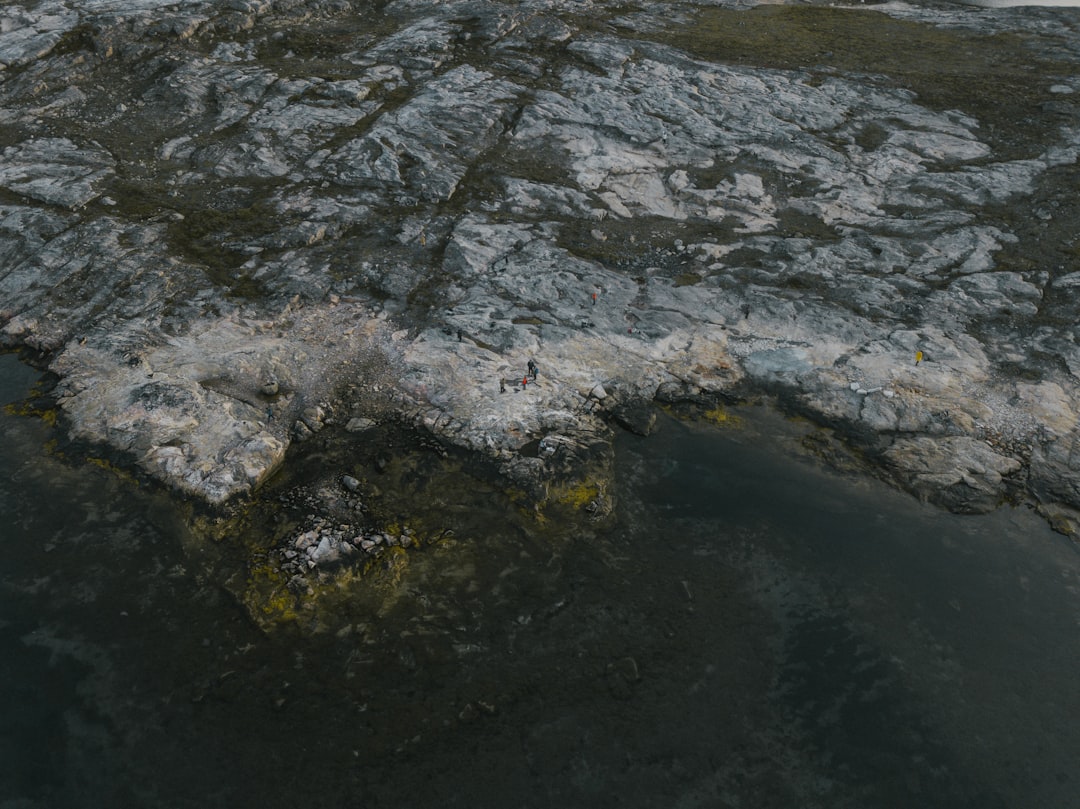
Permafrost consists of soil, rock, or sediment that remains frozen for a minimum of two consecutive years. This geological formation occurs primarily in polar regions and high-altitude mountainous areas, where temperatures remain consistently below freezing. Permafrost serves as a significant component of Arctic ecosystems and functions as a storage system for carbon and other greenhouse gases.
These frozen layers can reach depths of several hundred meters and contain organic material that has been preserved for thousands of years. Current climate change trends have accelerated permafrost thawing rates across affected regions. Increased global temperatures, resulting from anthropogenic activities including fossil fuel emissions and land-use changes, have elevated Arctic surface temperatures and initiated widespread permafrost degradation.
Permafrost thawing generates consequences that extend beyond immediate geographic boundaries. The decomposition of previously frozen organic matter releases substantial quantities of carbon dioxide and methane into the atmosphere, contributing to enhanced greenhouse gas concentrations and accelerated climate warming. The structural transformation of thawing permafrost fundamentally alters ground stability, resulting in surface subsidence, erosion, and terrain deformation.
These changes compromise existing infrastructure including transportation networks, residential and commercial buildings, and energy distribution systems, creating risks of structural damage and operational failure in affected areas.
Key Takeaways
- Permafrost thaw is accelerating due to climate change, threatening the stability of Arctic infrastructure.
- Thawing permafrost causes significant damage to buildings, roads, and pipelines, leading to costly repairs.
- Innovative engineering and adaptive construction techniques are essential to mitigate infrastructure damage.
- Policy measures and international cooperation are critical to managing the risks posed by permafrost thaw.
- Indigenous communities are disproportionately affected and must be included in planning and response strategies.
Impact of Permafrost Thaw on Arctic Infrastructure
The impact of permafrost thaw on Arctic infrastructure is profound and multifaceted. As the ground becomes unstable, structures that were once secure can begin to shift or settle unevenly. Roads may buckle or crack, making transportation hazardous or even impossible.
Buildings can experience structural failures, leading to costly repairs or complete abandonment. The consequences extend beyond mere inconvenience; they can disrupt essential services such as water supply, electricity, and waste management systems, which are critical for the survival of communities in these remote areas. Moreover, the thawing of permafrost can lead to increased maintenance costs for existing infrastructure.
As municipalities grapple with the challenges posed by shifting ground conditions, they may find themselves allocating more resources to repair and reinforce structures that were not designed to withstand such changes. This financial burden can strain local budgets and divert funds from other essential services. In some cases, entire communities may need to be relocated due to the untenable conditions created by permafrost thaw, leading to social upheaval and loss of cultural heritage.
Case Studies of Infrastructure Damage Caused by Permafrost Thaw
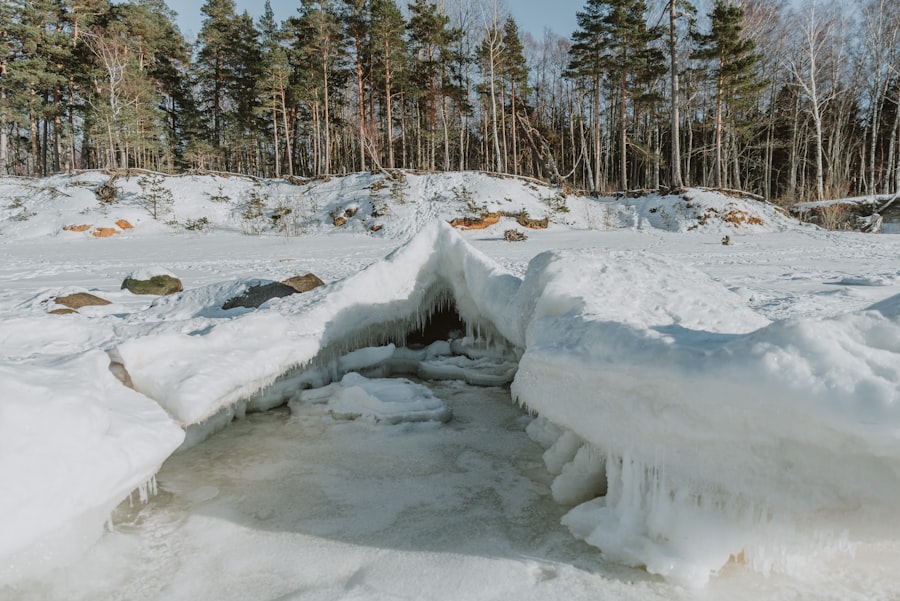
Several case studies illustrate the devastating effects of permafrost thaw on infrastructure in the Arctic. One notable example is the city of Yakutsk in Russia, which is often cited as one of the coldest cities on Earth. Despite its frigid climate, Yakutsk has experienced significant infrastructure challenges due to thawing permafrost.
Roads have buckled, and buildings have settled unevenly, leading to safety concerns for residents. The city has invested heavily in engineering solutions to mitigate these issues, but the ongoing thaw continues to pose a threat. Another striking case is found in Alaska, where the town of Shishmaref has faced severe consequences from permafrost thaw.
The community is situated on a barrier island that is rapidly eroding due to rising sea levels and thawing permafrost. As the ground beneath homes and public buildings becomes unstable, residents have been forced to consider relocation. The cost of moving an entire community is staggering, not only in terms of financial resources but also in terms of cultural loss and disruption to social networks.
Economic Costs of Permafrost Thaw on Arctic Infrastructure
The economic costs associated with permafrost thaw are significant and continue to escalate as climate change progresses. Repairing damaged infrastructure requires substantial financial investment, which can strain local economies already facing challenges due to their remote locations and limited resources. For instance, municipalities may need to allocate funds for emergency repairs or invest in new construction techniques designed to withstand shifting ground conditions.
These costs can divert funds from other critical areas such as education and healthcare. In addition to direct repair costs, there are broader economic implications tied to permafrost thaw. Disruptions in transportation networks can hinder trade and access to essential goods and services.
For communities reliant on fishing or tourism, changes in infrastructure can lead to decreased economic activity and job losses. Furthermore, as communities grapple with the impacts of permafrost thaw, they may face increased insurance premiums or difficulty obtaining coverage altogether due to heightened risk factors associated with climate change.
Strategies for Mitigating the Effects of Permafrost Thaw on Infrastructure
| Metric | Value | Unit | Description |
|---|---|---|---|
| Annual Permafrost Thaw Depth Increase | 3-5 | cm/year | Average increase in thaw depth in Arctic regions |
| Percentage of Arctic Infrastructure at Risk | 40 | % | Proportion of buildings and roads vulnerable to permafrost thaw |
| Average Ground Subsidence | 10-30 | cm | Typical ground sinking observed due to thawing permafrost |
| Annual Repair Costs for Infrastructure | 500 | Million | Estimated yearly cost for repairing damage caused by thaw |
| Increase in Infrastructure Damage Incidents | 15 | % per year | Yearly rise in reported damage cases linked to thawing permafrost |
| Length of Roads Affected | 1200 | km | Total length of roads damaged or at risk due to permafrost thaw |
| Number of Buildings Damaged | 3500 | units | Count of residential and commercial buildings affected |
To address the challenges posed by permafrost thaw, various strategies can be employed to mitigate its effects on infrastructure. One approach involves improving engineering practices for construction in permafrost regions. This includes using materials that are better suited for fluctuating temperatures and designing buildings with foundations that can adapt to ground movement.
Additionally, incorporating insulation techniques can help maintain stable ground temperatures and reduce the risk of thawing. Another strategy involves enhancing monitoring systems to track changes in permafrost conditions over time. By utilizing advanced technologies such as remote sensing and ground-penetrating radar, researchers can gain valuable insights into the dynamics of permafrost thaw.
This information can inform decision-making processes regarding infrastructure development and maintenance, allowing communities to proactively address potential issues before they escalate into costly repairs.
Technological Innovations to Protect Arctic Infrastructure from Permafrost Thaw
Technological innovations play a crucial role in protecting Arctic infrastructure from the impacts of permafrost thaw. One promising development is the use of thermosyphons—devices that transfer heat away from the ground—helping to maintain stable temperatures in permafrost regions.
Additionally, advancements in materials science have led to the creation of new construction materials that are more resilient to temperature fluctuations. For example, researchers are exploring the use of phase-change materials that can absorb or release heat as temperatures change, helping to stabilize ground conditions. These innovations not only enhance the durability of structures but also contribute to more sustainable building practices in vulnerable Arctic environments.
Policy and Regulatory Responses to Permafrost Thaw Threats
In response to the growing threat posed by permafrost thaw, policymakers at various levels are beginning to implement regulations aimed at safeguarding infrastructure in affected regions.
By incorporating scientific research into regulatory frameworks, governments can better prepare for the challenges posed by thawing permafrost.
Furthermore, collaboration between local governments, indigenous communities, and scientific organizations is essential for developing effective policies. Engaging stakeholders in decision-making processes ensures that diverse perspectives are considered when addressing infrastructure challenges related to permafrost thaw. This collaborative approach fosters a sense of ownership among communities and enhances the likelihood of successful implementation.
Indigenous Communities and Permafrost Thaw Impacts on Infrastructure
Indigenous communities in the Arctic are particularly vulnerable to the impacts of permafrost thaw on infrastructure. Many of these communities have deep cultural ties to their land and rely on traditional practices that are closely linked to their environment. As permafrost thaws and alters landscapes, it threatens not only physical structures but also cultural heritage and ways of life.
For instance, traditional hunting grounds may become inaccessible due to shifting terrain or erosion caused by thawing permafrost. Additionally, many indigenous communities face challenges related to food security as changes in wildlife patterns occur alongside environmental shifts. Addressing these impacts requires a nuanced understanding of indigenous knowledge systems and a commitment to integrating traditional ecological knowledge into modern infrastructure planning.
International Collaboration in Addressing Permafrost Thaw Threats
The global nature of climate change necessitates international collaboration in addressing the threats posed by permafrost thaw. Countries with Arctic territories must work together to share research findings, best practices, and innovative solutions for mitigating infrastructure damage caused by thawing permafrost. Collaborative efforts can lead to more effective policy responses and resource allocation.
Organizations such as the Arctic Council play a vital role in facilitating dialogue among Arctic nations regarding environmental challenges related to climate change. By fostering partnerships between governments, scientists, and indigenous communities, these collaborations can enhance collective understanding and drive action toward sustainable solutions for infrastructure resilience.
Future Projections of Permafrost Thaw and its Impact on Arctic Infrastructure
Future projections indicate that permafrost thaw will continue at an accelerated pace if global temperatures rise as predicted. According to climate models, significant portions of permafrost could be lost by mid-century if current trends persist. This scenario poses dire implications for Arctic infrastructure as more areas become susceptible to ground instability and erosion.
As communities prepare for these changes, it is essential for planners and engineers to consider long-term strategies that account for projected shifts in permafrost conditions. This may involve re-evaluating existing infrastructure designs or even relocating vulnerable communities altogether. The urgency of addressing these projections cannot be overstated; proactive measures taken today will determine the resilience of Arctic infrastructure in the face of an uncertain future.
The Urgency of Addressing Permafrost Thaw Threats to Arctic Infrastructure
The urgency of addressing permafrost thaw threats to Arctic infrastructure cannot be overstated. As climate change accelerates this phenomenon, communities face increasing risks associated with ground instability and infrastructure damage. The economic costs are mounting, while cultural heritage and traditional ways of life hang in the balance for many indigenous populations.
To effectively tackle these challenges requires a multifaceted approach that combines innovative engineering solutions with robust policy frameworks and international collaboration. By prioritizing resilience in infrastructure planning and engaging diverse stakeholders in decision-making processes, societies can work toward safeguarding their futures against the impacts of permafrost thaw. The time for action is now; failure to address these threats could result in irreversible consequences for both people and ecosystems in the Arctic region.
Permafrost thaw in the Arctic is increasingly becoming a critical issue, leading to significant damage to infrastructure in the region. As temperatures rise, the stability of roads, buildings, and pipelines is compromised, resulting in costly repairs and safety hazards. For a deeper understanding of the implications of permafrost thaw on Arctic infrastructure, you can read more in this related article: Permafrost Thaw and Its Impact on Arctic Infrastructure.
FAQs
What is permafrost?
Permafrost is ground, including soil or rock, that remains frozen for at least two consecutive years. It is commonly found in polar regions such as the Arctic.
How does permafrost thaw occur?
Permafrost thaw occurs when rising temperatures cause the frozen ground to warm and melt. This process can be accelerated by climate change and human activities.
Why is permafrost thaw a concern for Arctic infrastructure?
Thawing permafrost can cause the ground to become unstable, leading to damage or collapse of buildings, roads, pipelines, and other infrastructure built on it.
What types of infrastructure are most affected by permafrost thaw?
Infrastructure such as homes, transportation networks, oil and gas facilities, and communication systems in Arctic regions are particularly vulnerable to damage from permafrost thaw.
What are the consequences of infrastructure damage due to permafrost thaw?
Damage can lead to costly repairs, disruption of services, safety hazards, and economic impacts on communities and industries relying on Arctic infrastructure.
How is climate change linked to permafrost thaw?
Climate change leads to higher temperatures in the Arctic, accelerating the thawing of permafrost and increasing the risk of infrastructure damage.
What measures can be taken to protect infrastructure from permafrost thaw?
Engineering solutions include building on piles, using insulation layers, monitoring ground temperatures, and designing flexible structures that can adapt to ground movement.
Are there any environmental risks associated with permafrost thaw?
Yes, thawing permafrost can release greenhouse gases like methane and carbon dioxide, contributing to further climate change, and can also lead to soil erosion and habitat disruption.
How is permafrost thaw monitored?
Scientists use ground temperature sensors, remote sensing technology, and field observations to monitor permafrost conditions and predict thaw patterns.
What regions are most affected by permafrost thaw?
The Arctic regions of Alaska, Canada, Russia, Greenland, and parts of Scandinavia are most affected due to their extensive permafrost coverage.