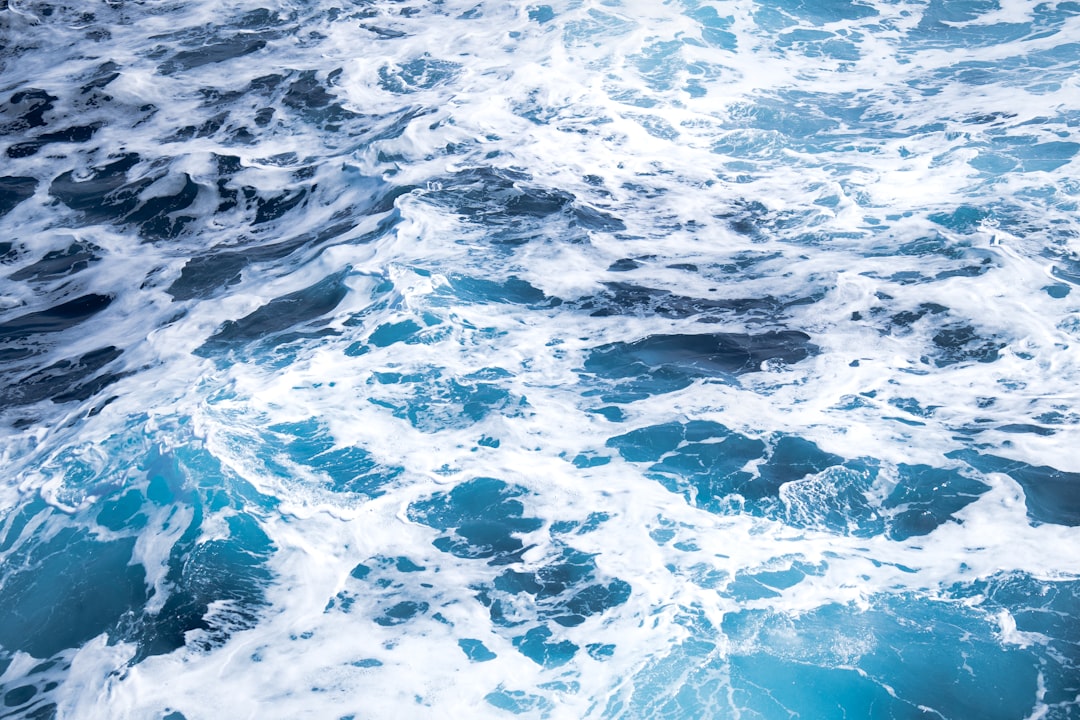
The Passage de Drake, often referred to as Drake Passage, has a rich and tumultuous history that dates back to the age of exploration in the late 16th century. Named after the English sea captain Sir Francis Drake, who was the first known navigator to sail through these treacherous waters in 1578, the strait has long been a critical maritime route. Drake’s expedition aimed to find a passage to the Pacific Ocean, and his successful navigation through the strait marked a significant milestone in maritime history.
This journey not only showcased the navigational skills of the time but also opened up new avenues for trade and exploration, setting the stage for future expeditions. Over the centuries, the Passage de Drake has been both a gateway and a barrier for explorers, traders, and adventurers. The strait has witnessed countless voyages, each contributing to its storied past.
In the 19th century, it became a vital route for whalers and sealers, drawn by the rich marine resources of the Southern Ocean. The passage’s strategic importance continued to grow with the advent of scientific exploration in the 20th century, as researchers sought to understand the unique ecosystems and climatic conditions of Antarctica. Today, the Drake Passage stands as a testament to human curiosity and resilience, embodying both the challenges and triumphs of maritime exploration.
Key Takeaways
- The Passage de Drake has a rich history of exploration and navigation, dating back to the 16th century.
- The geography and climate of the strait are characterized by rough seas, strong winds, and cold temperatures, making it a challenging route for ships to navigate.
- The Passage de Drake is home to a diverse range of wildlife and marine life, including penguins, seals, and whales.
- Navigating the strait poses various challenges and dangers, such as icebergs, unpredictable weather, and treacherous currents.
- Famous expeditions and explorers, such as Sir Francis Drake and Charles Darwin, have crossed the Passage de Drake, leaving a lasting impact on its history.
The Geography and Climate of the Strait
Geographically, the Passage de Drake is situated between the southern tip of South America and Antarctica, connecting the Atlantic and Pacific Oceans. This narrow body of water spans approximately 800 kilometers (500 miles) at its widest point, making it one of the most significant maritime corridors in the world.
The surrounding landmasses, including Cape Horn and the Antarctic Peninsula, further enhance the strait’s geographical significance. The climate of the Passage de Drake is notoriously unpredictable, marked by fierce winds and rapidly changing weather conditions. The region experiences strong westerly winds known as the “Roaring Forties,” which can create tumultuous seas and challenging navigation conditions.
Temperatures in the strait can vary significantly, with cold Antarctic air masses colliding with warmer ocean currents. This climatic volatility not only poses challenges for vessels traversing the passage but also plays a crucial role in shaping the unique ecosystems found in these waters. Understanding the geography and climate of the Drake Passage is essential for anyone seeking to navigate its waters or study its rich biodiversity.
Wildlife and Marine Life in the Passage de Drake

The Passage de Drake is renowned for its diverse and abundant wildlife, making it a prime location for marine biologists and nature enthusiasts alike. The nutrient-rich waters of the strait support a wide array of marine life, including krill, which serves as a fundamental food source for many species. This tiny crustacean attracts an impressive variety of marine mammals, such as whales, seals, and dolphins.
Among the most notable inhabitants are humpback whales, orcas, and blue whales, which migrate through these waters in search of food during their seasonal journeys. In addition to marine mammals, the passage is home to numerous seabird species that thrive in its harsh environment. Albatrosses, petrels, and penguins are commonly spotted soaring above or diving into the frigid waters below.
The sight of a wandering albatross gliding effortlessly on ocean breezes is a breathtaking experience for those fortunate enough to witness it. The rich biodiversity of the Passage de Drake not only highlights its ecological significance but also underscores the importance of conservation efforts aimed at protecting these vulnerable species and their habitats.
Challenges and Dangers of Navigating the Strait
| Challenges and Dangers of Navigating the Strait |
|---|
| Strong currents |
| Narrow passage |
| Heavy maritime traffic |
| Variable weather conditions |
| Shallow waters |
| Underwater hazards |
Navigating the Passage de Drake is fraught with challenges that have earned it a reputation as one of the most perilous maritime routes in the world. The unpredictable weather patterns can lead to sudden storms and rough seas, making it difficult for even experienced sailors to maintain control of their vessels. The combination of strong currents, high waves, and limited visibility can create treacherous conditions that pose significant risks to navigation.
Many sailors have recounted harrowing tales of their experiences in these waters, where a moment’s inattention can lead to disaster. Moreover, the strait’s geographical features add another layer of complexity to navigation. Underwater ridges and seamounts can create sudden changes in water depth, leading to potential hazards for ships traversing these waters.
Additionally, icebergs calving from nearby glaciers can pose a serious threat during certain times of the year. As such, mariners must remain vigilant and well-prepared when crossing the Drake Passage, equipped with advanced navigational tools and an understanding of local conditions. Despite these challenges, many adventurers are drawn to the strait’s allure, eager to conquer its formidable waters.
Famous Expeditions and Explorers who have crossed the Passage de Drake
Throughout history, numerous explorers have braved the waters of the Passage de Drake in pursuit of discovery and adventure. One of the most famous expeditions was led by Ernest Shackleton in 1914 during his ill-fated attempt to cross Antarctica via the Weddell Sea. Shackleton’s ship, Endurance, became trapped in pack ice, forcing him and his crew to endure harrowing conditions while they sought rescue.
Their remarkable survival story has become legendary, highlighting both human resilience and the formidable nature of the Drake Passage. Another notable figure is Charles Wilkes, who led an American expedition in 1838-1842 that aimed to explore Antarctica and map its coastline. Wilkes’ journey through the Drake Passage provided valuable scientific data and contributed significantly to our understanding of this remote region.
His expedition laid the groundwork for future explorations and established a precedent for scientific research in Antarctica. These expeditions not only advanced knowledge about geography and marine life but also inspired generations of adventurers to explore the mysteries of this challenging maritime corridor.
The Importance of the Passage de Drake for Global Trade and Commerce

The Passage de Drake plays a crucial role in global trade and commerce by serving as a vital shipping route between major markets in South America and Asia. As vessels navigate through these waters, they facilitate the transport of goods ranging from agricultural products to manufactured items. The strait’s strategic location allows ships to bypass longer routes around Cape Horn or through other channels, thereby reducing transit times and costs for shipping companies.
In addition to its economic significance, the passage also serves as a critical link for scientific research and environmental monitoring. Research vessels frequently traverse these waters to study climate change impacts on marine ecosystems and gather data essential for understanding global ocean currents. The information collected from expeditions through the Drake Passage contributes to broader efforts aimed at addressing environmental challenges faced by our planet.
Thus, while it may be known for its treacherous conditions, the strait remains an indispensable artery for international trade and scientific inquiry.
Indigenous Peoples and their Connection to the Strait
The indigenous peoples of South America have long held a deep connection to the waters surrounding the Passage de Drake. Tribes such as the Yaghan and Kawésqar have inhabited regions along the southern coast of Chile and Argentina for centuries, relying on marine resources for sustenance and cultural practices. Their traditional knowledge of navigation and understanding of local ecosystems have been passed down through generations, reflecting a profound respect for nature.
These indigenous communities have also faced significant challenges due to colonization and environmental changes brought about by modern development. Their cultural heritage is intricately tied to their relationship with the sea, making it essential to recognize their voices in discussions about conservation efforts in the region. By honoring their perspectives and incorporating traditional ecological knowledge into contemporary practices, there is potential for more sustainable management of marine resources within the Passage de Drake.
The Impact of Climate Change on the Passage de Drake
Climate change poses significant threats to the delicate ecosystems within the Passage de Drake. Rising ocean temperatures are altering marine habitats and affecting species distribution patterns. For instance, krill populations—crucial for sustaining larger marine animals—are experiencing shifts that could have cascading effects throughout the food web.
As these changes unfold, researchers are increasingly concerned about how they will impact not only wildlife but also local fishing industries that depend on stable marine environments. Moreover, melting glaciers in Antarctica contribute to rising sea levels and increased iceberg calving events within the passage itself.
As scientists continue to study these impacts, it becomes increasingly clear that addressing climate change is vital for preserving both biodiversity and human livelihoods associated with this unique maritime corridor.
Tips and Recommendations for Traveling through the Passage de Drake
For those adventurous enough to traverse the Passage de Drake, preparation is key to ensuring a safe and enjoyable journey. Travelers should consider booking passage with reputable expedition companies that prioritize safety measures and environmental stewardship. It is essential to stay informed about weather conditions prior to departure; understanding that conditions can change rapidly will help travelers mentally prepare for potential challenges.
Packing appropriately is also crucial when navigating these waters. Layered clothing designed for cold temperatures is recommended due to fluctuating weather conditions. Additionally, travelers should bring seasickness medication as rough seas are common in this region.
Engaging with knowledgeable guides who can provide insights into local wildlife and history will enhance one’s experience while fostering appreciation for this remarkable area.
The Beauty and Majesty of the Passage de Drake
Despite its reputation for danger, there is an undeniable beauty that permeates every inch of the Passage de Drake. The stark contrast between rugged coastlines adorned with snow-capped peaks against deep blue waters creates breathtaking vistas that captivate all who venture here. Glacial formations dotting nearby islands add an ethereal quality to this remote landscape while providing glimpses into nature’s raw power.
Wildlife encounters further enrich this experience; witnessing whales breaching or seabirds soaring overhead evokes a sense of wonder that lingers long after leaving these waters behind. For many travelers, crossing through this strait becomes more than just a journey—it transforms into an unforgettable adventure filled with awe-inspiring moments that celebrate both nature’s grandeur and humanity’s enduring spirit.
The Future of the Passage de Drake: Preservation and Conservation Efforts
As awareness grows regarding environmental issues facing our planet today—including those affecting regions like the Passage de Drake—efforts toward preservation have gained momentum among various stakeholders. Conservation organizations are working diligently alongside governments to establish protected areas within these waters aimed at safeguarding marine biodiversity while promoting sustainable practices among local communities. Additionally, international collaborations focused on research initiatives seek to monitor changes occurring within this fragile ecosystem over time—ensuring that future generations can continue experiencing its wonders firsthand.
By prioritizing conservation efforts now—through education programs aimed at raising awareness about climate change impacts—we can help secure a brighter future not only for those who traverse these waters but also for all life forms dependent upon them. In conclusion, while navigating through this remarkable strait presents challenges aplenty—from unpredictable weather patterns to ecological concerns—the rewards are equally profound: breathtaking landscapes filled with diverse wildlife await those willing enough to embark on such journeys into one of Earth’s last frontiers—the majestic Passage de Drake!
The Passage de Drake, also known as the Drake Passage, is a significant body of water that lies between the southern tip of South America and Antarctica. It is renowned for its challenging navigation conditions due to strong currents and unpredictable weather. For those interested in exploring more about geographical wonders and their historical significance, an article on MyGeoQuest provides insightful information. This resource delves into various geographical phenomena and offers a deeper understanding of the natural world, making it a perfect companion read for anyone fascinated by the Drake Passage.
WATCH NOW! Drake Passage: Earth’s Deadliest Waters Revealed
FAQs
What is the passage de drake?
The passage de drake, also known as the Drake Passage, is the body of water between the southern tip of South America and the northern tip of the Antarctic Peninsula.
Why is the passage de drake significant?
The passage de drake is significant because it is the shortest route between Antarctica and the rest of the world, making it a crucial passage for scientific research and exploration in the region.
What are the characteristics of the passage de drake?
The passage de drake is known for its rough seas and strong winds, making it one of the most challenging and unpredictable bodies of water to navigate.
What wildlife can be found in the passage de drake?
The passage de drake is home to a diverse range of wildlife, including whales, seals, and various species of seabirds.
What is the weather like in the passage de drake?
The weather in the passage de drake is often harsh and unpredictable, with strong winds, rough seas, and rapidly changing conditions. It is known for its stormy and turbulent weather patterns.