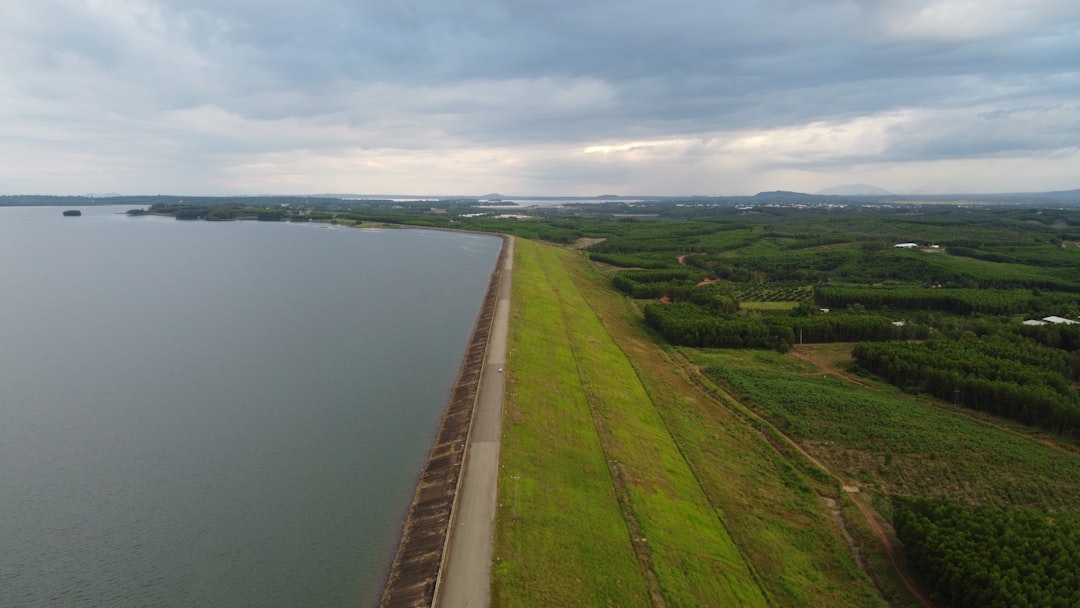
The Panama Canal, a critical artery in global trade, is currently experiencing a profound water crisis, with far-reaching implications for international commerce and consumer prices. This period of drought, exacerbated by climate change and the El Niño phenomenon, has forced the Panama Canal Authority (ACP) to implement unprecedented restrictions on transits, dramatically altering shipping schedules and increasing operational costs. The ripple effect of these disruptions is now beginning to manifest in various sectors, ultimately impacting the end consumer.
The current predicament of the Panama Canal is not a sudden occurrence but rather the culmination of several interconnected factors, primarily environmental and meteorological in nature. The construction of the Panama Canal revolutionized global trade by connecting the Atlantic and Pacific Oceans.
Unprecedented Drought Conditions
The primary driver of the water crisis is a severe and prolonged drought affecting the Panama Canal watershed. This region, vital for maintaining the water levels of Gatun Lake and Alajuela Lake – the two main reservoirs feeding the canal – has experienced significantly lower rainfall than average for an extended period.
Impact of El Niño
The El Niño phenomenon, a naturally occurring climate pattern characterized by warmer-than-average sea surface temperatures in the central and eastern Pacific Ocean, has played a significant role in exacerbating this drought. El Niño typically alters global weather patterns, often leading to reduced rainfall in certain regions, including parts of Central America. This natural climate variability, when combined with other factors, intensifies the severity and duration of dry spells.
Climate Change as an Underlying Driver
While El Niño is a cyclical phenomenon, the intensity and frequency of severe weather events, including droughts, are increasingly linked to anthropogenic climate change. Warmer global temperatures can lead to altered precipitation patterns, making certain regions drier and others wetter. Scientists and climate models suggest that climate change is amplifying the effects of natural climate variability, thus contributing to the severity of droughts in critical regions like the Panama Canal watershed.
The Engineering Marvel’s Reliance on Freshwater
The Panama Canal operates on a unique and elegant system of locks that utilize freshwater to lift and lower vessels between the Atlantic and Pacific Oceans. This system, an engineering marvel, is inherently water-intensive.
Gatun Lake: The Canal’s Lifeline
Gatun Lake, a vast artificial lake created during the canal’s construction, serves as the primary reservoir for the canal’s operations. Each transit through the locks consumes an enormous volume of freshwater – approximately 200 million liters per ship. When water levels in Gatun Lake drop, the ACP is faced with a stark choice: either reduce the number of transits or decrease the allowable draft of vessels.
Water Management Strategies
Historically, the ACP has implemented various water management strategies to ensure adequate water levels, including conservation measures within the watershed and sophisticated monitoring systems. However, the current drought has pushed these strategies to their limits, necessitating more drastic measures. The delicate balance between shipping demand and water availability is now under severe strain.
The ongoing water crisis affecting the Panama Canal has significant implications for global trade and pricing, as highlighted in a related article on MyGeoQuest. The reduced water levels have led to restrictions on vessel traffic, causing delays and increased shipping costs that ripple through supply chains worldwide. As a result, consumers may soon see higher prices for goods that rely on this crucial maritime route. For more insights on this topic, you can read the full article here: MyGeoQuest.
Operational Adjustments and Their Immediate Repercussions
In response to critically low water levels, the ACP has enacted a series of stringent operational adjustments, profoundly impacting the flow of maritime traffic.
Transit Restrictions and Vessel Queues
The most direct and impactful measure has been the reduction in daily transit slots. From a historical average of 36-38 transits per day, the number has been progressively curtailed, at times dropping below 25. This reduction acts as a choke point, creating bottlenecks at both ends of the canal.
Increased Waiting Times
The immediate consequence of fewer transit slots is a dramatic increase in waiting times for vessels. Ships that previously might have waited a day or two now face waits of several days, sometimes even weeks. This added time at anchor translates directly into increased operational costs for shipping companies, as vessels consume fuel and crew salaries continue.
Limitations on Vessel Draft
In addition to reducing transit slots, the ACP has also imposed restrictions on the maximum permissible draft for vessels. Draft refers to the vertical distance between the waterline and the bottom of the hull. A reduced draft means that ships must carry less cargo to lighten their load and avoid grounding in shallower sections of the canal or locks. This directly impacts the efficiency of shipping, as vessels are no longer operating at their full capacity.
Rising Transit Fees and Surcharges
The scarcity of transit slots has also led to an increase in operational costs for shipping lines. The ACP has implemented various surcharges and auction systems for premium slots, allowing those willing to pay more to bypass the extended queues.
Variable Pricing and Auction Systems
The implementation of a variable pricing model and a system of slot auctions has seen fees for a single transit skyrocket in some instances. Shipping companies, desperate to maintain their schedules and avoid lengthy delays, have been willing to pay millions of dollars above the standard transit fees to secure a guaranteed slot. This additional cost is invariably passed down the supply chain.
Increased Fuel Consumption Due to Diversions
Some shipping lines, faced with prohibitive waiting times or exorbitant auction prices, have opted for alternative routes, primarily circumnavigating South America via the Cape of Good Hope or the Strait of Magellan. These longer routes significantly increase fuel consumption, transit time, and operational costs. For a vessel that might typically take 25-30 days to traverse the Panama Canal route, a diversion around South America can add 10-15 days or more to the journey, consuming thousands of tons of additional fuel.
The Vicious Cycle: Impact on Global Supply Chains
The operational adjustments at the Panama Canal act as a catalyst, initiating a complex and often delayed cascade of effects throughout global supply chains.
Delays and Disruptions in Trade Routes
The primary impact on global supply chains is evident in pervasive delays and disruptions to established trade routes. The Panama Canal is a linchpin for trade between Asia and the Eastern United States, as well as between the West Coast of South America and Europe.
Just-in-Time Inventory Under Threat
Many industries operate on a “just-in-time” (JIT) inventory system, where components and finished goods arrive precisely when needed, minimizing storage costs. The unpredictability introduced by Panama Canal delays fundamentally undermines this model. Businesses reliant on JIT now face the prospect of production halts, missed deadlines, and increased inventory holding costs as they adapt to longer and less reliable shipping times.
Supply Chain Vulnerability Exposed
The crisis highlights the inherent vulnerabilities in highly optimized and interconnected global supply chains. A single point of failure, such as the Panama Canal, can have amplified effects across multiple industries and geographic regions. This event serves as a stark reminder for businesses to diversify their logistics strategies and build in greater resilience.
Diversion of Cargo and Shifting Trade Patterns
As shipping lines adapt to the canal’s limitations, there is a discernible shift in cargo routes and destinations.
Increased Use of Intermodal Transport
Some companies are exploring intermodal transport options. For example, cargo destined for the US East Coast from Asia might be offloaded at West Coast ports, then transported across the continent by rail or truck. While this offers an alternative to the canal, it introduces additional handling costs, potential for damage, and increased transit times domestically.
Redrawing Maritime Maps
Longer-term, if the water crisis persists or becomes a recurring feature, it could lead to a permanent redrawing of maritime maps. Shipping lines might re-evaluate the viability of the Panama Canal for certain routes, potentially leading to a greater reliance on larger vessels capable of enduring longer voyages around Africa or South America, or a shift towards alternative transit points like the Suez Canal, where geographically feasible.
The Price Ripple: From Shipping Lanes to Consumer Wallets

The increase in operational costs for shipping companies and the disruptions in supply chains inevitably translate into higher prices for consumers. This transmission mechanism is complex and multifaceted.
Increased Shipping Costs Translated to Goods
Shipping costs are a fundamental component of the overall cost of goods sold. When these costs rise, manufacturers and retailers face a choice: absorb the increased expense, thereby reducing their profit margins, or pass it on to the consumer.
Raw Materials and Intermediate Goods
The impact is not limited to finished consumer products. Many raw materials and intermediate goods, such as chemicals, industrial components, and agricultural products, rely on the canal. Increased shipping costs for these inputs will inflate production costs for manufacturers, which will then be reflected in the final price of their products. Consider, for example, the cost of plastics, a ubiquitous material; if the petrochemicals used in its production become more expensive to transport, the price of plastic goods will rise.
Finished Goods and Retail Prices
For finished goods, especially those with tight profit margins or those considered commodities, even a modest increase in shipping costs can significantly impact retail prices. Consumers might observe price hikes on a wide range of goods, from electronics manufactured in Asia to apparel, toys, and even certain food products. The journey from a factory in Shenzhen to a retail shelf in New York now carries a higher logistical tariff.
Inflationary Pressures Across Sectors
The aggregate effect of these increased costs across various industries contributes to broader inflationary pressures.
Supply-Side Inflation
Economists refer to this as supply-side or cost-push inflation. It occurs when the cost of producing or delivering goods and services increases, leading businesses to raise their prices to maintain profitability. The Panama Canal crisis is a clear example of an external shock impacting input costs, thereby contributing to inflation.
Specific Sectoral Impacts
The energy sector, particularly liquefied natural gas (LNG) carriers, has been significantly affected. LNG tankers frequently use the canal to transport gas from the US Gulf Coast to Asian markets. Delays or diversions for these vessels can impact global energy prices. Similarly, agricultural commodities, such as grains from the US Midwest destined for Asian markets, also face increased transport costs, potentially impacting global food prices. The retail sector, particularly for goods imported from Asia, will inevitably see higher transportation costs embedding themselves in price tags.
The ongoing water crisis affecting the Panama Canal has raised concerns about its impact on global shipping and trade, leading to potential increases in prices for various goods. As the canal’s operations are crucial for the transportation of cargo between the Atlantic and Pacific Oceans, any disruptions can ripple through supply chains, causing delays and higher costs. For a deeper understanding of how this situation is unfolding and its implications for the economy, you can read a related article that explores these issues in detail at this link.
Long-Term Implications and Future Outlook
| Metric | Impact Description | Estimated Change | Timeframe |
|---|---|---|---|
| Shipping Costs | Increase in freight rates due to delays and rerouting | 15-25% increase | Q1-Q2 2024 |
| Commodity Prices | Price rise in goods reliant on Panama Canal transit (e.g., oil, grains) | 5-10% increase | Q2 2024 |
| Transit Time | Average delay in shipping times through the canal | 2-4 days longer | Q1 2024 |
| Global Supply Chain | Disruptions causing inventory shortages and increased lead times | Lead times extended by 10-15% | Q1-Q3 2024 |
| Fuel Prices | Increase due to longer routes and higher fuel consumption | 3-7% increase | Q2 2024 |
The Panama Canal water crisis is not merely a transient inconvenience; it signals profound long-term implications for global trade, infrastructure planning, and environmental adaptation.
Infrastructure Adaptations and Investment
The ACP is actively exploring and implementing various strategies to mitigate the impact of future droughts and enhance the canal’s resilience.
Water Management Projects
Proposed solutions include the construction of additional reservoirs in the watershed, the development of new water-saving lock technologies, and potentially even desalination plants, though the latter would be a costly and energy-intensive undertaking. These projects would require significant investment and years to implement, highlighting the need for long-term strategic planning.
Diversification of Shipping Routes
The crisis may accelerate the diversification of shipping routes by major carriers and freight forwarders. This could involve an increased reliance on larger “Post-Panamax” vessels that are too wide or too long for the original locks and must use the expanded third set of locks, or even a return to sailing around the Cape of Good Hope for certain routes, despite the longer journey. The calculus of speed, cost, and reliability is continually being re-evaluated.
The Elephant in the Room: Climate Change and Global Supply Chain Resilience
Ultimately, the Panama Canal water crisis serves as a potent microcosm of the broader challenges posed by climate change to global infrastructure and economic stability.
Climate Change as a Persistent Threat
The increasing frequency and intensity of extreme weather events, including droughts, floods, and storms, mean that critical infrastructure worldwide will face similar pressures. The Panama Canal’s predicament is a harbinger of potential disruptions for other vital transportation links, production facilities, and agricultural regions.
The Imperative of Resilience
For businesses and governments, the crisis underscores the imperative of building greater resilience into global supply chains. This includes geographical diversification of sourcing and manufacturing, investing in robust logistics networks, and developing contingency plans for major disruptions. It also highlights the urgent need for global efforts to mitigate climate change, as foundational infrastructure assets like the Panama Canal are increasingly exposed to its capricious effects.
In conclusion, the Panama Canal water crisis is a complex interplay of environmental factors, engineering limitations, and economic consequences. As water levels recede, the ripple effect of increased shipping costs, supply chain delays, and inflationary pressures will inevitably reach the end consumer. This unfolding situation serves as a stark reminder of the interconnectedness of our global economy and the profound challenges presented by a changing climate to the very arteries of international trade.
WATCH THIS 🔥 YOUR BILL JUST WENT UP: The $50 Billion Panama Canal Lie
FAQs
What is causing the water crisis in the Panama Canal?
The water crisis in the Panama Canal is primarily caused by prolonged drought conditions and reduced rainfall in the region, which have lowered the water levels in the canal’s reservoirs that are essential for its operation.
How does the water crisis affect shipping through the Panama Canal?
Lower water levels restrict the size and number of ships that can pass through the canal, leading to delays, reduced cargo capacity, and increased transit times for vessels relying on this key maritime route.
What impact does the Panama Canal water crisis have on global prices?
The crisis can lead to higher shipping costs due to delays and capacity restrictions, which in turn increase the prices of goods transported through the canal, affecting global supply chains and contributing to inflation in various markets.
Are there any measures being taken to address the water shortage in the Panama Canal?
Yes, authorities are implementing water conservation strategies, adjusting ship transit schedules, and exploring infrastructure improvements to manage water usage more efficiently and mitigate the impact of drought conditions.
Which industries are most affected by the Panama Canal water crisis?
Industries reliant on timely shipping of goods, such as manufacturing, agriculture, and retail, are most affected, as disruptions in canal operations can delay raw materials and finished products, impacting production and supply availability.