The Panama Canal, a monumental engineering feat completed in 1914, serves as a critical conduit for maritime trade between the Atlantic and Pacific Oceans. Spanning approximately 50 miles, this artificial waterway allows vessels to avoid the lengthy and perilous journey around the southern tip of South America. The canal’s construction was a significant achievement of its time, involving complex logistics and overcoming numerous geographical challenges.
Today, it stands as a testament to human ingenuity and ambition, facilitating the movement of goods and resources across the globe. Over the years, the Panama Canal has evolved into a vital artery for international commerce. It not only shortens travel distances for ships but also significantly reduces shipping times and costs.
The canal’s strategic location has made it an indispensable asset for global trade, with thousands of vessels transiting its waters each year. As economies around the world become increasingly interconnected, the importance of the Panama Canal in facilitating trade cannot be overstated. Its role in shaping global supply chains and influencing shipping routes continues to be a focal point for businesses and governments alike.
Key Takeaways
- The Panama Canal is a key waterway that connects the Atlantic and Pacific Oceans, facilitating global trade and maritime transportation.
- The canal plays a crucial role in global trade by providing a shorter and more cost-effective route for ships, saving time and fuel.
- Shipping delays in the Panama Canal can be caused by factors such as weather conditions, maintenance work, and increased traffic.
- Shipping delays in the Panama Canal can have a significant impact on global trade, leading to increased costs, supply chain disruptions, and economic losses.
- Efforts to mitigate shipping delays in the Panama Canal include infrastructure upgrades, improved navigation technology, and operational efficiency measures.
Importance of the Panama Canal in Global Trade
The significance of the Panama Canal in global trade is underscored by its ability to enhance efficiency in shipping logistics. By providing a shortcut between two major oceans, the canal enables vessels to save both time and fuel, which translates into lower operational costs. This efficiency is particularly crucial for industries that rely on just-in-time delivery systems, where delays can lead to substantial financial losses.
The canal’s capacity to accommodate large container ships has further solidified its position as a key player in international shipping. Moreover, the Panama Canal plays a pivotal role in connecting various markets across continents. It facilitates trade between North America, South America, Europe, and Asia, making it an essential link in the global supply chain.
The canal’s influence extends beyond mere transportation; it also impacts pricing structures and market dynamics. As goods move more swiftly from one region to another, businesses can respond more effectively to consumer demands, fostering economic growth and stability in multiple regions.
Factors causing shipping delays in the Panama Canal
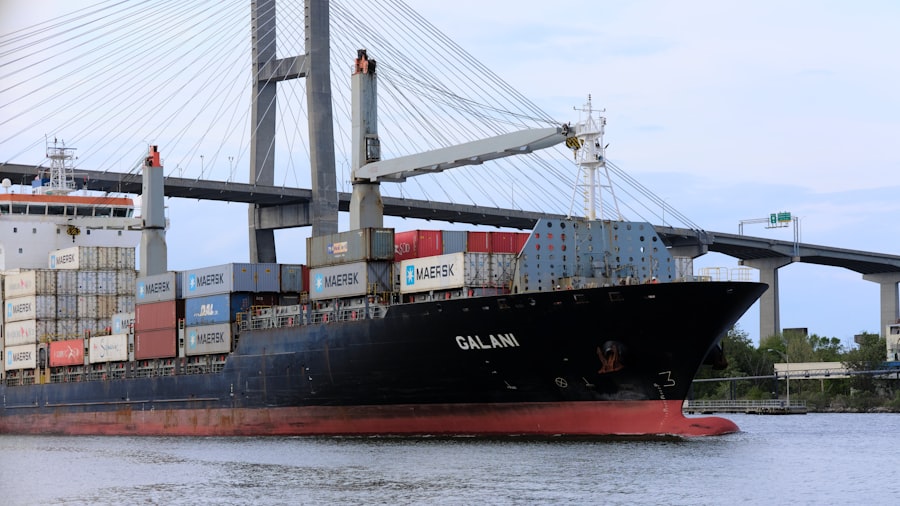
Despite its critical role in global trade, the Panama Canal is not immune to challenges that can lead to shipping delays. One of the primary factors contributing to these delays is congestion caused by an increase in vessel traffic. As global trade continues to expand, the number of ships transiting through the canal has surged, often exceeding its capacity.
This congestion can result in longer wait times for vessels, disrupting schedules and leading to cascading effects throughout supply chains. Another significant factor is maintenance and operational issues within the canal itself. The infrastructure requires regular upkeep to ensure safe and efficient navigation.
Scheduled maintenance can lead to temporary closures or reduced capacity, further exacerbating delays. Additionally, unforeseen circumstances such as mechanical failures or adverse weather conditions can disrupt operations, leaving ships stranded and waiting for clearance. These factors collectively contribute to a complex web of challenges that can hinder the smooth functioning of this vital waterway.
Impact of shipping delays on global trade
| Impact of Shipping Delays on Global Trade |
|---|
| Decreased consumer satisfaction |
| Increased inventory holding costs |
| Disrupted supply chains |
| Higher transportation costs |
| Loss of revenue for businesses |
Shipping delays in the Panama Canal have far-reaching implications for global trade dynamics. When vessels are unable to transit the canal in a timely manner, it creates a ripple effect that can disrupt supply chains across various industries. For instance, manufacturers relying on just-in-time inventory systems may face production halts if raw materials do not arrive on schedule.
This can lead to increased costs as companies scramble to find alternative sources or expedite shipments through other means. Furthermore, delays can impact pricing structures in international markets. When shipping times are extended, the cost of goods may rise due to increased transportation expenses or scarcity of products.
This inflationary pressure can affect consumers worldwide, leading to higher prices for everyday items. Additionally, businesses may need to adjust their pricing strategies to account for these delays, which can create uncertainty in market conditions and affect overall economic stability.
Economic consequences of shipping delays in the Panama Canal
The economic consequences of shipping delays in the Panama Canal are profound and multifaceted. For businesses directly involved in international trade, delays can translate into significant financial losses. Companies may incur additional costs related to demurrage fees for delayed vessels or increased freight charges as they seek alternative shipping options.
These unexpected expenses can erode profit margins and hinder growth prospects. On a broader scale, prolonged shipping delays can have negative implications for national economies that rely heavily on exports and imports facilitated by the canal. Countries that depend on timely delivery of goods may experience disruptions in their trade balances, leading to economic instability.
Additionally, industries such as agriculture and manufacturing may suffer from reduced competitiveness if they cannot deliver products efficiently to global markets. The cumulative effect of these economic challenges underscores the critical need for reliable shipping routes.
Efforts to mitigate shipping delays in the Panama Canal

In response to the challenges posed by shipping delays, various stakeholders have initiated efforts to enhance the efficiency of operations within the Panama Canal. The Panama Canal Authority (ACP) has implemented measures aimed at optimizing traffic management and improving scheduling processes.
Additionally, investments in infrastructure upgrades are underway to increase the canal’s capacity and reduce congestion. Expanding existing locks and enhancing navigational aids are part of a broader strategy to accommodate larger vessels and streamline operations. These initiatives reflect a commitment to maintaining the canal’s status as a vital artery for global trade while addressing the pressing challenges posed by increasing vessel traffic.
Alternative shipping routes to bypass the Panama Canal
As shipping delays in the Panama Canal become more pronounced, some companies are exploring alternative routes to bypass this critical waterway altogether. One such option is the use of the Cape Horn route, which involves navigating around South America’s southern tip. While this route offers an alternative for vessels facing delays at the canal, it comes with its own set of challenges, including longer travel times and increased fuel consumption due to rough seas.
Another emerging alternative is the Northern Sea Route along Russia’s Arctic coast. This route has gained attention as climate change opens up new navigable passages during certain months of the year. However, it presents logistical challenges related to ice conditions and limited infrastructure along the route.
While these alternatives may provide temporary relief from congestion at the Panama Canal, they also highlight the need for comprehensive solutions that address underlying issues affecting global shipping.
Environmental impact of shipping delays in the Panama Canal
The environmental impact of shipping delays in the Panama Canal is an often-overlooked aspect of this complex issue. When vessels are delayed at sea or waiting to transit through the canal, they may continue to burn fuel while idling or navigating inefficiently. This not only contributes to increased greenhouse gas emissions but also exacerbates air quality issues in surrounding regions.
Moreover, prolonged shipping delays can lead to increased pressure on alternative routes that may not have been designed with environmental sustainability in mind. For instance, if more vessels opt for longer journeys around Cape Horn or through Arctic waters, it could result in heightened risks of oil spills or other ecological disturbances. As global awareness of environmental issues grows, addressing these impacts becomes increasingly important for policymakers and industry leaders alike.
Political implications of shipping delays in the Panama Canal
The political implications of shipping delays in the Panama Canal extend beyond economic considerations; they also touch upon international relations and geopolitical dynamics. Countries that rely heavily on this waterway for trade may find themselves at odds with one another over issues related to access and capacity constraints. Disputes could arise over prioritization of certain vessels or cargo types during periods of congestion.
Furthermore, nations may seek to leverage their dependence on the canal as a bargaining chip in diplomatic negotiations. The strategic importance of this waterway means that any disruptions could have broader implications for regional stability and cooperation among countries that share interests in maritime trade. As such, addressing shipping delays is not only an economic imperative but also a matter of political significance on the global stage.
Future outlook for the Panama Canal and global trade
Looking ahead, the future outlook for the Panama Canal remains intertwined with trends in global trade and maritime logistics. As economies continue to recover from disruptions caused by events such as pandemics or geopolitical tensions, demand for efficient shipping routes will likely remain high. The canal’s ability to adapt to changing circumstances will be crucial in maintaining its relevance as a key player in international commerce.
Investments in infrastructure improvements and technological advancements will play a pivotal role in shaping the canal’s future operations. By enhancing capacity and streamlining processes, stakeholders can work towards minimizing delays and ensuring that this vital waterway continues to meet the demands of modern trade dynamics. Ultimately, fostering collaboration among governments, industry leaders, and environmental advocates will be essential in securing a sustainable future for both the Panama Canal and global trade as a whole.
The need for efficient and reliable shipping routes in global trade
In conclusion, the Panama Canal stands as a cornerstone of global trade, facilitating connections between diverse markets while significantly reducing shipping times and costs. However, challenges such as congestion and operational issues have led to increased shipping delays that pose risks not only to individual businesses but also to broader economic stability. As stakeholders work towards mitigating these delays through infrastructure improvements and innovative solutions, it becomes clear that efficient and reliable shipping routes are essential for sustaining international commerce.
The implications of shipping delays extend beyond economics; they encompass environmental concerns and political dynamics that shape relationships among nations reliant on maritime trade. As global demand continues to evolve, ensuring that critical waterways like the Panama Canal operate smoothly will be paramount for fostering economic growth and stability worldwide. In an interconnected world where supply chains are increasingly complex, prioritizing efficiency in shipping routes will remain a vital consideration for policymakers and industry leaders alike.
The recent shipping delays at the Panama Canal have caused significant disruptions in global trade, affecting supply chains worldwide. These delays are primarily due to a combination of factors, including adverse weather conditions and increased traffic through the canal. As a result, many industries are experiencing longer lead times and increased costs. For more insights into the impact of these delays and potential solutions, you can read a related article on the topic by visiting this link. This article provides an in-depth analysis of the current situation and explores how businesses are adapting to these challenges.
😨 WATCH THIS! 🚢 The Panama Canal Is a Ticking Time Bomb: What Happens If It Fails?
FAQs
What are the main causes of shipping delays in the Panama Canal?
The main causes of shipping delays in the Panama Canal include heavy traffic, weather conditions, maintenance work, and operational issues.
How does heavy traffic contribute to shipping delays in the Panama Canal?
Heavy traffic in the Panama Canal can lead to delays as it increases the waiting time for vessels to pass through the locks and transit the waterway.
What role do weather conditions play in causing shipping delays in the Panama Canal?
Adverse weather conditions such as heavy rain, strong winds, and fog can impact visibility and maneuverability, leading to delays in ship transits through the Panama Canal.
How does maintenance work affect shipping delays in the Panama Canal?
Scheduled maintenance work on the locks, channels, and other infrastructure within the Panama Canal can temporarily reduce the capacity for ship transits, resulting in delays for vessels.
What operational issues contribute to shipping delays in the Panama Canal?
Operational issues such as mechanical failures, accidents, and logistical challenges can disrupt the flow of ship traffic and cause delays in the Panama Canal.