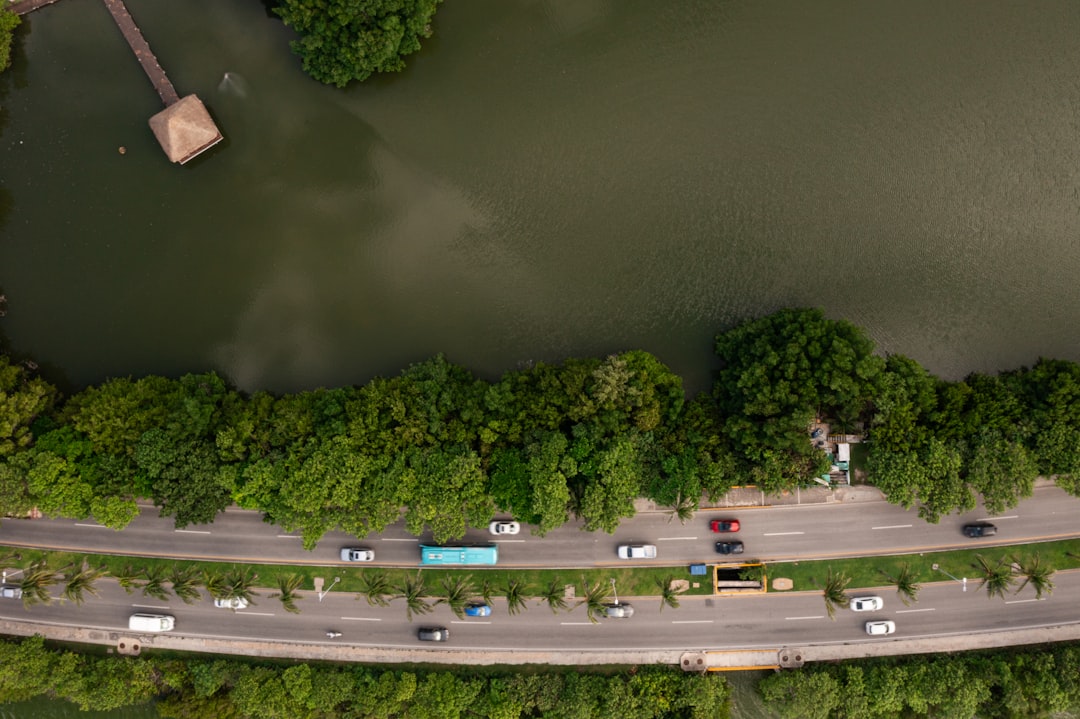
The Panama Canal, a critical artery in global trade, faces unprecedented challenges as a protracted drought triggers severe transit restrictions. This crisis, particularly impactful on agricultural commodities, has sent ripples through international markets, significantly disrupting grain exports and raising concerns about global food security.
The Panama Canal’s operational capacity is inextricably linked to the availability of freshwater, primarily sourced from Gatun Lake. This vast artificial reservoir, formed by damming the Chagres River, acts as a pivotal component of the canal’s lock system. Each transit consumes an immense volume of freshwater, a resource that is now becoming increasingly scarce.
A Century of Dependence on Rain
Since its inauguration in 1914, the Panama Canal has relied on the abundant rainfall of Panama’s tropical climate to replenish Gatun Lake. Historically, this system has been robust, supporting the passage of tens of thousands of vessels annually. However, climate change has introduced a new variable, altering traditional weather patterns and exposing the canal’s vulnerability.
El Niño’s Intensifying Grip
The current drought is not an isolated incident but rather a confluence of meteorological phenomena, exacerbated by the recurring El Niño weather pattern. El Niño, characterized by warmer surface temperatures in the equatorial Pacific Ocean, typically leads to reduced rainfall in Central America. This most recent iteration has been particularly severe, resulting in some of the lowest water levels recorded in Gatun Lake’s history. These declining water levels directly impact the number of daily transits and the permissible draft (how deep a ship can sit in the water) for vessels, creating a bottleneck for global shipping.
The recent crisis surrounding the Panama Canal has raised significant concerns regarding its impact on global grain exports. As the canal serves as a crucial transit route for agricultural commodities, disruptions in its operations could lead to delays and increased shipping costs, ultimately affecting food supply chains worldwide. For a deeper understanding of this issue, you can read more in the related article at My Geo Quest, which explores the implications of the Panama Canal crisis on grain trade and its potential effects on prices and availability.
The Bottleneck: Transit Restrictions and Financial Toll
To conserve water and maintain operational integrity, the Panama Canal Authority (ACP) has implemented a series of progressively stringent transit restrictions. These measures, while necessary, have had profound economic consequences for shipping companies, exporters, and ultimately, consumers worldwide.
Daily Transit Capacity Reduced
The primary restriction involves a significant reduction in the number of daily vessel transits. From a typical average of 36-38 passages per day, the ACP has, at its most extreme, limited transits to as few as 24, with predictions of further reductions to 18 by early 2024. This dramatic decrease creates a substantial backlog of ships awaiting passage, akin to a clogged pipe limiting the flow of vital fluids.
Weight Limits and Draft Restrictions
Beyond the sheer number of transits, the ACP has also imposed draft restrictions, meaning vessels must carry less cargo to lighten their load and prevent grounding in shallower waters. This directly impacts bulk carriers, particularly those laden with grain, which typically operate at near-maximum capacity. Operators are forced to “light load” their vessels, either by leaving cargo behind or by transferring it to smaller ships for partial transit, both of which incur additional costs and delays.
Skyrocketing Freight Costs and Surcharges
The increased demand for limited transit slots has predictably led to a surge in freight costs. Shipping lines, facing longer waiting times and reduced carrying capacity, have implemented various surcharges, including “canal congestion surcharges” and “low water surcharges.” These extra fees are invariably passed down the supply chain, ultimately impacting the final price of commodities. For a perspective, readers should consider the cumulative effect of these surcharges across an entire supply chain, which can render a previously viable trade route economically unfeasible.
The Auction System: A Premium for Expedited Passage
To manage the unprecedented demand, the ACP has also utilized an auction system for certain transit slots. This allows carriers to bid for guaranteed passage, with prices reaching astronomical figures. Reports have indicated successful bids exceeding $2.4 million for a single slot, in addition to the standard transit fees. This “fast pass” system, while offering a solution for time-sensitive cargo, highlights the extreme pressure on the canal and the willingness of some companies to pay a premium to bypass the queues.
The Grain Export Conundrum: A Staple Under Pressure
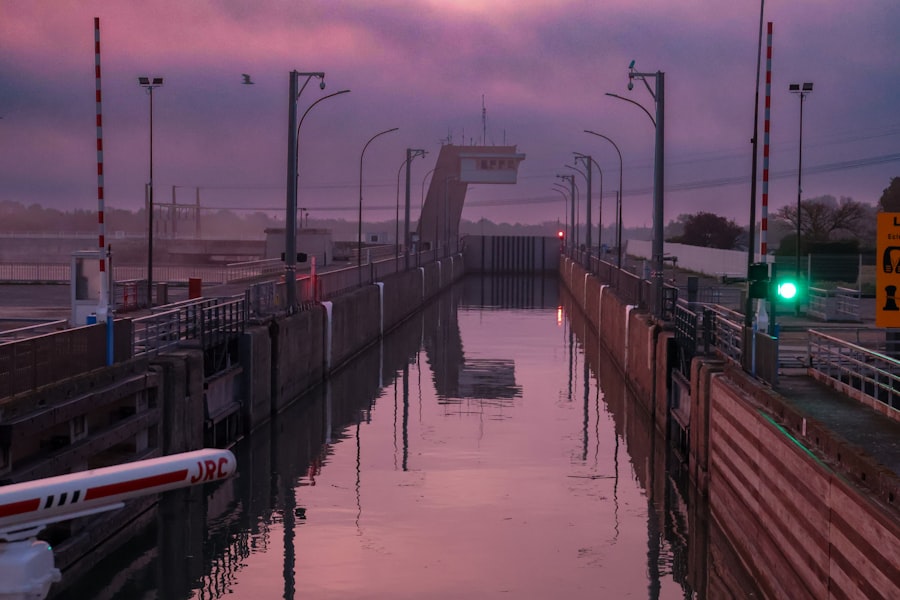
The disruption at the Panama Canal disproportionately affects agricultural commodities, particularly grain exports from the United States and other major producing nations. This is due to the established trade routes that rely heavily on the canal for efficient and cost-effective transportation to lucrative Asian markets.
The US Gulf Coast: A Primary Casualty
The United States, a leading exporter of corn, soybeans, and wheat, utilizes the Mississippi River system and the US Gulf Coast as a major export hub. A significant portion of these grains, destined for markets in China, Japan, Korea, and other Southeast Asian nations, traditionally traverses the Panama Canal. The current restrictions, therefore, act as a choke point for a substantial segment of global grain trade. Consider the US Gulf Coast as the mouth of a funnel, with the Panama Canal acting as the narrow spout. When the spout is restricted, the flow from the mouth is inevitably hindered.
Diversion to Alternative Routes: Longer, Costlier, Less Efficient
With the Panama Canal’s capacity severely limited, shipping companies are being forced to explore alternative routes. The most prominent alternative is the longer journey via the Suez Canal or, for some, the even more arduous circumnavigation of the Cape of Good Hope. These alternative routes add weeks to transit times, significantly increase fuel consumption, and incur higher insurance premiums.
The Suez Canal: An Imperfect Substitute
While the Suez Canal offers an alternative, it is not without its own challenges. It adds substantial distance and time to voyages from the US Gulf to Asia. Furthermore, the Suez Canal also has its own peak periods and potential for congestion, especially with increased traffic diverted from Panama.
The Cape of Good Hope: A Journey of Endurance
The circumnavigation of the Cape of Good Hope, a route largely abandoned for containerized shipping after the advent of the Panama and Suez Canals, represents the most extreme diversion. This extended voyage, fraught with potential for adverse weather conditions, significantly increases shipping costs and transit times, making it an economically unviable option for many bulk grain shipments unless absolutely necessary.
Impact on Futures Markets and Global Food Prices
The uncertainty surrounding grain shipments has inevitably impacted global futures markets. Traders, anticipating potential supply disruptions and increased transportation costs, have reacted by adjusting prices. While the immediate impact on retail food prices may not be uniformly felt globally due to existing inventories and diversified supply chains, a sustained crisis could lead to inflationary pressures on staple food items, particularly in nations heavily reliant on imported grains. Analysts are carefully monitoring the situation, comparing it to previous supply shocks to gauge the potential for widespread market volatility.
Broader Economic Repercussions and Geopolitical Implications
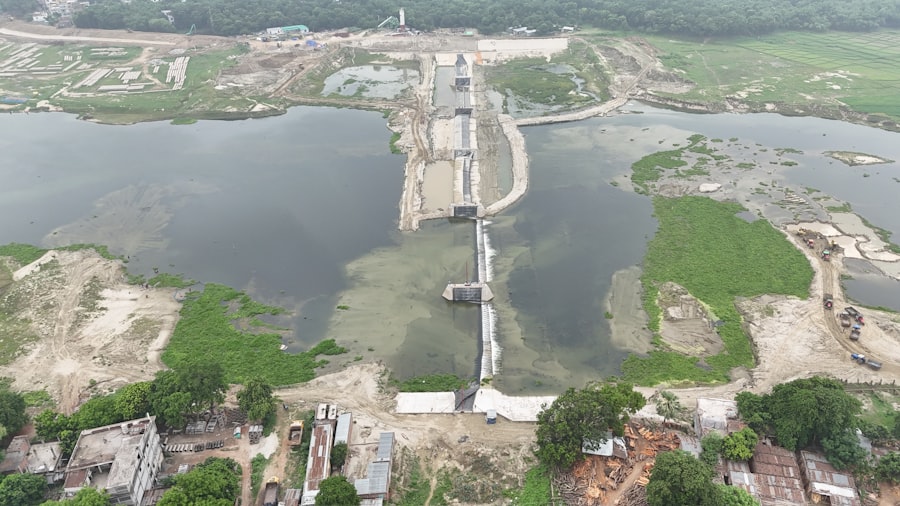
The Panama Canal crisis extends beyond the immediate impact on grain exports, generating broader economic challenges and even geopolitical considerations. The interconnectedness of global supply chains means that a disruption in one critical node has ripple effects across multiple sectors.
Supply Chain Resilience Under Scrutiny
The crisis serves as a stark reminder of the fragility of global supply chains and the critical need for resilience. Companies that have historically optimized for just-in-time delivery and relied on the efficiency of routes like the Panama Canal are now confronting the vulnerabilities inherent in such systems. This situation encourages a reevaluation of sourcing strategies and the potential for greater regionalization of production and consumption.
The Environmental Paradox: Fuel Consumption and Emissions
While the canal’s restrictions are driven by environmental factors (drought, linked to climate change), the alternative routes being utilized have their own environmental footprint. Longer voyages translate to increased fuel consumption and, consequently, higher greenhouse gas emissions. This presents a nuanced dilemma, where efforts to conserve water in one region inadvertently contribute to increased emissions elsewhere.
Panama’s Economic Health and Future Investments
The Panama Canal is the single largest contributor to Panama’s economy. The reduced transits and associated revenues will inevitably impact the nation’s fiscal health and its capacity for future infrastructure investments. The ACP has initiated studies into various long-term solutions, including freshwater reservoirs and advanced water management techniques, but these are multi-year projects requiring substantial investment. The current crisis underscores the urgency of these long-term strategic plans.
The recent crisis surrounding the Panama Canal has raised significant concerns regarding its impact on global grain exports, as the canal serves as a crucial transit route for agricultural goods. A related article explores how disruptions in this vital shipping lane could lead to increased shipping costs and delays, ultimately affecting food prices worldwide. For more insights on this topic, you can read the full article here.
Looking Ahead: Solutions and Adaptations
| Year | Grain Export Volume (Million Metric Tons) | Impact on Export Time (Days) | Estimated Export Delay (%) | Notes |
|---|---|---|---|---|
| 2019 | 45 | 0 | 0% | Baseline year before crisis |
| 2020 | 42 | 5 | 10% | Initial disruptions due to canal congestion |
| 2021 | 38 | 12 | 25% | Peak of Panama Canal crisis, significant delays |
| 2022 | 40 | 7 | 15% | Partial recovery with ongoing delays |
| 2023 | 44 | 2 | 5% | Near normalization of export times |
The Panama Canal crisis is not merely a temporary inconvenience; it signals a fundamental shift in the operational parameters of this vital waterway. Long-term solutions and adaptive strategies are paramount to ensuring the canal’s continued viability and minimizing future disruptions to global trade.
Investing in Water Infrastructure
A primary focus for the ACP is the development of new water sources and improved water management systems. This includes exploring options for additional reservoirs, desalination plants, and advanced water recycling technologies. These projects, however, are complex, costly, and politically sensitive, requiring significant planning and execution over many years.
Technological Advancements and Operational Efficiency
The ACP is continuously exploring technological advancements to optimize water usage within the existing lock system. This includes investments in real-time hydrological modeling, more precise water level management, and potentially even adapting individual locks to operate with greater efficiency during periods of low water.
Diversification of Shipping Routes and Supply Chains
For shippers and exporters, the crisis necessitates a re-evaluation of route dependencies. While the Panama Canal remains the most efficient option for many trade lanes, the current situation highlights the importance of having contingency plans and exploring alternative shipping routes, even if they incur higher costs or longer transit times. This diversification strategy, while potentially increasing overall logistics costs, builds resilience into supply chains.
The Role of Climate Change Mitigation
Ultimately, the Panama Canal crisis serves as a potent microcosm of the broader impacts of climate change. Addressing the root causes of climate change through global emissions reductions and sustainable environmental practices is critical not only for the canal’s long-term future but for the stability of global ecosystems and economies worldwide. Unless humanity grapples with the underlying shift in planetary weather patterns, localized crises of resource scarcity and operational disruption are likely to become increasingly frequent and severe, creating a future where the current canal crisis may seem like a mere prelude.
Readers should understand that the Panama Canal, a human triumph of engineering, is now at the forefront of the climate change battle. Its future, and by extension, the future of global trade routes dependent on it, hinges on a combination of innovative engineering, strategic investment, and a collective global commitment to addressing the pressing challenges of a changing climate.
FAQs
What was the Panama Canal crisis?
The Panama Canal crisis refers to a period of political and operational disruptions affecting the Panama Canal, which is a critical maritime route connecting the Atlantic and Pacific Oceans. These disruptions can include labor strikes, political conflicts, or infrastructure issues that impact the canal’s functioning.
How does the Panama Canal affect grain exports?
The Panama Canal is a vital shipping route for grain exports, especially for countries in the Americas. It significantly reduces the travel distance and time for vessels transporting grain from producers to global markets, thereby lowering shipping costs and improving delivery efficiency.
What impact did the Panama Canal crisis have on grain export shipping times?
During the Panama Canal crisis, shipping times for grain exports increased due to delays and congestion at the canal. Vessels had to wait longer to transit or reroute around alternative, longer paths such as the Cape Horn, leading to slower delivery schedules.
Did the Panama Canal crisis affect grain export prices?
Yes, the crisis contributed to increased shipping costs and logistical uncertainties, which in turn affected grain export prices. Higher transportation expenses and delays often led to increased prices for grain in importing countries and reduced competitiveness for exporters.
What measures were taken to mitigate the impact of the Panama Canal crisis on grain exports?
To mitigate the impact, exporters and shipping companies sought alternative routes, adjusted shipping schedules, and increased storage capacities. Additionally, some countries diversified their export ports and transportation methods to reduce reliance on the Panama Canal during the crisis.