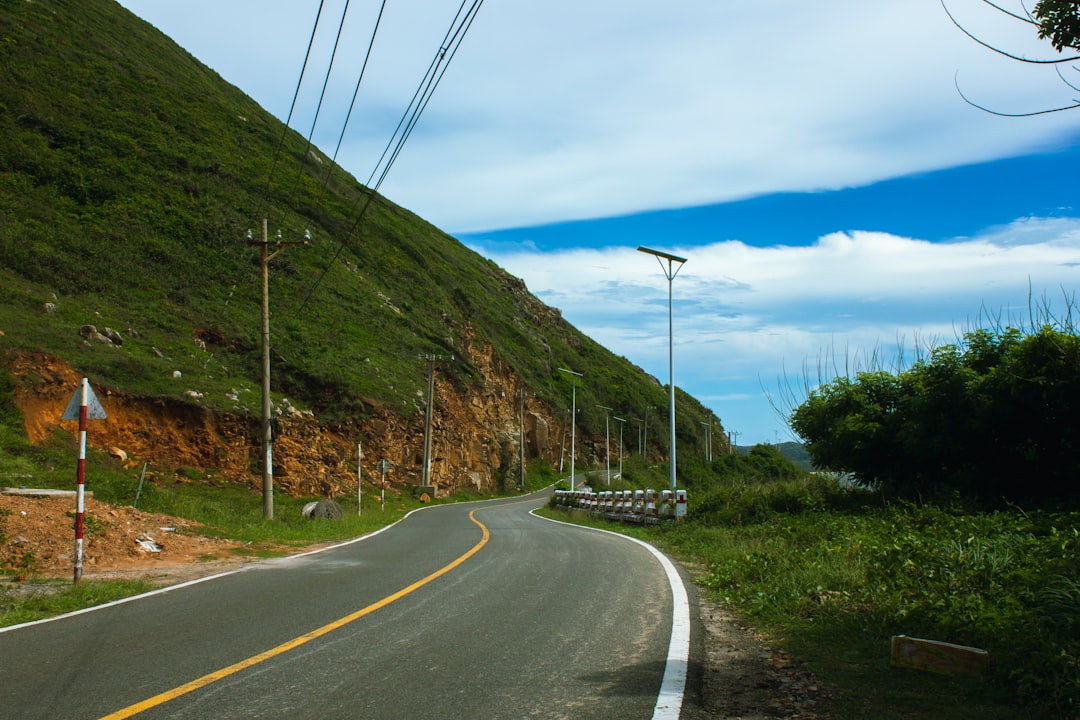
The Pan-American Highway is a network of roads spanning approximately 19,000 miles across North and South America. This transportation system connects multiple countries from Alaska in the north to Argentina in the south, facilitating international trade, tourism, and movement of people between nations. The highway crosses various geographical regions, including arctic tundra, temperate forests, deserts, and tropical areas, encompassing diverse climatic zones and ecosystems throughout the Americas.
The highway system serves as a critical transportation corridor for commercial and passenger traffic between participating countries. It supports regional economic activity by enabling the movement of goods and services across international borders and provides access to remote communities along its route. A significant discontinuity exists in the highway system known as the Darién Gap, located along the Panama-Colombia border.
This approximately 60-mile section consists of dense rainforest, swampland, and mountainous terrain that remains undeveloped for vehicular traffic. The gap requires travelers to use alternative transportation methods, such as shipping vehicles by boat or flying, to continue their journey between North and South America. This break in the highway presents logistical challenges for overland transportation and represents one of the primary infrastructure gaps in the inter-American road network.
Key Takeaways
- The Pan-American Highway features a significant break that disrupts continuous travel.
- This break causes major traffic delays and complicates emergency response efforts.
- Alternative routes have been established to help drivers navigate around the break.
- Repair and long-term solutions are underway to restore full connectivity and minimize economic impact.
- Environmental considerations are integral to planning future improvements along the highway.
Description of the Major Break
The Darién Gap is a unique geographical feature that has garnered attention for its challenging terrain and ecological significance. Spanning approximately 100 miles, this stretch of land is characterized by thick rainforests, swamps, and mountainous regions that make it nearly impossible to construct a continuous roadway. The dense vegetation and diverse wildlife create a natural barrier that has thwarted efforts to build a road through this area for decades.
As a result, travelers must find alternative means to navigate this impasse, often resorting to air or sea transport to bypass the gap. The break in the Pan-American Highway has significant implications for transportation and trade between the Americas. While the highway facilitates efficient movement across vast distances, the Darién Gap disrupts this flow, forcing goods and travelers to take longer routes or utilize different modes of transportation altogether.
This situation not only complicates logistics but also increases costs for businesses reliant on timely deliveries. The gap serves as a reminder of the challenges inherent in creating a unified transportation network across diverse landscapes and ecosystems.
Impacts on Traffic

The existence of the Darién Gap has profound implications for traffic patterns along the Pan-American Highway. With no direct road connecting Panama and Colombia, traffic is diverted to alternative routes that can be significantly longer and more complex. This diversion often leads to congestion at border crossings, where vehicles must undergo customs checks and inspections before continuing their journey.
As a result, travel times can increase dramatically, frustrating both commercial transporters and individual travelers. Moreover, the lack of a continuous roadway through the Darién Gap has led to an increase in reliance on maritime transport for goods moving between North and South America. Shipping routes have become essential for businesses seeking to maintain supply chains across borders.
However, this shift also introduces new challenges, such as increased shipping costs and potential delays due to weather conditions or port congestion. The impact on traffic extends beyond mere inconvenience; it affects economic efficiency and can hinder trade relationships between nations.
Emergency Response
In light of the challenges posed by the Darién Gap, emergency response efforts in the region require careful planning and coordination. The dense jungle environment presents unique obstacles for first responders, who must navigate difficult terrain to reach those in need. Natural disasters such as landslides or flooding can further complicate rescue operations, making it imperative for local authorities to develop comprehensive emergency response strategies that account for these challenges.
Collaboration among various agencies is crucial in ensuring effective emergency response in this region. Local governments, non-governmental organizations, and international bodies must work together to establish communication networks and logistical support systems that can be activated in times of crisis. Training programs for first responders that focus on navigating challenging environments can also enhance preparedness and response capabilities.
Alternative Routes for Drivers
| Metric | Details |
|---|---|
| Location of Break | Darién Gap, between Panama and Colombia |
| Length of Break | Approximately 100 km (62 miles) |
| Terrain | Dense rainforest, swamps, and mountainous regions |
| Reason for Break | Environmental protection and difficult terrain |
| Impact on Travel | Interrupts continuous road travel from Alaska to Argentina |
| Alternative Transport | Boat or air travel to bypass the gap |
| Attempts to Build Road | Multiple proposals, none completed due to environmental and political concerns |
Given the impassable nature of the Darién Gap, drivers seeking to traverse between North and South America must explore alternative routes that circumvent this challenging terrain. One common option is to utilize maritime transport services that ferry vehicles across the gap via boat. This method allows travelers to bypass the dense jungle while still connecting with their intended destinations on either side of the break.
In addition to maritime options, some adventurous travelers opt for overland routes that involve crossing through Central America before reaching their final destination. These routes may include navigating through countries such as Costa Rica or Nicaragua, which can offer scenic views and unique cultural experiences along the way. However, these alternatives often come with their own set of challenges, including varying road conditions and potential safety concerns in certain regions.
As such, drivers must carefully consider their options and plan their journeys accordingly.
Communication with Drivers

Effective communication with drivers navigating around the Darién Gap is essential for ensuring safety and efficiency during their travels. Authorities must provide up-to-date information regarding road conditions, border crossing requirements, and available transportation options to help drivers make informed decisions. Utilizing technology such as mobile apps or social media platforms can facilitate real-time communication with travelers, allowing them to receive timely updates on any changes or developments that may impact their journey.
Moreover, clear signage along alternative routes can guide drivers through unfamiliar territories while providing essential information about rest stops, fuel stations, and potential hazards. Engaging local communities in these efforts can also enhance communication efforts by leveraging their knowledge of regional conditions and resources. By fostering open lines of communication with drivers, authorities can help mitigate risks associated with navigating around the Darién Gap while promoting safer travel experiences.
Repair Efforts
While the Darién Gap remains an enduring challenge for the Pan-American Highway, ongoing discussions about potential repair efforts continue to surface. Various stakeholders have proposed solutions ranging from constructing a road through the gap to enhancing existing transportation infrastructure in surrounding areas. However, any proposed repairs must carefully consider environmental impacts and local communities’ needs to ensure sustainable development.
Environmental concerns play a significant role in discussions surrounding repair efforts in the Darién Gap. The region is home to diverse ecosystems that support numerous species of flora and fauna, many of which are endemic to this area. Any construction project would need to undergo rigorous environmental assessments to evaluate potential impacts on wildlife habitats and local biodiversity.
Engaging with environmental organizations and local communities can help ensure that repair efforts align with conservation goals while addressing transportation needs.
Long-term Solutions
In seeking long-term solutions for addressing the challenges posed by the Darién Gap, stakeholders must adopt a holistic approach that considers both infrastructure development and environmental sustainability. One potential avenue involves investing in alternative transportation methods such as rail systems or improved ferry services that could alleviate some pressure on existing road networks while providing efficient means of transport across challenging terrains. Additionally, fostering regional cooperation among countries along the Pan-American Highway can facilitate collaborative efforts toward developing comprehensive transportation strategies that address shared challenges.
By pooling resources and expertise, nations can work together to create innovative solutions that enhance connectivity while respecting local ecosystems and communities.
Economic Impact
The economic implications of the Darién Gap extend far beyond transportation logistics; they also encompass broader trade relationships between nations in North and South America. The inability to traverse this section of the Pan-American Highway efficiently can lead to increased costs for businesses reliant on cross-border trade, ultimately affecting prices for consumers as well. Moreover, tourism opportunities may be hindered by the challenges posed by the gap.
Travelers seeking adventure along the Pan-American Highway may be deterred by logistical complexities associated with navigating around this break. As a result, local economies that rely on tourism may miss out on potential revenue streams that could contribute to their growth and development.
Environmental Impact
The environmental impact of any proposed solutions for addressing the Darién Gap cannot be overlooked. The region’s rich biodiversity is at risk if infrastructure development is not approached with caution and respect for local ecosystems.
To mitigate these risks, stakeholders must prioritize sustainable practices that protect natural resources while enhancing connectivity. This may involve implementing eco-friendly construction techniques or establishing protected areas that preserve critical habitats alongside transportation corridors. By balancing development needs with environmental stewardship, it is possible to create solutions that benefit both people and nature.
Conclusion and Future Considerations
The Pan-American Highway remains an iconic symbol of connectivity across two continents; however, its challenges—particularly those posed by the Darién Gap—underscore the complexities involved in maintaining such an extensive network of roads. As discussions about repair efforts and long-term solutions continue, it is essential for stakeholders to consider not only economic implications but also environmental sustainability and community needs. Looking ahead, fostering collaboration among nations along the highway will be crucial in addressing these challenges effectively.
By prioritizing open communication channels with drivers, investing in alternative transportation methods, and engaging local communities in decision-making processes, stakeholders can work toward creating a more resilient transportation network that benefits all who rely on it. Ultimately, finding solutions for the Darién Gap will require a commitment to innovation, cooperation, and respect for both people and nature as they navigate this complex landscape together.
The Pan-American Highway is a fascinating topic that connects various cultures and landscapes across the Americas. For those interested in exploring more about this extensive network of roads, you can read a related article that delves into its history and significance. Check it out here: My Geo Quest.
FAQs
What is the Pan-American Highway?
The Pan-American Highway is a network of roads stretching from Prudhoe Bay, Alaska, in North America to Ushuaia, Argentina, in South America. It is considered the world’s longest motorable road, covering approximately 19,000 miles (30,000 kilometers).
Where is the break in the Pan-American Highway?
The most notable break in the Pan-American Highway is the Darién Gap, a dense jungle region located between Panama and Colombia. This area lacks a continuous road connection, making it impossible to drive directly between Central and South America.
Why is there a break in the Pan-American Highway at the Darién Gap?
The Darién Gap is a challenging environment characterized by dense rainforest, swamps, and mountainous terrain. Additionally, concerns about environmental preservation, indigenous communities, and security issues have prevented the construction of a highway through this region.
Can you travel through the Darién Gap by vehicle?
No, there is no road through the Darién Gap, so it is not possible to drive through this area. Travelers typically use boats or flights to bypass the gap when moving between Panama and Colombia.
Are there any plans to complete the Pan-American Highway through the Darién Gap?
There have been discussions and proposals over the years to build a road through the Darién Gap, but no concrete plans have been implemented due to environmental, social, and logistical challenges.
How do travelers usually cross between Panama and Colombia?
Most travelers cross between Panama and Colombia by taking a boat along the coast or flying between cities such as Panama City and Bogotá or Cartagena.
Is the Pan-American Highway fully paved?
While much of the Pan-American Highway is paved, some sections, especially in remote or mountainous areas, may be unpaved or in poor condition. The Darién Gap remains the only major interruption without any road.
What is the significance of the Pan-American Highway?
The Pan-American Highway is significant for connecting multiple countries across two continents, facilitating trade, tourism, and cultural exchange. It is also a popular route for adventurous travelers and overlanders.