
Oregon stands as a significant player in the global hazelnut market, cultivating a substantial portion of the world’s supply. The state’s agricultural landscape has become synonymous with this versatile nut, leading to a robust industry with far-reaching economic and environmental implications. Its dominance is not a matter of chance but a result of deliberate cultivation practices, favorable environmental conditions, and strategic market development.
The story of Oregon’s hazelnut industry is one of determined agricultural development and a response to shifting global demands. While hazelnuts have a long history in other parts of the world, their significant cultivation in Oregon is a more recent phenomenon, born from a desire to diversify agricultural offerings and capitalize on emerging market trends.
Early Adaptations and the Search for Viable Crops
Oregon’s agricultural history is marked by periods of adaptation. Farmers, recognizing the economic limitations of certain traditional crops, began exploring alternatives that could thrive in the state’s unique climate. The Pacific Northwest, with its mild, wet winters and warm, dry summers, proved to be a fertile ground for various horticultural endeavors.
The Hazelnut’s Introduction and Cultivation Breakthroughs
The hazelnut, a nut genus native to Europe and Western Asia, found its niche in Oregon through careful selection and breeding. Early efforts focused on identifying hazelnut varieties that could withstand the region’s specific microclimates and soil conditions. This involved significant research and development, often driven by individual farmers and agricultural extension programs. The commitment to finding the right varieties laid the groundwork for future success.
The Role of the Agricultural Extension Service
The Oregon State University Extension Service played a crucial role in disseminating knowledge and best practices related to hazelnut cultivation. They provided farmers with scientific data, recommended cultivars, disease management strategies, and market insights. This institutional support was instrumental in standardizing cultivation techniques and ensuring a consistent, high-quality product.
Oregon’s hidden dominance in the global hazelnut industry is a fascinating topic that highlights the state’s unique agricultural advantages and the growing demand for this nut worldwide. For a deeper understanding of the factors contributing to Oregon’s success in hazelnut production, you can explore a related article that delves into the region’s climate, soil conditions, and innovative farming practices. To read more about this intriguing subject, visit this article.
Environmental Factors Conducive to Hazelnut Growth
Oregon’s terroir is perhaps the most critical element underpinning its hazelnut dominance. The state possesses a unique combination of climatic and geological features that are exceptionally well-suited for hazelnut production.
The Pacific Northwest Climate: A Hazelnut Haven
The defining characteristic of Oregon’s hazelnut-growing regions is its Mediterranean-like climate. This climate typically features mild, wet winters, which provide essential moisture for the trees, and warm, dry summers, which are crucial for nut maturation and harvesting. The lack of extreme temperature fluctuations, particularly severe frosts during the growing season, minimizes damage to the trees and developing nuts.
- Rainfall Patterns: The consistent winter rainfall is absorbed by the soil, reducing the need for extensive irrigation during the dry summer months. This natural advantage not only conserves water but also lowers production costs for farmers.
- Temperature Extremes: The absence of prolonged periods of intense heat or deep freezes prevents physiological stress on the hazelnut trees. This stability allows for predictable yields and reduces the risk of crop loss.
- Sunlight Exposure: The long daylight hours during the summer months contribute to optimal photosynthesis, promoting robust tree growth and the development of high-quality kernels.
Soil Composition and Drainage
The soils found in Oregon’s hazelnut-growing valleys are often ideal for hazelnut cultivation. These soils are typically well-drained, which is a critical factor for hazelnut trees as they are susceptible to root rot if waterlogged. Loamy and sandy-loam soils with a slightly acidic to neutral pH are particularly favored.
- Nutrient Content: While hazelnuts are not overly demanding in terms of soil nutrients, the naturally occurring minerals in Oregon’s soils provide a supportive foundation for healthy tree development.
- Root System Health: Good drainage prevents the accumulation of excess moisture around the roots, thereby reducing the incidence of fungal diseases and ensuring efficient nutrient uptake.
Geographic Suitability and Microclimates
Specific regions within Oregon have proven exceptionally suited for hazelnut cultivation. The Willamette Valley, in particular, is renowned for its ideal combination of climate and soil. Within this valley, localized microclimates can further enhance growing conditions.
- Valley Floors: The sheltered valley floors often experience less wind and more consistent temperatures, which are beneficial for nut development.
- Proximity to Water Sources: While natural rainfall is often sufficient, the accessibility to water bodies can provide a safeguard against prolonged drought years, ensuring consistent production.
Cultivar Selection and Agricultural Practices
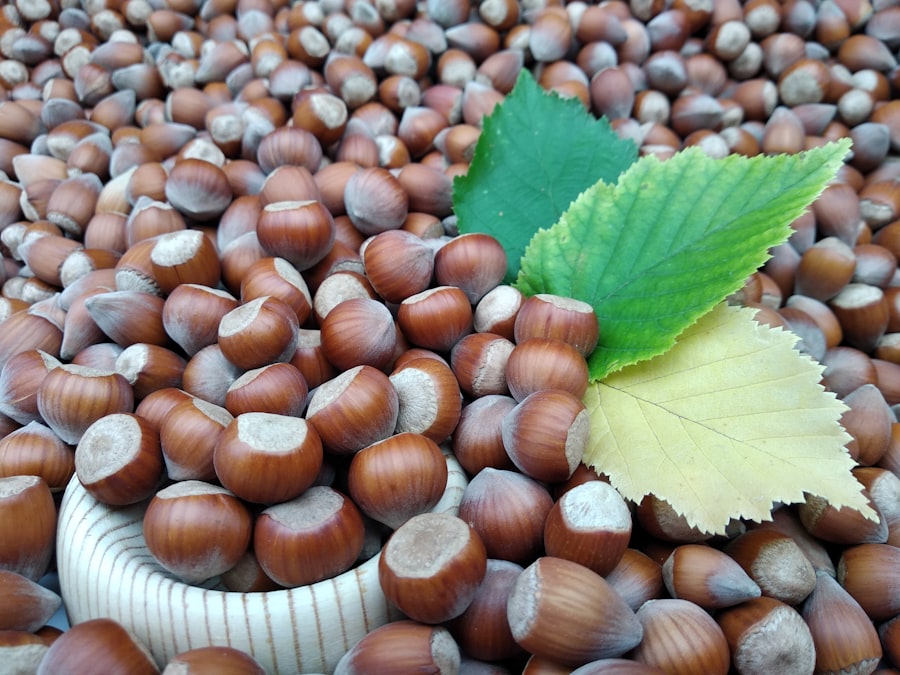
The success of Oregon’s hazelnut industry is also a testament to the careful selection of hazelnut cultivars and the implementation of sophisticated agricultural practices. This focus on quality and efficiency has allowed Oregon to consistently produce a superior product.
Dominant Cultivars and Their Attributes
Several hazelnut cultivars have been extensively planted in Oregon, each chosen for its specific desirable traits, including yield, disease resistance, hulling characteristics, and kernel quality.
- Barcelona: Historically, the Barcelona variety has been a cornerstone of Oregon’s hazelnut industry. It is known for its large nuts and good yields, though it can be susceptible to certain diseases.
- Tonda de Giffoni: This Italian cultivar offers improved disease resistance and a good kernel-to-shell ratio, making it an increasingly popular choice.
- Jefferson: A newer variety, Jefferson, has gained prominence due to its excellent disease resistance and high-quality kernels, often favored for confectionery uses.
- York: Developed for its self-pollinating capabilities and resistance to eastern filbert blight, York contributes to the diversification and resilience of Oregon’s orchards.
Pollination Strategies: A Crucial Element
Hazelnuts are wind-pollinated, and successful nut set relies on cross-pollination between compatible varieties. Oregon growers meticulously manage their orchards to ensure optimal pollination, as this directly impacts the yield and quality of the hazelnut crop.
- Interplanting Varieties: Orchards are typically planted with a mix of complementary cultivars to ensure sufficient pollen availability.
- Timing of Bloom: Understanding the blooming periods of different varieties is essential for successful cross-pollination. Growers often monitor these windows closely.
- Wind Patterns: Leveraging natural wind patterns is key. Orchard layouts are often designed to take advantage of prevailing winds to facilitate pollen dispersal.
Disease and Pest Management: A Proactive Approach
The agricultural community in Oregon prioritizes proactive disease and pest management to protect its hazelnut orchards. The primary threat in recent decades has been the Eastern Filbert Blight (EFB), a fungal disease that can devastate hazelnut trees.
- Eastern Filbert Blight (EFB) Resistance: The development and adoption of EFB-resistant cultivars have been a major achievement. This has significantly reduced the reliance on chemical treatments and increased the long-term viability of hazelnut farming.
- Integrated Pest Management (IPM): Growers employ IPM strategies that combine biological controls, cultural practices, and targeted chemical applications when necessary. This minimizes environmental impact and promotes sustainable farming.
- Monitoring and Early Detection: Regular monitoring of orchards for signs of disease or pest infestation allows for early intervention, preventing widespread damage.
The Economic Impact and Global Reach of Oregon Hazelnuts

Oregon’s hazelnut industry is a significant economic driver for the state, contributing to job creation, export revenue, and the vitality of rural communities. Its global reach ensures a consistent demand for its premium product.
Contribution to Oregon’s Economy
The hazelnut sector generates substantial revenue through direct sales, processing, and related industries. It provides employment opportunities for farmers, farmworkers, processors, and those involved in logistics and marketing.
- Job Creation: From planting and harvesting to shelling, processing, and distribution, the hazelnut industry supports a wide range of jobs throughout the agricultural supply chain.
- Diversification of Agriculture: Hazelnuts contribute to the economic diversification of Oregon’s agricultural sector, reducing reliance on a limited number of crops and increasing overall economic resilience.
- Rural Community Support: Many hazelnut farms are located in rural areas, where they serve as anchors for local economies, supporting businesses and services within these communities.
Export Markets and International Demand
Oregon is a net exporter of hazelnuts, supplying a significant portion of the global demand. Its reputation for quality and consistency makes its hazelnuts highly sought after in international markets, particularly in Europe and Asia.
- European Markets: European countries, with their established confectionery industries, are major consumers of Oregon hazelnuts. Their premium quality is recognized and valued in these discerning markets.
- Asian Markets: Demand from Asian countries, specifically for snacking and culinary applications, has been steadily growing, further expanding the global footprint of Oregon hazelnuts.
- Food Industry Integration: Oregon hazelnuts are a key ingredient in a vast array of products globally, including chocolates, pastries, spreads, ice creams, and savory dishes. This widespread integration fuels consistent international demand.
The Role of Cooperatives and Marketing Organizations
Industry-wide efforts through cooperatives and marketing organizations have been pivotal in establishing Oregon’s global presence. These entities facilitate market access, promote the “Oregon Hazelnut” brand, and engage in research and advocacy.
- Oregon Hazelnut Commission: This commission plays a vital role in research, promotion, and education, working to enhance the industry’s competitiveness and sustainability.
- Farmer Cooperatives: Cooperatives enable smaller growers to pool resources, negotiate better prices for inputs, and access wider markets collectively, increasing their market power.
- Brand Recognition and Quality Assurance: These organizations work to establish and maintain a strong reputation for Oregon hazelnuts, emphasizing their superior quality, food safety, and sustainable production practices.
Oregon’s hidden dominance in the global hazelnut industry is a fascinating topic that highlights the state’s unique agricultural advantages and commitment to quality. For those interested in exploring this subject further, a related article can provide deeper insights into how Oregon has become a key player in hazelnut production and the factors contributing to its success. You can read more about it in this insightful piece here.
Challenges and Future Prospects of Oregon’s Hazelnut Industry
| Year | Global Hazelnut Production (metric tons) | Oregon’s Hazelnut Production (metric tons) | Oregon’s Market Share |
|---|---|---|---|
| 2010 | 365,000 | 38,000 | 10.4% |
| 2015 | 420,000 | 52,000 | 12.4% |
| 2020 | 500,000 | 65,000 | 13% |
While Oregon enjoys a dominant position, the hazelnut industry, like any agricultural sector, faces ongoing challenges. Addressing these issues will be crucial for ensuring continued success and further solidifying its global standing.
Climate Change and its Potential Impacts
The long-term effects of climate change pose a significant concern for the agricultural sector globally, and hazelnut production in Oregon is not immune. Shifts in weather patterns, including increased frequency of extreme weather events, could impact yields and necessitate adaptive strategies.
- Water Scarcity: While Oregon currently benefits from natural rainfall, prolonged droughts could strain water resources, requiring more investment in efficient irrigation technologies.
- Temperature Fluctuations: Unpredictable temperature swings, such as late frosts or unseasonably warm spells during critical growth stages, could affect flowering and nut development.
- Shifting Pest and Disease Dynamics: Climate change can alter the geographical range and intensity of pests and diseases, requiring continuous vigilance and adaptation in management strategies.
Market Volatility and Global Competition
The global hazelnut market is subject to price fluctuations influenced by supply and demand dynamics, as well as competition from other producing regions. Maintaining a competitive edge requires continuous innovation and efficiency.
- International Competition: While Oregon holds a strong position, other countries, particularly Turkey, are major hazelnut producers. Oregon must continually differentiate itself through quality and sustainability.
- Price Sensitivity: Consumers and food manufacturers are often price-sensitive, creating a need for efficient production methods to remain competitive.
- Geopolitical Factors: Global trade policies, tariffs, and geopolitical events can influence market access and pricing, requiring growers and industry leaders to remain adaptable.
Innovations in Cultivation and Sustainability
The future of Oregon’s hazelnut dominance hinges on embracing innovative cultivation techniques and maintaining a strong commitment to sustainability. Continuous improvement in these areas will ensure long-term viability and appeal to environmentally conscious consumers.
- Precision Agriculture: The adoption of precision agriculture technologies, such as sensors, drones, and data analytics, can optimize resource use (water, fertilizer) and improve overall orchard management.
- Breeding Programs for Enhanced Resilience: Ongoing research and breeding programs are focused on developing new hazelnut varieties that are even more resistant to diseases, tolerant to climate variability, and possess superior kernel quality.
- Sustainable Water Management: Implementing advanced water conservation techniques, such as drip irrigation and soil moisture monitoring, will be crucial for adapting to potential water scarcity.
- Biodiversity Initiatives: Encouraging biodiversity within and around orchards can enhance natural pest control and contribute to a healthier ecosystem, further strengthening the sustainability of the industry.
Oregon’s position as a global leader in hazelnut production is a remarkable achievement, built on a foundation of favorable environmental conditions, dedicated agricultural innovation, and strategic market development. The state’s commitment to quality, sustainability, and continuous improvement is poised to ensure its continued prominence in the international market for years to come.
FAQs
What is the global hazelnut industry?
The global hazelnut industry refers to the production, processing, and distribution of hazelnuts worldwide. Hazelnuts are a popular nut used in various food products and are grown in several countries around the world.
How dominant is Oregon in the global hazelnut industry?
Oregon is the leading producer of hazelnuts in the United States and the third-largest producer of hazelnuts in the world, behind Turkey and Italy. The state’s Willamette Valley is particularly well-suited for hazelnut cultivation, and Oregon’s hazelnuts are highly regarded for their quality.
What factors contribute to Oregon’s dominance in the hazelnut industry?
Oregon’s dominance in the hazelnut industry can be attributed to several factors, including the state’s ideal climate and soil conditions for hazelnut cultivation, as well as the presence of research institutions and industry organizations that support the development of the hazelnut industry.
How are Oregon’s hazelnuts distributed globally?
Oregon’s hazelnuts are distributed globally through various channels, including direct exports to international markets, as well as through partnerships with global food manufacturers and distributors. The state’s hazelnut industry has a strong presence in both the retail and wholesale sectors.
What are the economic impacts of Oregon’s hazelnut industry?
The hazelnut industry is a significant contributor to Oregon’s economy, generating millions of dollars in revenue and providing employment opportunities for thousands of people. The industry also supports related sectors such as food processing, transportation, and marketing, further contributing to the state’s economic growth.