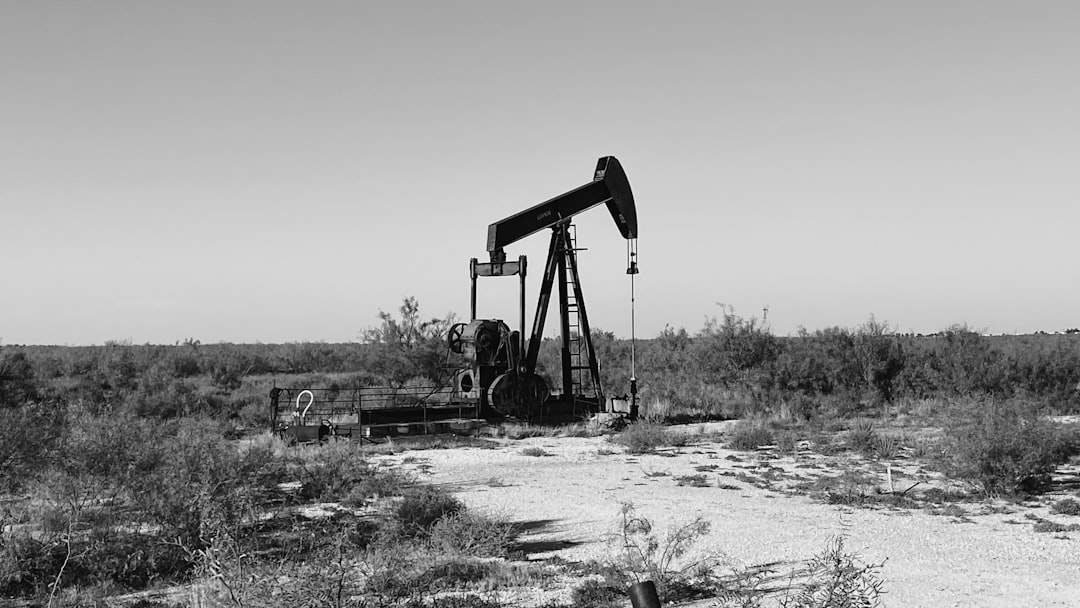
The Strategic Petroleum Reserve (SPR) is a crucial component of the United States’ energy security strategy. Established in the 1970s in response to the oil embargo, the SPR serves as an emergency stockpile of crude oil, designed to mitigate the impact of supply disruptions. The reserve is maintained by the Department of Energy and is located in underground salt caverns along the Gulf Coast.
With a capacity of over 700 million barrels, it stands as the largest emergency oil supply in the world. The primary purpose of the SPR is to provide a buffer against unforeseen events that could disrupt oil supplies, such as natural disasters, geopolitical tensions, or significant market fluctuations. Understanding the SPR’s role requires an appreciation of its operational framework.
The reserve is not merely a stockpile; it is a strategic asset that can be tapped into during crises to stabilize markets and ensure that the economy continues to function smoothly. The decision to release oil from the SPR is not taken lightly and involves a comprehensive assessment of various factors, including current market conditions, domestic consumption needs, and international obligations. The SPR’s existence underscores the importance of preparedness in energy policy, highlighting the need for a proactive approach to managing national resources.
Key Takeaways
- The Strategic Petroleum Reserve (SPR) is a government-owned stockpile of crude oil used to mitigate the impact of disruptions in oil supplies.
- The need for a release from the SPR is assessed based on factors such as supply disruptions, severe weather events, or geopolitical tensions.
- The quantity to release from the SPR is determined based on the severity of the supply disruption and the potential impact on the market.
- The timing of the release from the SPR is selected to minimize market disruption and stabilize prices.
- The market impact of a release from the SPR is analyzed to ensure that it achieves its intended effect without causing unintended consequences.
Assessing the Need for a Release
Determining when to release oil from the SPR involves a careful evaluation of both domestic and global circumstances. A significant factor in this assessment is the state of the oil market. For instance, if there is a sudden spike in oil prices due to geopolitical tensions or natural disasters affecting production, it may prompt officials to consider a release.
Additionally, domestic consumption patterns play a critical role; if refineries are unable to meet demand due to supply chain disruptions, releasing oil from the SPR can help alleviate shortages and stabilize prices. Moreover, the decision to release oil must also take into account the potential long-term implications for energy policy. While a release can provide immediate relief, it may also affect future supply and demand dynamics.
Policymakers must weigh the benefits of short-term price stabilization against the risks of depleting a vital national resource. This balancing act requires a nuanced understanding of both current market conditions and future projections, making it essential for decision-makers to remain informed and agile in their responses.
Determining the Quantity to Release

Once the need for a release has been established, determining the appropriate quantity becomes paramount. The amount of oil released from the SPR can vary significantly based on the severity of the situation and the anticipated duration of supply disruptions. For example, in response to a temporary crisis, a smaller release may suffice to stabilize prices and ensure adequate supply.
Conversely, in the event of a prolonged disruption, a more substantial release may be necessary to prevent severe economic repercussions. The decision regarding quantity also involves collaboration among various stakeholders, including government agencies, industry experts, and economic analysts. These groups work together to assess current inventory levels, refinery capacities, and projected demand.
By analyzing these factors, they can arrive at a well-informed decision that aims to minimize market volatility while ensuring that the reserve remains a viable resource for future emergencies. This collaborative approach underscores the complexity of managing national resources and highlights the importance of strategic planning in energy policy.
Selecting the Timing of the Release
| Timing | Impact | Considerations |
|---|---|---|
| Weekday vs Weekend | Different audience engagement | Consider target audience behavior |
| Morning vs Evening | Varied response rates | Understand peak activity times |
| Holiday vs Regular Day | Altered attention levels | Be mindful of holiday distractions |
Timing is another critical element in the decision-making process surrounding SPR releases. The effectiveness of an oil release can be significantly influenced by when it occurs in relation to market conditions and geopolitical events. For instance, releasing oil during peak demand periods or immediately following a major supply disruption can maximize its impact on stabilizing prices and ensuring availability.
Conversely, an ill-timed release may fail to achieve its intended goals and could even exacerbate market instability. In addition to market conditions, policymakers must also consider seasonal factors that influence oil consumption patterns. For example, summer months often see increased demand for gasoline due to travel and vacationing, while winter months may see spikes in heating oil usage.
By aligning releases with these seasonal trends, decision-makers can enhance their effectiveness and ensure that consumers have access to necessary resources when they need them most. This strategic timing requires not only foresight but also an understanding of consumer behavior and market dynamics.
Analyzing Market Impact
The impact of an SPR release on the oil market is multifaceted and requires thorough analysis. When oil is released from the reserve, it can lead to immediate price reductions as supply increases in response to heightened demand. This effect can be particularly pronounced if market participants perceive that the release will alleviate shortages or stabilize prices during turbulent times.
However, the long-term implications of such releases must also be considered; frequent or large-scale releases could lead to market distortions or reduced investment in domestic production. Market analysts play a crucial role in assessing these impacts by monitoring price trends, inventory levels, and consumer behavior following an SPR release. Their insights help inform future decisions regarding reserve management and energy policy.
Additionally, understanding how global markets react to U.S. SPR releases is essential; international oil prices are often influenced by perceptions of U.S. actions, which can have ripple effects across global markets.
Thus, careful analysis is vital for ensuring that releases achieve their intended objectives without unintended consequences.
Considering Geopolitical Factors
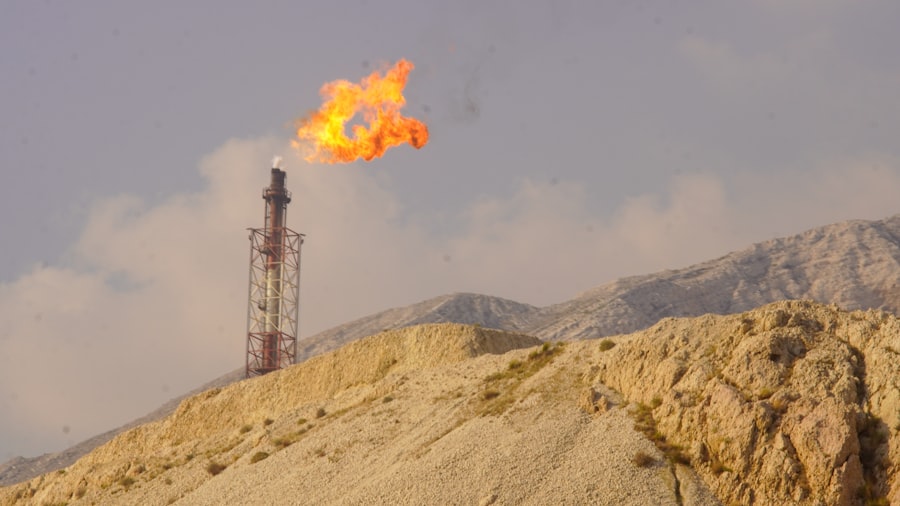
Geopolitical considerations are integral to decisions regarding SPR releases. The global oil market is heavily influenced by political events, conflicts, and diplomatic relations among nations. For instance, tensions in oil-producing regions can lead to supply disruptions that necessitate a release from the SPR.
In such cases, policymakers must assess not only the immediate impact on U.S. markets but also how their actions may affect international relations and global stability. Furthermore, geopolitical factors can also dictate how other nations respond to U.S.
A release from the SPR may be viewed as a signal of confidence or desperation, influencing how other countries approach their own energy policies and reserves. Therefore, decision-makers must navigate these complex dynamics carefully, ensuring that their actions align with broader foreign policy objectives while addressing domestic energy needs.
Coordinating with International Partners
In an interconnected global economy, coordinating with international partners is essential when considering an SPR release. The U.S. does not operate in isolation; its energy policies can have far-reaching implications for other countries and global markets.
Engaging with allies and partners can help ensure that any release from the SPR aligns with collective interests and promotes stability across international markets. Collaboration with international organizations such as the International Energy Agency (IEA) can also provide valuable insights into global supply dynamics and potential responses from other nations. By sharing information and coordinating strategies with allies, U.S.
policymakers can enhance their ability to manage crises effectively while fostering stronger relationships with key partners. This collaborative approach underscores the importance of diplomacy in energy policy and highlights how strategic partnerships can bolster national security.
Managing Domestic and International Refining Capacity
The capacity of domestic and international refineries plays a significant role in determining how effectively an SPR release can stabilize markets. Refineries must be equipped to process additional crude oil supplies without causing bottlenecks or operational disruptions. Therefore, understanding refining capacity is crucial when planning an SPR release.
In addition to domestic refining capabilities, international refining capacity must also be considered. Global markets are interconnected; disruptions in one region can affect refining operations elsewhere. Policymakers must assess whether refineries are prepared to handle increased supply from an SPR release while maintaining operational efficiency.
This comprehensive understanding ensures that releases are executed smoothly and effectively contribute to stabilizing markets.
Monitoring and Evaluating the Release
Once an SPR release has been executed, ongoing monitoring and evaluation are essential for assessing its effectiveness and informing future decisions. This process involves tracking key indicators such as price fluctuations, inventory levels, and consumer behavior in response to the release. By analyzing these metrics, policymakers can gain insights into how well the release achieved its intended goals and identify areas for improvement.
Additionally, feedback from industry stakeholders can provide valuable perspectives on how releases impact refining operations and market dynamics. Engaging with refineries, distributors, and consumers allows decision-makers to gather real-time information that can inform future strategies regarding reserve management. This iterative process underscores the importance of adaptability in energy policy and highlights how continuous evaluation can enhance overall effectiveness.
Communicating with Stakeholders
Effective communication with stakeholders is vital throughout the process of planning and executing an SPR release. Transparency helps build trust among consumers, industry participants, and international partners while ensuring that all parties are informed about potential impacts on supply and pricing. Clear communication strategies can mitigate uncertainty in markets and foster confidence among consumers who rely on stable energy supplies.
Moreover, engaging with stakeholders allows policymakers to gather feedback and address concerns proactively. By fostering open lines of communication with industry representatives and consumers alike, decision-makers can better understand how their actions resonate within broader economic contexts. This collaborative approach enhances overall effectiveness while reinforcing public confidence in government energy policies.
Planning for Future Releases
Looking ahead, planning for future SPR releases requires a forward-thinking approach that considers evolving market dynamics and geopolitical landscapes. As global energy markets continue to change due to technological advancements and shifts in consumption patterns, policymakers must remain agile in their strategies for managing reserves effectively. This forward-looking perspective involves not only assessing current conditions but also anticipating potential future crises that could necessitate releases from the SPR.
By developing contingency plans based on various scenarios—ranging from natural disasters to geopolitical conflicts—policymakers can ensure that they are prepared to respond swiftly when needed while safeguarding national energy security for years to come. In conclusion, managing the Strategic Petroleum Reserve involves a complex interplay of factors ranging from market dynamics to geopolitical considerations. By understanding these elements comprehensively—assessing needs for releases, determining quantities and timing, analyzing impacts on markets, coordinating with international partners, managing refining capacities effectively—policymakers can navigate challenges successfully while ensuring that this vital resource remains available for future emergencies.
In recent discussions about the Strategic Petroleum Reserve (SPR) release strategy, there has been a significant focus on how these releases can impact global oil prices and domestic energy security. An insightful article that delves into the intricacies of the SPR release strategy and its broader implications can be found on MyGeoQuest. This article provides a comprehensive analysis of the factors influencing the decision to release oil from the reserve and the potential economic and geopolitical outcomes. For a deeper understanding, you can read the full article by visiting this link.
WATCH THIS! One Narrow Strait Holds Global Economy Hostage
FAQs
What is the Strategic Petroleum Reserve (SPR)?
The Strategic Petroleum Reserve (SPR) is the world’s largest supply of emergency crude oil. It was established by the United States government in 1975 in response to the 1973-1974 oil embargo.
What is the purpose of the Strategic Petroleum Reserve?
The purpose of the SPR is to provide a strategic and economic security against disruptions in oil supplies. It is meant to be used in the event of a severe supply interruption.
What is the release strategy for the Strategic Petroleum Reserve?
The release strategy for the SPR involves the government deciding to release oil from the reserve in the event of a severe supply interruption or to address significant disruptions in the oil market.
How is the decision made to release oil from the Strategic Petroleum Reserve?
The decision to release oil from the SPR is made by the President of the United States, in consultation with the Secretary of Energy and other relevant government agencies. The decision is based on factors such as the severity of the supply interruption and its potential impact on the economy.
How much oil can be released from the Strategic Petroleum Reserve?
The SPR has the capacity to hold up to 713.5 million barrels of crude oil. The amount of oil that can be released from the reserve is determined by the President and can vary depending on the specific circumstances of the supply interruption.