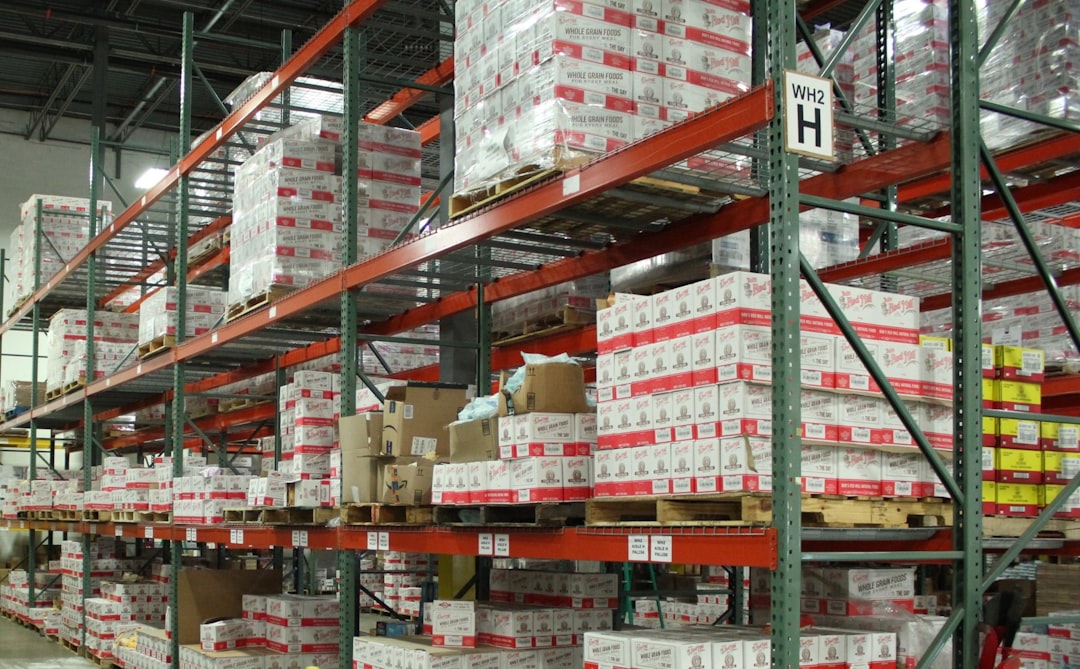
Inventory carrying costs constitute the total expenses incurred by businesses for maintaining unsold merchandise in storage. These costs comprise four primary components: storage expenses, insurance premiums, depreciation, and opportunity costs. Storage expenses include warehouse rental fees, utilities, and facility maintenance required to house inventory.
Insurance premiums cover protection against theft, damage, natural disasters, and product obsolescence. Depreciation represents the decline in inventory value due to aging, technological advancement, or market changes. Opportunity costs quantify the potential returns foregone when capital remains invested in inventory rather than alternative investments.
Effective management of carrying costs directly impacts profitability and cash flow. Excessive carrying costs reduce profit margins and limit available working capital, while insufficient inventory levels can result in stockouts and lost sales. Companies must establish optimal inventory levels that minimize total costs while meeting customer demand.
Analysis of carrying costs enables data-driven decision-making regarding procurement timing, order quantities, and inventory turnover rates. This systematic approach to inventory management enhances operational efficiency, reduces waste, and improves overall financial performance across the supply chain.
Key Takeaways
- Inventory carrying costs include storage, insurance, depreciation, and obsolescence expenses.
- Accurate demand forecasting is crucial to reduce excess inventory and lower carrying costs.
- Just-in-Time (JIT) inventory management helps minimize inventory levels and associated costs.
- Technology and collaborative supply chain management enhance inventory visibility and efficiency.
- Continuous improvement and optimization in warehousing, transportation, and distribution reduce overall inventory costs.
Factors Affecting Inventory Carrying Costs
Several factors influence inventory carrying costs, each playing a pivotal role in determining how much a business spends on holding inventory. One of the primary factors is the type of product being stored. Perishable goods, for instance, require more stringent management due to their limited shelf life, leading to higher carrying costs associated with spoilage and waste.
Conversely, durable goods may incur lower costs but still require careful consideration of storage conditions and insurance. Another significant factor is the volume of inventory held. Larger quantities often lead to increased storage fees and higher insurance premiums.
Additionally, fluctuations in demand can impact carrying costs; businesses that experience seasonal spikes in demand may find themselves overstocked during off-peak periods, resulting in unnecessary expenses. Furthermore, economic conditions and market trends can also affect carrying costs, as changes in interest rates or supply chain disruptions may necessitate adjustments in inventory levels.
Strategies for Minimizing Inventory Carrying Costs

To effectively minimize inventory carrying costs, businesses can implement several strategic approaches. One common strategy is to adopt a more accurate demand forecasting method. By utilizing historical sales data and market analysis, companies can better predict future demand and adjust their inventory levels accordingly.
This proactive approach helps prevent overstocking and reduces the associated carrying costs. Another effective strategy involves optimizing order quantities through techniques such as Economic Order Quantity (EOQ) models. By calculating the ideal order size that minimizes total inventory costs, businesses can ensure they are not holding excess stock while still meeting customer demand.
Additionally, companies can explore vendor-managed inventory (VMI) arrangements, where suppliers take responsibility for managing inventory levels at the customer’s location. This collaboration can lead to reduced carrying costs as suppliers are incentivized to maintain optimal stock levels.
Importance of Demand Forecasting in Inventory Management
Demand forecasting plays a critical role in effective inventory management by providing businesses with insights into future customer needs. Accurate forecasts enable companies to align their inventory levels with anticipated sales, thereby reducing the risk of overstocking or stockouts. By analyzing historical sales data, market trends, and consumer behavior patterns, organizations can develop more precise forecasts that inform their purchasing and production decisions.
For instance, if a sudden increase in demand is predicted due to a new product launch or seasonal trends, companies can adjust their inventory strategies accordingly. This agility not only helps minimize carrying costs but also enhances customer satisfaction by ensuring that products are readily available when needed.
Just-in-Time Inventory Management
| Cost Component | Description | Typical Percentage of Inventory Value | Impact on Logistics |
|---|---|---|---|
| Capital Costs | Cost of funds tied up in inventory, including interest and opportunity costs | 15% – 30% | Reduces cash flow and limits investment in other logistics activities |
| Storage Costs | Expenses related to warehousing, including rent, utilities, and equipment | 10% – 20% | Increases overhead and affects warehouse space utilization |
| Service Costs | Costs for insurance, taxes, and inventory management systems | 5% – 10% | Ensures inventory protection but adds to operational expenses |
| Risk Costs | Costs from obsolescence, shrinkage, damage, and depreciation | 5% – 15% | Leads to inventory write-offs and affects supply chain reliability |
| Total Inventory Carrying Cost | Sum of all carrying cost components | 35% – 75% | Significant factor in logistics cost optimization and inventory decisions |
Just-in-Time (JIT) inventory management is a strategy designed to reduce carrying costs by receiving goods only as they are needed in the production process. This approach minimizes the amount of inventory held at any given time, thereby lowering storage costs and reducing the risk of obsolescence. JIT relies heavily on accurate demand forecasting and strong supplier relationships to ensure that materials arrive precisely when required.
Implementing JIT can lead to significant cost savings for businesses. By reducing excess inventory, companies can free up capital that would otherwise be tied up in unsold goods. Additionally, JIT encourages a more streamlined production process, as manufacturers are less likely to face delays caused by overstocked materials or outdated products.
However, successful JIT implementation requires careful planning and coordination across the supply chain to avoid disruptions that could impact production schedules.
Inventory Turnover and Carrying Costs
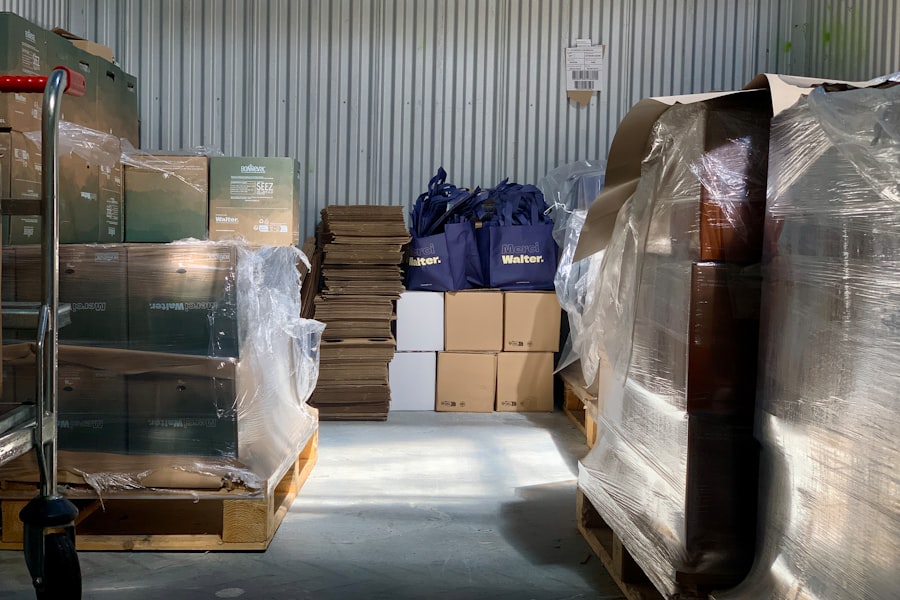
Inventory turnover is a key performance metric that measures how quickly a company sells its inventory over a specific period. A high turnover rate indicates efficient inventory management and suggests that products are moving quickly through the supply chain. Conversely, low turnover rates may signal overstocking or poor sales performance, leading to increased carrying costs.
Companies with high turnover rates typically experience lower carrying costs since they hold less inventory at any given time. This efficiency not only reduces storage expenses but also minimizes the risk of obsolescence and spoilage.
By focusing on improving turnover rates through effective marketing strategies and demand forecasting, organizations can enhance their overall profitability while keeping carrying costs in check.
Technology Solutions for Inventory Management
In today’s digital age, technology plays a vital role in enhancing inventory management practices. Advanced software solutions enable businesses to track inventory levels in real-time, providing valuable insights into stock availability and demand patterns. These systems often incorporate features such as automated reordering alerts and analytics tools that help organizations make data-driven decisions regarding their inventory.
Moreover, technologies like barcode scanning and RFID (Radio Frequency Identification) streamline the tracking process, reducing human error and improving accuracy in inventory counts. By leveraging these technological advancements, companies can optimize their inventory management processes, leading to reduced carrying costs and improved operational efficiency. Additionally, cloud-based solutions allow for greater collaboration among supply chain partners, facilitating better communication and coordination throughout the inventory management process.
Collaborative Supply Chain Management
Collaborative supply chain management involves fostering strong relationships between various stakeholders within the supply chain to enhance overall efficiency and reduce costs. By working closely with suppliers, manufacturers, and distributors, businesses can gain valuable insights into demand patterns and inventory levels across the entire supply chain. This collaboration enables organizations to make more informed decisions regarding purchasing and production strategies.
One of the key benefits of collaborative supply chain management is the ability to share information in real-time. When all parties have access to accurate data regarding inventory levels and demand forecasts, they can work together to optimize stock levels and reduce carrying costs. Additionally, collaboration can lead to improved negotiation power with suppliers, resulting in better pricing and terms that further enhance cost savings.
Efficient Warehouse Management
Efficient warehouse management is crucial for minimizing inventory carrying costs while ensuring that products are readily available for distribution. A well-organized warehouse allows for quick access to goods, reducing the time spent on picking and packing orders. Implementing best practices such as proper layout design, effective labeling systems, and regular inventory audits can significantly enhance warehouse efficiency.
Moreover, adopting automation technologies such as conveyor systems or robotic picking solutions can streamline warehouse operations further. These technologies not only improve accuracy but also reduce labor costs associated with manual handling of inventory. By investing in efficient warehouse management practices, businesses can lower their carrying costs while maintaining high service levels for customers.
Transportation and Distribution Optimization
Transportation and distribution play a critical role in managing inventory carrying costs effectively. The way products are transported from suppliers to warehouses or from warehouses to customers directly impacts overall logistics expenses. Optimizing transportation routes and methods can lead to significant cost savings while ensuring timely delivery of goods.
Utilizing data analytics tools can help businesses identify the most efficient transportation options based on factors such as distance, fuel costs, and delivery timelines. Additionally, consolidating shipments or utilizing third-party logistics providers can further enhance distribution efficiency while reducing overall transportation expenses. By focusing on transportation optimization strategies, companies can minimize their carrying costs while improving customer satisfaction through reliable delivery services.
Continuous Improvement in Inventory Management
Continuous improvement is an essential philosophy for organizations seeking to enhance their inventory management practices over time. By regularly assessing processes and identifying areas for improvement, businesses can adapt to changing market conditions and customer demands more effectively. This iterative approach encourages organizations to embrace innovation and implement new strategies that drive efficiency.
One way to foster continuous improvement is through employee training programs that emphasize best practices in inventory management. Encouraging staff to share insights and suggestions can lead to valuable process enhancements that reduce carrying costs and improve overall performance. Additionally, conducting regular reviews of key performance indicators (KPIs) related to inventory management allows organizations to track progress and make data-driven decisions that support ongoing improvement efforts.
In conclusion, understanding and managing inventory carrying costs is vital for businesses aiming to optimize their operations and enhance profitability. By considering various factors affecting these costs and implementing effective strategies such as demand forecasting, JIT management, technology solutions, collaborative supply chain practices, efficient warehouse management, transportation optimization, and continuous improvement initiatives, organizations can significantly reduce their carrying costs while maintaining high service levels for customers. As the business landscape continues to evolve, staying proactive in inventory management will be essential for long-term success.
Inventory carrying costs are a crucial aspect of logistics management, as they directly impact a company’s bottom line. Understanding these costs can help businesses optimize their inventory levels and improve overall efficiency. For a deeper dive into this topic, you can read more in the article available at this link.
WATCH THIS 🌍 The $3 Trillion Throttle: Who Controls the World’s Supply Chain?
FAQs
What are inventory carrying costs in logistics?
Inventory carrying costs refer to the total expenses associated with holding and storing inventory over a period of time. These costs include storage fees, insurance, depreciation, obsolescence, and capital costs tied up in the inventory.
Why are inventory carrying costs important in logistics?
Understanding inventory carrying costs is crucial for logistics management because they directly impact a company’s profitability. High carrying costs can reduce cash flow and increase overall operational expenses, making it essential to optimize inventory levels.
What components make up inventory carrying costs?
The main components of inventory carrying costs include storage costs (warehousing, utilities), capital costs (interest or opportunity cost of invested funds), service costs (insurance, taxes), and risk costs (obsolescence, shrinkage, damage).
How can companies reduce inventory carrying costs?
Companies can reduce carrying costs by improving inventory turnover, implementing just-in-time (JIT) inventory systems, optimizing warehouse space, negotiating better storage rates, and using demand forecasting to avoid overstocking.
What is the impact of high inventory carrying costs on supply chain efficiency?
High inventory carrying costs can lead to inefficient use of resources, increased capital tied up in stock, and reduced flexibility in responding to market changes. This can slow down the supply chain and increase overall operational costs.
How do inventory carrying costs affect pricing and profitability?
Higher carrying costs increase the total cost of goods sold, which may lead companies to raise prices to maintain profit margins. Conversely, managing these costs effectively can improve profitability by lowering expenses.
Are inventory carrying costs the same across all industries?
No, inventory carrying costs vary by industry depending on factors such as product type, shelf life, storage requirements, and market demand. For example, perishable goods typically have higher carrying costs due to spoilage risk.
What role does technology play in managing inventory carrying costs?
Technology such as inventory management software, automated warehousing, and data analytics helps companies track inventory levels accurately, forecast demand, and optimize stock, thereby reducing carrying costs.
Can inventory carrying costs be considered when making purchasing decisions?
Yes, companies often factor in carrying costs when deciding order quantities and frequency to balance ordering costs with holding costs, aiming to minimize total inventory-related expenses.
How do inventory carrying costs relate to inventory turnover?
Inventory turnover measures how often inventory is sold and replaced over a period. Higher turnover typically indicates lower carrying costs because inventory is held for shorter durations, reducing storage and risk expenses.