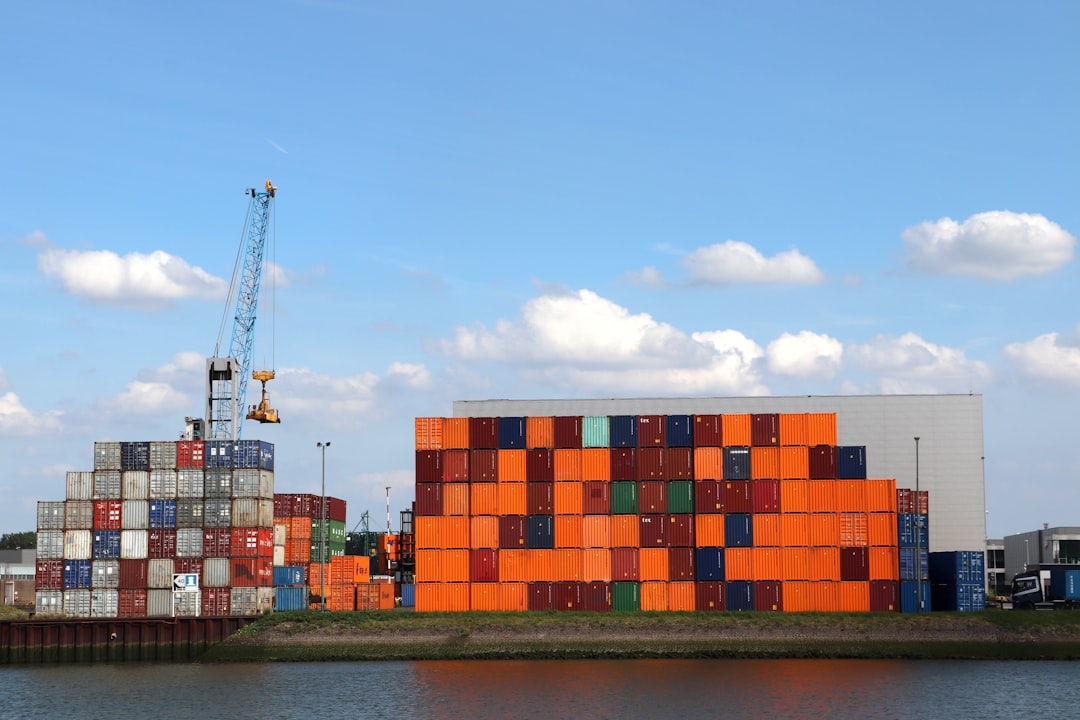
The efficient management of container stacks within inland terminals is a critical determinant of overall supply chain velocity and cost-effectiveness. Inland terminals, acting as crucial nodes connecting rail and road networks to maritime ports, face unique challenges in maximizing their operational capacity. This article explores the multifaceted strategies and technological advancements employed to optimize container stacking, transforming potential bottlenecks into streamlined conduits of global commerce.
An inland terminal’s primary function is to serve as a transshipment point for containers, facilitating their seamless movement between different modes of transport. Unlike busy seaports with extensive waterfront infrastructure, inland terminals often operate with a more constrained footprint, making space utilization a paramount concern. The sheer volume of containers, coupled with time-sensitive delivery schedules, necessitates a systematic and data-driven approach to every aspect of their operation, with container stacking being a cornerstone.
The Role of Inland Terminals in the Supply Chain
Inland terminals are not merely passive staging grounds; they are active participants in the global logistics dance. They bridge the gap between the vastness of sea transport and the granular reach of road and rail, playing an indispensable role in reducing road congestion leading to major ports and providing vital connectivity to landlocked regions. Their efficiency directly impacts the cost and speed at which goods reach their final destinations. Imagine them as the circulatory system of global trade, ensuring a steady and unimpeded flow of goods.
Key Performance Indicators (KPIs) for Terminal Operations
To gauge the effectiveness of any terminal operation, specific metrics are tracked. For container stacking, key performance indicators often include:
Yard Utilization Rate
This metric measures the percentage of available yard space occupied by containers. A high utilization rate, while desirable for maximizing capacity, also introduces risks if not managed effectively, such as reduced accessibility.
Container Dwell Time
This refers to the duration a container remains within the terminal premises. Minimizing dwell time for containers awaiting onward transport is crucial for improving throughput and reducing storage costs.
Crane Productivity
The speed and efficiency with which cranes can move containers within the yard are direct indicators of operational prowess. This includes factors like the number of moves per hour and the time taken for each individual lift.
Safety Incidents
A safe working environment is non-negotiable. The number of accidents or near misses related to container handling and stacking directly reflects the rigor of safety protocols and training.
Inland terminal container stacking is a critical aspect of logistics and supply chain management, as it directly impacts the efficiency of cargo handling and transportation. For a deeper understanding of the challenges and innovations in this field, you can refer to a related article that discusses the latest trends and technologies in container management. To explore this topic further, visit this article.
Strategic Approaches to Space Optimization
The physical space within an inland terminal is a finite and valuable resource. Optimizing how containers are arranged and accessed is not just about stacking them higher; it involves intelligent planning and dynamic adjustments to maximize throughput and minimize operational friction.
Stack Height and Stability Considerations
The most immediate thought when addressing space optimization is increasing the height of container stacks. This is a viable strategy, but it is subject to significant limitations imposed by equipment capabilities, safety regulations, and the structural integrity of the containers themselves.
Equipment Capabilities
The reach and lifting capacity of yard cranes (such as straddle carriers or reach stackers) dictate the maximum safe stacking height. Exceeding these limits can lead to operational hazards and equipment damage.
Structural Load Limits
Each container has a maximum stacking load it can withstand. This limit is determined by the container’s design and its contents. Stacking beyond this limit can cause deformation, damage, or even structural failure of the containers, leading to costly repairs and potential safety risks.
Weather and Environmental Factors
High winds, heavy rainfall, or seismic activity can necessitate lower stacking heights to ensure stability. Terminal operators must factor in local weather patterns and implement protocols for adjusting stacking configurations accordingly.
Slotting Strategies and Container Placement
The principle of “putting the right container in the right place” is fundamental. Slotting strategies dictate where each container is positioned within the yard to facilitate efficient retrieval and minimize unnecessary movements.
First-In, First-Out (FIFO) vs. Last-In, First-Out (LIFO)
While pure FIFO or LIFO might seem straightforward, they are often impractical in a dynamic terminal environment. More sophisticated approaches often combine elements of both, prioritizing accessibility for containers that need to be moved quickly.
Hazardous Material Segregation
Containers carrying hazardous materials require special handling and placement to prevent potential accidents or environmental contamination. These containers are typically stored in designated, separate areas of the terminal.
Special Cargo Handling
Over-dimensional cargo, refrigerated containers (reefers), and containers with specific handling requirements (e.g., fragile goods) need designated parking zones and access points to ensure their integrity and prevent damage.
Landside and Waterside Interface Management
The efficient movement of containers between the yard and the transport modes connected to it is crucial. Poor integration can create bottlenecks, even if the yard itself is well-organized.
Gate Operations Efficiency
The speed at which trucks enter and exit the terminal, picking up or dropping off containers, directly impacts yard congestion. Streamlined gate processes, including pre-arrival notifications and automated gate systems, are essential.
Rail and Barge Connectivity
For terminals connected to rail or barge services, the coordination of container transfers onto and off these modes is vital. Delays in this interface can cascade through the entire terminal operation.
Technological Innovations Driving Optimization

The digital revolution has profoundly impacted inland terminal operations, introducing sophisticated tools and systems that enhance efficiency, visibility, and decision-making.
Terminal Operating Systems (TOS)
At the heart of many optimized inland terminals lies a robust Terminal Operating System. This software acts as the central nervous system, managing all aspects of terminal operations.
Real-time Data Management
A TOS collects and processes data from various sources, including yard sensors, crane positions, and gate transactions, providing an up-to-the-minute view of the terminal’s status. This real-time information is the bedrock of effective decision-making.
Planning and Scheduling Modules
Sophisticated algorithms within a TOS can predict container movements, optimize crane allocation, and generate efficient stacking plans, thereby minimizing idle time and maximizing resource utilization.
Gate Appointment Systems
These systems allow truckers to book specific time slots for arriving or departing with containers, smoothing out peak demand and reducing waiting times at the gate.
Automation and Robotics
The adoption of automated systems is transforming the physical handling of containers, leading to increased speed, precision, and safety.
Automated Guided Vehicles (AGVs) and Autonomous Trucks
These driverless vehicles can transport containers within the yard, operating on pre-defined routes or guided by sophisticated navigation systems. They offer consistency and can operate 24/7.
Automated Stacking Cranes (ASCs)
ASCs are designed to autonomously stack and retrieve containers, often operating in tandem with other automated equipment. Their precision can allow for higher and more densely packed stacks.
Data Analytics and Artificial Intelligence (AI)
Beyond simply collecting data, advanced analytics and AI are used to derive actionable insights and predict future operational needs.
Predictive Analytics for Demand Forecasting
AI can analyze historical data, economic trends, and seasonal patterns to predict future container volumes and types, allowing for proactive resource allocation and planning.
Optimization Algorithms
AI-powered algorithms can continuously refine stacking plans, crane movements, and yard layouts in real-time, adapting to changing conditions and maximizing efficiency.
Anomaly Detection for Proactive Problem Solving
AI can identify deviations from normal operating patterns, flagging potential issues such as equipment malfunctions or unexpected congestion before they escalate into major problems.
Enhancing Operational Efficiency Through Process Improvement
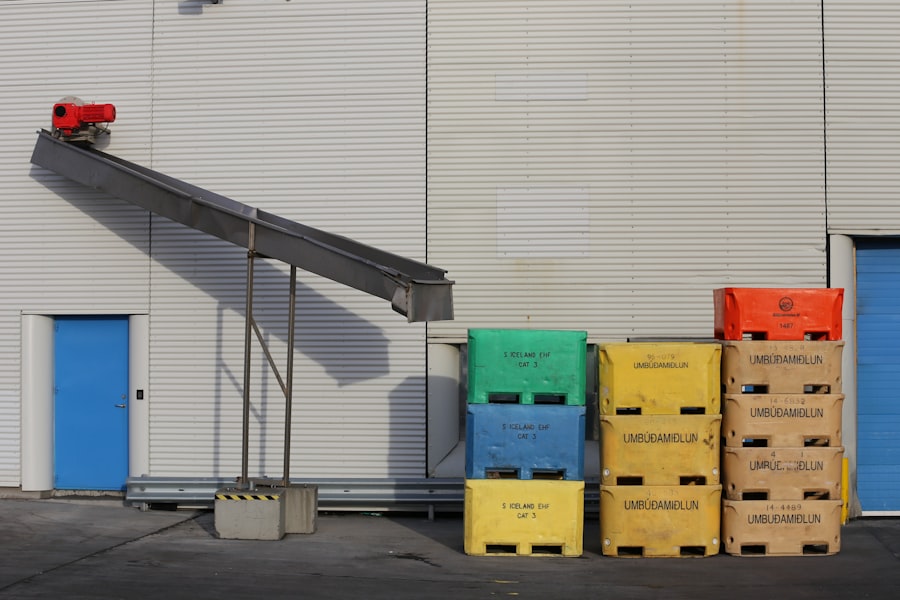
Technology is a powerful enabler, but it is the refinement of underlying processes that truly unlocks the potential for optimization. A holistic approach that combines technological adoption with a commitment to continuous improvement is essential.
Workflow Standardization and Optimization
Standardized workflows reduce variability and ensure that tasks are performed consistently, minimizing errors and improving predictability.
Pre-Arrival Information Exchange
Ensuring that all necessary information about an incoming container (e.g., its dimensions, weight, hazardous material status, intended destination within the yard) is available before it arrives at the terminal allows for immediate and accurate placement.
Standardized Container Handling Procedures
Clear and concise procedures for all aspects of container movement—from initial placement to retrieval—reduce the risk of miscommunication and operational errors.
Performance Monitoring and Feedback Loops
Regularly tracking key performance indicators and using this data to inform future operational adjustments creates a virtuous cycle of improvement.
Regular Performance Reviews
Scheduled meetings to review KPIs, discuss operational challenges, and identify areas for improvement are crucial for sustained progress.
Training and Skill Development
Investing in the training of terminal staff on new technologies, safety protocols, and optimized procedures ensures that the workforce can effectively implement and support efficiency initiatives.
Inland terminal container stacking plays a crucial role in optimizing logistics and enhancing the efficiency of supply chains. For those interested in exploring this topic further, a related article can provide valuable insights into the latest trends and technologies in container management. You can read more about it in this informative piece on MyGeoQuest, which discusses innovative strategies for improving container stacking operations at inland terminals.
The Future Landscape of Inland Terminal Container Stacking
| Metric | Description | Typical Value / Range | Unit |
|---|---|---|---|
| Stack Height | Maximum number of containers stacked vertically | 3 – 6 | Containers |
| Stack Density | Number of containers per square meter of stacking area | 0.5 – 1.2 | Containers/m² |
| Container Turnover Rate | Average number of container moves per hour | 20 – 50 | Moves/hour |
| Stacking Area Utilization | Percentage of stacking area actively used for container storage | 70 – 90 | % |
| Average Dwell Time | Average time a container remains in the terminal | 3 – 7 | Days |
| Crane Productivity | Number of container moves per crane per hour | 25 – 40 | Moves/hour |
| Stacking Equipment Utilization | Percentage of time stacking equipment is actively used | 60 – 85 | % |
| Container Damage Rate | Percentage of containers damaged during stacking operations | 0.1 – 0.5 | % |
The inland terminal landscape is constantly evolving, driven by increasing trade volumes, a greater emphasis on sustainability, and the relentless march of technological innovation.
Smart Terminals and the Internet of Things (IoT)
The concept of the “smart terminal” is becoming a reality, with IoT devices embedded throughout the facility providing a granular level of data for real-time monitoring and control.
Sensor Networks for Container Tracking
IoT sensors can provide precise location data for every container within the yard, enabling dynamic re-configuration of stacks and improved asset management.
Environmental Monitoring
Sensors can monitor temperature, humidity, and air quality, which is particularly important for the storage of temperature-sensitive cargo or for ensuring compliance with environmental regulations.
Integration with Digital Supply Chain Platforms
Inland terminals are increasingly integrated into broader digital platforms that offer end-to-end supply chain visibility.
Blockchain for Enhanced Transparency and Security
The use of blockchain technology can provide an immutable record of container movements and ownership, enhancing transparency and reducing the potential for fraud.
AI-Powered Network Optimization
Beyond the individual terminal, AI can be used to optimize the entire logistics network, identifying the most efficient routes and terminal operations based on real-time conditions.
Sustainability and Green Logistics
As global pressure mounts for more sustainable practices, inland terminals are exploring ways to reduce their environmental footprint.
Energy-Efficient Equipment
The adoption of electric or hybrid yard equipment can significantly reduce emissions and operational costs.
Optimized Yard Layout for Reduced Travel Distances
A well-designed yard layout minimizes the travel distances for equipment, leading to reduced fuel consumption and wear and tear.
The optimization of inland terminal container stacking is not a singular solution, but rather a continuous journey of strategic planning, technological adoption, and process refinement. By embracing these multifaceted approaches, inland terminals can transform themselves from mere storage facilities into dynamic hubs of efficiency, crucial for navigating the complexities of the global supply chain and ensuring the timely and cost-effective delivery of goods worldwide.
FAQs
What is an inland terminal container stacking?
Inland terminal container stacking refers to the organized arrangement and storage of shipping containers at an inland terminal facility. These terminals serve as hubs for transferring containers between different modes of transportation, such as rail, truck, and sometimes barge, away from coastal ports.
Why is container stacking important at inland terminals?
Container stacking maximizes the use of available space, allowing terminals to store a large number of containers efficiently. Proper stacking ensures easy access, reduces handling times, and helps maintain the safety and integrity of the containers and their contents.
What equipment is commonly used for container stacking at inland terminals?
Common equipment includes reach stackers, gantry cranes, straddle carriers, and forklifts designed to lift and move containers. These machines enable the stacking, retrieval, and transportation of containers within the terminal.
How are containers stacked to ensure safety and stability?
Containers are stacked following specific guidelines regarding weight distribution, stacking height, and container condition. Heavier containers are placed at the bottom, and containers are aligned properly to prevent shifting. Terminals also adhere to international standards to maintain safety.
What role do inland terminals play in the global supply chain?
Inland terminals act as critical nodes that facilitate the efficient movement of goods between ports and inland destinations. By enabling container stacking and transfer, they help reduce congestion at seaports, improve logistics efficiency, and support timely delivery of cargo.