
Antarctic waters present a unique and formidable environment for any vessel, and expedition ships are no exception. The design of these ships is a meticulous balancing act, a pragmatic consideration of a multitude of factors that prioritize safety, operational efficiency, and the preservation of the delicate Antarctic ecosystem. Unlike conventional cruise vessels that might ply calmer seas, expedition ships navigating the Southern Ocean are essentially purpose-built instruments, crafted to withstand extreme conditions and to provide a stable platform for exploration and scientific endeavor. This article will delve into the critical considerations and innovative solutions employed in optimizing expedition ship design for the specific challenges and demands of operating in and around the Antarctic continent.
The hull is the very foundation of any ship’s seaworthiness, and for Antarctic expeditions, its design is paramount. It must be robust enough to endure the constant, often unseen, forces of ice, while simultaneously ensuring stability and efficient movement through potentially turbulent waters.
Strength and Ice Reinforcement
Antarctic waters are characterized by the pervasive presence of sea ice, from small bergy bits to massive ice floes. Expedition ships must be fortified to withstand the abrasive and crushing forces these icy obstacles can exert. This typically translates to a hull constructed with thicker plating, particularly in the bow and along the waterline, areas most prone to impact. Longitudinal and transverse framing within the hull provides additional structural integrity, acting as a skeleton to resist deformation. The steel used in construction itself is often of a specific grade that retains ductility and strength at extremely low temperatures, preventing brittleness that could lead to catastrophic failure. Imagine the hull as a knight’s armor, meticulously layered and reinforced in the areas most likely to face direct assault.
Icebreaker Capabilities
While not all expedition ships are dedicated icebreakers, many incorporate features that allow them to navigate through moderately thick ice. This can involve a strengthened bow with a specific shape designed to ride up and over ice floes, breaking them with the ship’s weight. Specialized ice-strengthened rudders and propeller systems are also crucial. These enhancements allow for maneuverability even when caught in ice, preventing the ship from becoming immovably trapped. The ability to break a path, even a small one, can be the difference between a delayed voyage and a stranded vessel.
Hull Shape and Hydrodynamics
Beyond sheer strength, the hull’s shape plays a vital role in its performance. A bulbous bow, common on many modern vessels, can improve fuel efficiency and reduce wave resistance in open waters. However, for ice operations, the hull may be optimized for a different set of priorities. A slightly fuller hull form can provide greater buoyancy and stability, essential when encountering large waves or heavy ice. The stern design is also critical for propeller efficiency and maneuverability. The hull is not merely a container; it is a finely tuned airfoil interacting with both water and ice.
Ice Class Certifications
International classification societies, such as Lloyd’s Register, DNV, and the American Bureau of Shipping, provide stringent ice class notations. These notations certify that a vessel meets specific design and construction standards for operating in icy conditions. Common notations for expedition ships include PC-6 (Polar Class 6) through PC-7, with higher numbers indicating greater ice-going capability. These certifications are not mere bureaucratic hurdles; they are a guarantee of a ship’s resilience and a testament to its suitability for the demanding Antarctic environment.
Expedition ship design for Antarctic waters is a critical topic, as the unique challenges posed by extreme weather conditions and icy environments require innovative engineering solutions. For those interested in exploring this subject further, a related article can be found at My Geo Quest, which delves into the latest advancements in ship design tailored specifically for polar expeditions. This resource provides valuable insights into the technologies and strategies being employed to enhance safety and efficiency in these remote regions.
Stability and Seakeeping in Rough Seas
The Southern Ocean is notorious for its tempestuous nature. Expedition ships must be designed to remain stable and offer a comfortable environment for passengers and crew even when confronted with formidable waves.
Metacentric Height and Initial Stability
Initial stability, often quantified by the metacentric height (GM), refers to a ship’s tendency to return to an upright position after being inclined. A higher GM generally implies greater initial stability. However, this must be carefully considered in relation to the operational environment. Too high a GM can lead to a “stiff” roll, which can be uncomfortable and even dangerous for passengers. Naval architects employ sophisticated modeling to achieve an optimal balance between initial stability and roll damping characteristics, ensuring the vessel remains upright without excessive motion.
Roll Period and Damping
The roll period is the time it takes for a ship to complete one full roll from one side to the other. A longer, slower roll is generally perceived as more comfortable than a short, rapid one. Design features such as bilge keels, which are fins extending along the underside of the hull, are employed to damp rolling motions. These keels act like submerged wings, creating hydrodynamic resistance that slows down the roll. The “period” of a storm is measured in waves; the “period” of a ship’s roll should ideally not synchronize with the wave period, as this can lead to amplified motions.
Hydrodynamic Devices
Beyond bilge keels, other advanced hydrodynamic devices can be integrated into expedition ship design. These can include active fin stabilizers, which are controllable fins that can be deployed to counteract the ship’s rolling motion. Advanced hull coatings can also reduce hydrodynamic drag, improving fuel efficiency and potentially enhancing maneuverability. The ship’s ability to “dance” with the waves, rather than fight them head-on, is a testament to sophisticated hydrodynamics.
Loading Conditions and Ballast Systems
The stability of any ship is highly dependent on its loading conditions. Expedition ships must be designed to maintain adequate stability across a range of operational scenarios, from fully loaded with passengers and supplies to partially loaded or even in ballast. Advanced ballast systems, which allow for the rapid transfer of water between tanks, are crucial for adjusting the ship’s trim and stability as needed. These systems are the ship’s internal organs, constantly adjusting to maintain equilibrium.
Environmental Protection and Emissions Control
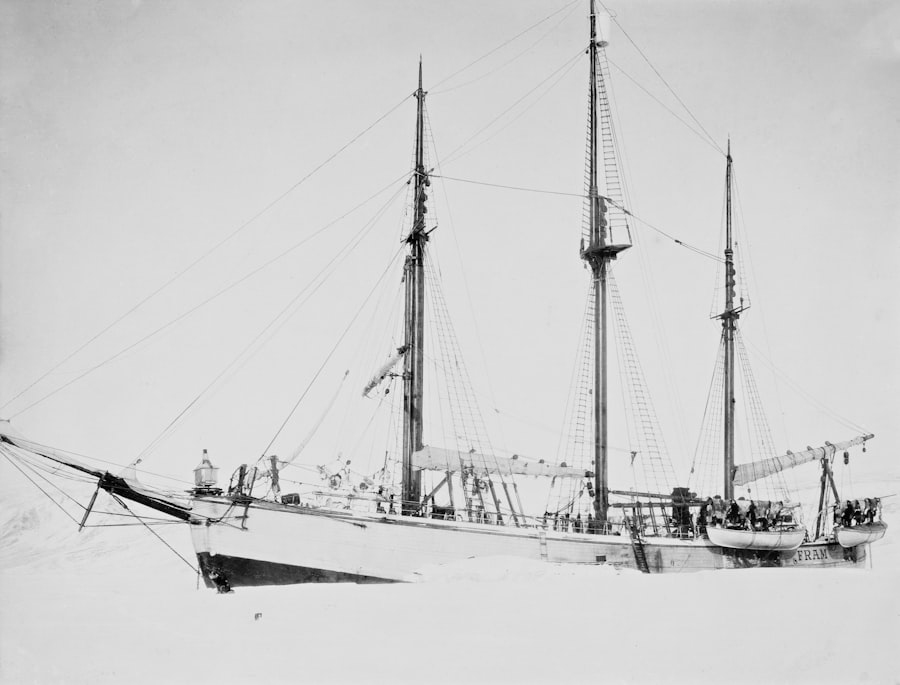
Operating in the pristine environment of Antarctica carries a significant responsibility. Modern expedition ship design prioritizes minimizing the environmental footprint of these vessels.
Emission Reduction Technologies
The International Maritime Organization (IMO) has implemented increasingly stringent regulations regarding emissions from ships, including sulfur oxides (SOx), nitrogen oxides (NOx), and particulate matter. Expedition ships are designed to comply with these regulations through the use of low-sulfur fuels, exhaust gas cleaning systems (scrubbers), and selective catalytic reduction (SCR) systems for NOx abatement. These technologies are the ship’s lungs, filtering out harmful pollutants before they are released into the atmosphere.
Waste Management Systems
Effective waste management is paramount in an environment where any pollution can have lasting consequences. Expedition ships are equipped with advanced systems for treating sewage, gray water, and solid waste. This includes onboard incinerators for certain types of waste and sophisticated wastewater treatment plants that ensure discharged water meets strict environmental standards. Furthermore, robust measures are in place to prevent the release of any waste materials into the ocean.
Fuel Efficiency and Alternative Fuels
Reducing fuel consumption not only lowers emissions but also reduces operational costs. Expedition ship designers focus on optimizing hull forms for reduced drag, utilizing efficient propulsion systems, and incorporating energy-saving measures throughout the vessel. The exploration of alternative fuels, such as liquefied natural gas (LNG) or even future sustainable options, is also an ongoing area of development. The ship’s engine is a heart that must beat efficiently, minimizing fuel consumption as its lifeblood.
Biosecurity and Invasive Species Prevention
Antarctic waters are incredibly vulnerable to the introduction of invasive species. Expedition ships adhere to strict biosecurity protocols, including hull cleaning and the treatment of ballast water, to prevent the transfer of non-native organisms. These protocols are a shield, protecting the delicate Antarctic ecosystem from external threats.
Passenger and Crew Well-being and Safety
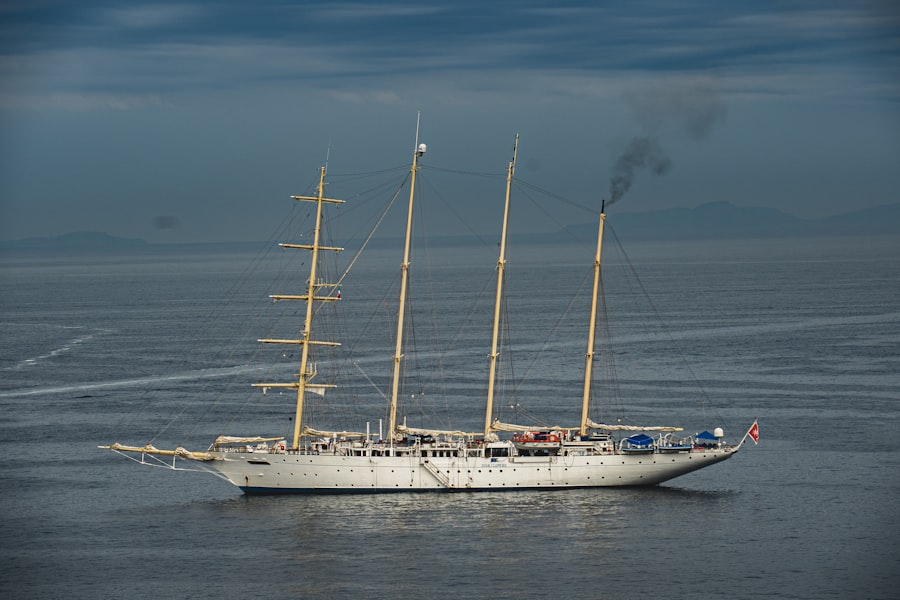
Comfort and safety are not mutually exclusive in expedition ship design. The ship must provide a secure and comfortable environment for everyone on board, especially given the remote and often challenging nature of expedition voyages.
Cabin Design and Noise Reduction
Passenger cabins are designed to offer a sense of sanctuary amidst the rugged environment. This includes effective insulation to minimize noise from engines and the external environment, creating a peaceful retreat. Careful consideration is given to the layout and amenities to ensure passenger comfort and to provide a sense of connection to the sea. The cabin is a ship’s nest, providing warmth and shelter from the storm outside.
Motion Sickness Mitigation
The inherent motion of a ship at sea can lead to motion sickness for some passengers. While hull design and stabilizers play a significant role, cabin placement and internal design also contribute. Locating cabins on lower decks and closer to the ship’s center of gravity can reduce the sensation of motion.
Emergency Preparedness and Evacuation
Safety is the utmost priority. Expedition ships are equipped with advanced life-saving appliances, including lifeboats and rafts, and adhere to stringent international safety regulations. Comprehensive emergency procedures and regular drills are conducted to ensure the crew and passengers are prepared for any eventuality. This preparedness is the ship’s guardian angel, always watching and ready to act.
Medical Facilities
Given the remote location of Antarctic expeditions, comprehensive medical facilities are essential. Expedition ships typically carry trained medical personnel and well-equipped infirmaries to handle a range of medical situations, from minor ailments to more serious emergencies.
In the realm of expedition ship design for Antarctic waters, it is crucial to consider the unique challenges posed by extreme weather conditions and ice navigation. A fascinating article that delves into innovative approaches to enhancing vessel performance in these harsh environments can be found here. By exploring advancements in hull design and propulsion systems, the article provides valuable insights for those interested in sustainable exploration of the polar regions. For more information, you can read the full piece at this link.
Specialized Equipment for Antarctic Operations
| Design Aspect | Specification / Metric | Purpose / Notes |
|---|---|---|
| Hull Material | High-strength steel or composite | Resists ice impact and abrasion |
| Ice Class Rating | Polar Class 6 or higher | Ensures safe navigation through medium first-year ice |
| Length Overall (LOA) | 80 – 120 meters | Balance between maneuverability and passenger capacity |
| Beam (Width) | 15 – 22 meters | Provides stability in rough seas and ice conditions |
| Draft | 5 – 7 meters | Shallow enough for coastal exploration, deep enough for stability |
| Propulsion System | Diesel-electric with azimuth thrusters | Enhanced maneuverability and icebreaking capability |
| Icebreaking Capability | Up to 1 meter thick ice at slow speed | Allows access to remote Antarctic areas |
| Passenger Capacity | 50 – 150 passengers | Small enough for expedition style, large enough for economic viability |
| Environmental Systems | Advanced waste treatment and low emissions engines | Minimizes environmental impact in pristine Antarctic waters |
| Safety Features | Ice radar, reinforced lifeboats, emergency power supply | Ensures crew and passenger safety in extreme conditions |
| Range | 10,000+ nautical miles | Supports long voyages without frequent refueling |
| Onboard Facilities | Laboratories, Zodiac boats, heated decks | Supports scientific research and safe shore landings |
The unique activities of Antarctic expeditions necessitate specialized equipment, both for exploration and for supporting scientific endeavors.
Zodiacs and Small Boat Deployment
The primary means of exploring shorelines and accessing ice-free areas are typically inflatable Zodiac boats. Expedition ships are designed with robust davit systems and well-protected bays for the storage and rapid deployment of these small craft. The seamless transition from ship to shore is facilitated by this vital equipment. These boats are the ship’s nimble feet, allowing it to tread softly on the Antarctic landscape.
Scientific Laboratories and Equipment Storage
For voyages with a scientific focus, expedition ships are often equipped with dedicated laboratories and ample storage space for research equipment. This can include facilities for biological sampling, geological analysis, and meteorological monitoring. These labs are the ship’s brain, housing the instruments of knowledge and discovery.
Navigation and Communication Systems
Advanced navigation systems, including radar, GPS, and sonar, are crucial for safe passage in Antarctic waters, especially in the presence of ice and reduced visibility. Redundant communication systems, including satellite communications, ensure constant contact with the outside world, vital for safety and coordination. These systems are the ship’s eyes and ears, guiding its path and keeping it connected.
Ice Navigation Tools
Specialized ice radar and mapping software can provide real-time information on ice conditions, allowing the ship’s captain to navigate the most efficient and safest routes. This provides an edge in understanding and predicting the behavior of the icy labyrinth.
In conclusion, optimizing expedition ship design for Antarctic waters is a multifaceted discipline that demands innovation, engineering prowess, and an unwavering commitment to safety and environmental stewardship. From the fundamental strength of the hull to the most advanced emissions control systems, every design element is a considered response to the formidable challenges and profound beauty of the Southern Ocean. These vessels are not simply modes of transport; they are sophisticated platforms enabling unparalleled exploration and scientific endeavor in one of Earth’s most extraordinary and sensitive regions.
FAQs
What are the key design features of expedition ships for Antarctic waters?
Expedition ships designed for Antarctic waters typically have reinforced hulls to withstand ice impact, advanced navigation systems for icy conditions, and enhanced safety features. They also include environmentally friendly technologies to minimize ecological impact and are equipped with facilities to support scientific research and passenger comfort in extreme cold.
Why is hull reinforcement important for Antarctic expedition ships?
Hull reinforcement is crucial because Antarctic waters contain sea ice and icebergs that can damage or breach a ship’s hull. Reinforced hulls, often classified as ice-strengthened or icebreaker types, provide the necessary durability and safety to navigate safely through icy waters.
How do expedition ships ensure passenger safety in Antarctic conditions?
Safety is ensured through multiple measures including robust hull construction, advanced navigation and communication systems, lifeboats and survival gear designed for cold environments, trained crew experienced in polar operations, and strict adherence to international maritime safety regulations.
What environmental considerations are taken into account in the design of Antarctic expedition ships?
Designs focus on minimizing environmental impact by incorporating waste management systems, using low-emission engines, avoiding fuel spills, and following guidelines set by the International Association of Antarctica Tour Operators (IAATO). Ships are also designed to reduce noise pollution and prevent disturbance to wildlife.
How do expedition ships accommodate scientific research in Antarctic waters?
Many expedition ships are equipped with laboratories, specialized equipment storage, and facilities to support scientists conducting research. They provide stable platforms for data collection, sample analysis, and often have onboard experts to assist with scientific missions during Antarctic expeditions.