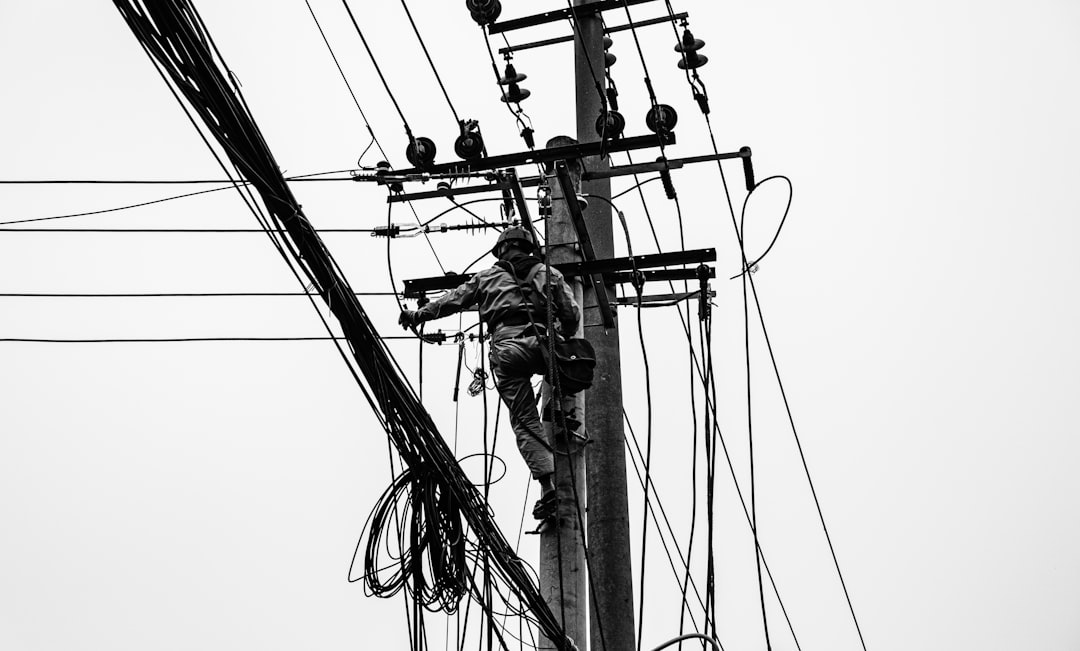
The electrical grid functions as the fundamental infrastructure of modern society, delivering essential power to residential, commercial, and industrial facilities. Grid reliability is critical, as power disruptions result in substantial economic losses and create safety risks. Comprehensive electrical grid maintenance is therefore essential for maintaining stable and efficient power distribution.
Systematic maintenance extends the operational lifespan of grid equipment while optimizing performance and minimizing unplanned outages. This preventive approach is increasingly important as electricity demand continues to grow across all sectors. Aging electrical infrastructure presents significant operational challenges for grid operators.
Maintenance programs must adapt to address these infrastructure challenges through strategic planning and resource allocation. Utility companies that implement regular inspection schedules, timely repairs, and systematic equipment upgrades can effectively reduce risks associated with deteriorating infrastructure.
These maintenance practices ensure reliable power delivery while maintaining public confidence in utility services, demonstrating the essential role of maintenance in preserving electrical grid integrity and performance.
Key Takeaways
- Regular electrical grid maintenance is crucial for ensuring reliability and preventing outages.
- Maintenance schedules should consider factors like equipment age, environmental conditions, and usage patterns.
- Predictive maintenance techniques help identify potential failures before they occur, reducing downtime.
- Data analytics and remote monitoring enhance maintenance efficiency by providing real-time insights.
- Automation and prioritizing critical infrastructure improve cost-effectiveness and streamline maintenance operations.
Factors to Consider in Developing Maintenance Schedules
When developing maintenance schedules for the electrical grid, several factors must be taken into account to ensure optimal performance and reliability. One of the primary considerations is the age and condition of the equipment. Older components may require more frequent inspections and maintenance due to their increased likelihood of failure.
Additionally, understanding the operational demands placed on the grid can help prioritize maintenance activities. For instance, during peak usage periods, it may be prudent to schedule maintenance during off-peak hours to minimize disruptions. Another critical factor is environmental conditions.
Weather patterns can significantly impact the performance of electrical infrastructure. For example, areas prone to severe storms or extreme temperatures may necessitate more rigorous maintenance protocols to prepare for potential damage. Furthermore, geographic considerations play a role; remote locations may require specialized maintenance strategies due to accessibility challenges.
By taking these factors into account, utility companies can develop comprehensive maintenance schedules that enhance grid reliability while minimizing service interruptions.
Implementing Predictive Maintenance Techniques
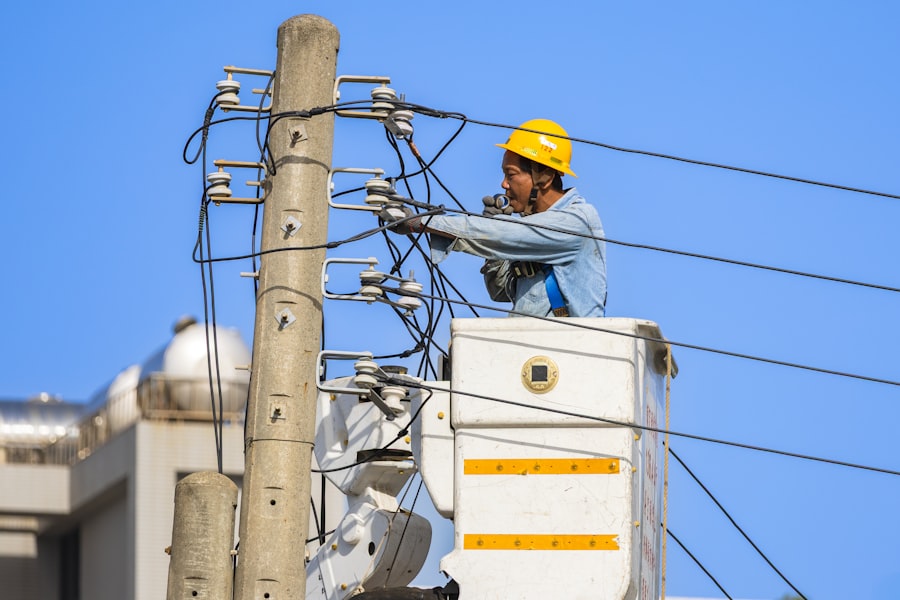
Predictive maintenance techniques have emerged as a game-changer in the realm of electrical grid management. By leveraging advanced technologies such as sensors and data analytics, utility companies can monitor the health of grid components in real-time. This proactive approach allows for the identification of potential issues before they escalate into significant problems.
For instance, vibration analysis and thermal imaging can detect anomalies in equipment performance, enabling timely interventions that prevent costly outages. The implementation of predictive maintenance not only enhances reliability but also optimizes resource allocation. By focusing maintenance efforts on components that show signs of wear or impending failure, utilities can reduce unnecessary downtime and extend the lifespan of their assets.
This shift from reactive to predictive maintenance represents a fundamental change in how utilities approach grid management, ultimately leading to more efficient operations and improved service delivery.
Leveraging Data Analytics for Maintenance Optimization
Data analytics plays a pivotal role in optimizing maintenance strategies for electrical grids. With the advent of smart grid technologies, vast amounts of data are generated daily from various sources, including sensors, smart meters, and customer feedback. By harnessing this data, utility companies can gain valuable insights into equipment performance and operational trends.
Advanced analytics tools can identify patterns that may indicate potential failures or inefficiencies, allowing for targeted maintenance interventions. Furthermore, data analytics enables utilities to assess the effectiveness of their maintenance strategies over time. By analyzing historical data on equipment failures and maintenance activities, companies can refine their approaches and allocate resources more effectively.
This continuous improvement cycle not only enhances grid reliability but also contributes to cost savings by minimizing unnecessary maintenance activities. In an era where data-driven decision-making is paramount, leveraging analytics for maintenance optimization is essential for modern utility operations.
Incorporating Remote Monitoring and Control Systems
| Metric | Description | Unit | Typical Value | Frequency |
|---|---|---|---|---|
| Scheduled Maintenance Duration | Average time taken to complete a scheduled maintenance task | Hours | 4-8 | Per task |
| Maintenance Interval | Time between two consecutive maintenance activities on the same equipment | Months | 6-12 | Per equipment |
| Outage Duration | Duration of power outage caused by maintenance activities | Minutes | 30-120 | Per maintenance event |
| Number of Maintenance Tasks | Total scheduled maintenance tasks in a year | Count | 100-500 | Annual |
| Maintenance Cost | Cost associated with each maintenance task | Cost units | Varies by task | Per task |
| Equipment Failure Rate | Failure rate of equipment between maintenance intervals | Failures per year | 0.01-0.05 | Annual |
| Personnel Required | Number of technicians required per maintenance task | Count | 2-5 | Per task |
| Preventive vs Corrective Maintenance Ratio | Ratio of preventive maintenance tasks to corrective maintenance tasks | Ratio | 3:1 | Annual |
The integration of remote monitoring and control systems has revolutionized how utilities manage electrical grids. These systems allow for real-time monitoring of grid components from centralized control centers, providing operators with immediate access to critical information about system performance. This capability enables rapid response to emerging issues, reducing response times during outages or equipment failures.
Additionally, remote monitoring facilitates proactive maintenance by enabling continuous assessment of equipment health. Utilities can track performance metrics such as voltage levels, current flow, and temperature variations without needing physical inspections. This not only enhances operational efficiency but also reduces labor costs associated with routine inspections.
As technology continues to advance, incorporating remote monitoring and control systems will become increasingly vital for maintaining a resilient and reliable electrical grid.
Prioritizing Critical Infrastructure for Maintenance
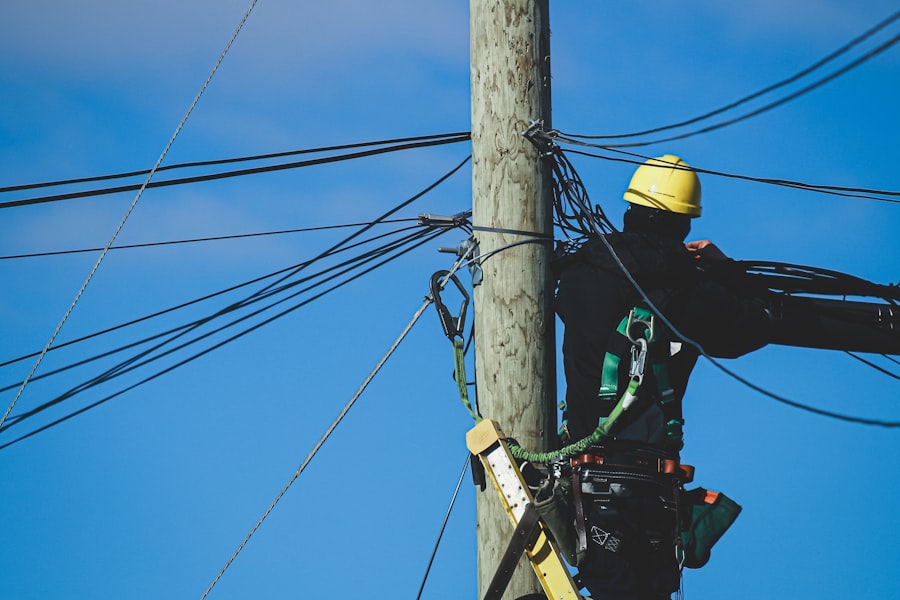
In any electrical grid system, certain components are deemed critical due to their essential role in maintaining overall functionality. Prioritizing maintenance efforts on these critical infrastructures is crucial for ensuring uninterrupted power supply and minimizing the risk of widespread outages. For instance, substations and transmission lines are vital links in the power distribution network; any failure in these areas can have cascading effects throughout the grid.
To effectively prioritize maintenance activities, utilities must conduct thorough risk assessments that evaluate the potential impact of component failures on overall system reliability. By identifying high-risk areas and allocating resources accordingly, utilities can focus their efforts where they matter most. This strategic approach not only enhances grid resilience but also ensures that limited maintenance resources are utilized efficiently.
Streamlining Maintenance Processes with Automation
Automation has emerged as a powerful tool for streamlining maintenance processes within electrical grids. By automating routine tasks such as data collection, reporting, and scheduling, utilities can significantly reduce manual labor and minimize human error. For example, automated systems can generate alerts when equipment performance deviates from established norms, prompting timely inspections or repairs without requiring constant human oversight.
Moreover, automation facilitates better coordination among maintenance teams by providing real-time updates on ongoing activities and resource availability. This enhanced communication ensures that all team members are aligned on priorities and can respond swiftly to emerging issues. As automation technologies continue to evolve, their integration into maintenance processes will further enhance operational efficiency and contribute to a more resilient electrical grid.
Evaluating the Cost-Effectiveness of Maintenance Strategies
Evaluating the cost-effectiveness of maintenance strategies is essential for ensuring that utility companies maximize their investments while maintaining reliable service delivery. A comprehensive analysis should consider both direct costs associated with maintenance activities—such as labor and materials—and indirect costs related to outages or service disruptions caused by equipment failures. By quantifying these factors, utilities can make informed decisions about where to allocate resources for maximum impact.
Additionally, adopting a lifecycle cost approach can provide valuable insights into the long-term financial implications of different maintenance strategies. This perspective encourages utilities to consider not only immediate costs but also future expenses related to equipment replacement or upgrades. By evaluating cost-effectiveness holistically, utilities can develop sustainable maintenance strategies that balance reliability with financial prudence.
In conclusion, maintaining an efficient electrical grid is a multifaceted endeavor that requires careful consideration of various factors ranging from predictive maintenance techniques to data analytics and automation. By prioritizing critical infrastructure and evaluating cost-effectiveness, utility companies can ensure that they meet the demands of an increasingly electrified world while safeguarding public trust in their services.
Effective electrical grid maintenance scheduling is crucial for ensuring the reliability and efficiency of power distribution systems. A related article that delves into innovative strategies for optimizing maintenance schedules can be found at