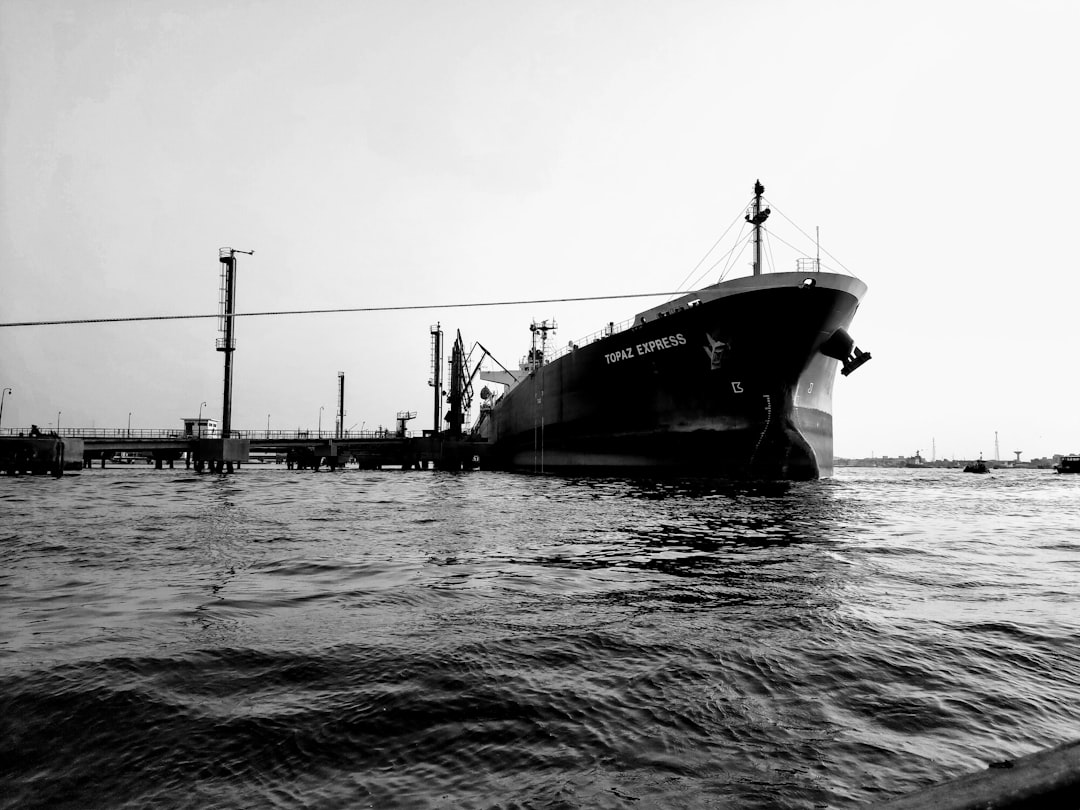
The Suez Canal, a man-made waterway connecting the Mediterranean Sea to the Red Sea, stands as one of the most significant maritime passages in the world. Completed in 1869, this engineering marvel has drastically reduced travel time for ships, allowing them to bypass the lengthy journey around the southern tip of Africa. The canal serves as a critical artery for global trade, facilitating the movement of goods and commodities between Europe, Asia, and beyond.
Approximately 12% of global trade passes through this narrow channel, underscoring its vital role in the interconnected web of international commerce. The strategic importance of the Suez Canal extends beyond mere geography; it is a linchpin for the oil and gas industry, with a substantial portion of the world’s oil supply transiting through its waters. The canal not only supports the economies of countries reliant on shipping but also plays a pivotal role in stabilizing global energy markets.
As such, any disruption within this crucial passage can have far-reaching implications, affecting everything from shipping schedules to oil prices on a global scale.
Key Takeaways
- The Suez Canal is a critical chokepoint in global trade, especially for oil transportation.
- Current delays of oil tankers at the canal are caused by congestion and operational challenges.
- These delays are disrupting global oil supply chains and contributing to price volatility.
- Efforts are underway to clear the backlog, but environmental and economic risks remain significant.
- Alternative shipping routes and strategic responses from companies may reshape future trade patterns.
Overview of the Current Situation: Oil Tankers Facing Delays
Recently, the Suez Canal has been embroiled in a crisis that has led to significant delays for oil tankers navigating its waters. A combination of factors has resulted in a backlog of vessels waiting to transit the canal, creating a ripple effect throughout the global shipping industry. As tankers sit idle, the implications for oil supply chains and market dynamics have become increasingly pronounced.
The situation has drawn attention from industry stakeholders and governments alike, as they grapple with the consequences of these delays. The congestion in the Suez Canal has not only affected oil tankers but has also had a cascading impact on other shipping routes and schedules. With vessels unable to pass through the canal in a timely manner, shipping companies are facing mounting pressure to find alternative solutions.
The delays have raised concerns about potential shortages and price fluctuations in oil markets, prompting analysts to closely monitor developments in this critical maritime corridor.
Factors Contributing to the Delays at the Suez Canal
Several factors have converged to create the current delays at the Suez Canal. One primary contributor is the sheer volume of maritime traffic that utilizes this vital route. The canal is designed to accommodate a significant number of vessels; however, unexpected surges in traffic can lead to bottlenecks.
Additionally, maintenance work and navigational challenges can further exacerbate congestion, as ships must navigate narrow passages with precision. Another critical factor is geopolitical tensions in the region, which can disrupt shipping operations and create uncertainty for vessel operators. Political instability or military conflicts can lead to increased scrutiny and delays as authorities implement heightened security measures.
Furthermore, environmental regulations and weather conditions can also play a role in delaying transit times, as ships may be forced to slow down or alter their routes due to adverse conditions.
Impact on Global Oil Supply and Prices
The delays at the Suez Canal have significant implications for global oil supply and pricing structures. As oil tankers are unable to reach their destinations promptly, there is a risk of supply shortages in key markets.
Market analysts have noted that even minor fluctuations in oil availability can trigger substantial price volatility, impacting consumers and businesses alike. Moreover, the ripple effects of these delays extend beyond immediate price increases. Long-term contracts and agreements may be jeopardized as companies struggle to fulfill their obligations amid shipping uncertainties.
This situation can lead to strained relationships between suppliers and buyers, further complicating an already volatile market landscape. As stakeholders navigate these challenges, the potential for economic repercussions looms large.
Efforts to Resolve the Delays and Clear the Backlog of Tankers
| Metric | Value | Unit | Notes |
|---|---|---|---|
| Average Daily Oil Tanker Transits | 50 | tankers/day | Approximate number of oil tankers passing through the canal daily |
| Annual Oil Volume Transported | 8.5 | million barrels/day | Estimated volume of oil transported through the canal daily |
| Length of Suez Canal | 193 | km | Length of the canal from Port Said to Suez |
| Maximum Tanker Draft Allowed | 20.1 | meters | Maximum draft for tankers to safely transit the canal |
| Transit Time for Oil Tankers | 12-16 | hours | Average time taken for an oil tanker to cross the canal |
| Number of Oil Tankers Delayed (2021 Incident) | 400+ | tankers | Number of vessels delayed during the Ever Given blockage |
| Daily Revenue from Oil Tanker Transit | 14 | million | Estimated daily revenue generated from oil tanker tolls |
In response to the ongoing delays at the Suez Canal, authorities and industry stakeholders have mobilized efforts to address the backlog of tankers waiting to transit. The Suez Canal Authority (SCA) has implemented measures aimed at expediting vessel movement through the canal. These initiatives include increasing operational hours and deploying additional resources to facilitate quicker transits.
Shipping companies are also exploring alternative strategies to mitigate delays. Some are rerouting vessels around Africa or adjusting schedules to accommodate longer transit times. While these measures may alleviate some immediate pressures, they come with their own set of challenges, including increased fuel costs and longer delivery times.
The collaborative efforts between authorities and industry players are crucial in navigating this complex situation and restoring normalcy to one of the world’s busiest maritime corridors.
Potential Environmental and Economic Consequences of the Delays
The delays at the Suez Canal carry potential environmental and economic consequences that warrant careful consideration. From an environmental perspective, prolonged congestion can lead to increased emissions from idling vessels, contributing to air pollution and greenhouse gas emissions. Additionally, if tankers are forced to reroute around Africa, this could result in longer journeys that further exacerbate environmental impacts associated with maritime shipping.
Economically, the ramifications of these delays extend beyond immediate price fluctuations. Industries reliant on timely deliveries may face disruptions that hinder production schedules and supply chains. This could lead to broader economic repercussions as businesses grapple with increased costs and potential revenue losses.
The interconnected nature of global trade means that disruptions in one area can have cascading effects across various sectors, highlighting the importance of efficient maritime operations.
Historical Incidents and Accidents at the Suez Canal
The Suez Canal has a storied history marked by both triumphs and challenges.
One notable event occurred in 2021 when the Ever Given, a massive container ship, became lodged in the canal, blocking traffic for several days.
This incident underscored the vulnerability of maritime logistics and highlighted how quickly disruptions can escalate into global crises. Historically, geopolitical tensions have also played a significant role in shaping the canal’s operational landscape. The Suez Crisis of 1956 serves as a poignant reminder of how political conflicts can impact international shipping routes.
Such events have prompted ongoing discussions about security measures and contingency plans to ensure that vital trade corridors remain open and navigable.
The Role of the Suez Canal in the Global Shipping Industry
The Suez Canal’s role in the global shipping industry cannot be overstated. It serves as a critical junction for container ships, bulk carriers, and oil tankers alike, facilitating efficient trade between continents. The canal’s ability to accommodate large vessels has made it an essential route for shipping companies seeking to optimize transit times and reduce costs.
Moreover, the canal’s significance extends beyond its physical dimensions; it represents a nexus of economic activity that supports millions of jobs worldwide. From port workers to logistics professionals, countless individuals rely on the smooth operation of this vital waterway for their livelihoods. As such, any disruptions within this corridor reverberate throughout the entire shipping ecosystem.
Alternative Routes for Oil Tankers to Avoid the Suez Canal
In light of recent delays at the Suez Canal, oil tankers are increasingly exploring alternative routes to circumvent potential bottlenecks. One prominent option is rerouting around the Cape of Good Hope at Africa’s southern tip. While this route offers an alternative passage for vessels seeking to avoid congestion in the canal, it comes with significant trade-offs, including longer transit times and increased fuel consumption.
Another potential alternative involves utilizing smaller regional ports or exploring overland transportation options where feasible. However, these alternatives may not be practical for all shipments due to logistical constraints or infrastructure limitations. As shipping companies weigh their options, they must consider factors such as cost-effectiveness, delivery timelines, and environmental impacts when determining their best course of action.
Response from Oil Companies and Shipping Companies to the Delays
In response to the ongoing delays at the Suez Canal, oil companies and shipping firms have adopted various strategies aimed at mitigating disruptions and maintaining supply chains. Many companies are closely monitoring developments within the canal while simultaneously assessing their inventory levels to ensure they can meet customer demands despite potential delays. Shipping companies are also exploring flexible scheduling options that allow them to adapt quickly to changing circumstances.
This may involve adjusting routes or collaborating with other carriers to optimize vessel utilization. By remaining agile in their operations, these companies aim to minimize disruptions while navigating an increasingly complex maritime landscape.
Future Implications for Shipping and Trade Routes in the Region
The current situation at the Suez Canal raises important questions about future implications for shipping and trade routes in the region. As global trade continues to evolve, stakeholders must consider how best to enhance resilience within critical maritime corridors like the Suez Canal. Investments in infrastructure improvements and technological advancements may be necessary to accommodate growing traffic volumes while minimizing congestion risks.
Furthermore, geopolitical dynamics will likely continue to shape operational considerations within this vital waterway. As nations navigate complex relationships and regional tensions persist, ensuring secure access to key trade routes will remain paramount for global commerce. The lessons learned from recent disruptions may prompt industry stakeholders to reevaluate their strategies and prioritize contingency planning as they look toward an uncertain future in international shipping.
In conclusion, while the Suez Canal remains an indispensable component of global trade infrastructure, recent delays highlight vulnerabilities that require attention from all stakeholders involved in maritime logistics. By addressing these challenges collaboratively and proactively, they can work towards ensuring that this critical waterway continues to facilitate efficient trade for generations to come.
The Suez Canal has long been a critical artery for global trade, particularly for oil tankers transporting crude oil and petroleum products. A recent article discusses the implications of disruptions in this vital waterway and how they affect global oil prices and supply chains. For more insights on this topic, you can read the full article [here](https://www.mygeoquest.com/sample-page/).
FAQs
What is the Suez Canal?
The Suez Canal is a man-made waterway in Egypt that connects the Mediterranean Sea to the Red Sea, allowing for direct maritime transport between Europe and Asia without navigating around Africa.
Why are oil tankers important in the Suez Canal?
Oil tankers use the Suez Canal to transport crude oil and petroleum products efficiently between the Middle East and global markets, significantly reducing shipping time and costs.
What types of oil tankers pass through the Suez Canal?
Various types of oil tankers transit the canal, including Aframax, Suezmax, and smaller vessels. Very Large Crude Carriers (VLCCs) are generally too large to pass through the canal fully loaded.
Are there size restrictions for oil tankers in the Suez Canal?
Yes, the canal has size limitations known as Suezmax, which is the maximum size of a ship that can safely navigate the canal. Ships exceeding these dimensions must take alternative routes.
How does the Suez Canal impact global oil supply?
The canal is a critical chokepoint for global oil transportation, with a significant percentage of the world’s oil shipments passing through it, making it vital for energy security and global markets.
What happens if an oil tanker gets stuck in the Suez Canal?
If an oil tanker blocks the canal, it can cause significant delays and disrupt global oil supply chains, leading to increased shipping costs and potential fluctuations in oil prices.
How is navigation managed for oil tankers in the Suez Canal?
The Suez Canal Authority manages vessel traffic through a system of convoys and pilotage services to ensure safe and efficient passage of oil tankers and other ships.
Are there environmental concerns related to oil tankers in the Suez Canal?
Yes, risks include oil spills and pollution, which could harm the canal’s ecosystem and surrounding areas. Strict regulations and safety measures are in place to minimize these risks.
Can oil tankers pass through the Suez Canal during political conflicts?
The canal’s operation can be affected by regional conflicts or political instability, potentially leading to temporary closures or restrictions on tanker passage.
What alternatives exist if oil tankers cannot use the Suez Canal?
If the canal is inaccessible, oil tankers must reroute around the Cape of Good Hope, which significantly increases travel time and costs.