Nuclear ground zero refers to the epicenter of a nuclear explosion, a place where the immediate effects of radiation and destruction are most profoundly felt. These sites, often marked by devastation and desolation, serve as stark reminders of humanity’s capacity for destruction. However, they also present unique opportunities for scientific inquiry and ecological observation.
The aftermath of nuclear disasters, such as those at Hiroshima, Nagasaki, and more recently, Chernobyl and Fukushima, has sparked interest in understanding how ecosystems respond to extreme disturbances. The juxtaposition of destruction and potential recovery raises questions about resilience in nature and the long-term implications for marine life. As the world grapples with the consequences of nuclear energy and weaponry, the focus often shifts to the immediate human toll and environmental degradation.
Yet, beneath the surface of these catastrophic events lies a complex narrative of survival and adaptation. The oceans, which cover over 70% of the Earth’s surface, are particularly affected by nuclear incidents, especially when radioactive materials are released into marine environments. This article delves into the multifaceted impact of nuclear disasters on marine life, exploring both the detrimental effects and the unexpected resilience exhibited by oceanic ecosystems.
Key Takeaways
- Nuclear ground zero refers to the area directly affected by a nuclear disaster, where the impact on marine life can be devastating.
- Nuclear disasters have a significant impact on marine life, causing mutations, reproductive issues, and population decline.
- Despite the devastation, some marine species have shown unexpected resilience and are thriving in the absence of human activity in nuclear ground zero areas.
- The role of radiation in marine ecosystems is complex, with some species being negatively affected while others thrive in the presence of radiation.
- Scientific studies and research findings are crucial in understanding the long-term effects of nuclear disasters on ocean life and guiding conservation efforts.
Impact of Nuclear Disasters on Marine Life
The impact of nuclear disasters on marine life is profound and multifaceted. When radioactive materials are released into the ocean, they can have immediate and long-lasting effects on various species. Contaminants can lead to bioaccumulation, where toxins build up in the tissues of marine organisms, affecting their health and reproductive capabilities.
Fish, mollusks, and other marine creatures can suffer from genetic mutations, reduced populations, and altered behaviors as a result of exposure to radiation. The immediate aftermath often sees a decline in biodiversity as sensitive species struggle to cope with the toxic environment. Moreover, the effects of radiation are not limited to individual organisms; entire ecosystems can be disrupted.
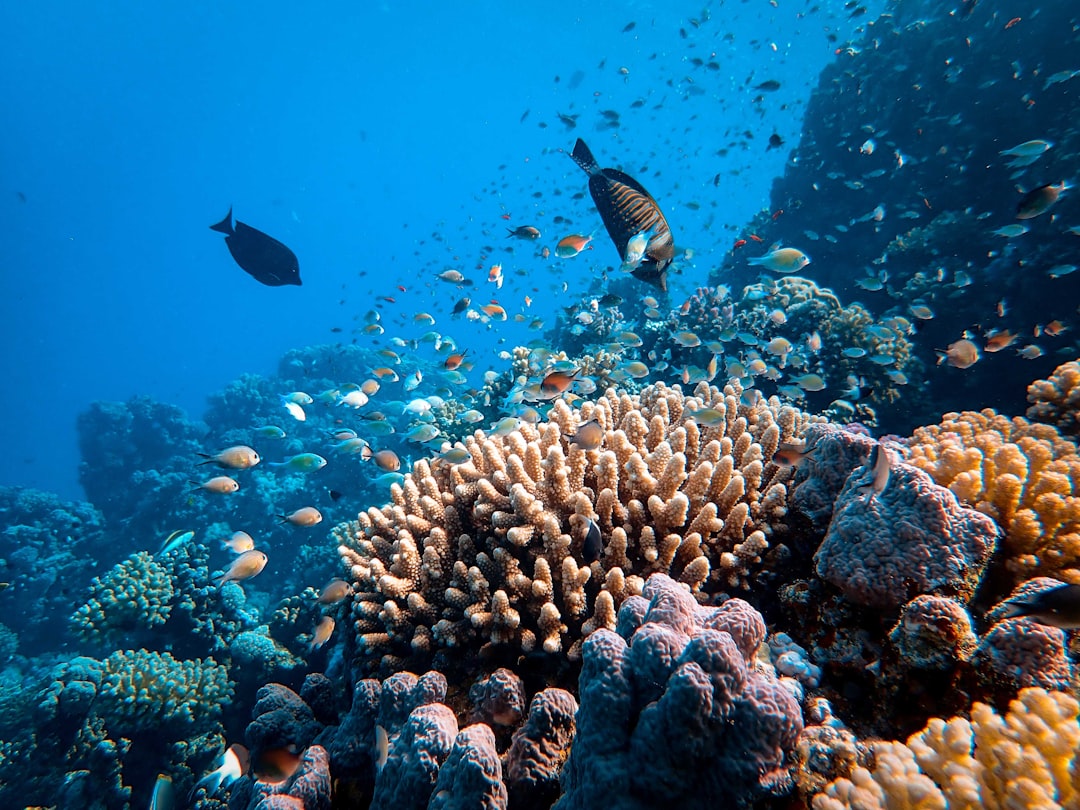
Coral reefs, which serve as vital habitats for countless marine species, can be particularly vulnerable to changes in water quality and temperature caused by radiation. The delicate balance of these ecosystems can be thrown into disarray, leading to shifts in species composition and loss of habitat. As scientists study these impacts, they uncover a complex web of interactions that highlight the fragility of marine life in the face of human-induced disasters.
Unexpected Resilience of Ocean Life
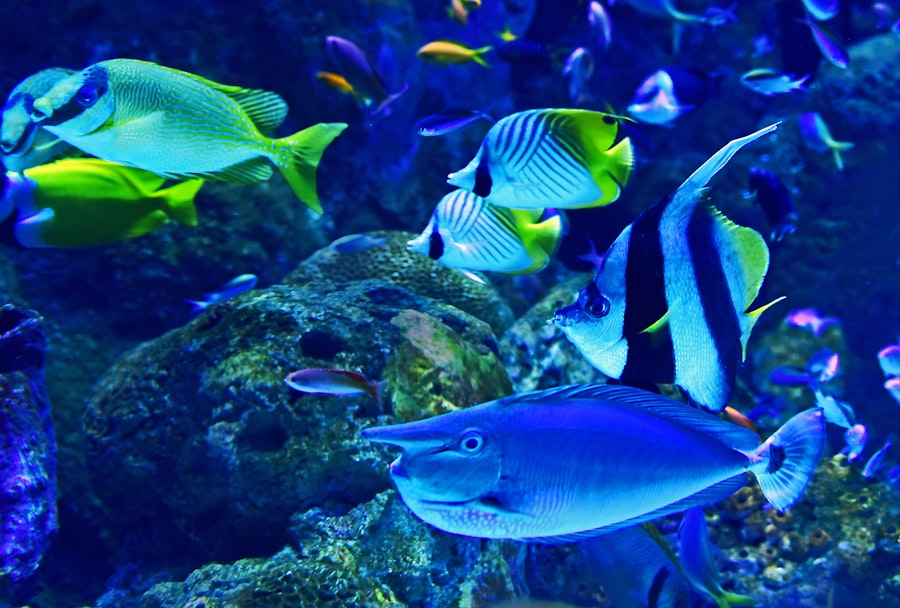
Despite the dire consequences of nuclear disasters, there is a remarkable story of resilience among ocean life. Many species have demonstrated an ability to adapt to changing conditions, showcasing nature’s inherent capacity for recovery. For instance, certain fish populations have shown signs of genetic adaptation that allow them to thrive in contaminated waters.
This unexpected resilience challenges preconceived notions about the vulnerability of marine ecosystems and highlights the potential for recovery even in the most adverse conditions. Research has revealed that some marine organisms possess unique biological mechanisms that enable them to withstand high levels of radiation. These adaptations may include enhanced DNA repair processes or specialized cellular structures that mitigate damage from radioactive exposure.
Such findings not only provide insight into the resilience of marine life but also open avenues for further research into bioremediation strategies that could aid in restoring affected ecosystems. The ability of certain species to flourish in environments previously deemed inhospitable serves as a testament to nature’s tenacity.
Species Thriving in the Absence of Human Activity
| Species | Location | Population | Threat Level |
|---|---|---|---|
| Amur Leopard | Russian Far East | 100-120 | Critically Endangered |
| Mountain Gorilla | Virunga Mountains, Africa | 1,000 | Endangered |
| Blue Whale | Various Oceans | 10,000-25,000 | Endangered |
| Snow Leopard | Central and South Asia | 4,000-6,500 | Vulnerable |
In the wake of nuclear disasters, some marine species have thrived in areas where human activity has diminished or ceased altogether. The absence of fishing, shipping, and other anthropogenic pressures allows these species to reclaim their habitats and establish stable populations. For example, in regions surrounding Chernobyl’s exclusion zone, researchers have observed an increase in biodiversity among aquatic organisms as human interference has been significantly reduced.
This phenomenon underscores the importance of understanding how ecosystems can rebound when given the opportunity to recover. Certain species have adapted remarkably well to these new conditions. In areas where human presence has been minimal, populations of fish and crustaceans have rebounded, demonstrating a remarkable capacity for recovery.
The absence of fishing pressure allows these species to grow larger and reproduce more freely, leading to healthier populations over time. This unexpected resurgence highlights the intricate relationship between human activity and marine ecosystems, emphasizing the need for conservation efforts that prioritize habitat protection and restoration.
Role of Radiation in Marine Ecosystems
The role of radiation in marine ecosystems is complex and multifaceted. While radiation is often viewed solely as a harmful agent, it can also play a role in shaping ecological dynamics. In some cases, low levels of radiation may create conditions that favor certain species over others, leading to shifts in community structure.
For instance, some studies suggest that radiation may influence competition among species, allowing more resilient organisms to thrive while others decline. Additionally, radiation can impact nutrient cycling within marine ecosystems. The presence of radioactive isotopes can alter microbial communities that play crucial roles in nutrient processing and energy flow.
These changes can have cascading effects throughout the food web, influencing everything from primary production to predator-prey interactions. Understanding these dynamics is essential for comprehending how ecosystems respond to disturbances and how they may evolve over time.
Potential Long-Term Effects on Ocean Life
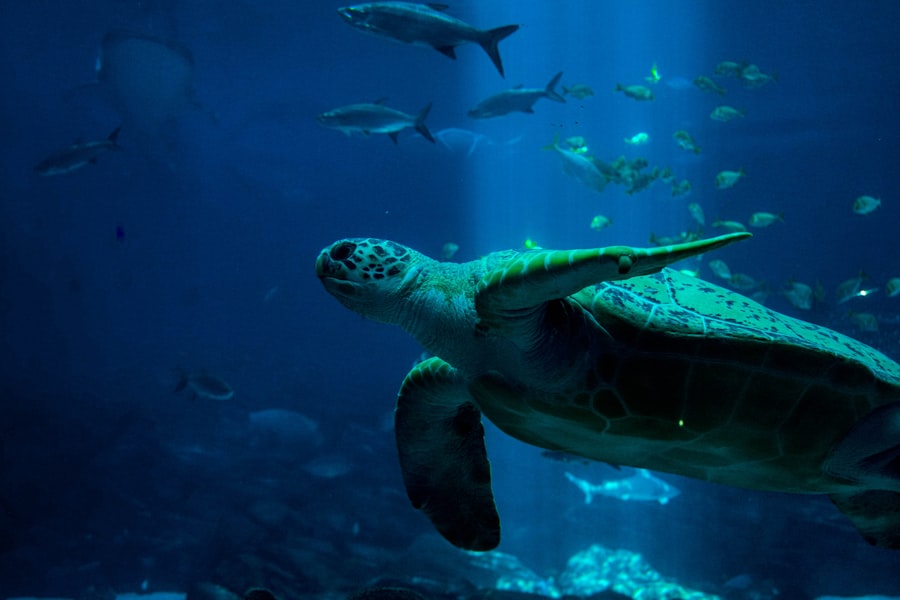
The long-term effects of nuclear disasters on ocean life remain a subject of ongoing research and debate. While some species may exhibit resilience in the short term, the cumulative impacts of radiation exposure could lead to significant changes in population dynamics and community structure over time. Scientists are particularly concerned about the potential for genetic mutations to accumulate within populations, which could affect their viability in the long run.
Moreover, as ecosystems undergo shifts due to radiation exposure, there is a risk that certain species may become more susceptible to other stressors such as climate change or pollution. The interplay between these factors complicates predictions about future ecological outcomes. Understanding these long-term effects is crucial for developing effective conservation strategies that address both immediate threats and ongoing challenges facing marine life.
Scientific Studies and Research Findings
Numerous scientific studies have sought to unravel the complexities surrounding nuclear disasters and their impact on marine life. Research conducted in areas affected by events like Fukushima has provided valuable insights into how ecosystems respond to radiation exposure. For instance, studies have documented changes in fish populations and reproductive success in contaminated waters, shedding light on the biological consequences of radiation.
These studies not only contribute to a growing body of knowledge but also inform policy decisions regarding environmental protection and disaster response strategies. As scientists continue to explore these issues, they uncover new dimensions of resilience and adaptation within marine ecosystems.
Lessons for Conservation and Environmental Protection
The experiences gleaned from nuclear disaster sites offer important lessons for conservation and environmental protection efforts worldwide. One key takeaway is the significance of habitat preservation and restoration in promoting ecological resilience. By minimizing human interference in sensitive areas, conservationists can create conditions conducive to recovery for various species.
Furthermore, understanding the adaptive capacities of marine life can inform strategies aimed at mitigating the impacts of future environmental disturbances. By recognizing that some species may thrive under certain conditions, conservationists can develop targeted interventions that support biodiversity while allowing natural processes to unfold. These lessons emphasize the need for a holistic approach to environmental protection that considers both human activity and natural recovery mechanisms.
Balancing Human Intervention and Natural Recovery
Striking a balance between human intervention and natural recovery is essential for fostering resilient marine ecosystems. While active restoration efforts can be beneficial in certain contexts, there is also value in allowing nature to take its course in areas impacted by nuclear disasters. This approach recognizes that ecosystems possess inherent mechanisms for recovery that may be disrupted by excessive human involvement.
In practice, this balance requires careful consideration of local conditions and species dynamics. Conservationists must assess when intervention is necessary—such as in cases where critical habitats are at risk—and when it may be more effective to step back and allow natural processes to unfold. By adopting a flexible approach that prioritizes both human stewardship and ecological integrity, it is possible to promote sustainable outcomes for marine life.
Future Implications for Nuclear Disaster Sites
The future implications for nuclear disaster sites are complex and multifaceted. As research continues to unveil the intricacies of how marine life responds to radiation exposure, there is potential for developing innovative strategies aimed at mitigating harm while promoting recovery. Understanding these dynamics will be crucial as society navigates the challenges posed by nuclear energy production and its associated risks.
Moreover, as climate change continues to exert pressure on marine ecosystems globally, insights gained from studying nuclear disaster sites may inform broader conservation efforts aimed at enhancing resilience across diverse habitats. By recognizing the interconnectedness of environmental stressors—whether from radiation or climate change—scientists and conservationists can work collaboratively toward sustainable solutions that benefit both human communities and marine life.
Hope for the Future of Ocean Life
In conclusion, while nuclear disasters present significant challenges for marine life, they also reveal a narrative of resilience and adaptation that offers hope for the future. The ability of certain species to thrive in altered environments underscores nature’s remarkable capacity for recovery when given the opportunity. As scientists continue to study these phenomena, they uncover valuable lessons that can inform conservation efforts aimed at protecting vulnerable ecosystems.
The journey toward understanding the impacts of nuclear disasters on marine life is ongoing, but it serves as a reminder of the importance of safeguarding our oceans for future generations. By fostering a deeper appreciation for the complexities of marine ecosystems and recognizing their inherent resilience, society can work toward creating a more sustainable relationship with the natural world—one that honors both human ingenuity and nature’s enduring strength.
In exploring the resilience of ocean life at nuclear ground zero, it’s fascinating to consider the broader implications of how marine ecosystems adapt to extreme conditions. A related article that delves into the adaptability of marine environments can be found on MyGeoQuest. This piece provides insights into how various species have evolved to thrive in challenging habitats, offering a broader context to the survival strategies observed in nuclear-affected zones. For more information, you can read the full article on MyGeoQuest.
FAQs
What is the article “Ocean life at nuclear ground zero” about?
The article “Ocean life at nuclear ground zero” discusses the impact of nuclear disasters on marine life, specifically focusing on the aftermath of the Fukushima Daiichi nuclear disaster in Japan.
What happened at Fukushima Daiichi nuclear disaster?
The Fukushima Daiichi nuclear disaster occurred in March 2011 when a massive earthquake and tsunami damaged the nuclear power plant, leading to meltdowns in three of its six reactors. This resulted in the release of radioactive materials into the environment, including the nearby Pacific Ocean.
How did the Fukushima Daiichi nuclear disaster affect ocean life?
The release of radioactive materials into the Pacific Ocean had a significant impact on marine life in the vicinity of the nuclear power plant. It led to contamination of seawater, sediment, and marine organisms, affecting the health and ecosystem of the marine environment.
What are the long-term effects of the Fukushima Daiichi nuclear disaster on ocean life?
The long-term effects of the Fukushima Daiichi nuclear disaster on ocean life include the bioaccumulation of radioactive materials in marine organisms, potential genetic and reproductive damage, and the disruption of marine food chains. These effects continue to be studied and monitored by scientists.
How are scientists monitoring the impact of the Fukushima Daiichi nuclear disaster on ocean life?
Scientists are monitoring the impact of the Fukushima Daiichi nuclear disaster on ocean life through various methods, including the collection and analysis of water and sediment samples, as well as the study of marine organisms to assess the levels of radioactive contamination and its effects on the ecosystem.
What are the implications of the Fukushima Daiichi nuclear disaster for ocean conservation and management?
The Fukushima Daiichi nuclear disaster has raised concerns about the potential long-term effects of nuclear accidents on ocean ecosystems and the need for improved monitoring, conservation, and management strategies to mitigate the impact of such disasters on marine life.