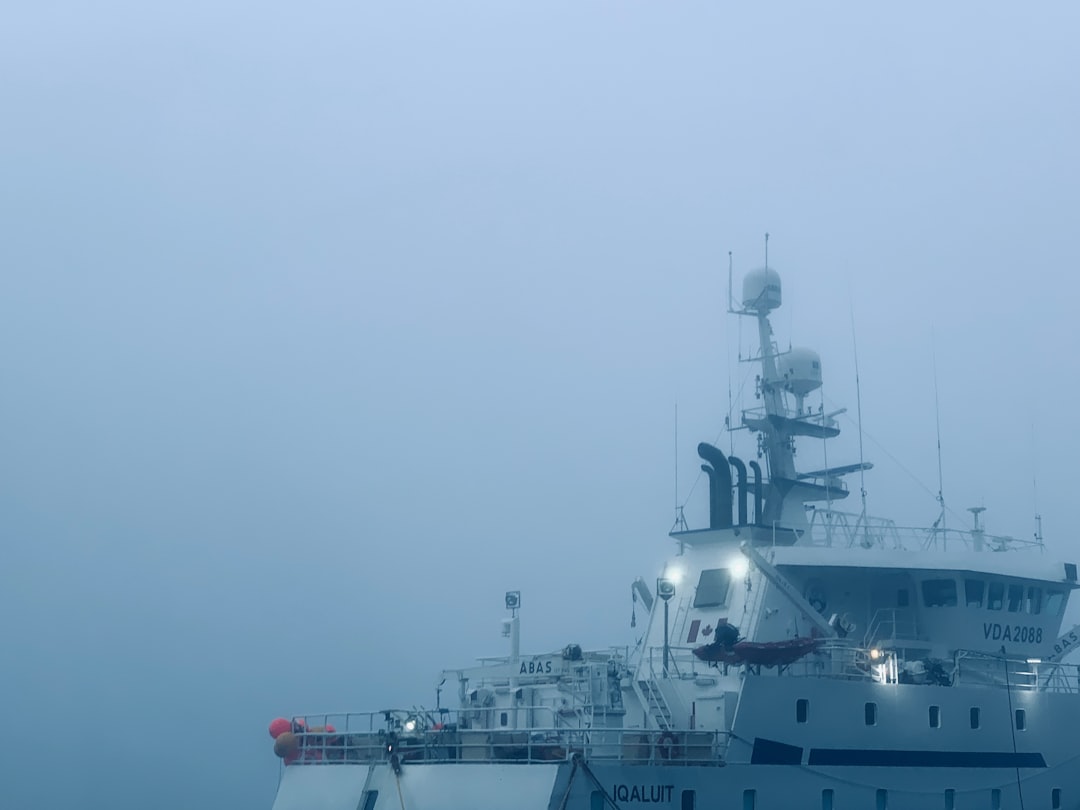
Ocean floor surveillance plays a crucial role in understanding and managing the vast and largely unexplored underwater world. The ocean floor, which covers more than 70% of the Earth’s surface, is home to a myriad of ecosystems, resources, and geological features that are essential for both environmental health and human activity. Monitoring this hidden realm is vital for various reasons, including resource management, environmental protection, and national security.
As human activities increasingly encroach upon marine environments, the need for effective surveillance has never been more pressing. The significance of ocean floor surveillance extends beyond mere observation; it encompasses the collection of data that informs policy decisions, conservation efforts, and disaster preparedness. By understanding the dynamics of underwater ecosystems, scientists can better predict the impacts of climate change, pollution, and overfishing.
Furthermore, surveillance aids in the identification of natural resources such as oil, gas, and minerals, which are critical for energy production and economic growth. In essence, ocean floor surveillance serves as a foundational element for sustainable management of marine resources and the protection of biodiversity.
Key Takeaways
- Ocean floor surveillance is crucial for national security, environmental protection, and scientific research.
- Advanced technology such as autonomous underwater vehicles and sonar systems are used for monitoring below the waves.
- Military applications of ocean floor surveillance include submarine detection, mine detection, and intelligence gathering.
- Environmental monitoring and protection involve tracking marine life, mapping ocean habitats, and detecting pollution.
- Challenges of monitoring the ocean floor include extreme depths, harsh conditions, and limited access to remote areas.
Technology Used for Monitoring Below the Waves
The advancement of technology has revolutionized the way ocean floor surveillance is conducted. Various tools and methodologies have been developed to explore and monitor the depths of the ocean with unprecedented precision. One of the most significant innovations is the use of remotely operated vehicles (ROVs) and autonomous underwater vehicles (AUVs).
These unmanned crafts are equipped with high-resolution cameras, sonar systems, and sensors that allow researchers to gather data from areas that are otherwise inaccessible to human divers. In addition to ROVs and AUVs, satellite technology has also become an integral part of ocean monitoring. Satellites equipped with synthetic aperture radar (SAR) can detect changes in sea surface conditions, which can indicate underwater geological activity or oil spills.
Coupled with advanced data analytics and machine learning algorithms, these technologies enable scientists to process vast amounts of information quickly and accurately. The integration of these various technologies not only enhances the efficiency of ocean floor surveillance but also provides a more comprehensive understanding of underwater environments.
Military Applications of Ocean Floor Surveillance

The military has long recognized the strategic importance of ocean floor surveillance. Nations invest heavily in monitoring underwater activities to safeguard their interests and maintain national security. Surveillance technologies are employed to detect submarines, monitor naval exercises, and track potential threats in real-time.
The ability to gather intelligence from the ocean floor can provide a significant advantage in military operations, allowing for informed decision-making and strategic planning. Moreover, ocean floor surveillance plays a critical role in anti-submarine warfare (ASW). By utilizing advanced sonar systems and underwater drones, military forces can identify and track enemy submarines that may pose a threat to national security.
This capability is particularly important in contested maritime regions where tensions may escalate. As geopolitical dynamics shift, the demand for sophisticated ocean floor surveillance technologies continues to grow, prompting nations to enhance their capabilities in this domain.
Environmental Monitoring and Protection
| Metrics | Data |
|---|---|
| Air Quality Index | 78 |
| Water Pollution Level | Low |
| Carbon Emissions | 2.5 tons per capita |
| Protected Natural Areas | 15% |
Beyond military applications, ocean floor surveillance is essential for environmental monitoring and protection. The health of marine ecosystems is intricately linked to human activities such as fishing, shipping, and offshore drilling. By monitoring the ocean floor, scientists can assess the impacts of these activities on marine life and habitats.
This information is crucial for developing effective conservation strategies aimed at preserving biodiversity and ensuring the sustainability of marine resources. Additionally, ocean floor surveillance aids in detecting environmental hazards such as underwater landslides, volcanic eruptions, and toxic waste disposal. Early detection of these events can mitigate their impact on coastal communities and marine ecosystems.
For instance, monitoring sediment movement on the ocean floor can provide insights into potential landslides that could trigger tsunamis. By investing in comprehensive surveillance systems, governments and organizations can better protect marine environments and promote resilience against climate change.
Challenges of Monitoring the Ocean Floor
Despite the advancements in technology, monitoring the ocean floor presents numerous challenges. The vastness and depth of the oceans make it difficult to achieve comprehensive coverage. Many areas remain unexplored or poorly understood due to logistical constraints and high costs associated with deep-sea exploration.
Furthermore, harsh underwater conditions such as extreme pressure, low temperatures, and limited visibility complicate data collection efforts. Another significant challenge is the integration of data from various sources. Ocean floor surveillance generates vast amounts of information from different technologies, including sonar readings, video footage, and environmental sensors.
Analyzing this data requires sophisticated algorithms and interdisciplinary collaboration among scientists, engineers, and policymakers. Ensuring that data is accurate, reliable, and accessible remains a critical hurdle in advancing ocean floor monitoring initiatives.
International Collaboration in Ocean Floor Surveillance
Given the global nature of oceanic ecosystems and maritime security concerns, international collaboration is essential for effective ocean floor surveillance. Many countries recognize that shared knowledge and resources can enhance monitoring efforts and address common challenges. Collaborative initiatives often involve joint research projects, data sharing agreements, and coordinated response strategies for environmental disasters or security threats.
Organizations such as the United Nations Convention on the Law of the Sea (UNCLOS) play a pivotal role in facilitating international cooperation on ocean governance. By establishing legal frameworks for resource management and environmental protection, UNCLOS encourages nations to work together in monitoring their maritime domains. Such collaboration not only strengthens global security but also fosters a sense of shared responsibility for protecting the world’s oceans.
Underwater Communication and Data Transmission
Effective communication is vital for successful ocean floor surveillance operations. The transmission of data collected from underwater sensors or vehicles poses unique challenges due to the limitations of radio waves in water. As a result, researchers have developed alternative communication methods such as acoustic modems that utilize sound waves to transmit information over long distances underwater.
These acoustic communication systems enable real-time data sharing between underwater vehicles and surface stations or other vessels. However, they also come with limitations such as lower bandwidth compared to traditional wireless communication methods. Researchers are continually exploring innovative solutions to enhance underwater communication capabilities, including optical communication systems that utilize light signals for faster data transmission.
Potential Threats and Risks Below the Waves
While ocean floor surveillance offers numerous benefits, it also raises concerns about potential threats and risks associated with monitoring activities. One significant issue is the potential for military escalation in contested maritime regions. As nations enhance their surveillance capabilities, there is a risk of misinterpretation or miscalculation that could lead to conflicts or confrontations at sea.
Additionally, increased human activity on the ocean floor raises concerns about environmental degradation. Activities such as deep-sea mining or drilling can disrupt fragile ecosystems and lead to irreversible damage if not carefully managed. Surveillance efforts must balance the need for resource extraction with environmental protection to ensure sustainable practices are upheld.
Future Developments in Ocean Floor Surveillance
The future of ocean floor surveillance is poised for significant advancements as technology continues to evolve. Innovations in artificial intelligence (AI) and machine learning are expected to enhance data analysis capabilities, allowing researchers to extract valuable insights from complex datasets more efficiently. Furthermore, improvements in sensor technology will enable more precise monitoring of underwater environments.
The integration of autonomous systems into ocean floor surveillance will also play a crucial role in future developments. AUVs equipped with advanced navigation systems will be able to conduct long-duration missions with minimal human intervention. This capability will expand the reach of monitoring efforts into previously inaccessible areas while reducing operational costs.
Legal and Ethical Considerations in Military Monitoring
As military applications of ocean floor surveillance expand, legal and ethical considerations become increasingly important. The use of surveillance technologies raises questions about privacy rights, sovereignty issues, and compliance with international law. Nations must navigate complex legal frameworks governing maritime boundaries while ensuring that their monitoring activities do not infringe upon the rights of other states.
The potential consequences of military operations on fragile underwater habitats must be carefully weighed against national security interests. Striking a balance between security needs and environmental protection is essential for fostering responsible practices in ocean floor monitoring.
The Role of Ocean Floor Surveillance in National Security
Ultimately, ocean floor surveillance serves as a cornerstone for national security strategies in an increasingly interconnected world. The ability to monitor underwater activities provides nations with critical intelligence that informs defense policies and operational readiness. As geopolitical tensions rise in various regions, maintaining robust surveillance capabilities becomes paramount for safeguarding national interests.
Moreover, ocean floor surveillance contributes to broader security objectives by promoting stability in maritime regions through transparency and cooperation among nations. By sharing information about underwater activities and collaborating on monitoring efforts, countries can build trust and reduce the likelihood of conflicts arising from misunderstandings or miscalculations at sea. In conclusion, ocean floor surveillance is an essential component of modern society’s efforts to understand and protect our oceans while addressing national security concerns.
As technology continues to advance and international collaboration strengthens, the potential for effective monitoring will only grow, paving the way for a more sustainable future for our planet’s vital marine ecosystems.
Recent advancements in military surveillance of the ocean floor have raised significant concerns regarding national security and environmental impact. For a deeper understanding of the implications of these technologies, you can read more in this related article on military applications and oceanic monitoring at My Geo Quest. This article explores the balance between security needs and the preservation of marine ecosystems, highlighting the ongoing debates in the field.
WATCH THIS! The Map You Can’t See is Controlling the World
FAQs
What is military surveillance of the ocean floor?
Military surveillance of the ocean floor involves the use of various technologies and methods by military forces to monitor and gather information about underwater activities, such as submarine movements, underwater infrastructure, and potential threats.
What technologies are used for military surveillance of the ocean floor?
Military forces use a variety of technologies for ocean floor surveillance, including sonar systems, unmanned underwater vehicles (UUVs), autonomous underwater vehicles (AUVs), and satellite imaging.
Why is military surveillance of the ocean floor important?
Military surveillance of the ocean floor is important for national security and defense purposes. It allows military forces to monitor and track potential threats, such as enemy submarines, and to gather intelligence about underwater activities in strategic locations.
How do military forces use the information gathered from ocean floor surveillance?
The information gathered from ocean floor surveillance is used by military forces to assess potential threats, plan and conduct military operations, and maintain situational awareness in maritime environments.
Are there any international regulations or agreements regarding military surveillance of the ocean floor?
There are international regulations and agreements, such as the United Nations Convention on the Law of the Sea (UNCLOS), that govern the use of military surveillance technologies in international waters. These regulations aim to prevent unauthorized surveillance and protect the rights of coastal states.