Ocean acidification is a pressing environmental issue that has garnered increasing attention in recent years. It refers to the process by which the ocean becomes more acidic due to the absorption of excess carbon dioxide (CO2) from the atmosphere. As human activities, particularly the burning of fossil fuels, release significant amounts of CO2, approximately 30% of this greenhouse gas is absorbed by the oceans.
This absorption leads to a series of chemical reactions that decrease the pH of seawater, making it more acidic. The implications of this phenomenon are profound, affecting not only marine ecosystems but also the livelihoods of millions of people who depend on the ocean for food and economic stability. The consequences of ocean acidification are particularly concerning for regions like the Mediterranean Sea, which is already facing numerous environmental challenges.
As the pH levels drop, the delicate balance of marine life is disrupted, leading to potential shifts in species composition and ecosystem health. Understanding ocean acidification and its effects is crucial for developing effective strategies to mitigate its impact and protect marine biodiversity.
Key Takeaways
- Ocean acidification poses a significant threat to the unique marine ecosystem of the Mediterranean Sea.
- Key vulnerable species include corals and seagrasses, which are crucial for biodiversity and habitat structure.
- Acidification disrupts food web dynamics, impacting fish populations and overall marine health.
- Economic consequences are severe for Mediterranean fisheries reliant on affected species.
- Effective mitigation requires international collaboration, ongoing research, and comprehensive monitoring efforts.
The Mediterranean as a Unique Ecosystem
The Mediterranean Sea is renowned for its rich biodiversity and unique ecological characteristics. It is home to a diverse array of marine species, many of which are endemic, meaning they are found nowhere else on Earth. The Mediterranean’s complex geography, with its numerous islands, coastal habitats, and varying depths, creates a mosaic of environments that support a wide range of marine life.
From vibrant coral reefs to expansive seagrass meadows, the Mediterranean hosts ecosystems that are not only beautiful but also vital for maintaining ecological balance. However, this unique ecosystem is under threat from various anthropogenic pressures, including overfishing, pollution, and climate change. The Mediterranean Sea is one of the most impacted bodies of water globally, with rising temperatures and changing salinity levels exacerbating existing challenges.
As ocean acidification unfolds, it poses an additional layer of stress on this fragile ecosystem, potentially leading to irreversible changes in species distribution and habitat integrity.
How Ocean Acidification Affects Marine Life
The effects of ocean acidification on marine life are multifaceted and can vary significantly among different species. One of the most immediate impacts is on calcifying organisms, such as mollusks, corals, and certain types of plankton. These organisms rely on calcium carbonate to build their shells and skeletons.
As the acidity of seawater increases, the availability of carbonate ions decreases, making it more difficult for these species to form their structures. This can lead to weaker shells and skeletons, making them more vulnerable to predation and environmental stressors. Beyond calcifying organisms, ocean acidification can also disrupt physiological processes in a wide range of marine species.
Fish, for example, may experience altered behavior and impaired sensory functions due to changes in their environment. Studies have shown that increased acidity can affect fish communication and predator-prey interactions, potentially leading to cascading effects throughout the food web. As these changes unfold, the overall health and resilience of marine ecosystems may be compromised.
Vulnerable Mediterranean Species
Within the Mediterranean Sea, certain species are particularly vulnerable to the effects of ocean acidification. Bivalves such as oysters and clams are at risk due to their reliance on calcium carbonate for shell formation. As pH levels decline, these organisms may struggle to maintain their shells, leading to population declines that can have significant repercussions for local fisheries and ecosystems.
Additionally, species like sea urchins and some types of corals are also threatened by changing ocean chemistry. Moreover, the Mediterranean is home to several endemic species that are already facing pressures from habitat loss and climate change. The combination of these stressors with ocean acidification could push some species beyond their limits, leading to local extinctions.
For instance, the Mediterranean monk seal, one of the world’s most endangered marine mammals, may find its prey sources affected by shifts in marine biodiversity caused by acidification. Protecting these vulnerable species is essential not only for their survival but also for maintaining the overall health of the Mediterranean ecosystem.
Impact on Coral Reefs and Seagrasses
| Species | pH Level Impacted | Calcification Rate Change (%) | Growth Rate Change (%) | Reproductive Success | Reference Study |
|---|---|---|---|---|---|
| Mytilus galloprovincialis (Mediterranean mussel) | 7.7 | -25% | -15% | Reduced larval survival | Gazeau et al., 2013 |
| Posidonia oceanica (Seagrass) | 7.8 | N/A (non-calcifying) | +10% | Stable | Marbà et al., 2015 |
| Corallium rubrum (Red coral) | 7.6 | -40% | -30% | Decreased polyp survival | Rodriguez et al., 2016 |
| Patella caerulea (Limpet) | 7.7 | -20% | -10% | Reduced recruitment | Thomsen et al., 2014 |
| Ostrea edulis (European oyster) | 7.7 | -35% | -25% | Lower larval settlement | Gazeau et al., 2013 |
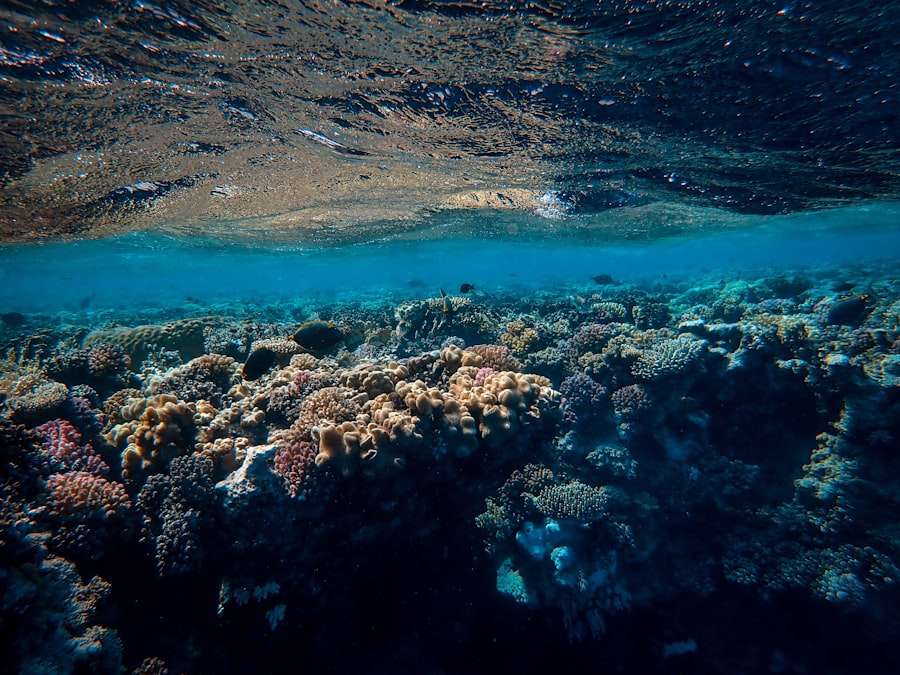
Coral reefs and seagrass meadows are two critical habitats within the Mediterranean that are particularly susceptible to ocean acidification. Coral reefs serve as biodiversity hotspots, providing shelter and food for countless marine organisms. However, as ocean acidity increases, coral polyps struggle to build their calcium carbonate structures effectively.
This can lead to weakened reefs that are more susceptible to bleaching events and disease outbreaks. Seagrasses, on the other hand, play a vital role in coastal ecosystems by stabilizing sediments and providing nursery habitats for various fish species.
As these habitats decline due to acidification and other stressors, the entire ecosystem suffers, leading to reduced biodiversity and diminished ecosystem services.
Changes in Food Web Dynamics
The interconnectedness of marine life means that changes in one part of the ecosystem can have far-reaching effects throughout the food web. Ocean acidification can disrupt these dynamics by affecting key species at various trophic levels. For instance, if calcifying organisms like plankton decline due to increased acidity, this can impact higher trophic levels that rely on them for food.
Fish populations may decline as their prey becomes less abundant, leading to shifts in predator-prey relationships. Furthermore, changes in fish behavior due to altered sensory perception can affect their ability to find food or avoid predators. This disruption can lead to imbalances in fish populations and ultimately impact commercial fisheries that depend on stable fish stocks.
As these changes ripple through the food web, they can result in unforeseen consequences for both marine ecosystems and human communities that rely on them.
Economic Implications for Mediterranean Fisheries
The economic implications of ocean acidification for Mediterranean fisheries are significant and multifaceted.
However, as marine species become increasingly vulnerable to changing ocean conditions, fish stocks may decline or shift in distribution.
This could lead to reduced catches for fishermen and increased competition for dwindling resources. Moreover, the decline of key species such as bivalves and certain fish populations can have cascading effects on local economies that depend on these resources. The loss of biodiversity can also impact tourism related to fishing and marine activities, further straining local economies.
As stakeholders grapple with these challenges, it becomes imperative to develop adaptive management strategies that consider the impacts of ocean acidification on fisheries.
Potential Mitigation Strategies
Addressing ocean acidification requires a multifaceted approach that includes both mitigation and adaptation strategies. Reducing carbon emissions is paramount; transitioning to renewable energy sources and implementing policies aimed at decreasing greenhouse gas emissions can help slow down the rate of acidification. Additionally, promoting sustainable fishing practices can alleviate some pressure on vulnerable marine species while allowing ecosystems time to adapt.
Restoration efforts for critical habitats such as coral reefs and seagrass meadows can also play a role in mitigating the impacts of ocean acidification. By enhancing habitat resilience through restoration projects, ecosystems may be better equipped to withstand changing conditions. Furthermore, raising public awareness about ocean acidification and its effects can foster community engagement in conservation efforts.
Importance of International Collaboration
Given the transboundary nature of oceanic issues like acidification, international collaboration is essential for effective management and mitigation efforts. The Mediterranean Sea is bordered by numerous countries with varying levels of resources and commitment to environmental protection. Collaborative initiatives can facilitate knowledge sharing, research funding, and coordinated policy development aimed at addressing ocean acidification.
International agreements such as the Paris Agreement provide frameworks for countries to work together toward common goals related to climate change and its associated impacts on marine environments. By fostering partnerships among governments, research institutions, and non-governmental organizations (NGOs), stakeholders can develop comprehensive strategies that address both local and global challenges posed by ocean acidification.
Monitoring and Research Efforts
Ongoing monitoring and research efforts are critical for understanding the impacts of ocean acidification on marine ecosystems in the Mediterranean Sea. Establishing long-term monitoring programs can provide valuable data on changes in pH levels, temperature fluctuations, and shifts in species distributions over time. This information is essential for informing management decisions and developing adaptive strategies.
Research initiatives focused on understanding species responses to changing ocean conditions can also contribute to more effective conservation efforts. By studying how different organisms cope with acidification stressors, scientists can identify potential resilience mechanisms that may help certain species adapt over time. Collaborative research efforts involving universities, governmental agencies, and NGOs can enhance knowledge sharing and drive innovation in addressing ocean acidification challenges.
Conclusion and Call to Action
Ocean acidification poses a significant threat to the Mediterranean Sea’s unique ecosystems and the communities that depend on them. The impacts on marine life, vulnerable species, food web dynamics, and fisheries underscore the urgent need for action at both local and global levels. Addressing this issue requires a comprehensive approach that includes reducing carbon emissions, promoting sustainable practices, restoring critical habitats, fostering international collaboration, and investing in research.
As stewards of the planet’s oceans, individuals have a role to play in advocating for policies that prioritize environmental protection and sustainability. By raising awareness about ocean acidification and its consequences, communities can mobilize support for initiatives aimed at safeguarding marine ecosystems for future generations. The time for action is now; protecting the Mediterranean Sea is not just an environmental imperative but a moral obligation toward preserving biodiversity and ensuring economic stability for those who rely on its resources.
Ocean acidification poses a significant threat to marine ecosystems, particularly in the Mediterranean Sea, where various species are already showing signs of stress. A related article that delves into the impact of ocean acidification on Mediterranean species can be found at this link. This article discusses the physiological responses of key marine organisms and highlights the urgent need for conservation efforts to mitigate these changes in their environment.
WATCH THIS! The $10 Trillion Secret: What Happens If The Strait of Gibraltar Closes For Good
FAQs
What is ocean acidification?
Ocean acidification refers to the ongoing decrease in the pH levels of the Earth’s oceans, caused primarily by the uptake of carbon dioxide (CO2) from the atmosphere. When CO2 dissolves in seawater, it forms carbonic acid, which lowers the water’s pH and alters its chemical composition.
How does ocean acidification affect Mediterranean marine species?
Ocean acidification can impact Mediterranean marine species by affecting their ability to build and maintain calcium carbonate structures such as shells and skeletons. This can lead to weaker shells in mollusks and corals, disrupt physiological processes, and alter species interactions and ecosystem dynamics.
Which Mediterranean species are most vulnerable to ocean acidification?
Species that rely heavily on calcium carbonate for their shells or skeletons, such as corals, mollusks (e.g., mussels, oysters), and some plankton species, are particularly vulnerable. Additionally, species with limited mobility or specialized habitat requirements may be more susceptible to changes in ocean chemistry.
What are the potential ecological consequences of ocean acidification in the Mediterranean Sea?
Potential consequences include reduced biodiversity, altered food webs, and compromised ecosystem services such as fisheries and coastal protection. Changes in species composition and abundance can affect the overall health and resilience of Mediterranean marine ecosystems.
Is ocean acidification a recent phenomenon in the Mediterranean Sea?
Ocean acidification is a relatively recent and ongoing process linked to increased atmospheric CO2 levels since the Industrial Revolution. The Mediterranean Sea, due to its semi-enclosed nature and unique circulation patterns, may experience acidification effects differently compared to open oceans.
Can Mediterranean species adapt to ocean acidification?
Some species may have the capacity to adapt or acclimate to changing pH conditions over time, but the rate of acidification may outpace their ability to do so. Adaptation potential varies widely among species and depends on genetic diversity, life history traits, and environmental factors.
What measures are being taken to study and mitigate ocean acidification in the Mediterranean?
Scientists are conducting monitoring programs, laboratory experiments, and field studies to understand acidification impacts on Mediterranean species. Mitigation efforts focus on reducing CO2 emissions globally, protecting vulnerable habitats, and promoting sustainable marine resource management.
How does ocean acidification interact with other environmental stressors in the Mediterranean?
Ocean acidification often interacts with other stressors such as warming temperatures, pollution, overfishing, and habitat loss. These combined pressures can exacerbate negative effects on marine species and ecosystems, making integrated management approaches essential.