North vs. South: The Great Salt Lake Arm Battle
The Great Salt Lake, a vast and saline inland sea, is a natural wonder of the American West. Framed by rugged mountains and stretching across hundreds of square miles, its shimmering expanse belies a complex ecological and political reality. For decades, two distinct arms of the lake, the northern and southern arms, have been locked in an often-heated dispute over water resources and management. This battle, deeply rooted in the region’s history and hydrology, has significant implications for the environment, the economy, and the very future of this iconic body of water.
The Great Salt Lake is not a monolithic entity but rather a dynamic system shaped by geological history and the relentless flow of its tributary rivers. Understanding the origins of the North Arm and South Arm’s distinct identities is crucial to grasping the core of their ongoing conflict.
A Geological Scar and Its Consequences
The lake’s unique geography, particularly the Great Salt Lake Divide, a submerged sill and the Antelope Island land bridge, creates a natural separation between the northern and southern portions. This geological quirk is the bedrock upon which the arm battle is built.
The Antelope Island Barrier
Antelope Island, the largest island in the Great Salt Lake, is not merely a scenic landmark. Its presence, along with the smaller Stansbury Island, acts as a significant physical impediment to water flow. This natural dam effectively bifurcates the lake, influencing salinity levels and ecological conditions in each arm.
The Submerged Sill
Beneath the surface, a submerged sill further exacerbates this division. This underwater ridge restricts the free movement of water between the north and south arms. Consequently, the northern arm, receiving less inflow from major rivers and experiencing higher evaporation rates due to its shallower depth, tends to be more saline than the southern arm. This difference in salinity is not a minor detail; it’s a critical factor that dictates the types of life that can survive in each arm.
Early Water Management: A Patchwork of Interests
From the earliest days of Utah’s settlement, water management has been a paramount concern. The pioneers, facing an arid landscape, quickly recognized the vital importance of every drop of water. Their approach to the Great Salt Lake and its tributaries, however, was often piecemeal, driven by immediate needs rather than comprehensive planning.
The Birth of Irrigation and Diversion
As agriculture took root in the valleys surrounding the lake, the demand for water intensified. Rivers that once flowed freely into the Great Salt Lake were increasingly diverted for irrigation. This early pattern of diversion set a precedent for water use that would continue to shape the lake’s fate for generations to come.
The Unseen Hand of Downstream Effects
The impact of these diversions was not immediately apparent to those on the ground. Yet, the cumulative effect of taking water before it reached the lake began to subtly alter the lake’s hydrology, laying the groundwork for future contention between those who benefited from diversion and those who relied on a fuller lake.
The ongoing debate regarding the ecological and hydrological differences between the North Arm and South Arm of the Great Salt Lake has garnered significant attention in recent studies. For a deeper understanding of these contrasting environments and their respective impacts on local wildlife and water management, you can refer to a related article that explores these themes in detail. To read more, visit this article.
The Salt Dispute: A Growing Chasm
As the population of Utah expanded and the demands on its water resources grew, the differences between the northern and southern arms became more pronounced, transforming a geological separation into a point of significant ecological and economic contention. The very saltiness of the water became a symbol of the divide.
Salinity Levels: A Tale of Two Halves
The most tangible difference between the two arms is their salinity. Scientific measurements consistently show the northern arm to be significantly saltier than the southern arm. This salinity gradient is not static; it fluctuates with the seasons and the volume of water flowing into the lake.
The Northern Arm’s Hyper-Saline Environment
The northern arm, often referred to as the “Great Basin Desert” of the lake, is a hyper-saline environment, boasting levels of salinity that can rival ocean water and, at times, exceed it. This extreme environment supports a specialized ecosystem, primarily populated by brine shrimp and brine flies, which form the base of a unique food web. These hardy organisms are not only crucial to the lake’s ecology but also have economic significance.
The Southern Arm’s Brackish Refuge
In contrast, the southern arm, fed by several major river systems including the Jordan River, the Weber River, and the Great Salt Lake Desert’s own Bear River, maintains a more brackish water profile. Its lower salinity allows for a greater diversity of life, including various species of algae, diatoms, and migratory birds that rely on the lake for habitat and sustenance. This comparatively richer ecosystem makes the southern arm a critical stopover point for millions of migratory birds along the Pacific Flyway.
Economic Value: Different Resources, Different Stakes
The differing ecological characteristics of the two arms translate directly into distinct economic values, fueling the competition for water resource management decisions. What one arm offers, the other often cannot, creating a natural tension.
The Halite Industry’s Northern Roots
The rich mineral deposits in the northern arm have given rise to a substantial halite (salt) extraction industry. Companies operating in this arm harvest vast quantities of salt, primarily for industrial uses such as de-icing roads and chemical production. The concentration of salt in the northern arm makes this operation more efficient and economically viable.
The Southern Arm: Tourism and Biodiversity
The southern arm, with its more diverse bird populations and less extreme salinity, supports a significant tourism industry, particularly for birdwatching. Federal and state wildlife refuges managed around the southern arm draw visitors and generate revenue. Furthermore, the presence of a broader range of flora and fauna contributes to the ecological health of the entire region, a value that is harder to quantify financially but is nonetheless significant.
The Water Wars: A Struggle for Control
The divergent interests and the stark ecological and economic differences between the northern and southern arms naturally lead to disputes over water allocation and management strategies. These are not abstract debates; they are battles fought with policies, studies, and the constant pressure of competing needs.
The River Diversion Dilemma
The core of the water war lies in how the tributary rivers are managed. The rivers that historically fed the Great Salt Lake are now heavily utilized for agriculture, municipal water, and industrial purposes. The decision of how much water is allowed to reach the lake, and in turn, how it distributes between the arms, directly impacts both the environment and the economy.
Agricultural Demands vs. Environmental Flows
Agriculture in Utah is a significant economic pillar, and its water needs are substantial. Farmers rely on river diversions for irrigation, and any reduction in these diversions to allow more water to reach the lake can have a direct impact on their livelihoods. Environmental advocates, however, argue that increased in-flows are essential to prevent the lake from shrinking further and to maintain its ecological integrity.
Municipal Growth and Future Needs
As Utah’s population continues to grow, so does the demand for municipal water. Cities and towns surrounding the lake are increasingly looking to existing water sources, including those that feed into the Great Salt Lake, to meet their expanding needs. This puts further pressure on an already strained system, forcing difficult choices about water allocation.
The Salinity Gradient as a Political Tool
The differing salinity levels have also become a point of political leverage. Any management decision that alters the water balance can disproportionately affect one arm over the other, leading to accusations and counter-accusations.
Maintaining the Northern Arm’s Salinity
The halite industry has a vested interest in maintaining the high salinity of the northern arm. Any action that would significantly dilute the northern arm could impact the efficiency and profitability of salt production, leading to vocal opposition from industry representatives.
Restoring the Southern Arm’s Ecosystem
Conservation groups and those focused on bird migration advocate for increased water flow into the southern arm to improve habitat conditions and support avian populations. They argue that a declining lake level and increasing salinity in the southern arm threaten the delicate balance of its ecosystem.
The Policies and the Players
The management of the Great Salt Lake is a complex tapestry woven with the threads of various governmental agencies, private entities, and public interest groups. Each player has a stake in the outcome, and their actions shape the ongoing battle for the lake’s water.
State and Federal Agencies: The Arbiters of Water
Several state and federal agencies play a crucial role in water management within Utah and the Great Salt Lake basin. Their mandates often overlap, and their decisions can have far-reaching consequences.
The Division of Water Resources: A Balancing Act
The Utah Division of Water Resources is responsible for managing the state’s water resources, which includes overseeing water rights and developing water management plans. This agency is often tasked with balancing the competing demands of agriculture, municipalities, industry, and environmental concerns, a task akin to walking a tightrope over a canyon.
The Bureau of Reclamation: Federal Influence
The Bureau of Reclamation, a federal agency, plays a significant role in managing water infrastructure and resources in the western United States, including those that impact the Great Salt Lake. Its involvement often centers on the development and operation of dams and reservoirs that store and divert water from the lake’s tributaries.
The Advocacy Arena: Voices for and Against Change
A multitude of advocacy groups actively participate in the debate surrounding the Great Salt Lake. These organizations represent diverse interests, from environmental protection to economic development, and their lobbying efforts significantly influence policy decisions.
Environmental and Conservation Organizations
Groups like Utah Audubon and Save Our Great Salt Lake champion the ecological health of the lake, advocating for increased water flows and protective measures for its habitats. They often present scientific data and ecological arguments to support their calls for action, acting as the lake’s conscience.
Industry and Agricultural Lobbies
Conversely, industry groups representing the halite sector and agricultural organizations lobby for policies that prioritize water use for their operations. They emphasize the economic contributions of their sectors and the potential negative impacts of water restrictions, acting as the fiscal guardians of their immediate interests.
The Great Salt Lake is a fascinating natural wonder, and understanding the differences between the North Arm and South Arm can provide valuable insights into its unique ecosystem. For those interested in exploring this topic further, a related article can be found at My Geo Quest, which delves into the environmental and geological distinctions between these two areas. By examining factors such as salinity levels and wildlife habitats, one can appreciate the diverse characteristics that make the Great Salt Lake a remarkable destination.
The Future of the Arms: A Precarious Balance
| Metric | North Arm | South Arm |
|---|---|---|
| Salinity (ppt) | Approximately 270-300 | Approximately 120-150 |
| Surface Area (sq miles) | ~150 | ~950 |
| Average Depth (feet) | ~30 | ~15 |
| Primary Water Source | Bear River | Jordan River and other tributaries |
| Major Industry | Mineral extraction (e.g., magnesium) | Salt harvesting and brine shrimp harvesting |
| Wildlife | Brine shrimp, brine flies, and migratory birds | Brine shrimp, brine flies, and migratory birds |
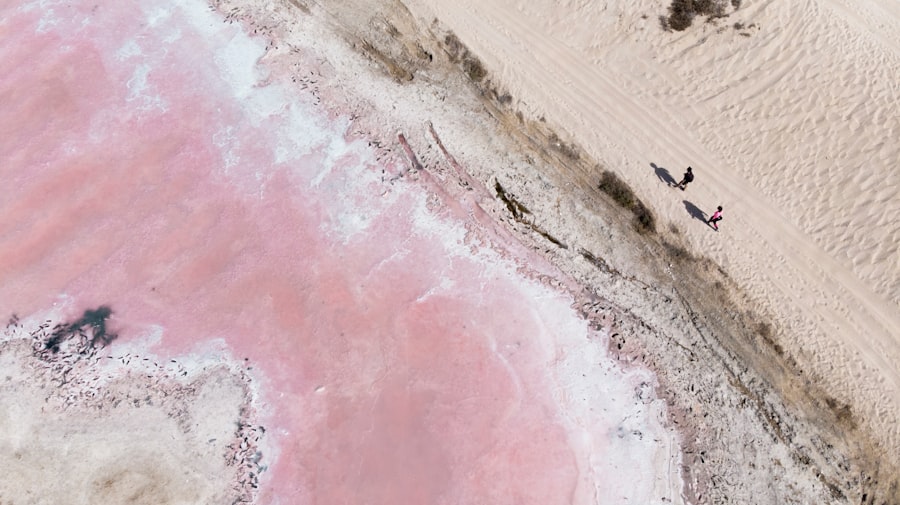
| Water Color | Pinkish due to high salinity and algae | Greenish-blue |
The battle over the Great Salt Lake’s arms is far from over. The lake’s future, and the fate of its two distinct halves, hinges on the ability of stakeholders to find common ground and implement sustainable water management strategies. The challenges are immense, but the consequences of inaction are even greater.
Climate Change and the Shrinking Sea
The overarching threat to the Great Salt Lake, and indeed to many water bodies in the arid West, is climate change. Rising temperatures and altered precipitation patterns are leading to increased evaporation rates and reduced snowpack, exacerbating the water scarcity issues facing the lake. Without significant changes in water use and management, the lake’s decline is likely to continue.
The Evaporation Engine
Warmer temperatures accelerate the rate at which water evaporates from the lake’s surface. This natural process, always at play, becomes a relentless engine of depletion when coupled with reduced inflows, constantly sipping away at the lake’s volume.
Snowpack and Runoff: The Lifeblood
The high mountain snowpack serves as a natural reservoir for the region, storing water that melts off in the spring and summer, feeding the rivers that flow into the Great Salt Lake. Changes in precipitation patterns and earlier snowmelt due to warming temperatures directly impact the volume of water available to replenish the lake.
The Path Forward: Collaboration and Innovation
Addressing the challenges facing the Great Salt Lake requires a paradigm shift in how water is viewed and managed. Moving beyond adversarial approaches and embracing collaboration and innovation will be crucial for ensuring the long-term health of this vital resource. The lake’s arms, once perceived as separate entities in conflict, must increasingly be seen as interconnected parts of a single, vulnerable ecosystem.
Water Conservation and Efficiency
Investing in water conservation and efficiency measures across all sectors is paramount. This includes promoting drought-resistant landscaping, improving irrigation techniques in agriculture, and upgrading water infrastructure in municipalities. Every drop saved is a drop that can potentially contribute to the lake’s health.
Innovative Management Strategies
Exploring innovative water management strategies, such as water banking, conjunctive use of surface and groundwater, and potentially even brine management technologies that can mitigate the environmental impacts of the halite industry, will be essential. These creative solutions can help to stretch existing water supplies and reduce the pressure on the lake.
The Need for a Unified Vision
Ultimately, the future of the Great Salt Lake and its arms depends on the development of a unified vision among all stakeholders. This vision must prioritize the long-term health of the lake above short-term gains and recognize the interconnectedness of the environment, economy, and human communities that depend on it. The battle for the Great Salt Lake’s arms is not just a fight over water; it is a struggle for the soul of a region and a testament to the delicate dance between human needs and the enduring power of nature.
FAQs
What is the Great Salt Lake?
The Great Salt Lake is the largest saltwater lake in the Western Hemisphere, located in the northern part of Utah, USA. It is known for its high salinity and unique ecosystem.
What are the North Arm and South Arm of the Great Salt Lake?
The North Arm and South Arm are two distinct sections of the Great Salt Lake, separated by a causeway. The North Arm is typically saltier and less hospitable to most aquatic life, while the South Arm has lower salinity and supports a more diverse ecosystem.
How does the salinity differ between the North Arm and South Arm?
The North Arm of the Great Salt Lake has a much higher salinity, often exceeding 25%, due to limited water exchange and high evaporation rates. The South Arm has lower salinity levels, generally around 10-15%, because it receives more freshwater inflow and has better circulation.
What impact does the causeway have on the Great Salt Lake?
The causeway divides the lake into the North and South Arms, restricting water flow between them. This separation causes differences in water chemistry, salinity, and ecological conditions, leading to distinct environments in each arm.
Are there differences in wildlife between the North Arm and South Arm?
Yes, the South Arm supports a wider variety of wildlife, including brine shrimp and migratory birds, due to its lower salinity and better habitat conditions. The North Arm’s extreme salinity limits the types of organisms that can survive there, primarily supporting halophilic microorganisms.