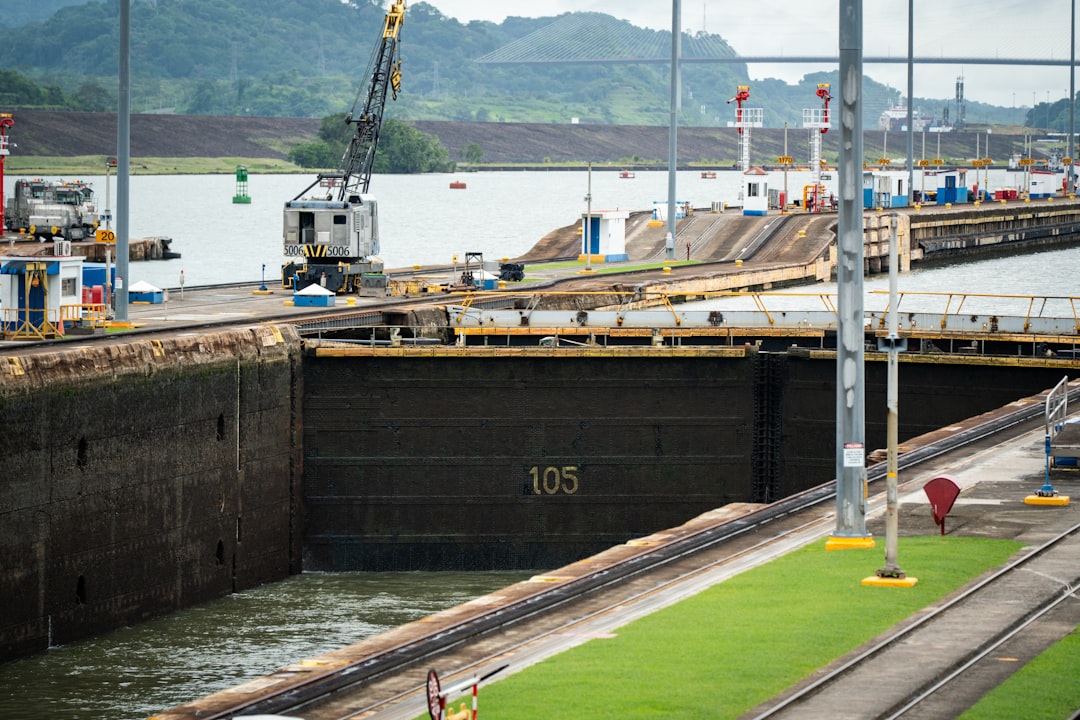
Navigational restrictions in the Panama Canal are a critical aspect of its operations, influencing the efficiency and safety of maritime traffic. The canal, a vital artery for global trade, connects the Atlantic and Pacific Oceans, allowing vessels to avoid the lengthy and perilous route around the southern tip of South America. However, the unique geographical and environmental conditions of the canal necessitate certain navigational limitations.
The significance of understanding these navigational restrictions cannot be overstated. For shipping companies, port authorities, and maritime stakeholders, awareness of these limitations is essential for effective planning and operational efficiency.
As global trade continues to evolve, so too do the challenges associated with navigating this crucial waterway. The following sections will delve into the historical context of the Panama Canal, the types of navigational restrictions in place, their impacts on shipping operations, and the measures being implemented to address these challenges.
Key Takeaways
- The Panama Canal is a vital waterway for global trade, but it faces navigational restrictions that impact shipping operations.
- Navigational restrictions in the Panama Canal include size limitations, draft restrictions, and weather-related limitations.
- These restrictions can lead to delays, increased costs, and safety concerns for shipping operations.
- Measures to mitigate navigational restrictions include dredging, improved technology, and infrastructure upgrades.
- Stakeholders in Panama Canal operations should consider environmental, training, legal, and regulatory aspects when addressing navigational restrictions.
Historical background of the Panama Canal and its importance in global trade
The Panama Canal’s history is a tale of ambition, engineering prowess, and geopolitical significance. Construction began in the early 20th century, with the French initially attempting to build the canal in the 1880s. However, it was not until the United States took over the project in 1904 that significant progress was made.
The canal officially opened on August 15, 1914, revolutionizing maritime trade by drastically reducing travel time between the Atlantic and Pacific Oceans. The strategic importance of the Panama Canal cannot be overstated. It serves as a conduit for approximately 5% of global trade, facilitating the movement of goods ranging from consumer products to raw materials.
The canal has enabled economies to flourish by providing a more efficient route for shipping, thus lowering transportation costs and enhancing trade relationships between nations. Its role in global commerce has only grown over the decades, making it an indispensable asset for international shipping.
Types of navigational restrictions in the Panama Canal
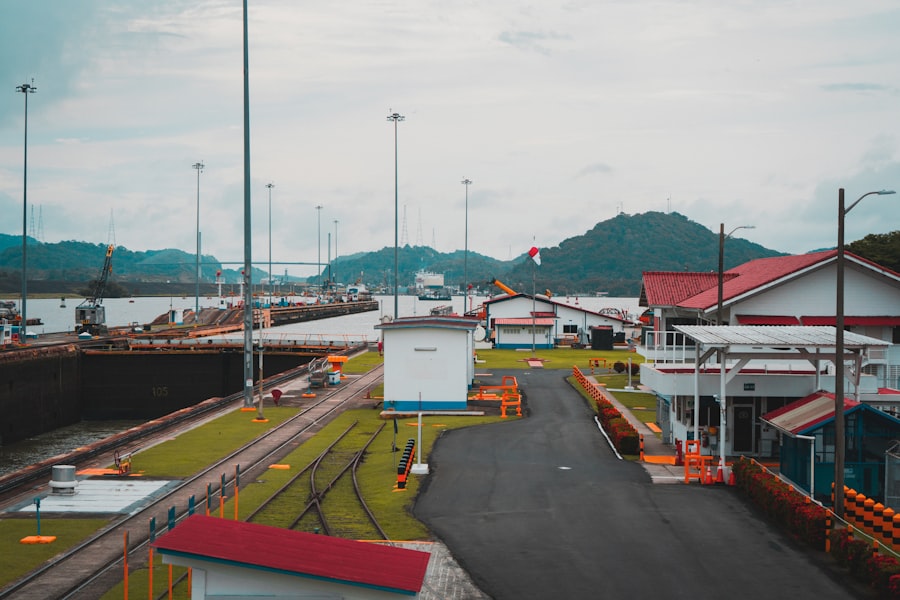
Navigational restrictions in the Panama Canal can be categorized into several types, each addressing specific challenges posed by the canal’s unique environment. One primary restriction is related to vessel size, known as “Panamax” dimensions, which dictate the maximum length, width, and draft a ship can have to transit through the canal. This limitation ensures that vessels can safely navigate through narrow channels and locks without risking collisions or grounding.
Another significant type of restriction involves weather conditions. The canal is susceptible to heavy rainfall and strong winds, particularly during the rainy season. These weather-related factors can lead to temporary closures or delays in transit times, impacting shipping schedules.
Additionally, navigational aids such as buoys and markers are strategically placed throughout the canal to guide vessels safely through its waters, but these aids can also impose restrictions based on visibility and environmental conditions.
Impact of navigational restrictions on shipping operations
| Impact of Navigational Restrictions on Shipping Operations |
|---|
| Increased transit time |
| Higher fuel consumption |
| Increased operational costs |
| Risk of accidents and collisions |
| Decreased efficiency in supply chain |
The navigational restrictions imposed by the Panama Canal have profound implications for shipping operations. For one, they necessitate careful planning and scheduling by shipping companies. Vessels must adhere to specific transit windows and prepare for potential delays due to size limitations or adverse weather conditions.
This can lead to increased operational costs as companies must account for additional fuel consumption and potential rerouting. Moreover, these restrictions can affect global supply chains. Delays in transit through the canal can ripple through various industries, causing disruptions in delivery schedules and inventory management.
For instance, a delay in a container ship’s passage could result in shortages of goods in retail markets or production halts in manufacturing sectors reliant on timely deliveries. Thus, understanding and navigating these restrictions is crucial for maintaining efficiency in global trade.
Measures taken to mitigate navigational restrictions in the Panama Canal
In response to the challenges posed by navigational restrictions, various measures have been implemented to enhance operational efficiency within the Panama Canal. One significant initiative has been the expansion of the canal itself, completed in 2016 with the addition of a new set of locks known as the “Panama Canal Expansion” or “Third Set of Locks.” This expansion allows for larger vessels, known as “New Panamax” or “Neo-Panamax” ships, to transit through the canal, effectively increasing its capacity and reducing congestion. Additionally, improvements in scheduling and traffic management have been introduced to optimize vessel movements through the canal.
The Panama Canal Authority (ACP) has implemented advanced traffic control systems that utilize real-time data to monitor vessel positions and adjust transit schedules accordingly. These measures aim to minimize delays and enhance overall efficiency while ensuring safety standards are maintained.
Technology and infrastructure improvements to address navigational restrictions
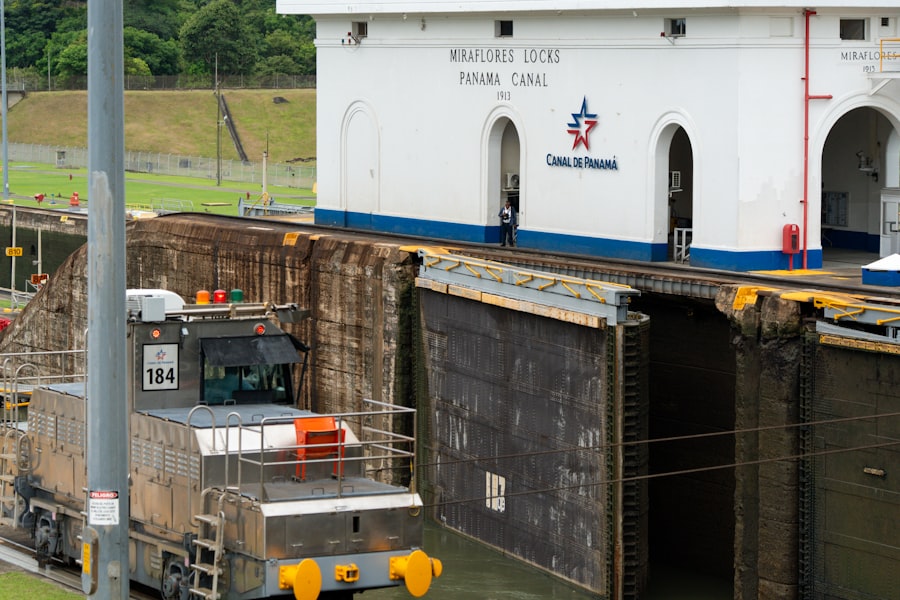
Technological advancements play a pivotal role in addressing navigational restrictions within the Panama Canal. The integration of sophisticated navigation systems has improved vessel tracking and positioning accuracy, allowing for safer and more efficient transits. These systems utilize GPS technology and automated monitoring tools to provide real-time information on vessel movements, weather conditions, and potential hazards.
Infrastructure improvements have also been crucial in mitigating navigational challenges. The maintenance and upgrading of locks, channels, and navigational aids ensure that vessels can navigate safely through the canal’s waters. The ACP has invested significantly in dredging operations to maintain adequate depths in key areas of the canal, preventing grounding incidents that could disrupt traffic flow.
Environmental considerations in navigating the Panama Canal
Navigating the Panama Canal involves not only logistical challenges but also significant environmental considerations. The canal traverses diverse ecosystems that are home to various species of flora and fauna. As such, environmental protection measures are essential to preserve these habitats while facilitating maritime traffic.
One major concern is water quality management within the canal’s artificial lakes and channels. The ACP has implemented measures to monitor and mitigate pollution from vessels transiting through the canal. Additionally, initiatives aimed at controlling invasive species have been established to protect local biodiversity from potential threats posed by foreign vessels.
Training and education for navigating the Panama Canal
Effective navigation through the Panama Canal requires specialized training and education for maritime professionals. The complexities of navigating this waterway necessitate a thorough understanding of its unique characteristics, including its locks, channels, and environmental conditions. As such, training programs have been developed to equip pilots and crew members with the necessary skills to operate safely within this challenging environment.
The ACP offers training courses that cover various aspects of canal navigation, including emergency procedures, communication protocols, and environmental stewardship. These educational initiatives not only enhance safety but also promote a culture of responsibility among maritime professionals navigating through one of the world’s most significant waterways.
Legal and regulatory aspects of navigational restrictions in the Panama Canal
Navigational restrictions within the Panama Canal are governed by a complex framework of legal and regulatory measures designed to ensure safe and efficient operations. The Panama Canal Authority plays a central role in establishing these regulations, which encompass vessel size limitations, transit fees, and safety protocols. Compliance with these regulations is mandatory for all vessels transiting through the canal.
Failure to adhere to established guidelines can result in penalties or delays in transit approval. Furthermore, international maritime laws also influence navigational practices within the canal, as vessels must comply with broader regulations governing shipping safety and environmental protection.
Future outlook for navigational restrictions in the Panama Canal
Looking ahead, the future of navigational restrictions in the Panama Canal will likely be shaped by ongoing developments in global trade patterns and advancements in maritime technology. As shipping demands continue to evolve, there may be further calls for infrastructure enhancements to accommodate larger vessels and increased traffic volumes. Additionally, environmental considerations will remain at the forefront of discussions surrounding navigational restrictions.
Balancing economic growth with ecological preservation will be crucial as stakeholders seek sustainable solutions that support both maritime commerce and environmental stewardship.
Conclusion and key takeaways for stakeholders in Panama Canal operations
In conclusion, navigational restrictions within the Panama Canal are an integral aspect of its operations that significantly impact global trade dynamics. Understanding these restrictions is essential for stakeholders involved in maritime activities, from shipping companies to regulatory authorities. The historical significance of the canal underscores its importance as a vital trade route while highlighting the need for ongoing improvements in technology, infrastructure, and training.
As stakeholders navigate these challenges, collaboration among industry players will be key to ensuring safe and efficient operations within this critical waterway. By embracing innovation and prioritizing environmental considerations, stakeholders can work together to enhance the future outlook for navigational restrictions in the Panama Canal while supporting global trade growth.
These restrictions have led to increased transit times and costs for shipping companies, as vessels are required to carry lighter loads to navigate the canal’s reduced water levels. For more detailed insights into how these changes are affecting international trade and logistics, you can read a related article on the topic by visiting MyGeoQuest. This article delves into the broader implications of the canal’s restrictions and explores potential solutions being considered by industry experts.
😨 WATCH THIS! 🚢 The Panama Canal Is a Ticking Time Bomb: What Happens If It Fails?
FAQs
What are the operational restrictions of the Panama Canal?
The operational restrictions of the Panama Canal refer to limitations on the size, draft, and weight of vessels that can transit through the canal. These restrictions are in place to ensure the safety and efficiency of canal operations.
What are the size restrictions for vessels transiting the Panama Canal?
The maximum size restrictions for vessels transiting the Panama Canal are 366 meters (1,200 feet) in length, 49 meters (160 feet) in width, and 15.2 meters (50 feet) in draft. Vessels that exceed these dimensions are considered to be Panamax or Neopanamax and may require special arrangements to transit the canal.
What are the weight restrictions for vessels transiting the Panama Canal?
The weight restrictions for vessels transiting the Panama Canal are based on their displacement and draft. Vessels with a displacement of more than 52,500 metric tons or a draft of more than 15.2 meters (50 feet) may require special arrangements to transit the canal.
Why are these operational restrictions necessary?
The operational restrictions of the Panama Canal are necessary to ensure the safety of canal operations and to prevent damage to the canal infrastructure. By limiting the size, draft, and weight of vessels, the canal authorities can maintain the integrity of the waterway and prevent accidents or delays.
Are there any plans to change the operational restrictions of the Panama Canal?
The Panama Canal Authority has expanded the canal with the construction of the Neopanamax locks, which can accommodate larger vessels. This expansion has increased the size and draft restrictions for vessels transiting the canal, allowing for the passage of Neopanamax-sized vessels. However, there are currently no plans to further change the operational restrictions of the canal.