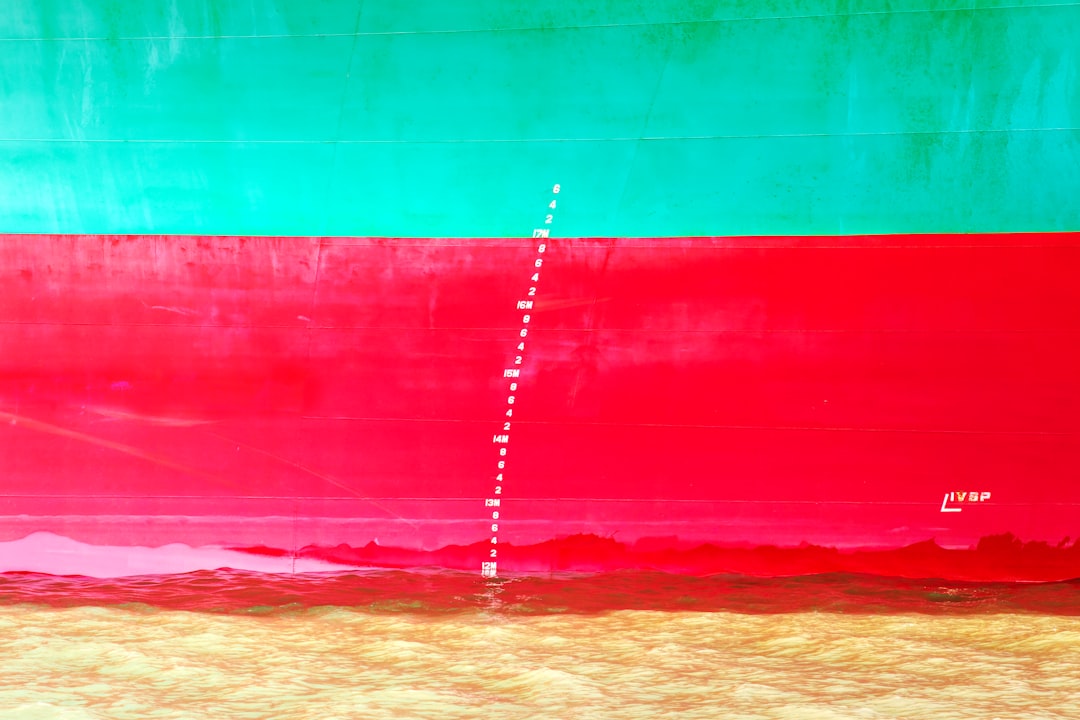
The world’s most critical shipping lane serves as a vital artery for global trade, facilitating the movement of goods and resources across vast distances. This lane, often characterized by its strategic geographical position, connects major economies and enables the flow of essential commodities, including oil, natural gas, and manufactured products. Its significance cannot be overstated, as it accounts for a substantial percentage of the world’s maritime trade.
The economic interdependence fostered by this shipping lane underscores its role in maintaining the stability and growth of international markets. Moreover, the shipping lane is not merely a conduit for trade; it also plays a crucial role in geopolitical dynamics. Nations that control or have access to this lane wield considerable influence over global supply chains and energy security.
The strategic importance of the shipping lane has led to increased military presence and surveillance by various countries, highlighting its role in national security. As global trade continues to expand, the importance of this shipping lane will only grow, making it a focal point for both economic and political interests.
Key Takeaways
- The world’s most critical shipping lane is vital for global trade and economic stability.
- Navigating the shipping lane presents challenges such as congestion, narrow passages, and unpredictable currents.
- Weather and environmental factors like storms, fog, and ice can significantly impact the safety of the shipping lane.
- Safety and security measures, including navigation aids and technology, are crucial for safe passage through the shipping lane.
- The economic impact of the shipping lane is immense, with billions of dollars in goods passing through annually.
Understanding the Challenges of Navigating the Shipping Lane
Navigating the world’s most critical shipping lane presents a myriad of challenges that can impact the efficiency and safety of maritime operations. One of the primary challenges is the sheer volume of traffic that traverses this route. With numerous vessels operating simultaneously, the risk of collisions and accidents increases significantly.
Navigational errors, mechanical failures, and human factors can all contribute to incidents that disrupt trade and pose threats to maritime safety. In addition to traffic congestion, the shipping lane is often fraught with geopolitical tensions that can complicate navigation. Disputes over territorial waters, piracy, and regional conflicts can create hazardous conditions for vessels operating in the area.
Shipowners and operators must remain vigilant and informed about the political climate surrounding the shipping lane to mitigate risks effectively. The combination of high traffic density and geopolitical instability necessitates a comprehensive understanding of the challenges involved in navigating this critical route.
Weather and Environmental Factors Impacting the Shipping Lane
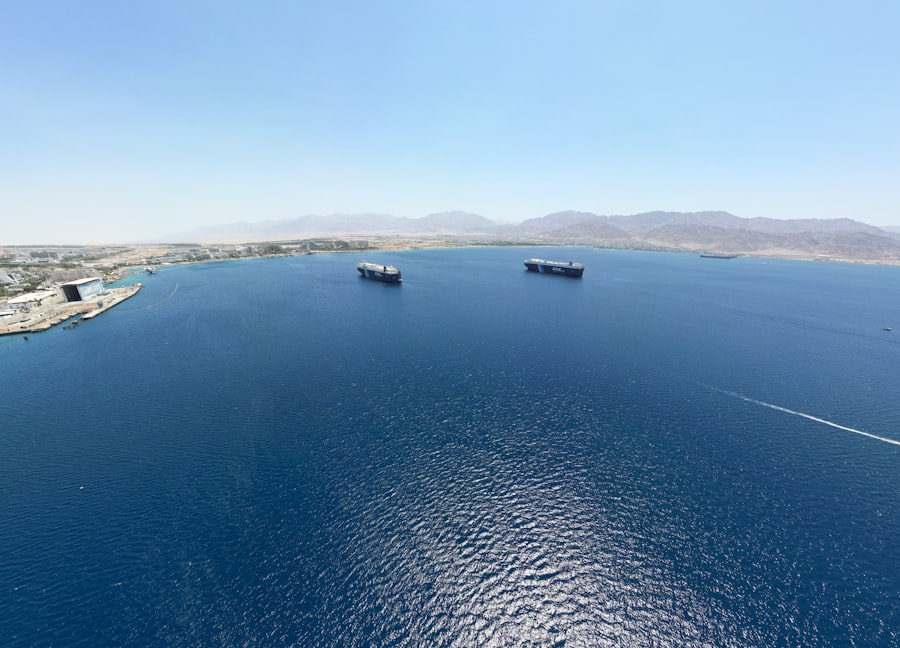
Weather conditions play a pivotal role in the navigation of the world’s most critical shipping lane. Factors such as storms, fog, and strong currents can significantly affect vessel operations, leading to delays and increased operational costs. Mariners must be adept at interpreting weather forecasts and understanding how environmental conditions can impact their routes.
For instance, severe weather events can necessitate course alterations or even port diversions, which can disrupt supply chains and lead to economic repercussions. Environmental factors also extend beyond immediate weather conditions. The shipping lane may be subject to seasonal variations that affect navigability, such as ice formation in colder months or increased traffic during peak shipping seasons.
Additionally, climate change poses long-term challenges, as rising sea levels and changing weather patterns could alter traditional shipping routes. As such, understanding these environmental factors is essential for effective navigation and planning within this critical shipping lane.
Safety and Security Measures for Navigating the Shipping Lane
| Measure | Description | Effectiveness |
|---|---|---|
| Navigation Lights | Lights to indicate the direction and status of a vessel | High |
| Radar Systems | Use of radar to detect other vessels and obstacles | Medium |
| Communication Systems | Use of radio and other communication tools for coordination | High |
| Security Personnel | Presence of security personnel to monitor and respond to threats | High |
Ensuring safety and security in the world’s most critical shipping lane is paramount for protecting vessels, crews, and cargo. Various measures have been implemented to enhance maritime safety, including stringent regulations governing vessel construction, maintenance, and operation. The International Maritime Organization (IMO) plays a crucial role in establishing safety standards that all vessels must adhere to while navigating this vital route.
In addition to regulatory measures, security protocols have been developed to address threats such as piracy and terrorism. The presence of naval patrols and surveillance systems has increased in response to these threats, providing an additional layer of protection for vessels operating in the shipping lane. Shipowners are also encouraged to invest in advanced security technologies, such as anti-piracy systems and real-time tracking capabilities, to safeguard their assets while navigating this critical maritime corridor.
Technology and Navigation Aids for the Shipping Lane
Advancements in technology have revolutionized navigation within the world’s most critical shipping lane, enhancing both safety and efficiency. Modern vessels are equipped with sophisticated navigation systems that utilize satellite technology, radar, and electronic chart display systems to provide real-time information about their surroundings. These tools enable mariners to make informed decisions regarding their routes, helping to avoid potential hazards and optimize travel times.
Furthermore, technology has facilitated improved communication between vessels and shore-based authorities. The implementation of Automatic Identification Systems (AIS) allows ships to share their positions with one another and with coastal monitoring stations, reducing the risk of collisions in congested waters. Additionally, weather forecasting technologies have become increasingly accurate, enabling mariners to anticipate adverse conditions and adjust their plans accordingly.
As technology continues to evolve, it will undoubtedly play an even more significant role in navigating this critical shipping lane.
Economic Impact of the Shipping Lane

The economic impact of the world’s most critical shipping lane is profound, influencing not only individual nations but also global markets as a whole. This shipping route serves as a lifeline for international trade, with billions of dollars’ worth of goods transported through it each year. The efficiency of this lane directly affects supply chains, production schedules, and ultimately consumer prices around the world.
Disruptions in this shipping lane can lead to significant economic consequences, including inflation and shortages of essential goods. Moreover, the economic benefits extend beyond trade alone; they also encompass job creation and regional development. Ports along this shipping lane serve as hubs for commerce and industry, providing employment opportunities for thousands of individuals.
The economic activity generated by these ports contributes to local economies and supports ancillary industries such as logistics, transportation, and manufacturing. As global trade continues to expand, the economic significance of this shipping lane will remain a critical factor in shaping international economic landscapes.
Environmental Concerns and Conservation Efforts in the Shipping Lane
While the world’s most critical shipping lane is essential for global trade, it also raises significant environmental concerns that must be addressed. The increase in maritime traffic has led to heightened pollution levels in surrounding waters due to emissions from ships and potential oil spills from accidents. These environmental impacts threaten marine ecosystems and biodiversity, prompting calls for more sustainable practices within the shipping industry.
In response to these concerns, various conservation efforts have been initiated to protect marine environments along the shipping lane. Initiatives aimed at reducing emissions from vessels are gaining traction, with many countries implementing stricter regulations on fuel quality and encouraging the adoption of cleaner technologies. Additionally, organizations are working to establish marine protected areas that restrict certain activities within sensitive ecosystems.
By balancing economic interests with environmental stewardship, stakeholders can work towards a more sustainable future for this vital shipping route.
International Regulations and Governance of the Shipping Lane
The governance of the world’s most critical shipping lane is shaped by a complex framework of international regulations designed to ensure safe and efficient maritime operations. The International Maritime Organization (IMO) plays a central role in establishing these regulations, which cover various aspects of shipping, including safety standards, environmental protection measures, and crew training requirements. Compliance with these regulations is essential for maintaining order within this busy maritime corridor.
In addition to IMO regulations, regional agreements may also govern specific aspects of navigation within the shipping lane. These agreements often address issues such as fishing rights, territorial disputes, and environmental protection efforts among neighboring countries. The collaborative nature of these governance structures highlights the importance of international cooperation in managing shared maritime resources effectively.
As global trade continues to evolve, ongoing dialogue among nations will be crucial for adapting regulations to meet emerging challenges.
Historical Significance and Evolution of the Shipping Lane
The historical significance of the world’s most critical shipping lane is deeply rooted in its role as a conduit for trade and cultural exchange throughout centuries. Historically, this route has facilitated not only commerce but also the spread of ideas and innovations among civilizations. The evolution of maritime technology has transformed navigation practices over time, allowing vessels to traverse these waters more safely and efficiently than ever before.
As global trade patterns have shifted over time due to geopolitical changes and technological advancements, so too has the importance of this shipping lane evolved. From ancient trading routes used by merchant ships to modern container vessels capable of carrying vast quantities of goods, the development of this shipping lane reflects broader trends in globalization and economic interdependence. Understanding its historical context provides valuable insights into contemporary maritime practices and future developments.
Future Developments and Expansion of the Shipping Lane
Looking ahead, future developments in the world’s most critical shipping lane are likely to be shaped by technological advancements, changing trade patterns, and evolving environmental considerations. As global demand for goods continues to rise, there will be increasing pressure on infrastructure along this route to accommodate larger vessels and higher volumes of traffic. Investments in port facilities and navigational aids will be essential for ensuring that this shipping lane remains efficient and capable of meeting future demands.
Additionally, sustainability will play a pivotal role in shaping future developments within this shipping lane. As concerns about climate change intensify, there will be a growing emphasis on reducing emissions from vessels and adopting greener practices throughout the supply chain. Innovations such as alternative fuels, energy-efficient designs, and automated systems are expected to gain traction as stakeholders seek to balance economic growth with environmental responsibility.
Tips for Navigating the World’s Most Critical Shipping Lane
For those involved in navigating the world’s most critical shipping lane, several key tips can enhance safety and efficiency during operations. First and foremost is thorough preparation; mariners should familiarize themselves with navigational charts specific to this route while staying updated on weather forecasts and potential hazards along their planned course. Utilizing advanced navigation technologies can also provide valuable insights into real-time conditions.
Additionally, maintaining open lines of communication with other vessels operating in the area is crucial for avoiding collisions or misunderstandings during transit through congested waters.
In conclusion, navigating the world’s most critical shipping lane requires a multifaceted approach that considers economic implications alongside safety measures and environmental stewardship efforts.
By understanding its significance within global trade dynamics while remaining vigilant about emerging challenges ahead—stakeholders can work collaboratively towards ensuring its continued success as an essential conduit for commerce worldwide.
The world’s most critical shipping lane plays a pivotal role in global trade, serving as a vital artery for the transportation of goods across continents. Understanding the intricacies of this maritime route is essential for comprehending its impact on international commerce and economic stability. For those interested in exploring more about the geographical and strategic significance of such routes, a related article can be found on MyGeoQuest. This resource delves into various geographical phenomena and their implications on global logistics. To learn more, you can visit the article by clicking on this link.
WATCH THIS! One Narrow Strait Holds Global Economy Hostage
FAQs
What is the world’s most critical shipping lane?
The world’s most critical shipping lane is the Strait of Hormuz, located between the Persian Gulf and the Gulf of Oman.
Why is the Strait of Hormuz considered critical?
The Strait of Hormuz is considered critical because it is one of the most important chokepoints for global oil transportation, with about 20% of the world’s oil passing through it.
What are the potential risks associated with the shipping lane?
Potential risks associated with the shipping lane include geopolitical tensions, piracy, and the threat of maritime accidents or oil spills.
How does the shipping lane impact global trade and energy markets?
The shipping lane impacts global trade and energy markets by serving as a crucial route for the transportation of oil and natural gas from the Middle East to markets around the world.
What measures are in place to ensure the security of the shipping lane?
Measures to ensure the security of the shipping lane include naval patrols, international cooperation, and the presence of military forces from various countries in the region.