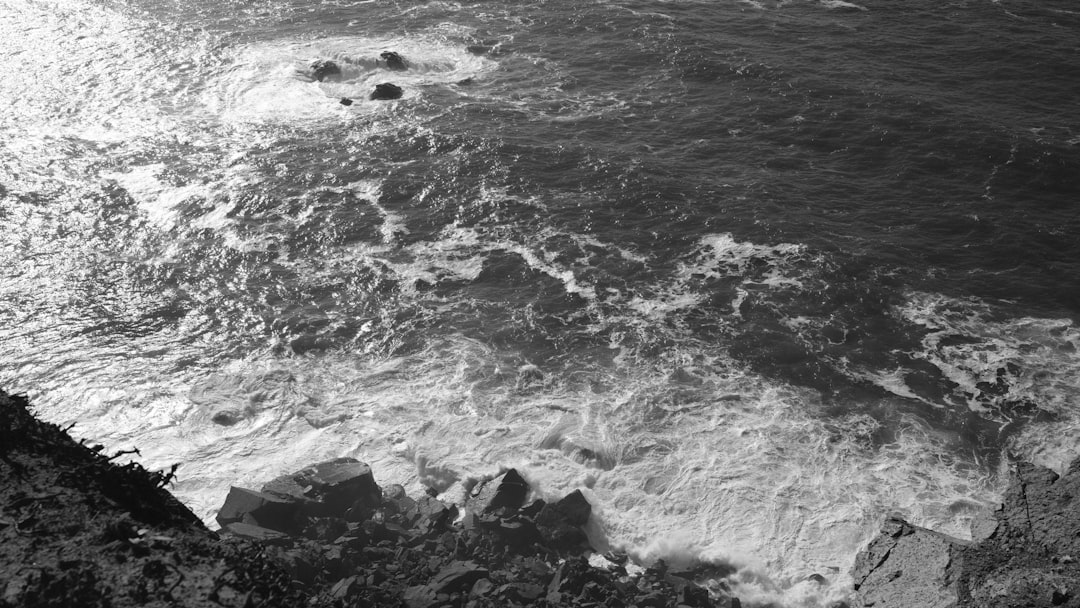
The Southern Ocean surrounds Antarctica and significantly influences Earth’s climate and ecosystems. It is typically defined by the Antarctic Convergence, a boundary where cold, nutrient-rich waters from Antarctica meet warmer waters from the Atlantic, Pacific, and Indian Oceans. This region experiences extreme conditions, including very low temperatures and strong currents, which create distinct ecological characteristics.
The Southern Ocean serves as a critical habitat for diverse marine species and plays an important role in regulating global ocean circulation patterns. The Southern Ocean extends from Antarctica’s coast to 60 degrees south latitude. This region contains varied marine environments, ranging from ice-covered waters to open seas with abundant life.
The ocean’s geography directly affects its biological productivity, making it one of Earth’s most productive marine ecosystems. The Southern Ocean supports numerous species, including krill, seals, whales, and seabirds, which all depend on its nutrient-rich waters for survival.
Key Takeaways
- The Southern Ocean presents unique environmental and navigational challenges due to its extreme weather and remote location.
- It hosts diverse wildlife and marine ecosystems that require careful conservation efforts.
- Navigational hazards include unpredictable storms, icebergs, and strong currents demanding specialized equipment and safety protocols.
- Historical expeditions have contributed valuable knowledge but highlight the need for modern emergency response capabilities.
- Successful navigation relies on advanced technology, thorough preparation, and adherence to environmental protection guidelines.
Unique Challenges of the Southern Ocean
Navigating the Southern Ocean presents a myriad of challenges that are both physical and environmental in nature. The extreme weather conditions, characterized by fierce storms and unpredictable sea states, can pose significant risks to vessels traversing these waters. The ocean’s remoteness adds another layer of difficulty; with limited access to ports and support services, any maritime expedition must be meticulously planned and executed.
The isolation of the Southern Ocean means that help can be far away in case of emergencies, making preparedness essential for anyone venturing into this region. Moreover, the Southern Ocean is subject to unique ecological challenges that arise from climate change and human activity. Melting ice sheets and changing sea temperatures are altering the delicate balance of this ecosystem, impacting species distribution and food webs.
Overfishing and pollution further exacerbate these issues, threatening the biodiversity that thrives in these frigid waters. As such, understanding and addressing these challenges is vital for the preservation of the Southern Ocean’s unique environment. The treacherous waters of the Drake Passage are known for their unpredictable weather and challenging navigation.
Weather and Climate Patterns
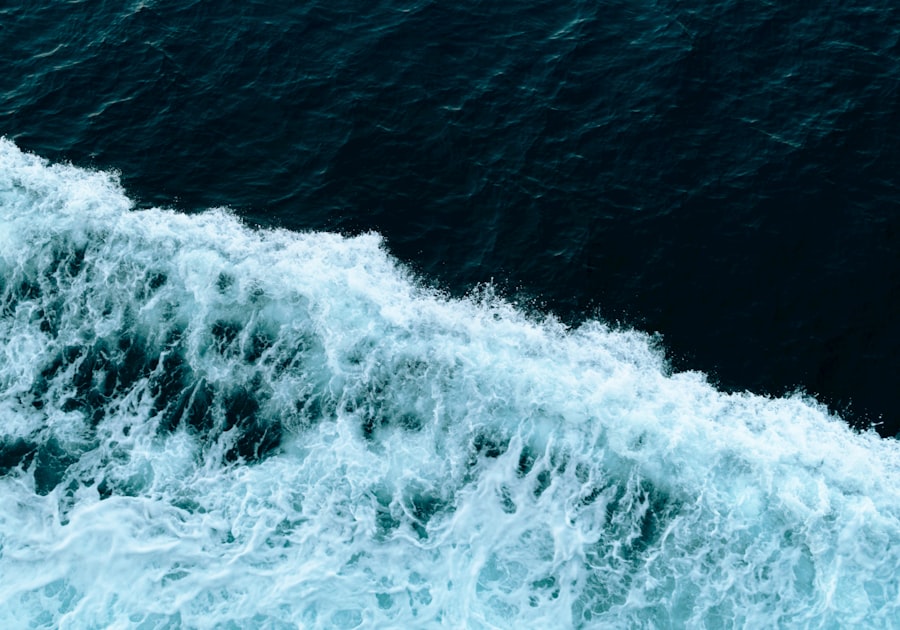
The weather patterns in the Southern Ocean are notoriously volatile, influenced by a combination of geographical features and climatic conditions. The region experiences some of the most severe storms on Earth, with winds that can reach hurricane force and waves that can tower over 30 feet. These storms are often generated by the clash of cold polar air with warmer air masses from the north, creating a tumultuous atmosphere that can change rapidly.
In addition to storms, the Southern Ocean is characterized by its cold temperatures and extensive sea ice coverage. During winter months, sea ice expands dramatically, creating a challenging environment for navigation.
Conversely, during summer months, melting ice can lead to increased shipping traffic as vessels take advantage of more navigable waters. Understanding these seasonal variations is crucial for anyone planning to traverse the Southern Ocean, as they dictate not only weather conditions but also the availability of safe passage.
Wildlife and Marine Life
The Southern Ocean is renowned for its rich biodiversity, serving as a critical habitat for numerous marine species. One of the most iconic inhabitants is the Antarctic krill, a small crustacean that forms the foundation of the food web in this region. Krill populations support a variety of predators, including seals, penguins, and whales.
The abundance of krill is directly linked to the nutrient upwelling that occurs in these waters, making it a vital resource for sustaining marine life. In addition to krill, the Southern Ocean is home to several species of seals, such as the leopard seal and Weddell seal, which thrive in its icy waters. These seals are often seen basking on ice floes or hunting for fish beneath the surface.
The ocean also supports a diverse array of seabirds, including albatrosses and petrels, which rely on the rich marine environment for feeding. The intricate relationships among these species highlight the importance of preserving the delicate balance of life in the Southern Ocean.
Navigational Hazards
| Sea/Ocean | Location | Average Wave Height (meters) | Max Recorded Wave Height (meters) | Notable Characteristics |
|---|---|---|---|---|
| Southern Ocean | Encircling Antarctica | 6-8 | 19.5 | Strongest winds and largest waves due to uninterrupted circumpolar flow |
| North Atlantic Ocean | Between North America and Europe | 4-6 | 15.3 | Frequent storms and hurricanes create rough sea conditions |
| Bay of Biscay | Western coast of France and Northern Spain | 3-5 | 14.2 | Known for sudden storms and high waves |
| Drake Passage | Between South America and Antarctica | 5-7 | 18.3 | Strong currents and winds cause turbulent seas |
| North Sea | Between Great Britain, Scandinavia, Germany, and the Netherlands | 2-4 | 12.5 | Shallow waters amplify wave heights during storms |
Navigating the Southern Ocean is fraught with hazards that can challenge even the most experienced mariners. One of the most significant dangers is the presence of icebergs and sea ice, which can pose serious threats to vessels. Icebergs calve from glaciers and can drift unpredictably in ocean currents, creating potential collision risks.
Additionally, pack ice can obstruct navigation routes, requiring careful planning and real-time adjustments to course. Another navigational hazard in this region is the unpredictable weather patterns that can lead to sudden changes in visibility and sea conditions. Fog can roll in quickly, obscuring landmarks and making it difficult to navigate using traditional methods.
Furthermore, strong currents and eddies can complicate navigation efforts, requiring mariners to have a thorough understanding of local oceanography. Awareness of these hazards is essential for ensuring safe passage through this challenging maritime environment.
Safety Precautions and Protocols
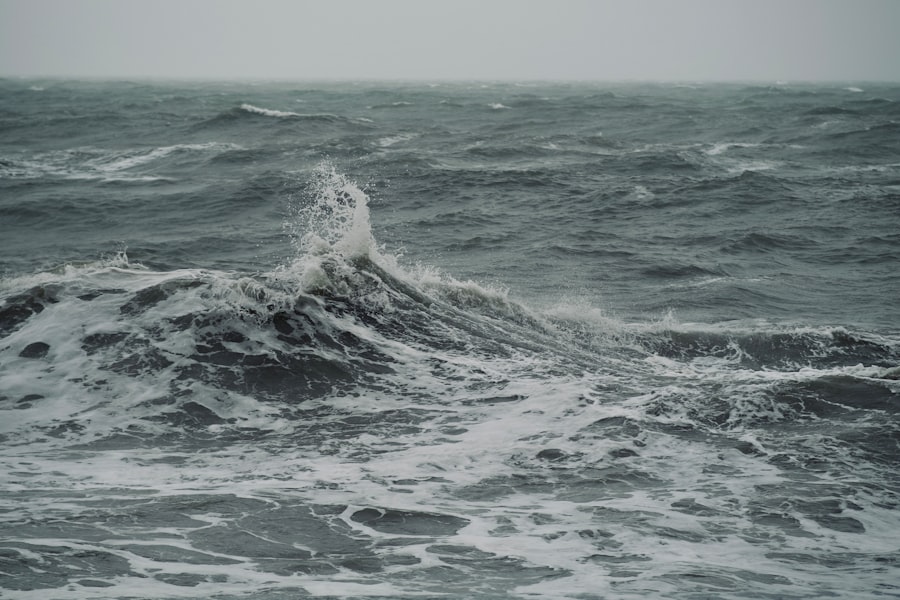
Given the inherent risks associated with navigating the Southern Ocean, implementing robust safety precautions and protocols is paramount. Mariners are advised to conduct thorough pre-voyage planning that includes route assessments based on current weather forecasts and ice conditions. Utilizing advanced navigation tools such as GPS and radar can enhance situational awareness and help avoid potential hazards.
In addition to technological aids, maintaining effective communication is crucial for safety in this remote region. Vessels should establish regular contact with other ships in the area as well as relevant maritime authorities to share information about conditions and potential dangers. Crew training in emergency procedures is also essential; all personnel should be familiar with protocols for dealing with emergencies such as man overboard situations or equipment failures.
Equipment and Technology
The challenges posed by the Southern Ocean necessitate specialized equipment and technology for safe navigation and operation. Ice-strengthened vessels are often required to withstand harsh conditions while traversing icy waters. These ships are designed with reinforced hulls to resist impacts from ice and are equipped with advanced propulsion systems to navigate through challenging sea states.
In addition to robust vessels, modern technology plays a critical role in enhancing safety and efficiency in this region. Satellite communication systems allow for real-time updates on weather conditions and ice movements, enabling mariners to make informed decisions about their routes. Furthermore, sonar technology can assist in detecting underwater hazards such as submerged ice or rocky outcrops, providing an additional layer of safety during navigation.
Emergency Response and Rescue
In an environment as remote and challenging as the Southern Ocean, having effective emergency response protocols is vital for ensuring crew safety. Maritime organizations often establish contingency plans that outline procedures for various emergency scenarios, including medical emergencies or vessel distress situations. These plans typically involve coordination with nearby vessels and rescue services to facilitate timely assistance.
Search and rescue operations in this region can be complicated by harsh weather conditions and limited visibility. Therefore, vessels operating in these waters are encouraged to carry emergency beacons or satellite distress signals that can alert authorities in case of an emergency. Additionally, crew members should be trained in first aid and emergency response techniques to provide immediate assistance until professional help arrives.
Historical Expeditions and Discoveries
The Southern Ocean has a rich history of exploration that has shaped our understanding of this remote region. Early expeditions by explorers such as James Cook in the 18th century laid the groundwork for future scientific research and discovery. Cook’s voyages not only mapped significant portions of the Antarctic coastline but also provided valuable insights into ocean currents and weather patterns.
Subsequent expeditions continued to unveil the mysteries of the Southern Ocean. The early 20th century saw notable explorations led by figures like Ernest Shackleton and Robert Falcon Scott, whose journeys into Antarctica captured public imagination while highlighting both human endurance and the harsh realities of polar exploration. These historical endeavors have contributed significantly to our knowledge of marine biology, geology, and climate science in this unique oceanic environment.
Environmental Conservation and Protection
As awareness grows regarding climate change and its impact on marine ecosystems, conservation efforts in the Southern Ocean have become increasingly important. Various international agreements aim to protect this fragile environment from overfishing and pollution while promoting sustainable practices among fishing industries operating in these waters. Organizations such as the Commission for the Conservation of Antarctic Marine Living Resources (CCAMLR) play a pivotal role in regulating fishing activities to ensure that marine populations remain healthy.
Scientists study changes in sea temperature, ice coverage, and species distribution to develop effective management plans that safeguard biodiversity in this region. Public awareness campaigns also play a crucial role in promoting environmental stewardship among those who interact with or rely on resources from the Southern Ocean.
Tips for Navigating the Southern Ocean
For those planning to navigate the Southern Ocean, several key tips can enhance safety and success during their journey. First and foremost, thorough preparation is essential; mariners should familiarize themselves with local charts, weather patterns, and potential hazards before setting sail. Engaging with experienced professionals who have navigated these waters can provide invaluable insights into best practices.
Additionally, maintaining flexibility in travel plans is crucial due to unpredictable weather conditions that may necessitate course adjustments or delays. Regularly monitoring weather forecasts and being prepared to alter routes based on real-time information can significantly enhance safety during navigation. Finally, fostering a culture of teamwork among crew members ensures that everyone is prepared for emergencies while promoting effective communication throughout the voyage.
In conclusion, navigating the Southern Ocean requires a deep understanding of its unique challenges, environmental significance, and historical context. By prioritizing safety precautions, utilizing advanced technology, and committing to conservation efforts, mariners can responsibly explore this remarkable region while contributing to its preservation for future generations.
The roughest seas in the world are often a topic of fascination for adventurers and sailors alike. For those interested in exploring this subject further, you can read an insightful article on the topic at My Geo Quest. This resource delves into the characteristics and challenges of navigating these tumultuous waters, providing a comprehensive overview of the most notorious sea conditions encountered by mariners.
WATCH THIS 🛑 Drake Passage: Earth’s Deadliest Waters Revealed
FAQs
What are considered the roughest seas in the world?
The roughest seas in the world include the Southern Ocean, the North Atlantic Ocean, the Drake Passage, and the Sea of Japan. These areas are known for their high waves, strong winds, and frequent storms.
Why are some seas rougher than others?
Seas become rougher due to factors such as strong and persistent winds, ocean currents, the shape of the sea floor, and the presence of storms or cyclones. Areas near the poles and where different ocean currents meet tend to have rougher seas.
What is the Southern Ocean known for?
The Southern Ocean, surrounding Antarctica, is known for its extremely rough seas caused by strong westerly winds called the “Roaring Forties” and “Furious Fifties,” which generate massive waves and turbulent waters.
How do rough seas affect marine navigation?
Rough seas can make navigation dangerous by causing large waves, strong currents, and reduced visibility. Ships may experience difficulty maintaining course, increased risk of capsizing, and damage to vessels.
Are there any famous shipwrecks caused by rough seas?
Yes, many famous shipwrecks have been caused by rough seas, including the sinking of the Edmund Fitzgerald in Lake Superior and the wreck of the SS Edmund Fitzgerald in the North Atlantic, both attributed to severe weather and turbulent waters.
Can rough seas be predicted?
Yes, meteorologists use weather models, satellite data, and ocean buoys to predict rough sea conditions. Forecasts help mariners prepare for or avoid dangerous sea states.
What safety measures are taken to navigate rough seas?
Safety measures include using advanced navigation systems, following weather forecasts, reducing speed, securing cargo, and ensuring that vessels and crew are prepared for harsh conditions.
Do rough seas impact marine life?
Rough seas can impact marine life by affecting feeding patterns, migration routes, and habitat conditions. Some species are adapted to turbulent waters, while others may seek calmer areas during storms.