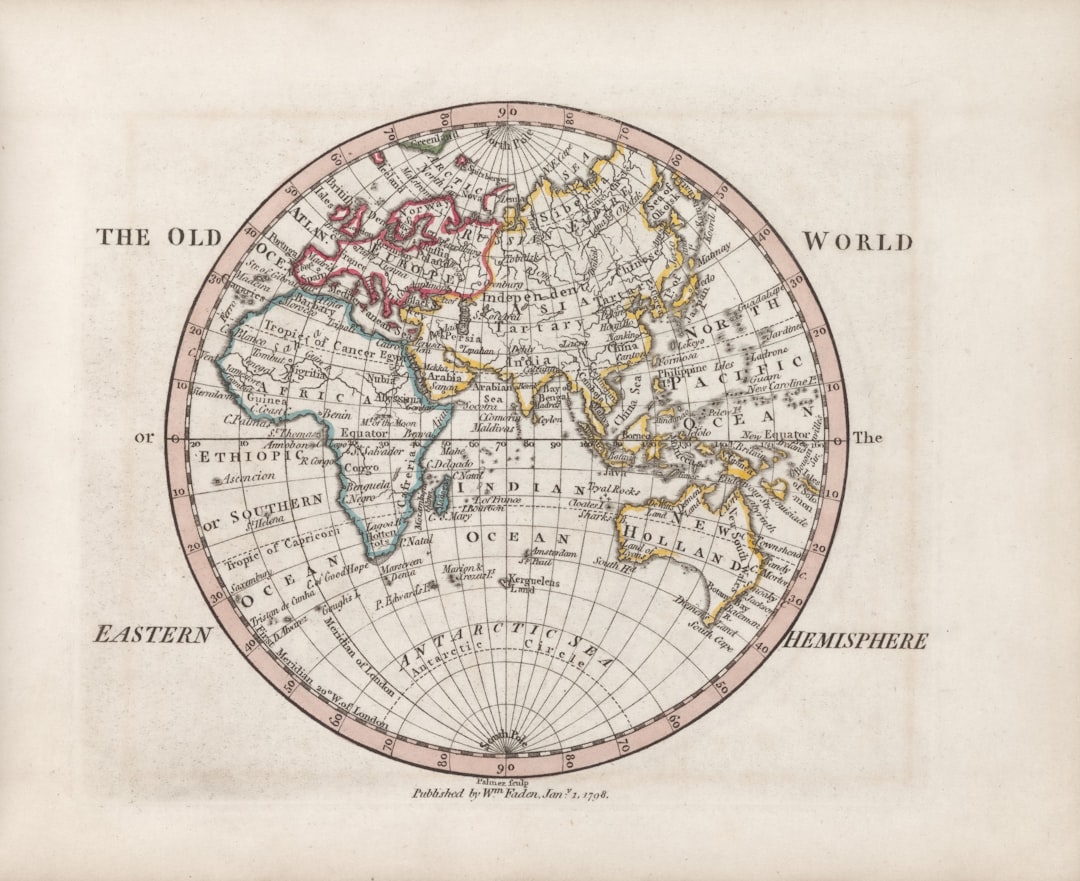
The Drake Passage, a body of water that separates South America from Antarctica, is renowned for its tumultuous seas and unpredictable weather. Stretching approximately 600 kilometers (370 miles) between Cape Horn and the Antarctic Peninsula, it serves as a critical conduit for ocean currents and marine life. This passage is not only significant for its geographical location but also for its historical and ecological importance.
The waters of the Drake Passage are often characterized by their rough conditions, making it a formidable challenge for sailors and explorers alike. The passage has become a focal point for maritime navigation, scientific research, and environmental studies, drawing adventurers and researchers from around the globe. The Drake Passage is often described as one of the most dangerous stretches of water in the world.
Its reputation stems from the confluence of the Atlantic and Pacific Oceans, which creates powerful currents and unpredictable weather patterns. The region is notorious for its high waves and strong winds, which can reach speeds of up to 100 kilometers per hour (62 miles per hour). Despite these challenges, the Drake Passage remains a vital route for vessels traveling to and from Antarctica, serving as a gateway to one of the last great wildernesses on Earth.
The passage’s unique characteristics have made it a subject of fascination for historians, scientists, and adventurers alike.
Key Takeaways
- The Drake Passage is a body of water located between South America’s Cape Horn and the South Shetland Islands of Antarctica.
- The Drake Passage was discovered by the English explorer Sir Francis Drake in 1578, and it was named after him.
- Early attempts to navigate the Drake Passage were met with treacherous conditions, including strong winds, rough seas, and icebergs.
- The Drake Passage is known for its unpredictable and harsh weather conditions, making it one of the most challenging maritime routes in the world.
- Modern navigation of the Drake Passage involves advanced technology and experienced crew to safely traverse the challenging waters.
The Discovery of the Drake Passage
The discovery of the Drake Passage is attributed to early European explorers who sought new trade routes and territories during the Age of Exploration. Sir Francis Drake, an English sea captain and privateer, is often credited with the passage’s name after he navigated these treacherous waters in the late 16th century. His expedition in 1578 marked one of the first recorded crossings of the passage, as he sought to circumnavigate the globe.
Drake’s journey not only highlighted the existence of this challenging waterway but also opened up new possibilities for exploration and trade in the Southern Hemisphere. Following Drake’s voyage, the passage remained largely uncharted for many years. It was not until the 18th century that further exploration took place, driven by the desire to understand the geography and oceanography of this remote region.
Explorers such as James Cook ventured into the Drake Passage in search of new lands and scientific knowledge. Cook’s expeditions in the late 1700s provided valuable insights into the passage’s conditions and its surrounding waters, laying the groundwork for future navigational efforts. The legacy of these early explorers continues to influence maritime navigation and scientific research in the region today.
Early Attempts to Navigate the Drake Passage
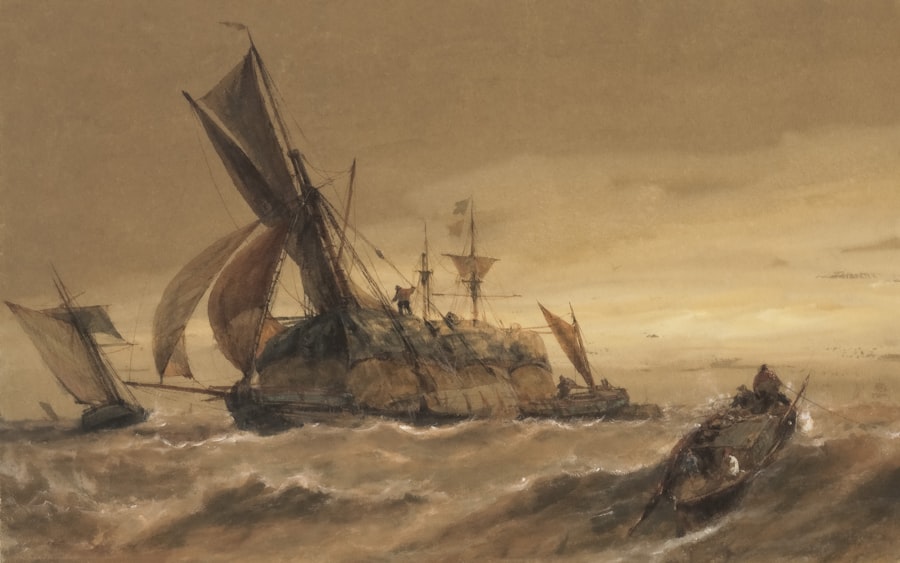
Navigating the Drake Passage has always posed significant challenges due to its unpredictable weather and rough seas. Early attempts at crossing this formidable stretch of water were fraught with peril. Sailors faced not only fierce storms but also treacherous currents that could easily capsize vessels ill-prepared for such conditions.
The passage became a rite of passage for many explorers, who sought to prove their mettle against nature’s fury. These early navigators relied heavily on their instincts and rudimentary navigational tools, often resulting in harrowing tales of survival against overwhelming odds. One notable early attempt was made by Captain William Bligh during his infamous journey aboard the HMS Bounty in 1789.
After being set adrift by mutineers, Bligh and his loyal crew undertook a perilous journey across the Drake Passage in an open boat, demonstrating remarkable seamanship and resilience. Their successful navigation through these treacherous waters became a testament to human endurance and ingenuity. Such stories of bravery and determination have become part of the rich tapestry of maritime history associated with the Drake Passage.
The Treacherous Nature of the Drake Passage
| Metrics | Data |
|---|---|
| Width | 800 kilometers |
| Depth | 5,000 meters |
| Wind Speed | Up to 70 miles per hour |
| Wave Height | Up to 15 meters |
| Temperature | 0 to 5 degrees Celsius |
The treacherous nature of the Drake Passage is well-documented, with sailors often recounting tales of harrowing experiences while traversing its waters. The combination of strong winds, high waves, and rapidly changing weather conditions creates an environment that can be both awe-inspiring and terrifying. Waves can reach heights of over 15 meters (49 feet), making navigation extremely difficult even for experienced mariners.
The passage’s reputation as a “graveyard of ships” is not unfounded; numerous vessels have met their fate in these turbulent waters over the centuries. The unpredictable weather patterns in the Drake Passage further complicate navigation efforts. Fog, rain, and sudden storms can arise without warning, leaving sailors with little time to prepare for the challenges ahead.
The convergence of ocean currents from different directions creates a chaotic sea state that can catch even seasoned sailors off guard. As a result, many vessels have been forced to turn back or seek refuge in safer waters rather than risk their crews and cargo in such perilous conditions.
Modern Navigation of the Drake Passage
In recent years, advancements in technology have significantly improved navigation through the Drake Passage. Modern vessels are equipped with sophisticated navigation systems that utilize GPS, radar, and sonar technology to enhance safety and efficiency during crossings. These tools allow mariners to better predict weather patterns and ocean conditions, enabling them to make informed decisions about their routes.
Additionally, improved communication systems ensure that vessels can stay connected with shore-based support teams, providing an extra layer of safety during challenging voyages. Despite these advancements, navigating the Drake Passage remains a formidable task. Even with modern technology, sailors must remain vigilant and prepared for sudden changes in weather and sea conditions.
Many shipping companies and research vessels now employ experienced crews who are well-versed in the unique challenges posed by this passage. Training programs focused on survival skills and emergency preparedness have become essential components of maritime education for those venturing into these treacherous waters.
Scientific Importance of the Drake Passage
The scientific importance of the Drake Passage cannot be overstated. This region plays a crucial role in global ocean circulation patterns, influencing climate systems around the world. The passage serves as a conduit for the Antarctic Circumpolar Current, which flows continuously around Antarctica and connects the Atlantic, Pacific, and Indian Oceans.
This current is vital for regulating ocean temperatures and distributing nutrients throughout marine ecosystems. Researchers are particularly interested in studying the unique marine life that inhabits the waters of the Drake Passage. The nutrient-rich waters support diverse populations of krill, fish, seabirds, and marine mammals, making it an essential area for ecological research.
Scientists conduct various studies in this region to better understand climate change’s impact on marine ecosystems and how changes in ocean currents may affect global weather patterns. The data collected from expeditions in the Drake Passage contribute significantly to our understanding of oceanography and environmental science.
Environmental Concerns in the Drake Passage
As interest in exploring and utilizing the resources of the Drake Passage grows, so do concerns about its environmental health. Increased shipping traffic poses risks to marine ecosystems through potential oil spills, pollution, and disturbances to wildlife habitats.
Climate change also presents significant challenges for the Drake Passage’s environment. Rising ocean temperatures are affecting species distribution and migration patterns, while melting ice from Antarctica contributes to rising sea levels. Researchers are closely monitoring these changes to assess their impact on marine biodiversity and ecosystem health.
Conservation efforts are essential to protect this unique environment from further degradation while ensuring that future generations can continue to study and appreciate its wonders.
Notable Expeditions and Discoveries in the Drake Passage
Throughout history, numerous expeditions have ventured into the Drake Passage, leading to significant discoveries that have shaped our understanding of this remote region. One notable expedition was led by Ernest Shackleton during his ill-fated Endurance voyage in 1914-1916. Shackleton’s journey through the passage was marked by extraordinary challenges as his ship became trapped in pack ice, forcing him and his crew to undertake a remarkable survival journey across Antarctica.
Another significant expedition was conducted by oceanographer Jacques Cousteau in the 1970s when he explored the underwater ecosystems of the Drake Passage using advanced submersible technology. Cousteau’s work brought attention to the rich biodiversity found beneath the surface and highlighted the need for conservation efforts in this fragile environment. These expeditions not only contributed to scientific knowledge but also inspired future generations to explore and protect our planet’s oceans.
The Drake Passage in Popular Culture
The Drake Passage has captured the imagination of writers, filmmakers, and artists throughout history, becoming a symbol of adventure and exploration. Its treacherous waters have been featured in numerous literary works that depict tales of bravery against nature’s fury. From classic novels about maritime adventures to contemporary films showcasing daring voyages through stormy seas, the passage has become synonymous with human resilience.
In addition to literature and film, the Drake Passage has also inspired various artistic interpretations that reflect its beauty and danger. Artists have sought to capture its dramatic landscapes and tumultuous waters through paintings and photography, highlighting both its allure and perilous nature. This cultural representation serves as a reminder of humanity’s enduring fascination with exploration and discovery in some of Earth’s most remote corners.
Safety Precautions for Navigating the Drake Passage
Given its reputation as one of the most challenging maritime routes in the world, safety precautions are paramount when navigating the Drake Passage. Mariners are advised to conduct thorough pre-voyage planning that includes detailed weather assessments and route evaluations based on current conditions. Understanding potential hazards such as strong currents, high waves, and sudden storms is essential for ensuring crew safety.
Additionally, vessels traversing these waters should be equipped with emergency supplies such as life rafts, flares, first aid kits, and communication devices capable of reaching rescue services if needed. Crew training programs focused on emergency response procedures are crucial for preparing sailors to handle unexpected situations effectively. By prioritizing safety measures and adhering to best practices, mariners can mitigate risks associated with navigating this formidable passage.
Future Challenges and Opportunities in the Drake Passage
As global interest in Antarctica continues to grow due to climate change research and tourism opportunities, future challenges will arise concerning environmental protection and sustainable practices within the Drake Passage region. Balancing economic interests with conservation efforts will be critical as shipping traffic increases alongside scientific expeditions seeking to understand this unique environment better. Opportunities also exist for collaboration among nations regarding research initiatives aimed at preserving marine ecosystems while promoting responsible tourism practices that minimize human impact on wildlife habitats.
By fostering international cooperation focused on sustainability within this vital waterway, stakeholders can work together toward ensuring that future generations can continue exploring—and protecting—the wonders of the Drake Passage. In conclusion, navigating through this remarkable yet treacherous body of water requires not only skill but also respect for its power and beauty—a testament to humanity’s enduring spirit of exploration amidst nature’s challenges.
The Drake Passage, a significant body of water connecting the Atlantic and Pacific Oceans, has long intrigued historians and geographers due to its challenging conditions and strategic importance.
This article delves into the passage’s discovery and its impact on maritime navigation. To learn more, visit the article by clicking on this link.
WATCH NOW! Drake Passage: Earth’s Deadliest Waters Revealed
FAQs
What is the Drake Passage?
The Drake Passage is a body of water located between the southern tip of South America and the northern tip of the Antarctic Peninsula. It connects the Atlantic and Pacific Oceans.
How did the Drake Passage get its name?
The Drake Passage is named after the English explorer Sir Francis Drake, who is believed to have been the first European to sail through the area in 1578.
What is the origin of the Drake Passage?
The Drake Passage was formed as a result of the separation of the South American and Antarctic tectonic plates, which began around 30 million years ago during the Oligocene epoch.
What is the significance of the Drake Passage?
The Drake Passage is known for its rough seas and strong winds, making it one of the most challenging and unpredictable maritime routes in the world. It also plays a crucial role in the circulation of ocean currents and the exchange of marine life between the Atlantic and Pacific Oceans.
How does the Drake Passage impact the climate?
The Drake Passage acts as a barrier to the eastward flow of the Antarctic Circumpolar Current, which has a significant impact on global climate patterns and the distribution of heat and nutrients in the world’s oceans.