The Suez Canal, an engineering marvel that connects the Mediterranean Sea to the Red Sea, stands as a pivotal artery for maritime trade. Completed in 1869, this artificial waterway spans approximately 120 miles and serves as a shortcut for vessels traveling between Europe and Asia, significantly reducing the journey time compared to the alternative route around the southern tip of Africa. The canal’s strategic location has made it a focal point for international shipping, facilitating the movement of goods and resources across continents.
Its construction not only transformed global trade patterns but also reshaped geopolitical dynamics, as nations recognized the canal’s potential to influence economic power. Over the years, the Suez Canal has undergone numerous expansions and improvements to accommodate the increasing size of modern vessels and the growing demands of global commerce. The canal’s significance is underscored by its ability to handle approximately 12% of the world’s total trade volume, making it one of the busiest waterways in the world.
As a result, understanding the operational dynamics of the Suez Canal is crucial for stakeholders in international trade, shipping industries, and global economies. However, with its immense importance comes a set of challenges that can disrupt its functionality, necessitating a closer examination of the factors that can lead to canal failure.
Key Takeaways
- The Suez Canal is a critical artery for global trade, connecting key maritime routes.
- Both natural and human factors can lead to failures disrupting canal operations.
- Equipment and infrastructure issues have historically caused significant canal blockages.
- Advanced technology and mitigation strategies are essential to prevent future failures.
- Understanding failure modes helps navigate challenges and seize future opportunities for the canal.
Importance of the Suez Canal for global trade
The Suez Canal plays an indispensable role in global trade by serving as a critical link between major markets. By providing a direct route for ships traveling between Europe and Asia, it significantly reduces transit times and shipping costs.
This efficiency not only benefits shipping companies but also has a ripple effect on consumers and businesses that rely on timely deliveries of goods. The canal’s ability to facilitate the swift movement of oil, natural gas, and manufactured products underscores its importance in maintaining the flow of international commerce. Moreover, the Suez Canal is vital for energy transportation, particularly for oil and liquefied natural gas (LNG) shipments.
A substantial portion of Europe’s energy supply passes through this waterway, making it a linchpin in global energy security. Disruptions in the canal can lead to significant fluctuations in oil prices and create ripple effects throughout the global economy. The canal’s strategic importance is further highlighted by its role in connecting emerging markets in Asia with established economies in Europe and North America.
As global trade continues to evolve, the Suez Canal remains a key player in shaping economic relationships and facilitating international commerce.
Understanding the failure modes of the Suez Canal
The operational integrity of the Suez Canal is susceptible to various failure modes that can disrupt its functionality. These failure modes can be broadly categorized into natural, human, and equipment-related factors. Understanding these potential failures is essential for stakeholders who rely on the canal for their shipping needs.
Natural disasters such as earthquakes or severe weather events can pose significant risks to the canal’s infrastructure, while human errors—ranging from navigational mistakes to inadequate maintenance—can lead to operational disruptions. Additionally, equipment failures can occur due to wear and tear or inadequate technological support systems. Each of these failure modes presents unique challenges that require proactive management strategies to mitigate risks.
By comprehensively understanding these potential pitfalls, stakeholders can better prepare for contingencies and develop robust plans to ensure the continued operation of this vital waterway.
Natural factors affecting the Suez Canal
Natural factors play a significant role in influencing the operational stability of the Suez Canal. The region is susceptible to various environmental conditions that can impact navigation and infrastructure integrity. For instance, seasonal weather patterns can lead to reduced visibility due to fog or heavy rainfall, complicating navigation for vessels traversing the canal.
Additionally, geological factors such as seismic activity can pose risks to the canal’s structural integrity, potentially leading to landslides or subsidence that could obstruct passage. Another natural factor affecting the Suez Canal is sedimentation. Over time, sediment can accumulate within the canal, necessitating regular dredging operations to maintain adequate depth for large vessels.
Failure to address sediment buildup can result in grounding incidents or delays in shipping schedules. Furthermore, climate change poses long-term challenges, as rising sea levels and increased frequency of extreme weather events may exacerbate existing vulnerabilities. Understanding these natural factors is crucial for developing effective management strategies that ensure the canal’s resilience against environmental challenges.
Human factors contributing to canal failure
| Failure Mode | Description | Potential Causes | Impact on Canal Operations | Mitigation Measures |
|---|---|---|---|---|
| Grounding | Ship runs aground blocking the canal | Poor navigation, mechanical failure, weather conditions | Complete blockage, delays in shipping traffic | Improved navigation systems, pilot training, real-time monitoring |
| Mechanical Failure of Locks | Failure of lock gates or mechanisms | Wear and tear, lack of maintenance, material fatigue | Disruption in vessel passage, increased transit time | Regular maintenance, timely repairs, modernization of equipment |
| Structural Failure | Collapse or damage to canal banks or infrastructure | Soil erosion, seismic activity, heavy vessel impact | Partial or full closure, costly repairs | Reinforcement of banks, monitoring systems, emergency response plans |
| Blockage by Debris | Accumulation of debris obstructing navigation | Natural sedimentation, ship waste, storms | Reduced navigable width, slower transit | Regular dredging, debris removal operations |
| Security Breach | Sabotage or terrorist attack | Insufficient security, geopolitical tensions | Potential closure, risk to vessels and infrastructure | Enhanced security protocols, surveillance, international cooperation |
Human factors are equally significant when considering potential failures within the Suez Canal. Navigational errors by ship crews can lead to grounding incidents or collisions with other vessels or infrastructure. Such mistakes may arise from inadequate training, fatigue, or miscommunication among crew members.
The complexity of navigating through narrow channels and managing traffic flow further heightens the risk of human error. In addition to navigational challenges, human factors also encompass maintenance practices and operational decision-making processes. Insufficient maintenance of infrastructure can lead to deterioration over time, increasing the likelihood of equipment failures or accidents.
Moreover, decision-making during crises—such as responding to emergencies or managing traffic congestion—can significantly impact the canal’s operational efficiency. By recognizing these human factors and implementing comprehensive training programs and maintenance protocols, stakeholders can enhance safety and reduce the risk of canal failures.
Equipment and infrastructure failures in the Suez Canal
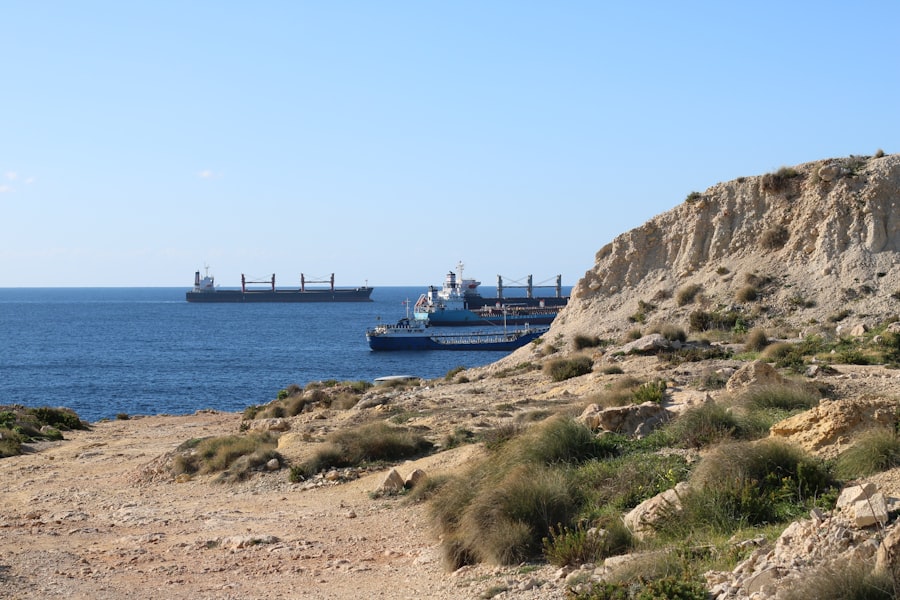
The Suez Canal’s infrastructure is designed to support a high volume of maritime traffic; however, it is not immune to equipment failures that can disrupt operations. Mechanical breakdowns of critical systems such as navigation aids, communication equipment, or dredging machinery can lead to significant delays and operational challenges. For instance, if navigation buoys malfunction or communication systems fail during peak traffic periods, vessels may struggle to navigate safely through the canal.
Moreover, infrastructure deterioration over time can pose serious risks. The canal’s banks and locks require regular maintenance to prevent erosion or structural damage that could impede vessel passage. Inadequate investment in infrastructure upgrades may exacerbate these issues, leading to increased vulnerability during high-traffic periods or adverse weather conditions.
To mitigate these risks, it is essential for authorities managing the Suez Canal to prioritize regular inspections and timely repairs of equipment and infrastructure.
Historical incidents of canal failure
Throughout its history, the Suez Canal has experienced several notable incidents that highlight its vulnerability to failure modes. One of the most significant events occurred in March 2021 when the container ship Ever Given became lodged in the canal, blocking one of the world’s busiest trade routes for six days. This incident underscored how quickly disruptions could escalate into global crises, affecting supply chains and causing financial losses estimated in billions of dollars.
Another historical incident occurred during the 1967 Six-Day War when military conflict led to a temporary closure of the canal for eight years. This prolonged disruption had far-reaching consequences for international trade and regional economies, illustrating how geopolitical factors can intersect with operational challenges within the canal. These historical incidents serve as reminders of the importance of preparedness and resilience in managing potential failures within this critical waterway.
Mitigation strategies for preventing canal failure
To ensure the continued functionality of the Suez Canal amidst various risks, stakeholders must implement effective mitigation strategies aimed at preventing potential failures. One key approach involves enhancing navigational safety through improved training programs for ship crews and investing in advanced navigational technologies such as automated systems and real-time monitoring tools. By equipping crews with better skills and resources, they can make informed decisions that minimize risks during transit.
Additionally, regular maintenance schedules should be established for both equipment and infrastructure within the canal. This includes routine inspections of navigation aids, communication systems, and dredging operations to identify potential issues before they escalate into significant problems. Furthermore, collaboration among stakeholders—including shipping companies, port authorities, and government agencies—can foster information sharing and coordinated responses during emergencies or disruptions.
The role of technology in preventing canal failure
Technology plays an increasingly vital role in enhancing safety and efficiency within the Suez Canal. Advanced monitoring systems equipped with sensors can provide real-time data on vessel movements, weather conditions, and environmental factors affecting navigation.
Moreover, innovations such as automated dredging technologies can help maintain optimal water depth within the canal while minimizing human intervention. These technological advancements not only improve operational efficiency but also reduce risks associated with human error or equipment failures. As technology continues to evolve, its integration into canal management practices will be essential for ensuring resilience against potential failures.
Future challenges and opportunities for the Suez Canal
Looking ahead, the Suez Canal faces both challenges and opportunities that will shape its future role in global trade. One significant challenge is adapting to changing shipping trends, including the increasing size of vessels known as ultra-large container ships (ULCS). These massive ships require careful navigation through narrow channels and may necessitate further expansions or modifications to existing infrastructure.
Additionally, geopolitical tensions in the region could impact trade routes and shipping patterns through the canal. As nations navigate complex relationships and economic dependencies, maintaining open access to this critical waterway will be paramount for global commerce. Conversely, opportunities exist for enhancing collaboration among stakeholders to improve operational efficiency and safety within the canal.
By leveraging technological advancements and fostering partnerships across industries, stakeholders can work together to address challenges proactively while maximizing the canal’s potential as a key driver of international trade.
Navigating the Suez Canal with awareness of failure modes
In conclusion, navigating the Suez Canal requires a comprehensive understanding of its operational dynamics and potential failure modes. As a vital conduit for global trade, it is essential for stakeholders to recognize both natural and human factors that can disrupt its functionality. By implementing effective mitigation strategies and embracing technological advancements, stakeholders can enhance safety and resilience within this critical waterway.
The historical incidents that have shaped the canal’s legacy serve as reminders of its vulnerabilities while also highlighting opportunities for improvement. As global trade continues to evolve amidst changing geopolitical landscapes and environmental challenges, maintaining awareness of potential failure modes will be crucial for ensuring that the Suez Canal remains a reliable artery for international commerce well into the future.
The Suez Canal has been a critical artery for global trade, and understanding its failure modes is essential for preventing future disruptions. A related article that delves into the complexities of the canal’s operations and potential vulnerabilities can be found at this link. This resource provides valuable insights into the engineering challenges and environmental factors that could impact the canal’s functionality.
FAQs
What is the Suez Canal?
The Suez Canal is a man-made waterway in Egypt that connects the Mediterranean Sea to the Red Sea, allowing for direct maritime transport between Europe and Asia without navigating around Africa.
What are failure modes in the context of the Suez Canal?
Failure modes refer to the various ways in which the Suez Canal’s operations or infrastructure can fail or be disrupted, such as blockages, structural damage, or mechanical malfunctions.
What are common failure modes that can affect the Suez Canal?
Common failure modes include ship groundings or collisions, sediment buildup causing blockages, mechanical failures of canal equipment, structural damage to canal banks, and natural events like sandstorms or flooding.
How do ship groundings impact the Suez Canal?
Ship groundings can block the canal, preventing other vessels from passing through, leading to significant delays in global shipping and economic losses.
What measures are in place to prevent failure modes in the Suez Canal?
Preventive measures include regular dredging to remove sediment, strict navigation protocols, real-time monitoring systems, and rapid response teams to manage incidents like ship groundings.
How does sediment buildup cause failure in the Suez Canal?
Sediment buildup can reduce the canal’s depth, making it difficult or impossible for large ships to pass, which can lead to delays or the need for emergency dredging operations.
What role does maintenance play in preventing Suez Canal failures?
Regular maintenance ensures the canal’s infrastructure remains intact, equipment functions properly, and navigation channels are clear, all of which help prevent operational failures.
Can natural disasters cause failure modes in the Suez Canal?
Yes, natural events such as sandstorms, flooding, or earthquakes can damage canal infrastructure or reduce visibility, increasing the risk of accidents and operational disruptions.
What was the impact of the 2021 Ever Given blockage on understanding failure modes?
The Ever Given incident highlighted the vulnerability of the canal to ship groundings, emphasizing the need for improved navigation controls, emergency response, and infrastructure resilience.
How is technology used to monitor and manage failure modes in the Suez Canal?
Technology such as satellite tracking, automated navigation aids, and real-time data analytics are used to monitor vessel movements, predict risks, and coordinate rapid responses to potential failures.