The Suez Canal is an artificial waterway that connects the Mediterranean Sea to the Red Sea, serving as one of the world’s most important maritime shipping routes. Construction was completed in 1869, creating a direct passage that eliminates the need for ships to navigate around the southern tip of Africa, thereby reducing voyage times and transportation costs for international shipping operations. The canal functions as a crucial conduit for global trade and represents a strategically important geopolitical asset that affects worldwide economic patterns.
Current data indicates that approximately 12% of global trade transits through this waterway, demonstrating its essential role in facilitating cargo movement between Europe, Asia, and other regions. The Suez Canal’s significance extends beyond transportation logistics, as it serves as an indicator of global economic conditions. Operational disruptions within this waterway can generate widespread effects on international supply chains and commodity pricing.
The canal’s infrastructure accommodates large vessels classified as “post-Panamax” ships, which enhances its relevance in contemporary maritime shipping operations. With continued growth in global trade volumes, the Suez Canal maintains its position as a central hub for international maritime commerce, making its operational efficiency critical for sustaining intercontinental cargo flows.
Key Takeaways
- The Suez Canal is a critical global trade route whose congestion significantly disrupts shipping schedules and supply chains.
- Port congestion in the Suez Canal arises from factors like increased traffic, infrastructure limitations, and operational inefficiencies.
- Shipping companies face delays, increased costs, and logistical challenges due to congestion in the canal.
- Technology and collaborative strategies play key roles in mitigating congestion and improving port management.
- Regulatory policies and innovative case studies provide insights for future improvements and sustainable congestion management.
Impact of Port Congestion on Global Trade
Port congestion has emerged as a pressing issue in recent years, particularly in key maritime hubs like the Suez Canal. When vessels are unable to dock and unload their cargo promptly, it creates a ripple effect throughout the global supply chain. Delays in port operations can lead to increased shipping costs, higher prices for consumers, and disruptions in the availability of goods.
The interconnected nature of global trade means that a bottleneck in one location can have cascading effects on markets and industries worldwide. Moreover, port congestion can exacerbate existing challenges within the shipping industry, such as labor shortages and rising fuel prices. As ships wait longer to enter ports, shipping companies face increased operational costs, which are often passed on to consumers.
This situation can lead to inflationary pressures in various sectors, particularly those reliant on timely deliveries of raw materials and finished products. The economic implications of port congestion are profound, highlighting the need for effective management strategies to mitigate its impact on global trade.
Causes of Port Congestion in the Suez Canal
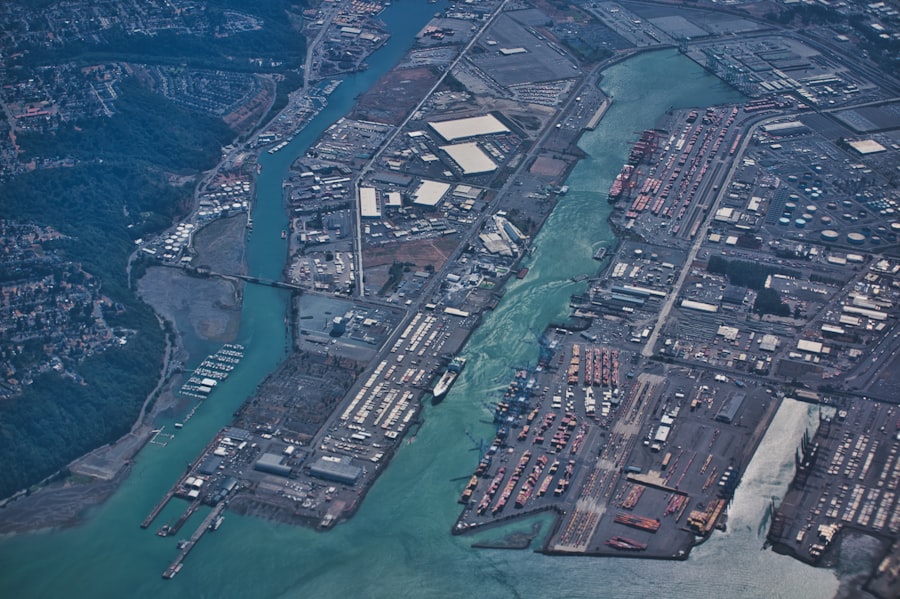
Several factors contribute to the persistent issue of port congestion in the Suez Canal. One primary cause is the sheer volume of maritime traffic that the canal accommodates daily. With an increasing number of vessels traversing this critical route, the infrastructure often struggles to keep pace with demand.
The canal’s narrow passages and limited anchorage areas can lead to delays as ships wait for their turn to navigate through its waters. Additionally, external factors such as adverse weather conditions and geopolitical tensions can exacerbate congestion issues. For instance, storms or fog can temporarily halt operations, leading to a backlog of vessels waiting to enter or exit the canal.
Furthermore, incidents such as groundings or collisions can disrupt traffic flow significantly, as seen during the Ever Given incident in March 2021. Such events highlight the vulnerability of the canal to unforeseen circumstances, necessitating robust contingency plans to address potential disruptions.
Effects of Port Congestion on Shipping Companies
Shipping companies bear a significant burden when faced with port congestion in the Suez Canal. The delays incurred during congestion not only increase operational costs but also disrupt schedules and lead to missed delivery deadlines. As vessels remain anchored for extended periods, companies must grapple with rising fuel expenses and potential penalties for late deliveries.
These financial strains can be particularly challenging for smaller shipping firms that may lack the resources to absorb such costs. Moreover, port congestion can impact customer relationships and brand reputation. Clients expect timely deliveries and reliable service; prolonged delays can erode trust and lead to lost business opportunities.
In an industry where competition is fierce, maintaining a positive reputation is crucial for long-term success. Consequently, shipping companies must develop strategies to navigate these challenges effectively while ensuring that they remain competitive in an increasingly complex market.
Strategies for Navigating Port Congestion in the Suez Canal
| Metric | Value | Unit | Notes |
|---|---|---|---|
| Average Waiting Time | 48 | Hours | Time ships spend waiting to enter the canal |
| Number of Ships Waiting | 120 | Ships | Ships queued at the canal entrance |
| Daily Transit Volume | 50 | Ships per day | Average number of ships passing through daily |
| Average Transit Time | 16 | Hours | Time taken to cross the canal |
| Delay Increase Compared to Normal | 200 | Percent | Increase in waiting time due to congestion |
| Economic Impact | 500 | Million USD per day | Estimated cost of delays to global trade |
To mitigate the effects of port congestion in the Suez Canal, shipping companies are adopting various strategies aimed at enhancing operational efficiency. One approach involves optimizing vessel schedules and routes to minimize waiting times at ports. By employing advanced analytics and real-time data tracking, companies can make informed decisions about when to depart and arrive at the canal, reducing the likelihood of congestion-related delays.
Another effective strategy is fostering collaboration with port authorities and other stakeholders involved in maritime operations. By establishing open lines of communication and sharing information about traffic patterns and expected delays, shipping companies can better coordinate their activities with port operations. This collaborative approach not only streamlines processes but also enhances overall efficiency within the supply chain.
Role of Technology in Managing Port Congestion

Technology plays a pivotal role in addressing port congestion challenges in the Suez Canal and beyond. Innovations such as automated cargo handling systems and advanced tracking technologies have revolutionized port operations by increasing efficiency and reducing turnaround times for vessels. For instance, implementing Internet of Things (IoT) devices allows real-time monitoring of cargo movements and vessel locations, enabling more effective resource allocation.
Furthermore, predictive analytics can help anticipate congestion patterns based on historical data and current trends. By analyzing factors such as weather conditions, vessel traffic, and port capacity, shipping companies can proactively adjust their operations to avoid potential bottlenecks. Embracing these technological advancements not only enhances operational efficiency but also contributes to a more resilient maritime industry capable of adapting to evolving challenges.
Environmental and Safety Concerns in Port Congestion
While port congestion poses significant logistical challenges, it also raises important environmental and safety concerns. Increased waiting times for vessels can lead to higher emissions from idling ships, contributing to air pollution and climate change. As global awareness of environmental issues grows, there is mounting pressure on shipping companies to adopt more sustainable practices that minimize their ecological footprint.
Crowded ports increase the risk of accidents involving vessels and port infrastructure. Navigating through congested waters requires heightened vigilance from crew members, as well as effective communication with port authorities to ensure safe operations.
Addressing these environmental and safety concerns is essential for fostering a sustainable maritime industry that prioritizes both economic efficiency and ecological responsibility.
Collaborative Solutions for Addressing Port Congestion
Addressing port congestion in the Suez Canal necessitates collaborative solutions that involve multiple stakeholders within the maritime ecosystem. Shipping companies, port authorities, government agencies, and logistics providers must work together to develop comprehensive strategies aimed at alleviating congestion issues. This collaboration can take various forms, including joint initiatives focused on improving infrastructure or sharing best practices for efficient cargo handling.
One promising approach is establishing public-private partnerships that leverage resources from both sectors to enhance port operations. By pooling expertise and investment, stakeholders can implement innovative solutions that address congestion while promoting economic growth within local communities. Such collaborative efforts not only improve operational efficiency but also foster a sense of shared responsibility among all parties involved in maritime trade.
Regulatory and Policy Considerations for Port Congestion
Regulatory frameworks play a crucial role in shaping how port congestion is managed within the Suez Canal and other key maritime routes. Policymakers must consider various factors when developing regulations aimed at alleviating congestion while ensuring safety and environmental sustainability. This includes establishing guidelines for vessel traffic management, optimizing port operations, and incentivizing investments in infrastructure improvements.
Additionally, international cooperation is essential for addressing congestion challenges that transcend national borders. Collaborative agreements between countries can facilitate smoother maritime operations by harmonizing regulations and standards across different jurisdictions. By fostering a coordinated approach to managing port congestion, policymakers can create an environment conducive to efficient global trade while addressing the unique challenges posed by each region’s maritime landscape.
Future Outlook for Port Congestion in the Suez Canal
The future outlook for port congestion in the Suez Canal remains complex as global trade continues to evolve. While advancements in technology and collaborative efforts among stakeholders offer promising solutions, ongoing challenges such as increasing vessel sizes and fluctuating demand will require continuous adaptation. The canal’s ability to accommodate larger ships will be tested as shipping trends shift toward mega-vessels capable of carrying vast quantities of cargo.
Moreover, geopolitical factors may influence traffic patterns through the canal, potentially leading to fluctuations in congestion levels. As countries navigate trade agreements and international relations evolve, shipping routes may shift accordingly. To ensure resilience against these uncertainties, stakeholders must remain proactive in implementing innovative solutions that enhance operational efficiency while addressing environmental concerns.
Case Studies of Successful Port Congestion Management
Examining case studies of successful port congestion management provides valuable insights into effective strategies that can be applied within the Suez Canal context. One notable example is Singapore’s Port Authority, which has implemented advanced digital systems for vessel tracking and cargo handling. By leveraging real-time data analytics and automation technologies, Singapore has significantly reduced turnaround times for vessels while enhancing overall operational efficiency.
Another example is Rotterdam’s approach to managing congestion through collaborative initiatives involving multiple stakeholders within its port ecosystem. By fostering partnerships between shipping companies, logistics providers, and local authorities, Rotterdam has successfully streamlined operations while addressing environmental concerns associated with increased maritime traffic. These case studies highlight the importance of innovation and collaboration in tackling port congestion challenges effectively.
By learning from successful examples around the world, stakeholders within the Suez Canal can develop tailored strategies that enhance operational efficiency while ensuring sustainable practices are prioritized within the maritime industry.
The ongoing congestion at the Suez Canal has raised significant concerns about global trade and shipping logistics. For a deeper understanding of the implications of this situation, you can read a related article that discusses the broader impacts of port congestion on international shipping routes. Check it out here: Suez Canal Port Congestion Insights.
FAQs
What is the Suez Canal?
The Suez Canal is a man-made waterway in Egypt that connects the Mediterranean Sea to the Red Sea, allowing ships to travel between Europe and Asia without navigating around Africa.
What causes port congestion at the Suez Canal?
Port congestion at the Suez Canal can be caused by a variety of factors including high traffic volume, delays in ship scheduling, operational inefficiencies, weather conditions, and unexpected incidents such as vessel groundings.
How does congestion at the Suez Canal affect global trade?
Congestion at the Suez Canal can lead to delays in shipping schedules, increased transportation costs, and disruptions in the supply chain, affecting the timely delivery of goods worldwide.
What measures are taken to reduce congestion in the Suez Canal?
Measures to reduce congestion include improving traffic management systems, expanding canal capacity, scheduling improvements, and enhancing port infrastructure to handle more vessels efficiently.
Has the Suez Canal experienced major congestion incidents in the past?
Yes, notable incidents include the 2021 blockage caused by the container ship Ever Given, which halted traffic for several days and highlighted vulnerabilities in canal operations.
What types of vessels commonly pass through the Suez Canal?
The canal accommodates a wide range of vessels including container ships, oil tankers, bulk carriers, and passenger ships.
Is the Suez Canal the only route between Europe and Asia?
No, alternative routes include the Cape of Good Hope around Africa and the Northern Sea Route through the Arctic, but the Suez Canal remains the shortest and most economical for many shipping routes.
How long does it typically take for a ship to transit the Suez Canal?
Transit times vary but generally take between 12 to 16 hours, depending on vessel size, traffic, and operational conditions.
Who operates the Suez Canal?
The Suez Canal is operated and maintained by the Suez Canal Authority, a state-owned entity of Egypt.
Can port congestion at the Suez Canal impact shipping costs?
Yes, congestion can increase shipping costs due to delays, higher fuel consumption, and potential rerouting expenses.