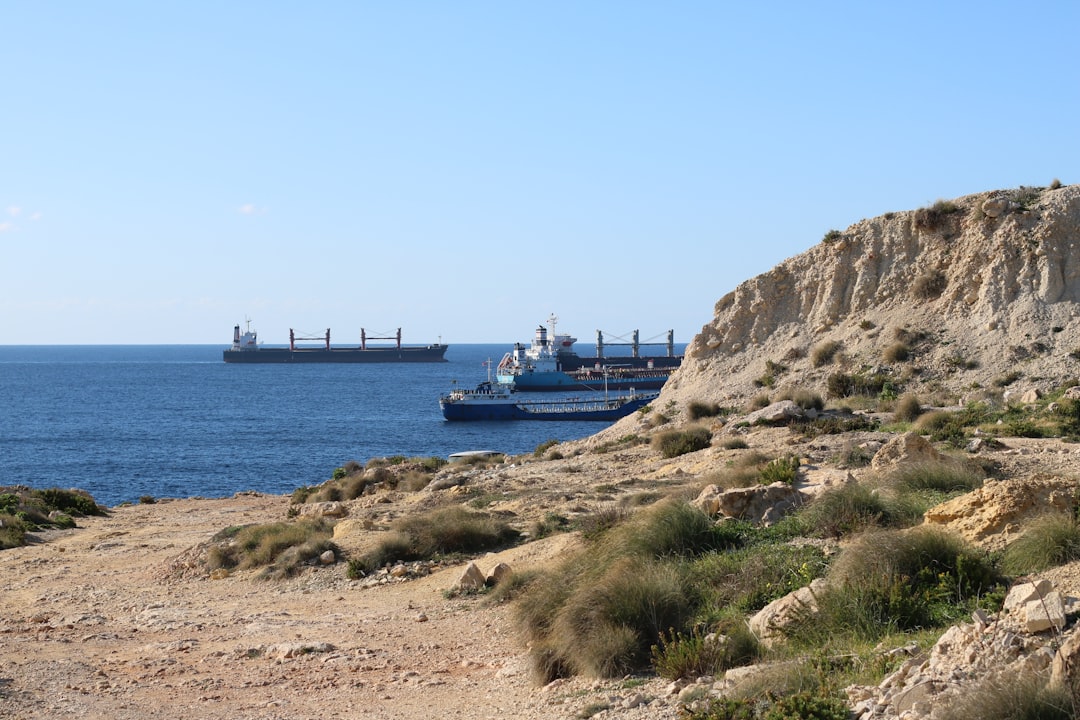
The Suez Canal, a vital artery for global trade, became the center of an unprecedented crisis in March 2021 when the Ever Given, a massive container ship, ran aground and blocked the waterway. This incident not only captured headlines around the world but also highlighted the fragility of international shipping routes. The Suez Canal, which connects the Mediterranean Sea to the Red Sea, is one of the busiest maritime passages, facilitating approximately 12% of global trade.
The blockage of this critical route sent shockwaves through the shipping industry and raised questions about the resilience of global supply chains. The crisis unfolded over six days, during which hundreds of vessels were left stranded, unable to navigate through the canal. The situation was exacerbated by the sheer size of the Ever Given, measuring 400 meters in length and carrying thousands of containers.
As efforts to dislodge the ship commenced, the world watched closely, aware that the implications of this blockage extended far beyond the immediate logistical challenges. The incident served as a stark reminder of how interconnected global trade has become and how a single event can ripple through economies worldwide.
Key Takeaways
- The Suez Canal blockage by the Ever Given severely disrupted global trade and supply chains.
- Efforts to refloat the ship involved complex salvage operations and international cooperation.
- Alternative routes like the Cape of Good Hope increased transit times and costs during the crisis.
- The incident highlighted significant economic, legal, and environmental consequences for stakeholders.
- Future risk mitigation emphasizes technology adoption and improved preparedness to prevent similar blockages.
Impact on Global Trade and Supply Chains
The ramifications of the Suez Canal blockage were felt across various sectors of the global economy. With an estimated $9 to $10 billion worth of goods passing through the canal each day, the disruption had immediate financial consequences. Delays in shipping schedules led to increased costs for businesses reliant on timely deliveries, particularly in industries such as retail and manufacturing.
Companies faced challenges in meeting consumer demand, leading to potential shortages and price hikes in certain goods. Moreover, the crisis underscored vulnerabilities within global supply chains that had already been strained by the COVID-19 pandemic. Many businesses had been operating with lean inventories, relying on just-in-time delivery systems to minimize costs.
The blockage forced companies to reassess their supply chain strategies, prompting discussions about diversification and resilience. As firms grappled with delays and increased shipping costs, it became evident that reliance on a single route could pose significant risks in times of crisis.
Causes of the Suez Canal Blockage
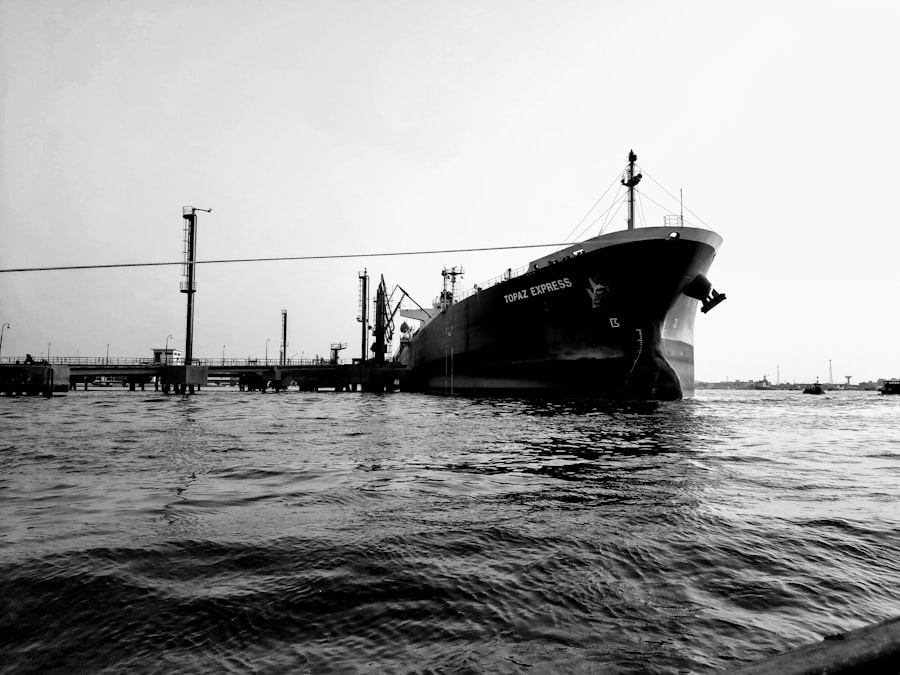
Several factors contributed to the grounding of the Ever Given in the Suez Canal. Weather conditions played a crucial role; strong winds and poor visibility were reported at the time of the incident, complicating navigation for such a large vessel. Additionally, human error cannot be overlooked.
The crew’s decisions during adverse conditions have been scrutinized, raising questions about training and preparedness for handling emergencies in challenging environments. The design and infrastructure of the Suez Canal itself also came under scrutiny. The canal is relatively narrow in certain sections, which can make it difficult for large vessels to maneuver safely.
The incident prompted discussions about whether improvements or expansions are necessary to accommodate the increasing size of modern container ships. As shipping companies continue to build larger vessels to maximize efficiency, the infrastructure must evolve to ensure safe passage through critical waterways.
Efforts to Refloat the Ever Given
The operation to refloat the Ever Given was a monumental task that involved a coordinated effort from multiple stakeholders. Salvage teams worked tirelessly around the clock, employing tugboats, dredgers, and excavators to dislodge the vessel from its position. The complexity of the operation was compounded by concerns about potential damage to the ship and its cargo, as well as environmental risks associated with fuel leaks or other hazards.
After days of intense labor and strategic planning, the Ever Given was finally freed on March 29, 2021. The successful refloating was met with relief from shipping companies and governments alike, as it allowed for the resumption of traffic through one of the world’s most crucial maritime routes. However, even after the ship was freed, challenges remained in managing the backlog of vessels waiting to transit through the canal, highlighting the extensive impact of this singular event on global shipping logistics.
Alternative Shipping Routes during the Crisis
| Metric | Value | Description |
|---|---|---|
| Duration of Blockage | 6 days | Time the Ever Given container ship was stuck in the Suez Canal |
| Number of Ships Delayed | 400+ | Ships waiting to pass through the canal during the blockage |
| Daily Global Trade Impact | 12% | Percentage of global trade volume passing through the Suez Canal daily |
| Length of Ever Given | 400 meters | Length of the container ship that caused the blockage |
| Number of Containers on Ever Given | 20,000 TEU | Twenty-foot Equivalent Units carried by the ship |
| Estimated Economic Impact | 9.6 billion | Estimated daily cost to global trade during the blockage (in USD) |
| Canal Reopening Date | March 29, 2021 | Date when the canal was cleared and reopened for traffic |
In response to the Suez Canal blockage, many shipping companies sought alternative routes to bypass the crisis. Some vessels opted for longer journeys around the Cape of Good Hope, adding significant time and cost to their voyages. This detour not only increased fuel consumption but also raised concerns about environmental impacts due to longer travel distances.
The decision to reroute ships was not taken lightly; it involved careful consideration of various factors including fuel costs, delivery timelines, and potential risks associated with navigating less frequented waters. While some companies managed to adapt quickly by altering their shipping routes, others faced challenges due to contractual obligations or logistical constraints. The crisis highlighted the need for flexibility in shipping operations and raised awareness about alternative routes that could be utilized in future emergencies.
Economic and Financial Implications
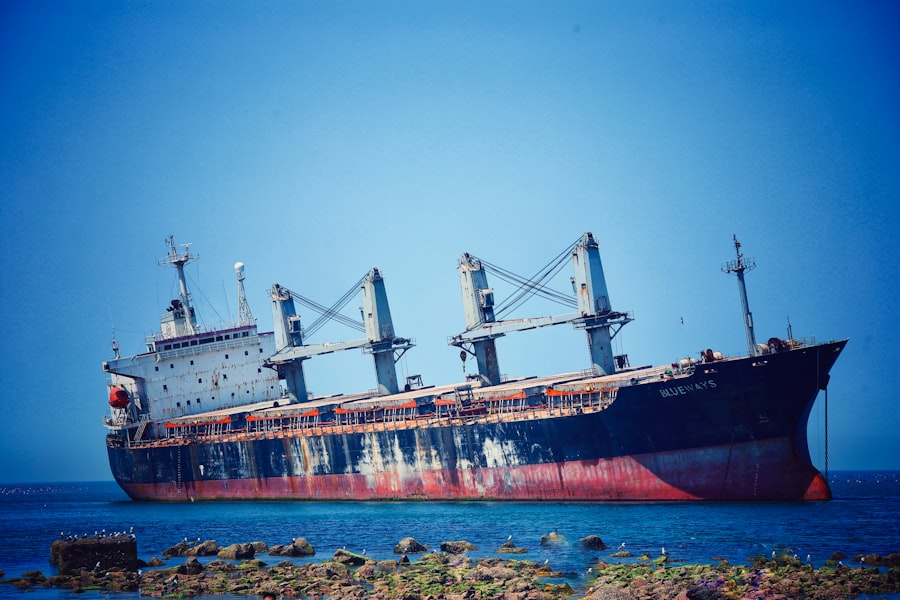
The economic fallout from the Suez Canal blockage was significant and multifaceted. In addition to immediate losses incurred by shipping companies due to delays and rerouting costs, broader economic implications emerged as industries grappled with supply chain disruptions. The ripple effects were felt across various sectors, from consumer goods to automotive manufacturing, as delays in receiving essential components led to production slowdowns.
Financial markets also reacted to the crisis, with fluctuations in stock prices for companies heavily reliant on shipping and logistics. Analysts began reassessing risk factors associated with global trade routes, leading to increased scrutiny of supply chain vulnerabilities. As businesses faced rising costs and potential revenue losses, many began exploring strategies for risk mitigation and contingency planning to better prepare for future disruptions.
Legal and Insurance Considerations for Shipowners
The grounding of the Ever Given raised complex legal and insurance issues that shipowners had to navigate in the aftermath of the incident. Questions surrounding liability emerged as stakeholders sought clarity on who would bear responsibility for damages incurred during the blockage. The situation was further complicated by international maritime laws and conventions that govern shipping operations.
Insurance claims related to the incident were expected to be substantial, with estimates suggesting that losses could reach hundreds of millions of dollars. Shipowners faced challenges in determining coverage for damages caused by delays or cargo loss while also addressing potential claims from affected parties along the supply chain. The incident served as a reminder for shipowners to review their insurance policies and ensure adequate coverage for unforeseen events.
Environmental Impact of the Suez Canal Blockage
The environmental implications of the Suez Canal blockage were a significant concern during and after the crisis. The potential for fuel leaks or cargo spills raised alarms among environmentalists and regulatory agencies alike. The Suez Canal is located in a sensitive ecological zone, making any environmental incident particularly concerning for local wildlife and ecosystems.
As discussions about future preparedness unfolded, there was a growing recognition of the need for comprehensive environmental assessments and contingency plans to address potential ecological impacts associated with maritime incidents.
Lessons Learned from the Crisis
The Suez Canal crisis provided valuable lessons for stakeholders across the shipping industry. One key takeaway was the importance of contingency planning and risk assessment in maritime operations. Companies began reevaluating their supply chain strategies, recognizing that reliance on a single route could expose them to significant vulnerabilities during crises.
Additionally, there was an increased emphasis on training and preparedness for crews navigating large vessels through challenging conditions. The incident highlighted the need for ongoing education regarding emergency protocols and navigation techniques in adverse weather scenarios. As stakeholders reflected on their experiences during this crisis, many began advocating for industry-wide standards aimed at enhancing safety and resilience in maritime operations.
Future Preparedness and Risk Mitigation
In light of the Suez Canal blockage, discussions surrounding future preparedness have gained momentum within the shipping industry. Stakeholders are increasingly recognizing that proactive measures are essential for mitigating risks associated with maritime operations. This includes investing in infrastructure improvements within critical waterways to accommodate larger vessels while ensuring safe navigation.
Moreover, companies are exploring diversification strategies within their supply chains to reduce reliance on specific routes or ports. By establishing alternative sourcing options or developing regional distribution centers, businesses can enhance their resilience against future disruptions. As global trade continues to evolve, fostering collaboration among industry players will be crucial in developing comprehensive risk mitigation strategies.
The Role of Technology in Avoiding Similar Incidents
Technology is poised to play a pivotal role in preventing incidents similar to the Suez Canal blockage in the future. Advances in navigation systems, real-time monitoring tools, and predictive analytics can enhance situational awareness for vessel operators navigating challenging waters. By leveraging data-driven insights, shipping companies can make informed decisions regarding route planning and risk assessment.
Furthermore, innovations such as automated navigation systems may reduce human error during critical maneuvers. As technology continues to evolve within the maritime industry, stakeholders must remain vigilant about integrating these advancements into their operations while prioritizing safety and environmental considerations. Embracing technological solutions will be essential for fostering resilience within global shipping networks and ensuring smoother operations in an increasingly complex maritime landscape.
The Suez Canal shipping crisis highlighted the vulnerabilities in global trade routes, prompting discussions about the need for alternative shipping strategies. For a deeper understanding of the implications of this crisis on maritime logistics, you can read more in this related article on MyGeoQuest: MyGeoQuest.
FAQs
What was the Suez Canal shipping crisis?
The Suez Canal shipping crisis occurred in March 2021 when the Ever Given, a large container ship, became lodged across the canal, blocking all maritime traffic in one of the world’s busiest shipping routes.
Why is the Suez Canal important for global shipping?
The Suez Canal is a critical waterway connecting the Mediterranean Sea to the Red Sea, allowing ships to travel between Europe and Asia without navigating around Africa, significantly reducing travel time and shipping costs.
How long was the Suez Canal blocked during the crisis?
The canal was blocked for six days, from March 23 to March 29, 2021, before the Ever Given was refloated and traffic resumed.
What caused the Ever Given to get stuck in the Suez Canal?
The ship ran aground due to a combination of high winds, a dust storm reducing visibility, and possible human error, causing it to become wedged diagonally across the canal.
What were the economic impacts of the Suez Canal blockage?
The blockage delayed hundreds of ships, disrupted global supply chains, caused financial losses estimated in billions of dollars, and led to increased shipping costs and delays in the delivery of goods worldwide.
How was the Ever Given freed from the canal?
A coordinated effort involving tugboats, dredgers, and excavators was used to remove sand and mud around the ship’s bow and stern, combined with high tides, to refloat and reposition the vessel.
What measures have been taken to prevent future Suez Canal blockages?
The Suez Canal Authority has considered widening and deepening parts of the canal, improving navigation protocols, and enhancing traffic management to reduce the risk of similar incidents.
Did the Suez Canal crisis affect global oil prices?
Yes, the blockage temporarily increased oil prices due to concerns over delayed shipments of crude oil and petroleum products passing through the canal.
Who owns the Ever Given ship?
The Ever Given is owned by Shoei Kisen Kaisha, a Japanese company, and operated by Evergreen Marine, a Taiwanese shipping company.
What lessons were learned from the Suez Canal shipping crisis?
The crisis highlighted the vulnerability of global supply chains to single points of failure, the importance of maritime route diversification, and the need for improved risk management in shipping logistics.