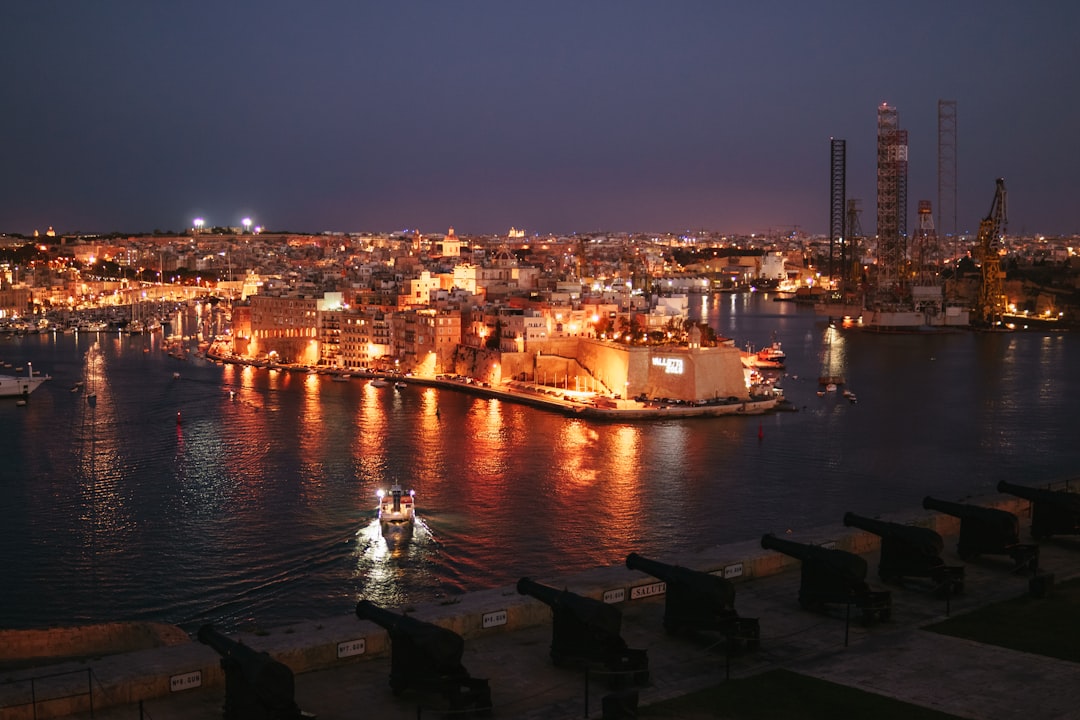
The Suez Canal serves as a critical conduit for international trade and energy transportation, experiencing disruptions that have highlighted concerns regarding global energy supply stability. These disruptions stem from geopolitical tensions, operational challenges, and growing energy demand. As a key maritime route linking Europe and Asia, the canal enables the transport of crude oil, liquefied natural gas (LNG), and other essential commodities.
Disruptions to canal operations create ripple effects throughout the global economy, influencing fuel prices and international trade relationships. The canal’s strategic significance is substantial, with approximately 12% of global trade transiting through this waterway, establishing it as a critical component of energy supply chains. Recent disruptions have exposed systemic vulnerabilities, as blockages or delays generate extensive shipping backlogs and elevated transportation costs.
Key Takeaways
- The Suez Canal is a critical chokepoint for global energy transportation, heavily influencing supply chains.
- Disruptions in the canal cause significant economic and geopolitical ripple effects worldwide.
- Alternative routes exist but often increase costs and transit times for energy shipments.
- Managing the crisis requires coordinated international strategies and investment in infrastructure resilience.
- Long-term solutions focus on diversifying energy transport methods and mitigating environmental impacts.
Impact on Global Energy Supply
The Suez Canal energy crisis has had profound implications for the global energy supply chain. When vessels are delayed or rerouted due to blockages or geopolitical tensions, the immediate effect is a disruption in the flow of oil and gas to key markets. This can lead to shortages in regions heavily reliant on imports, driving up prices and creating volatility in energy markets.
For instance, when the canal was blocked in 2021, oil prices surged as traders reacted to the uncertainty surrounding supply availability. Moreover, the crisis has exposed the fragility of energy supply chains that many countries depend on. Nations that rely heavily on oil imports from the Middle East found themselves scrambling for alternative sources or facing increased costs.
This situation has prompted some countries to reconsider their energy strategies, seeking to diversify their sources and reduce reliance on a single route for energy transportation. The ripple effects of these changes can be felt across various sectors, from transportation to manufacturing, as energy prices influence production costs and consumer behavior.
The Role of the Suez Canal in Energy Transportation
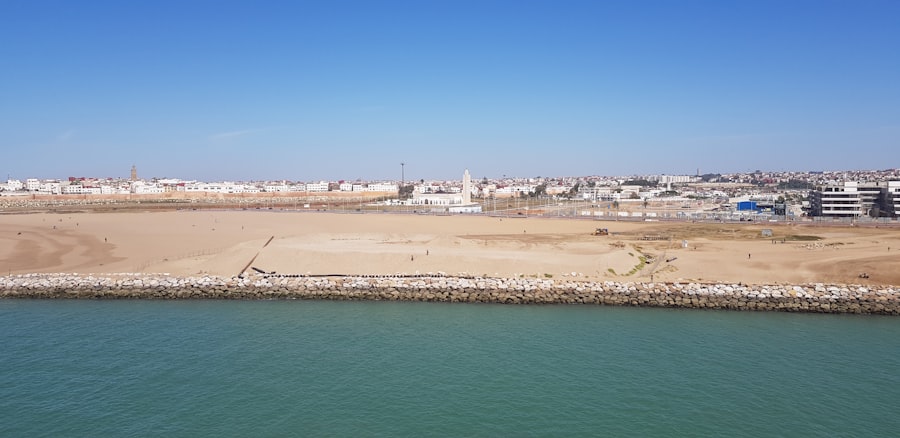
The Suez Canal serves as a critical conduit for energy transportation, facilitating the movement of vast quantities of oil and gas from producers in the Middle East to consumers in Europe and beyond. Its geographical location allows for a more direct route compared to alternative paths that would require longer transit times and higher costs. This efficiency is particularly important for time-sensitive shipments, where delays can lead to significant financial losses.
In addition to its logistical advantages, the canal also plays a symbolic role in global energy dynamics. It represents a nexus of trade and commerce that underscores the interconnectedness of nations in an era of globalization. The canal’s ability to handle large tankers and LNG carriers makes it indispensable for meeting the growing energy demands of emerging economies.
As such, any disruption in its operations not only affects immediate shipping schedules but also raises broader questions about energy security and international cooperation.
Alternative Routes for Energy Transportation
In light of the vulnerabilities exposed by the Suez Canal energy crisis, stakeholders have begun exploring alternative routes for energy transportation. One potential alternative is the Northern Sea Route, which runs along Russia’s Arctic coast. This route offers a shorter passage between Europe and Asia but comes with its own set of challenges, including harsh weather conditions and geopolitical tensions in the region.
Another option is overland transportation via pipelines or railways. While these methods can provide more reliable delivery options, they often require significant investment in infrastructure and may not be feasible for all regions. Additionally, overland routes can be subject to their own geopolitical risks, as they traverse multiple countries with varying degrees of stability.
As countries seek to mitigate risks associated with reliance on the Suez Canal, they must weigh the benefits and drawbacks of these alternative routes carefully.
Economic Implications of the Suez Canal Energy Crisis
| Metric | Value | Unit | Description |
|---|---|---|---|
| Daily Oil Transit Volume | 4.8 | Million Barrels | Average daily oil volume passing through the Suez Canal |
| Percentage of Global Oil Supply | 8 | % | Share of global oil supply transported via the Suez Canal |
| Number of Ships Delayed | 400+ | Ships | Number of vessels delayed during the canal blockage crisis |
| Duration of Blockage | 6 | Days | Length of time the Suez Canal was blocked |
| Increase in Oil Prices | 5 | % | Percentage increase in global oil prices during the crisis |
| Alternative Route Distance | 6,000 | Kilometers | Additional distance ships had to travel around the Cape of Good Hope |
| Additional Transit Time | 10-14 | Days | Extra time required for ships rerouted around Africa |
The economic implications of the Suez Canal energy crisis are far-reaching and multifaceted. Disruptions in energy supply can lead to increased prices for consumers and businesses alike, creating inflationary pressures that ripple through economies. For countries heavily reliant on imported energy, such as many European nations, this can result in higher costs for heating, transportation, and manufacturing, ultimately affecting economic growth.
Moreover, the crisis can lead to shifts in investment patterns as companies reassess their supply chains and seek to mitigate risks associated with reliance on a single route. This may involve diversifying sources of energy or investing in alternative transportation methods. The long-term economic consequences could reshape global trade patterns and influence how countries approach energy security moving forward.
Geopolitical Implications of the Suez Canal Energy Crisis
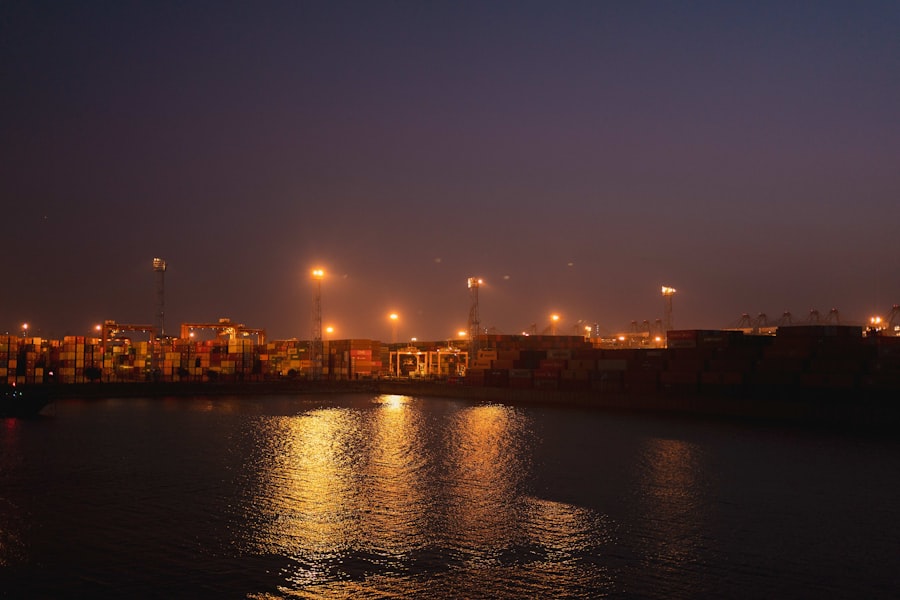
The geopolitical implications of the Suez Canal energy crisis are significant and complex. The canal’s strategic importance means that any disruption can have far-reaching consequences for international relations. Countries that rely on energy imports from the Middle East may find themselves navigating a delicate balance between securing their energy needs and managing diplomatic relationships with producer nations.
Additionally, the crisis can exacerbate existing tensions between nations vying for influence in key regions. For instance, competition over access to alternative routes or resources can lead to conflicts that further destabilize already volatile areas. As nations grapple with these challenges, they may be compelled to form new alliances or reconsider existing partnerships in pursuit of greater energy security.
Strategies for Managing the Suez Canal Energy Crisis
To effectively manage the Suez Canal energy crisis, stakeholders must adopt a multifaceted approach that addresses both immediate challenges and long-term vulnerabilities. One strategy involves enhancing coordination among shipping companies, governments, and international organizations to improve response times during disruptions. By establishing clear communication channels and contingency plans, stakeholders can minimize delays and ensure a more resilient supply chain.
Investing in infrastructure improvements is another critical component of managing the crisis. Upgrading port facilities and expanding capacity can help accommodate larger vessels and reduce congestion during peak shipping periods. Additionally, fostering collaboration between nations to develop alternative routes or enhance existing ones can provide greater flexibility in times of crisis.
Potential Solutions to the Suez Canal Energy Crisis
Addressing the Suez Canal energy crisis requires innovative solutions that leverage technology and international cooperation. One potential solution is the implementation of advanced tracking systems that provide real-time data on shipping movements and potential disruptions. By utilizing artificial intelligence and machine learning algorithms, stakeholders can anticipate challenges and respond proactively.
Furthermore, fostering partnerships between countries to develop joint infrastructure projects can enhance resilience in energy transportation. Collaborative efforts to build pipelines or establish new shipping lanes can diversify routes and reduce dependence on any single passageway. These solutions not only address immediate concerns but also lay the groundwork for a more secure and sustainable energy future.
Long-Term Effects of the Suez Canal Energy Crisis
The long-term effects of the Suez Canal energy crisis are likely to reshape global energy dynamics for years to come. As countries reassess their reliance on traditional routes for energy transportation, there may be a shift toward more localized or diversified supply chains. This could lead to increased investment in renewable energy sources as nations seek to reduce dependence on fossil fuels transported through vulnerable waterways.
Additionally, the crisis may prompt greater emphasis on sustainability within the shipping industry itself.
This shift could redefine industry standards and influence regulatory frameworks governing maritime operations.
Environmental Consequences of the Suez Canal Energy Crisis
The environmental consequences of the Suez Canal energy crisis cannot be overlooked. Disruptions in shipping can lead to increased emissions as vessels are forced to take longer routes or remain idle while waiting for passage through congested waters. This not only contributes to air pollution but also exacerbates climate change concerns as greenhouse gas emissions continue to rise.
Moreover, any accidents or spills resulting from increased maritime traffic pose significant risks to marine ecosystems along alternative routes or near port facilities. The potential for environmental disasters underscores the need for robust safety measures and contingency plans that prioritize ecological preservation alongside economic interests.
The Future of Energy Transportation in the Wake of the Suez Canal Energy Crisis
In light of recent events surrounding the Suez Canal energy crisis, the future of energy transportation is poised for transformation. Stakeholders are likely to prioritize resilience and sustainability as they navigate an increasingly complex global landscape. This may involve embracing technological advancements that enhance efficiency while minimizing environmental impact.
Furthermore, international collaboration will be essential in addressing shared challenges related to energy security and transportation logistics. By fostering partnerships across borders, nations can work together to develop innovative solutions that ensure reliable access to energy resources while safeguarding ecological integrity. Ultimately, the lessons learned from this crisis will shape how countries approach energy transportation in an era marked by uncertainty and change.
The Suez Canal energy crisis has highlighted the vulnerabilities in global supply chains and the critical role of maritime routes in energy transportation. For a deeper understanding of the implications of this crisis on energy markets and international trade, you can read more in this related article on MyGeoQuest. Check it out here: MyGeoQuest.
FAQs
What is the Suez Canal energy crisis?
The Suez Canal energy crisis refers to disruptions in the global energy supply chain caused by blockages or operational issues in the Suez Canal, a critical maritime route connecting the Mediterranean Sea to the Red Sea. These disruptions can delay the transportation of oil, natural gas, and other energy resources, leading to supply shortages and increased energy prices worldwide.
Why is the Suez Canal important for global energy supply?
The Suez Canal is a vital shipping route that significantly shortens the travel distance between Europe and Asia. It is heavily used for transporting crude oil, liquefied natural gas (LNG), and refined petroleum products. Approximately 10-12% of global trade, including a substantial portion of energy shipments, passes through the canal, making it crucial for maintaining steady energy supplies.
What caused the recent Suez Canal energy crisis?
Recent energy crises related to the Suez Canal have been caused by incidents such as the grounding of large container ships, which block the canal and halt maritime traffic. These blockages delay the delivery of energy shipments and disrupt global supply chains. Other factors include geopolitical tensions, maintenance issues, or security threats that can affect canal operations.
How does a blockage in the Suez Canal affect energy prices?
A blockage in the Suez Canal restricts the flow of energy shipments, leading to supply shortages or delays. This scarcity can cause energy prices, including crude oil and natural gas, to rise due to increased transportation costs and uncertainty in supply. The longer the blockage lasts, the more significant the impact on global energy markets.
What measures are taken to resolve a Suez Canal blockage?
To resolve a blockage, authorities typically deploy tugboats and dredgers to refloat or remove the stranded vessel. Canal operations may be temporarily suspended or rerouted to alternative passages, such as around the Cape of Good Hope, although this significantly increases transit time and costs. International cooperation and rapid response are essential to minimize disruption.
Are there alternative routes to the Suez Canal for energy shipments?
Yes, alternative routes include the longer journey around the Cape of Good Hope at the southern tip of Africa or the Northern Sea Route through the Arctic during certain seasons. However, these alternatives increase transit time, fuel consumption, and shipping costs, making them less efficient compared to the Suez Canal.
How can future Suez Canal energy crises be prevented?
Prevention strategies include improving canal infrastructure, implementing stricter navigation regulations, enhancing vessel traffic management, and investing in early warning systems. Diversifying energy supply routes and increasing storage capacities can also reduce dependency on the canal and mitigate the impact of potential disruptions.
What is the global impact of a Suez Canal energy crisis?
A Suez Canal energy crisis can lead to increased energy prices, supply chain disruptions, and economic instability worldwide. Countries dependent on energy imports via the canal may face shortages, affecting industries and consumers. The crisis can also influence geopolitical relations and prompt shifts in energy trade patterns.