
The Strait of Gibraltar, a narrow passage connecting the Atlantic Ocean to the Mediterranean Sea, has long been a critical juncture for global maritime trade. However, recent events have highlighted vulnerabilities within this vital supply chain corridor.
These elements have created a perfect storm, disrupting the flow of goods and leading to significant delays and increased costs for shipping companies and their clients. As vessels navigate through this strategic waterway, they face numerous challenges that have exacerbated the supply chain crisis. Increased scrutiny over environmental compliance has led to stricter regulations on emissions, causing delays in shipping schedules.
Additionally, geopolitical tensions in the region have raised concerns about security and stability, prompting some shipping companies to reroute their vessels or even suspend operations altogether. The cumulative effect of these disruptions has been a ripple effect felt across global markets, highlighting the interconnectedness of supply chains and the fragility of maritime logistics.
Key Takeaways
- The Strait of Gibraltar crisis has significantly disrupted global supply chains, affecting trade flow and company operations.
- Companies face challenges such as delays, increased costs, and logistical complexities in navigating the crisis.
- Mitigation strategies include diversifying shipping routes, adopting alternative transportation modes, and enhancing supply chain visibility through technology.
- Collaboration among stakeholders and supportive government policies are crucial for managing and resolving supply chain disruptions.
- Building resilience and adaptability is essential for long-term supply chain sustainability and preparing for future crises.
Impact of the Crisis on Global Trade
The ramifications of the Strait of Gibraltar supply chain crisis extend far beyond the immediate region, affecting global trade dynamics in profound ways. As one of the busiest maritime routes in the world, any disruption in the Strait can lead to significant delays in the delivery of goods, impacting industries reliant on timely shipments. For instance, sectors such as automotive, electronics, and consumer goods have reported increased lead times and shortages due to the bottlenecks created by the crisis.
This has resulted in higher prices for consumers and reduced competitiveness for businesses that rely on just-in-time inventory systems. Moreover, the crisis has underscored the vulnerability of global supply chains to localized disruptions. Companies that once viewed their supply chains as robust and resilient are now reevaluating their strategies in light of these challenges.
The increased costs associated with delays and rerouting have prompted many businesses to reconsider their sourcing strategies, leading to a shift towards more localized production and diversified supply chains. This shift may have long-term implications for global trade patterns, as companies seek to mitigate risks associated with reliance on single points of failure.
Challenges Faced by Companies in Navigating the Crisis

Navigating the complexities of the Strait of Gibraltar supply chain crisis has presented numerous challenges for companies across various sectors. One of the primary difficulties has been managing increased shipping costs, which have surged due to heightened demand for alternative routes and limited vessel availability. Companies are grappling with how to absorb these costs without passing them on to consumers, which could further strain their market position.
Additionally, the unpredictability of shipping schedules has made it challenging for businesses to maintain accurate inventory levels, leading to potential stockouts or excess inventory. Another significant challenge is the need for enhanced communication and coordination among stakeholders within the supply chain. As disruptions continue to unfold, companies must work closely with suppliers, logistics providers, and customers to ensure transparency and timely information sharing.
However, many organizations lack the necessary infrastructure or technology to facilitate effective communication, resulting in further delays and inefficiencies.
Strategies for Mitigating Supply Chain Disruptions
In response to the ongoing supply chain crisis, companies are exploring various strategies to mitigate disruptions and enhance resilience. One effective approach is diversifying sourcing options to reduce dependency on any single supplier or region. By establishing relationships with multiple suppliers across different geographic locations, businesses can create a buffer against localized disruptions and ensure a more stable flow of goods.
This strategy not only enhances resilience but also fosters competition among suppliers, potentially leading to better pricing and service levels. Another key strategy involves investing in technology solutions that enhance visibility and tracking throughout the supply chain. By leveraging advanced analytics and real-time data monitoring, companies can gain insights into potential disruptions before they escalate into significant issues.
This proactive approach allows businesses to make informed decisions regarding inventory management, transportation planning, and supplier engagement. Furthermore, adopting agile supply chain practices enables organizations to respond swiftly to changing market conditions and customer demands.
Alternative Shipping Routes and Modes of Transportation
| Metric | Value | Details |
|---|---|---|
| Number of Ships Delayed | Approximately 50 | Ships waiting to pass through the Strait due to congestion |
| Average Delay Time | 3-5 days | Delay experienced by vessels navigating the Strait |
| Impact on Global Supply Chain | Moderate to High | Disruptions in delivery schedules for goods between Europe and Africa |
| Key Commodities Affected | Oil, Gas, Consumer Goods | Essential goods experiencing shipment delays |
| Cause of Crisis | Increased Traffic and Geopolitical Tensions | Leading to bottlenecks and inspection delays |
| Mitigation Measures | Rerouting, Increased Inspection Efficiency | Efforts to reduce congestion and speed up transit |
As companies seek to navigate the challenges posed by the Strait of Gibraltar supply chain crisis, many are exploring alternative shipping routes and modes of transportation. The traditional maritime route through the Strait may no longer be the most viable option for some businesses, prompting them to consider overland transportation or air freight as alternatives. While these options may come with higher costs, they can provide faster delivery times and greater reliability during periods of disruption.
Additionally, some companies are investigating less conventional maritime routes that bypass the Strait altogether. For instance, shipping goods around Africa via the Cape of Good Hope has gained traction as an alternative route for certain cargoes. While this route may involve longer transit times, it can offer a more stable shipping environment free from the geopolitical tensions affecting the Strait.
Ultimately, businesses must weigh the trade-offs between cost, speed, and reliability when considering alternative shipping routes.
Collaborative Approaches to Addressing the Crisis
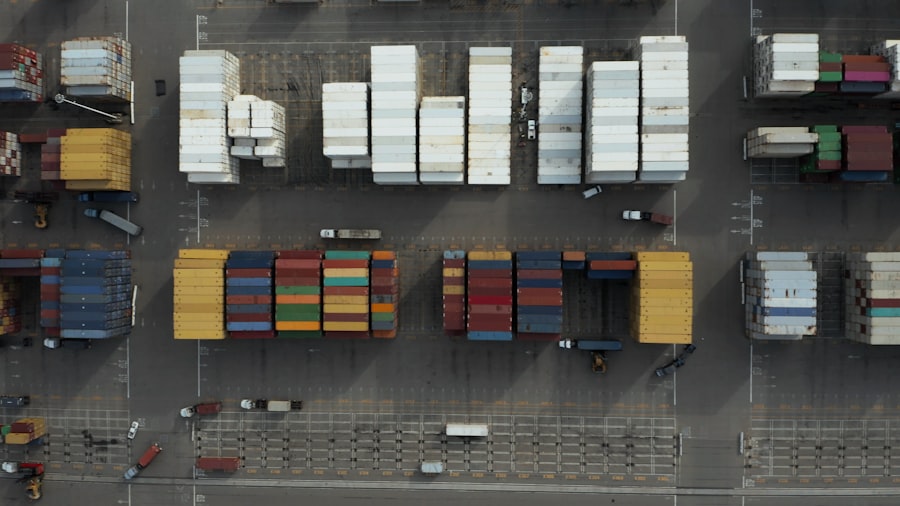
Addressing the complexities of the Strait of Gibraltar supply chain crisis requires collaborative approaches among various stakeholders within the supply chain ecosystem. Companies are increasingly recognizing that working together can lead to more effective solutions than operating in isolation. Collaborative initiatives may involve sharing resources, information, and best practices among suppliers, logistics providers, and even competitors facing similar challenges.
One example of collaboration is forming industry alliances or consortiums aimed at addressing common issues related to supply chain disruptions. By pooling resources and expertise, companies can develop innovative solutions that benefit all participants involved. Additionally, engaging with government agencies and regulatory bodies can help create a more conducive environment for addressing systemic issues affecting supply chains.
Through collaboration, stakeholders can foster resilience and adaptability in navigating ongoing challenges.
Technology Solutions for Supply Chain Visibility and Management
In an era where data-driven decision-making is paramount, technology solutions play a crucial role in enhancing supply chain visibility and management during crises like that of the Strait of Gibraltar. Advanced technologies such as artificial intelligence (AI), machine learning (ML), and blockchain are being leveraged to improve tracking capabilities and streamline operations. These tools enable companies to monitor shipments in real-time, identify potential bottlenecks, and make informed decisions based on accurate data.
Moreover, implementing integrated supply chain management platforms allows organizations to consolidate information from various sources into a single dashboard. This holistic view enables better coordination among stakeholders and facilitates quicker responses to disruptions. By investing in technology solutions that enhance visibility and management capabilities, companies can build more resilient supply chains capable of weathering future crises.
Government Policies and Regulations Affecting Supply Chain Operations
Government policies and regulations play a significant role in shaping supply chain operations within critical corridors like the Strait of Gibraltar. Regulatory frameworks governing environmental standards, trade agreements, and security measures can either facilitate or hinder smooth logistics operations. In light of recent disruptions, governments are being called upon to reassess existing policies to ensure they support rather than impede efficient supply chain functioning.
For instance, streamlining customs procedures and reducing bureaucratic red tape can help expedite cargo movement through ports along the Strait. Additionally, fostering international cooperation on security measures can enhance stability in the region while ensuring compliance with environmental regulations. By creating a supportive regulatory environment, governments can help mitigate some of the challenges faced by companies navigating supply chain disruptions.
Resilience and Adaptability in the Face of the Crisis
The ongoing supply chain crisis has underscored the importance of resilience and adaptability for businesses operating within global markets. Companies that have successfully navigated these challenges often exhibit a willingness to pivot their strategies in response to changing circumstances. This adaptability may involve re-evaluating sourcing strategies, investing in technology solutions, or exploring new markets altogether.
Furthermore, fostering a culture of resilience within organizations is essential for long-term success. This involves empowering employees at all levels to identify potential risks and propose innovative solutions. By cultivating an agile mindset and encouraging collaboration across departments, companies can enhance their ability to respond effectively to future disruptions while maintaining operational continuity.
Long-Term Implications for Supply Chain Management
The lessons learned from the Strait of Gibraltar supply chain crisis will likely have lasting implications for how companies approach supply chain management moving forward. As businesses reassess their strategies in light of recent disruptions, there may be a shift towards greater emphasis on risk management and contingency planning. Organizations will likely prioritize building more resilient supply chains capable of withstanding future shocks while maintaining efficiency.
Additionally, there may be an increased focus on sustainability within supply chain practices as companies seek to align with evolving consumer expectations and regulatory requirements. This could involve adopting greener transportation methods or sourcing materials from environmentally responsible suppliers. Ultimately, these long-term implications will shape the future landscape of supply chain management as organizations strive for greater resilience in an increasingly complex global environment.
Lessons Learned and Best Practices for Future Supply Chain Resilience
The experiences gained from navigating the Strait of Gibraltar supply chain crisis offer valuable lessons for businesses seeking to enhance their resilience in future disruptions. One key takeaway is the importance of diversification—both in sourcing strategies and transportation modes—to mitigate risks associated with reliance on single points of failure. Companies that embrace this principle will be better positioned to adapt when faced with unforeseen challenges.
Moreover, investing in technology solutions that enhance visibility and communication throughout the supply chain is essential for fostering resilience. By leveraging data analytics and real-time tracking capabilities, organizations can make informed decisions that minimize disruptions while optimizing operations. Finally, fostering collaboration among stakeholders within the supply chain ecosystem will be crucial for addressing systemic issues collectively and building a more resilient future for global trade.
In conclusion, while the Strait of Gibraltar supply chain crisis has presented significant challenges for businesses worldwide, it has also highlighted opportunities for growth and improvement within supply chain management practices. By embracing resilience, adaptability, collaboration, and technology-driven solutions, companies can navigate current disruptions while preparing for an uncertain future in global trade.
The recent supply chain crisis at the Strait of Gibraltar has raised significant concerns about global trade routes and their vulnerabilities. For a deeper understanding of the implications of this crisis, you can read a related article that discusses the broader impacts on international shipping and logistics. Check it out here: Strait of Gibraltar Supply Chain Crisis Analysis.
WATCH THIS! The $10 Trillion Secret: What Happens If The Strait of Gibraltar Closes For Good
FAQs
What is the Strait of Gibraltar?
The Strait of Gibraltar is a narrow waterway that connects the Atlantic Ocean to the Mediterranean Sea and separates southern Spain from northern Morocco. It is a critical maritime passage for global shipping and trade.
Why is the Strait of Gibraltar important for global supply chains?
The Strait of Gibraltar is one of the busiest shipping routes in the world, serving as a key transit point for goods moving between Europe, Africa, and Asia. Its strategic location makes it essential for the timely delivery of goods and raw materials.
What caused the supply chain crisis in the Strait of Gibraltar?
The supply chain crisis in the Strait of Gibraltar was caused by a combination of factors including increased maritime traffic, port congestion, labor shortages, and disruptions related to the COVID-19 pandemic. These issues led to delays and bottlenecks in shipping.
How has the supply chain crisis affected global trade?
The crisis has resulted in delayed shipments, increased shipping costs, and shortages of certain goods in various markets. It has also contributed to longer lead times and uncertainty in supply chain planning for businesses relying on this route.
What measures are being taken to resolve the supply chain crisis?
Authorities and port operators are working to improve port efficiency, increase labor availability, and enhance coordination among shipping companies. Investments in infrastructure and technology are also being made to reduce congestion and speed up cargo handling.
Can the supply chain crisis in the Strait of Gibraltar happen again?
While efforts are underway to mitigate risks, the possibility of future disruptions remains due to the high volume of traffic and external factors such as geopolitical tensions, pandemics, or natural events. Continuous monitoring and adaptive strategies are necessary to manage potential crises.
How can businesses prepare for supply chain disruptions in the Strait of Gibraltar?
Businesses can diversify their supply routes, maintain higher inventory levels, work closely with logistics partners, and stay informed about maritime conditions and port operations to better manage risks associated with the Strait of Gibraltar.