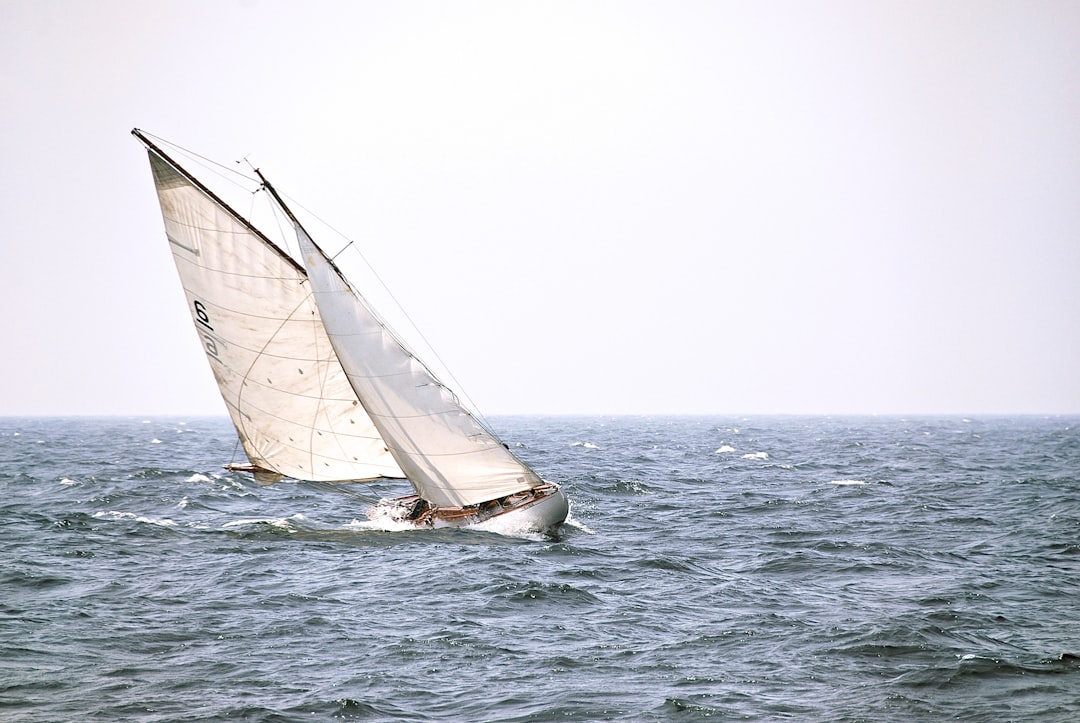
The Southern Ocean surrounds Antarctica and plays a critical role in Earth’s climate system. It is characterized by cold temperatures, powerful currents, and abundant marine life. The ocean is distinguished by the Antarctic Convergence, a boundary where cold, nutrient-rich waters from the south meet warmer waters from the north.
This convergence zone creates an environment that sustains diverse marine species and attracts significant scientific research attention. Beyond its ecological importance, the Southern Ocean influences global weather patterns through its currents, particularly the Antarctic Circumpolar Current, which circulates enormous volumes of water around the planet and affects climate systems worldwide. Studying the Southern Ocean is essential for understanding environmental changes, including climate change, sea level rise, and extreme weather events.
Scientists continue to investigate this ocean’s complex interactions with the atmosphere and other ocean systems to better understand these global phenomena.
Key Takeaways
- The Southern Ocean features unique weather, strong winds, and frequent storms impacting navigation.
- Icebergs and glacial ice present significant hazards for vessels operating in the region.
- Remote conditions demand specialized equipment, safety measures, and reliable communication systems.
- The area supports diverse wildlife and marine life adapted to harsh environments.
- Psychological and physical challenges are common, but many have achieved notable success navigating these waters.
Weather and Climate Patterns
The weather and climate patterns of the Southern Ocean are characterized by their variability and intensity. The region experiences extreme conditions, with temperatures often plunging below freezing and fierce storms sweeping across the waters. The ocean’s proximity to Antarctica means that it is heavily influenced by the continent’s ice sheets and glacial formations.
These factors contribute to a climate that can shift rapidly, creating challenges for those who navigate its waters. Seasonal changes also play a significant role in shaping the weather patterns of the Southern Ocean. During the summer months, the region experiences longer daylight hours, which can lead to increased biological activity and a temporary warming of surface waters.
Conversely, winter brings harsh conditions, with strong winds and heavy snowfall that can create treacherous navigation conditions. Understanding these seasonal variations is crucial for researchers and mariners alike, as they impact everything from marine life behavior to shipping routes. The treacherous waters of the Drake Passage are known for their unpredictable weather and powerful currents.
Icebergs and Glacial Ice
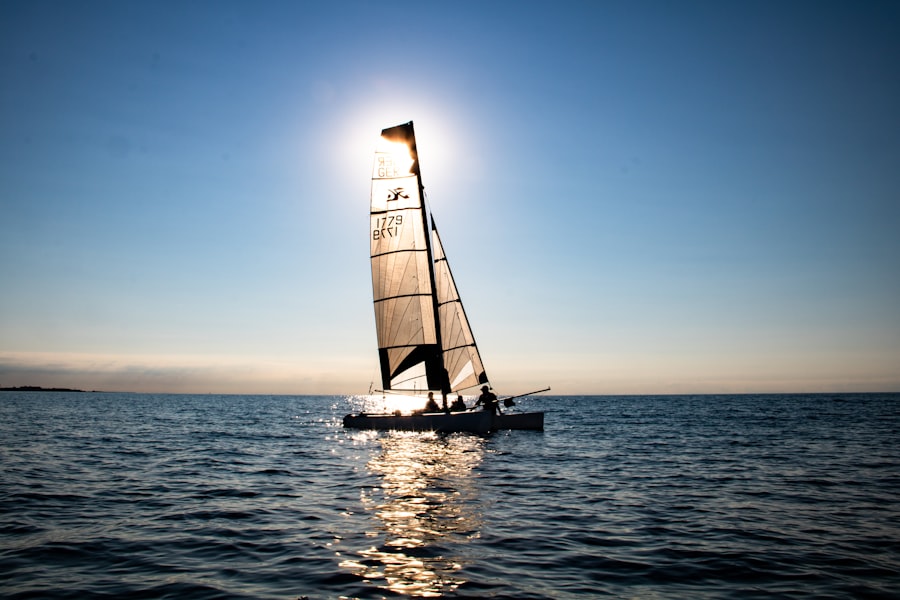
Icebergs and glacial ice are defining features of the Southern Ocean, contributing to its striking landscape and ecological dynamics. The region is home to some of the largest icebergs on the planet, which calve from the massive ice shelves surrounding Antarctica. These floating giants can pose significant hazards to navigation but also serve as critical habitats for various marine species.
As they drift through the ocean, icebergs provide nutrients that support phytoplankton growth, forming the foundation of the marine food web. The presence of glacial ice also has profound implications for global sea levels. As climate change accelerates the melting of Antarctic ice sheets, researchers are closely monitoring these changes to understand their potential impact on coastal communities worldwide.
The Southern Ocean acts as a barometer for climate change, with its ice dynamics offering valuable insights into broader environmental trends. The interplay between icebergs, glacial melt, and ocean currents is a complex system that continues to be a focal point for scientific research.
Strong Winds and Storms
The Southern Ocean is notorious for its strong winds and storms, which can arise suddenly and with little warning. The region’s unique geography contributes to these intense weather phenomena, as the lack of landmass allows winds to travel unimpeded across vast distances. This results in powerful gales that can create hazardous conditions for vessels navigating these waters.
Mariners must be well-prepared to face these challenges, as storms can develop rapidly and lead to dangerous situations. The storms of the Southern Ocean are not only formidable but also play a crucial role in shaping the ocean’s ecosystem. They help mix surface waters with deeper layers, distributing nutrients throughout the water column and supporting marine life.
However, these storms can also have destructive consequences, leading to erosion of coastlines and impacting wildlife habitats. Understanding the patterns and behaviors of these storms is essential for both navigation safety and ecological conservation efforts in this remote region.
Remote and Isolated Conditions
| Challenge | Description | Impact on Sailing | Typical Conditions |
|---|---|---|---|
| Extreme Winds | Strong, persistent westerly winds known as the “Roaring Forties” and “Furious Fifties” | High risk of capsizing, difficult sail handling, increased fatigue | Wind speeds often exceed 40 knots, gusts up to 60 knots |
| Massive Waves | Large ocean swells generated by strong winds over long distances | Challenging navigation, risk of hull damage, difficult steering | Wave heights commonly 6-12 meters, occasionally exceeding 15 meters |
| Cold Temperatures | Sub-Antarctic and Antarctic proximity results in freezing conditions | Hypothermia risk, equipment freezing, reduced crew performance | Temperatures often below 0°C, wind chill can be much lower |
| Icebergs and Sea Ice | Floating ice hazards from Antarctic glaciers and pack ice | Collision risk, route restrictions, need for constant vigilance | Icebergs can be several meters high, often partially submerged |
| Remote Location | Vast distances from land and rescue services | Limited emergency support, self-sufficiency required | Thousands of nautical miles from nearest ports |
| Rapid Weather Changes | Unpredictable storms and sudden shifts in weather patterns | Need for constant monitoring, quick decision-making | Weather can change within minutes from calm to storm |
The remoteness of the Southern Ocean adds another layer of complexity to its study and navigation. With vast stretches of open water and limited access points, this ocean is one of the most isolated regions on Earth. This isolation presents challenges for researchers and explorers who seek to study its unique ecosystems or conduct scientific research.
The logistical difficulties associated with reaching this area can hinder efforts to gather data and monitor environmental changes. Moreover, the isolation of the Southern Ocean contributes to its pristine nature, making it a valuable area for conservation efforts. The relatively untouched ecosystems provide a glimpse into how marine life thrives in extreme conditions.
However, this remoteness also means that any human activity—such as fishing or tourism—can have significant impacts on local wildlife and habitats. Balancing exploration with conservation is a critical challenge faced by those who work in this unique environment.
Wildlife and Marine Life
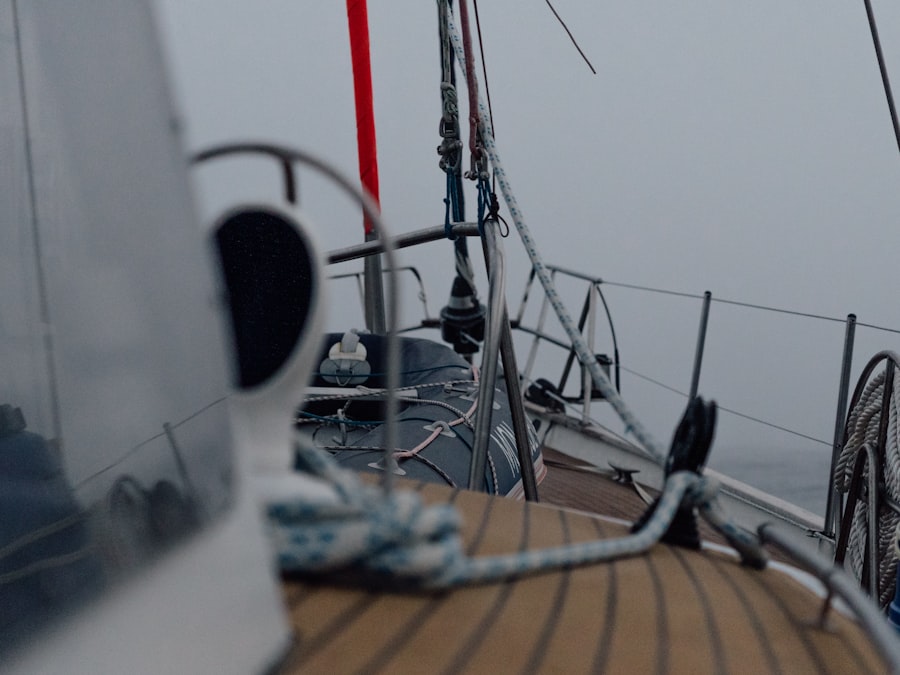
The Southern Ocean is teeming with diverse wildlife and marine life that have adapted to its harsh conditions. From majestic whales to playful seals, this region supports a variety of species that rely on its nutrient-rich waters for survival. The ocean’s cold temperatures foster an abundance of krill, a small crustacean that serves as a vital food source for many larger animals.
This intricate food web highlights the interconnectedness of life in the Southern Ocean. In addition to its charismatic megafauna, the Southern Ocean is home to numerous species of fish, seabirds, and invertebrates that thrive in its unique environment. Many of these species are endemic to the region, meaning they are found nowhere else on Earth.
Researchers continue to study these organisms to better understand their adaptations and roles within the ecosystem. The Southern Ocean’s biodiversity is not only important for ecological balance but also holds potential for scientific discoveries that could benefit humanity.
Navigation and Charting
Navigating the Southern Ocean requires specialized knowledge and skills due to its challenging conditions and remote location. Mariners must be well-versed in charting techniques that account for shifting icebergs, unpredictable weather patterns, and strong currents. Accurate navigation is essential for ensuring safety while traversing these waters, as even minor miscalculations can lead to dangerous situations.
Advancements in technology have improved navigation capabilities in recent years, with satellite imagery and GPS systems providing valuable tools for mariners. However, traditional methods such as celestial navigation remain important in this region where electronic systems may fail due to extreme weather or isolation from communication networks. Navigators must be adaptable and resourceful, drawing on both modern technology and time-honored techniques to safely traverse the Southern Ocean.
Equipment and Safety Precautions
Given the extreme conditions of the Southern Ocean, having the right equipment and safety precautions in place is paramount for anyone venturing into these waters. Vessels must be equipped with robust hulls capable of withstanding icy conditions and strong waves. Additionally, safety gear such as life jackets, emergency beacons, and survival kits are essential components of any expedition into this challenging environment.
Preparation extends beyond physical equipment; mental readiness is equally important when facing the unpredictable nature of the Southern Ocean. Crew members must undergo rigorous training to handle emergencies effectively and maintain composure during adverse conditions. Regular drills and safety briefings help ensure that everyone on board understands their roles in case of an emergency, fostering a culture of preparedness that can make all the difference in critical situations.
Communication and Support
Effective communication is vital when navigating the remote expanses of the Southern Ocean. Given its isolation, maintaining contact with support teams on land or at sea can be challenging but is essential for safety and coordination during expeditions.
Support networks play a crucial role in ensuring successful missions within the Southern Ocean. Research teams often collaborate with various organizations to share data and resources, enhancing their ability to study this unique environment comprehensively. These partnerships facilitate knowledge exchange and foster a sense of community among those dedicated to exploring and protecting the Southern Ocean’s ecosystems.
Psychological and Physical Challenges
The psychological and physical challenges faced by individuals working in the Southern Ocean cannot be underestimated. The harsh environment can take a toll on mental well-being, with isolation, extreme weather conditions, and long periods away from home contributing to stress and fatigue. Crew members must develop coping strategies to manage these challenges effectively while maintaining focus on their tasks.
Physically, navigating the Southern Ocean demands resilience and adaptability. Crew members must be prepared for strenuous activities such as climbing icy surfaces or conducting research in frigid waters. Maintaining physical fitness is crucial for ensuring that individuals can perform their duties safely and effectively under demanding conditions.
Support systems that prioritize mental health alongside physical well-being are essential for fostering resilience among those who work in this remote environment.
Success Stories and Accomplishments
Despite the challenges posed by the Southern Ocean, there have been numerous success stories that highlight human ingenuity and perseverance in this unique environment. Scientific research expeditions have led to groundbreaking discoveries about climate change impacts on marine ecosystems, contributing valuable data to global efforts aimed at understanding environmental shifts. Additionally, conservation initiatives have made significant strides in protecting vulnerable species within the Southern Ocean.
Collaborative efforts among governments, NGOs, and research institutions have resulted in successful marine protected areas that safeguard critical habitats from overfishing and other human activities. These accomplishments serve as a testament to what can be achieved through dedication, collaboration, and respect for one of Earth’s last frontiers. In conclusion, the Southern Ocean remains a realm of mystery and wonder that continues to captivate scientists, explorers, and conservationists alike.
Its unique characteristics—ranging from extreme weather patterns to rich biodiversity—offer both challenges and opportunities for those who venture into its depths.
Sailing in the Southern Ocean presents a unique set of challenges due to its unpredictable weather patterns and treacherous waters. For those interested in exploring these difficulties further, a related article can be found at My Geo Quest, which delves into the experiences of sailors navigating this formidable region.
WATCH THIS 🛑 Drake Passage: Earth’s Deadliest Waters Revealed
FAQs
What makes sailing in the Southern Ocean particularly challenging?
The Southern Ocean is known for its extreme weather conditions, including strong winds, massive waves, and frequent storms. The cold temperatures, icebergs, and remote location also add to the difficulty of sailing in this region.
How do sailors prepare for the harsh conditions of the Southern Ocean?
Sailors prepare by using specialized equipment and clothing designed for cold and wet conditions, ensuring their vessels are reinforced to withstand heavy seas, and planning routes carefully to avoid the worst weather. They also undergo rigorous training to handle emergencies and navigate in remote areas.
What are the common weather hazards encountered in the Southern Ocean?
Common hazards include gale-force winds, sudden storms, freezing temperatures, large swells, and the presence of icebergs and sea ice, which can pose significant risks to vessels.
Why is navigation in the Southern Ocean more difficult than in other oceans?
Navigation is challenging due to the lack of nearby landmasses for reference, frequent poor visibility from fog and storms, magnetic anomalies affecting compass readings, and limited satellite coverage in some areas.
Are there any environmental concerns related to sailing in the Southern Ocean?
Yes, the Southern Ocean is a sensitive ecosystem, and sailors must take care to minimize pollution and avoid disturbing wildlife. Strict regulations are in place to protect the environment, including guidelines on waste disposal and restrictions on certain activities.
What types of vessels are best suited for Southern Ocean sailing?
Robust, ocean-going vessels designed for heavy weather, such as reinforced yachts and research ships, are best suited. These vessels typically have strong hulls, reliable navigation systems, and safety features to handle extreme conditions.
How do sailors manage emergencies in such a remote and harsh environment?
Sailors rely on satellite communication devices, emergency beacons, and well-practiced safety protocols. They carry survival gear and have contingency plans for medical emergencies, equipment failure, and severe weather.
Is it safe for inexperienced sailors to attempt Southern Ocean voyages?
Due to the extreme conditions and risks, Southern Ocean sailing is generally not recommended for inexperienced sailors. Extensive training, experience, and preparation are essential for safety in this environment.