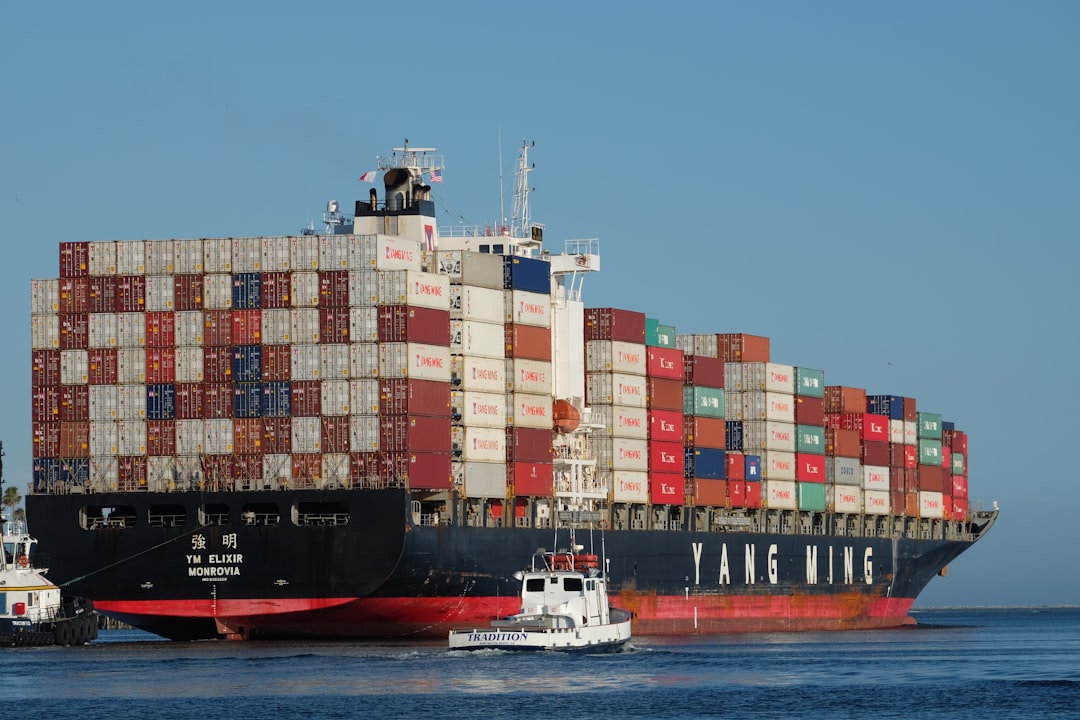
The Arctic region has become increasingly significant for global shipping due to economic opportunities and geopolitical considerations. Climate change-induced ice cap melting has made previously inaccessible shipping routes navigable, including the Northern Sea Route along Russia’s coast and the Northwest Passage through the Canadian Arctic Archipelago. These routes can reduce shipping distances by up to 40% compared to traditional routes through the Suez or Panama Canals, cutting transit times between Europe and Asia from approximately 34 days to 20 days.
The Arctic contains substantial natural resource deposits, with the U.S. Geological Survey estimating that the region holds 13% of the world’s undiscovered oil reserves and 30% of undiscovered natural gas reserves. Retreating sea ice has improved access to these resources, increasing exploration and extraction activities.
Multiple nations, including Russia, Norway, Canada, and the United States, have expanded their Arctic operations to capitalize on these opportunities. The shipping industry has responded by developing ice-strengthened vessels and specialized navigation equipment designed for Arctic conditions. Ice-class ships, built to withstand contact with sea ice, have become essential for year-round Arctic operations.
Companies are investing in advanced technologies such as satellite-based ice monitoring systems and reinforced hull designs to ensure safe passage through these waters. This technological advancement, combined with extended ice-free periods, has made Arctic shipping routes increasingly viable for commercial use, fundamentally altering global maritime trade patterns.
Key Takeaways
- Arctic shipping is becoming increasingly important due to new routes opening from climate change.
- Navigating Arctic waters presents unique challenges, including extreme weather and ice hazards.
- Insurance premiums for Arctic shipping are rising sharply due to heightened risks and operational complexities.
- Effective risk management involves proper planning, advanced technology, and collaboration with insurers.
- The future of Arctic shipping insurance will depend on evolving environmental conditions and improved safety measures.
The Impact of Climate Change on Arctic Shipping
Climate change has had a profound impact on the Arctic region, fundamentally altering its landscape and maritime conditions. The warming climate has led to a significant reduction in sea ice extent and thickness, creating new navigable waterways that were once considered impassable. This transformation has not only opened up new shipping routes but has also raised concerns about environmental sustainability and the potential for increased maritime accidents.
As shipping companies capitalize on these new opportunities, they must also grapple with the implications of their activities on fragile ecosystems. The changing climate also brings unpredictability to Arctic shipping operations. While some seasons may present favorable conditions for navigation, others may be fraught with challenges such as sudden ice formations or extreme weather events.
This variability necessitates a reevaluation of traditional shipping practices and risk management strategies. As the Arctic continues to evolve due to climate change, stakeholders must remain vigilant and adaptable to ensure safe and responsible navigation in these increasingly dynamic waters.
The Challenges of Navigating Arctic Waters
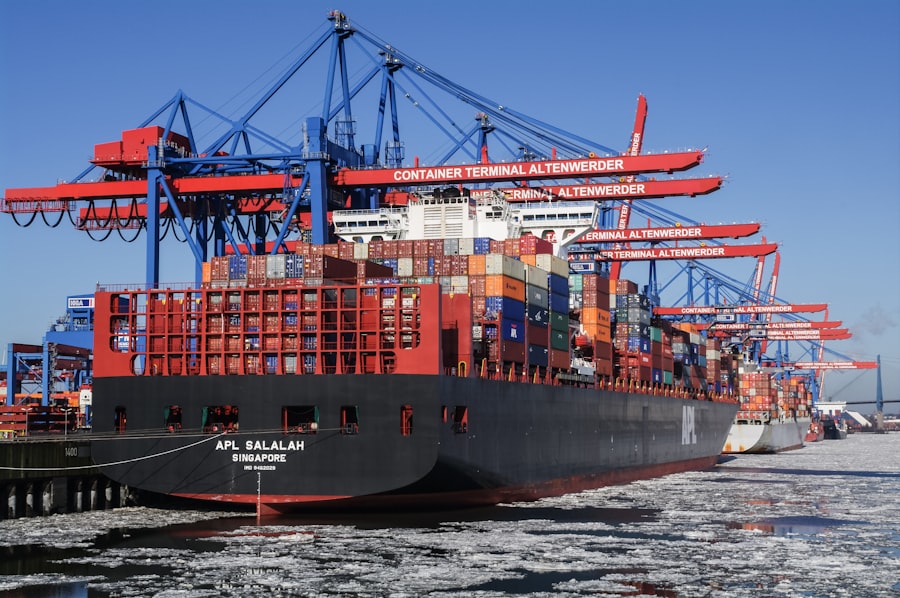
Navigating the Arctic waters presents a unique set of challenges that can complicate shipping operations. The harsh environmental conditions, characterized by extreme cold, strong winds, and limited visibility, pose significant risks to vessels operating in the region. Ice formations can be unpredictable, with shifting patterns that can trap ships or cause damage to hulls.
Additionally, the remoteness of the Arctic means that emergency response resources are often limited, making it crucial for vessels to be well-prepared for any eventuality. Furthermore, the lack of established infrastructure in many parts of the Arctic complicates logistics and increases operational costs. Ports are sparse, and those that do exist may not be equipped to handle large vessels or provide adequate services.
This lack of infrastructure can lead to delays and increased transit times, undermining some of the advantages that Arctic shipping offers. As companies seek to navigate these challenges, they must invest in advanced technologies and training to ensure their crews are equipped to handle the complexities of Arctic navigation.
The Increase in Arctic Shipping Insurance Premiums
As interest in Arctic shipping grows, so too do the associated risks, leading to a notable increase in insurance premiums for vessels operating in these waters. Insurers are acutely aware of the heightened dangers posed by navigating through ice-laden seas and unpredictable weather patterns. Consequently, they have adjusted their pricing models to reflect the increased likelihood of accidents or damage in this challenging environment.
This rise in premiums can significantly impact shipping companies’ bottom lines, forcing them to reconsider their operational strategies. The increase in insurance costs is not merely a reflection of heightened risk; it also underscores the evolving nature of maritime insurance as a whole. Insurers are now more focused on assessing risks specific to Arctic operations, taking into account factors such as vessel design, crew training, and environmental considerations.
As a result, companies must not only contend with higher premiums but also demonstrate their commitment to safety and risk management to secure favorable insurance terms.
Factors Contributing to the Surge in Insurance Premiums
| Year | Average Insurance Premium Increase (%) | Key Risk Factors | Notable Incidents Impacting Premiums | Comments |
|---|---|---|---|---|
| 2018 | 5 | Ice damage, limited rescue infrastructure | Minor hull damages reported | Initial rise due to increased Arctic traffic |
| 2019 | 8 | Environmental hazards, navigation challenges | Increased number of near-miss incidents | Growing insurer caution reflected in premiums |
| 2020 | 12 | Climate change effects, regulatory changes | First major icebreaker damage claims | Significant premium escalation due to risk reassessment |
| 2021 | 15 | Geopolitical tensions, supply chain disruptions | Several cargo delays and insurance claims | Heightened risk perception among insurers |
| 2022 | 18 | Increased vessel traffic, extreme weather events | Notable increase in insurance claims | Premiums continue to rise sharply |
| 2023 | 20 | Infrastructure limitations, environmental regulations | Major incident involving oil spill | Premiums reach record highs |
Several factors contribute to the surge in insurance premiums for Arctic shipping. First and foremost is the inherent risk associated with navigating icy waters.
Additionally, the harsh weather conditions can lead to mechanical failures or accidents that may not occur in milder climates. Insurers must account for these risks when determining premium rates. Another contributing factor is the increasing regulatory scrutiny surrounding Arctic shipping operations.
Governments and international organizations are implementing stricter regulations aimed at protecting the fragile Arctic environment and ensuring safe navigation. Compliance with these regulations often requires additional investments in safety measures and equipment, which can further drive up insurance costs. As insurers adapt to this evolving regulatory landscape, they are likely to continue adjusting their pricing structures accordingly.
The Role of Insurance Companies in Managing Risks
Insurance companies play a crucial role in managing risks associated with Arctic shipping by providing coverage that helps mitigate potential financial losses from accidents or environmental damage. They assess various factors when underwriting policies, including vessel specifications, crew qualifications, and operational practices. By doing so, insurers can better understand the unique risks posed by each operation and tailor their coverage accordingly.
Moreover, insurers are increasingly taking on an advisory role, offering guidance on best practices for risk management in Arctic shipping. This includes recommending safety protocols, training programs for crews, and investment in advanced technologies that enhance navigational safety. By collaborating with shipping companies to implement these measures, insurers can help reduce the likelihood of incidents occurring while also fostering a culture of safety within the industry.
Strategies for Mitigating Risks in Arctic Shipping
To navigate the complexities of Arctic shipping successfully, companies must adopt comprehensive risk mitigation strategies. One effective approach is investing in ice-class vessels specifically designed to withstand harsh conditions and navigate through ice-laden waters safely. These vessels are built with reinforced hulls and advanced propulsion systems that enhance their maneuverability in challenging environments.
In addition to vessel design, training crews to operate effectively in Arctic conditions is paramount. Comprehensive training programs should focus on ice navigation techniques, emergency response protocols, and environmental stewardship practices. By equipping crews with the knowledge and skills necessary to handle potential challenges, companies can significantly reduce their exposure to risk while promoting safe operations.
The Importance of Proper Planning and Preparation
Proper planning and preparation are essential components of successful Arctic shipping operations. Companies must conduct thorough assessments of potential routes, taking into account seasonal variations in ice coverage and weather patterns. This information is critical for determining optimal transit times and ensuring that vessels are adequately equipped for the journey ahead.
Additionally, contingency planning is vital for addressing unforeseen circumstances that may arise during transit. Shipping companies should develop robust emergency response plans that outline procedures for dealing with accidents or environmental incidents. By anticipating potential challenges and having clear protocols in place, companies can enhance their resilience and minimize disruptions to their operations.
The Role of Technology in Enhancing Safety in Arctic Shipping
Technology plays an increasingly important role in enhancing safety within the realm of Arctic shipping. Advanced navigational systems equipped with real-time data on ice conditions and weather patterns allow vessels to make informed decisions about their routes. These systems can provide critical information about potential hazards, enabling crews to adjust their course proactively.
Moreover, innovations such as remote sensing technology and satellite imagery have revolutionized how companies monitor ice conditions and assess risks associated with navigation. By leveraging these tools, shipping companies can improve their situational awareness and respond more effectively to changing conditions in real time.
The Future of Arctic Shipping Insurance Premiums
Looking ahead, it is likely that insurance premiums for Arctic shipping will continue to fluctuate as various factors influence risk assessments within this unique maritime environment. As climate change progresses and new shipping routes emerge, insurers will need to adapt their pricing models accordingly. Increased competition among insurers may also lead to more favorable terms for some operators who demonstrate robust risk management practices.
However, as incidents occur or environmental concerns escalate, premiums may rise again as insurers reassess their exposure to risk within the region. The future landscape of Arctic shipping insurance will likely be shaped by ongoing developments in technology, regulatory frameworks, and environmental considerations—all of which will require stakeholders to remain agile and responsive.
Navigating the Risks of Arctic Shipping
In conclusion, navigating the complexities of Arctic shipping presents both significant opportunities and formidable challenges for stakeholders involved in this burgeoning sector. As climate change continues to reshape the region’s maritime landscape, companies must remain vigilant about the risks associated with operating in icy waters while also capitalizing on new trade routes and resource opportunities. The role of insurance companies will be critical in managing these risks effectively through tailored coverage options and proactive risk management strategies.
By investing in advanced technologies, proper planning, and crew training, shipping companies can enhance safety while navigating this dynamic environment. Ultimately, success in Arctic shipping will depend on a collaborative approach that prioritizes safety, sustainability, and adaptability amid an ever-changing landscape.
The recent escalation of insurance premiums for Arctic shipping has raised significant concerns among industry stakeholders, as highlighted in a related article. This increase is largely attributed to the growing risks associated with navigating these treacherous waters, which are becoming more accessible due to climate change. For more insights on this topic, you can read the full article [here](https://www.mygeoquest.com/sample-page/).
FAQs
What is Arctic shipping insurance?
Arctic shipping insurance is a specialized type of marine insurance that covers vessels operating in the Arctic region. It provides protection against risks unique to Arctic navigation, such as extreme weather conditions, ice damage, and limited search and rescue options.
Why are insurance premiums for Arctic shipping increasing?
Insurance premiums for Arctic shipping are escalating due to several factors, including higher risks associated with navigating icy waters, increased frequency of severe weather events, limited infrastructure for emergency response, and the rising costs of salvage and rescue operations in remote Arctic areas.
What risks contribute to higher insurance costs in Arctic shipping?
Risks include ice-related hull damage, collisions with icebergs, mechanical failures in extreme cold, environmental hazards, limited availability of ports and repair facilities, and challenges in emergency response and salvage operations.
How does climate change impact Arctic shipping insurance premiums?
Climate change is causing melting ice, which opens new shipping routes but also introduces unpredictable ice conditions and weather patterns. This uncertainty increases operational risks, leading insurers to raise premiums to cover potential losses.
Are there specific regulations affecting Arctic shipping insurance?
Yes, Arctic shipping is subject to international regulations such as the Polar Code, which sets safety and environmental standards. Compliance with these regulations can influence insurance premiums, as adherence may reduce certain risks.
What measures can ship operators take to reduce insurance premiums in the Arctic?
Operators can invest in ice-class vessels, implement rigorous safety protocols, ensure crew training for Arctic conditions, use advanced navigation and ice detection technologies, and maintain compliance with international regulations to mitigate risks and potentially lower insurance costs.
Who provides Arctic shipping insurance?
Arctic shipping insurance is typically offered by specialized marine insurers and underwriting syndicates with expertise in polar risks. These insurers assess the unique challenges of Arctic operations when determining coverage and premiums.
Is Arctic shipping insurance coverage different from standard marine insurance?
Yes, Arctic shipping insurance often includes additional coverage for ice damage, environmental liabilities, and emergency response costs specific to polar regions, which are not typically covered under standard marine insurance policies.
How does the escalation of insurance premiums affect Arctic shipping operations?
Rising insurance costs can increase overall operational expenses, potentially limiting the number of vessels willing to operate in the Arctic. This may impact shipping routes, freight rates, and the economic viability of Arctic maritime activities.
What is the future outlook for Arctic shipping insurance premiums?
The outlook depends on factors such as climate trends, regulatory developments, technological advancements, and the frequency of Arctic shipping incidents. Insurers may adjust premiums accordingly as these factors evolve.