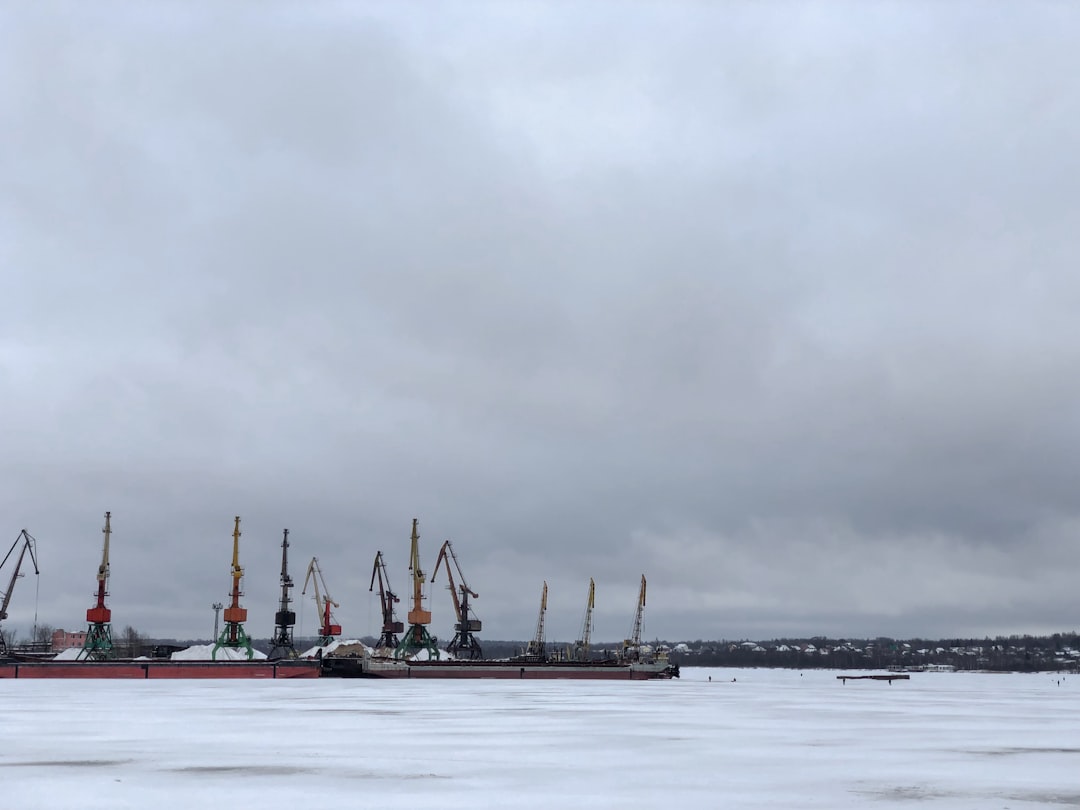
Arctic shipping has gained prominence due to climate-induced ice reduction that has opened previously inaccessible maritime routes. The Northern Sea Route along Russia’s Arctic coast and the Northwest Passage through the Canadian Arctic Archipelago now offer extended navigation seasons, potentially reducing transit times between Asia and Europe by up to 40% compared to traditional routes through the Suez Canal. These routes provide measurable benefits including decreased fuel consumption, lower emissions per voyage, and reduced transit costs.
However, Arctic shipping faces substantial operational challenges linked to permafrost degradation. Permafrost, permanently frozen ground that covers approximately 24% of the Northern Hemisphere’s land surface, is thawing at accelerating rates due to rising Arctic temperatures. Permafrost instability creates multiple operational risks for Arctic shipping infrastructure.
Coastal facilities, ports, and support structures built on permafrost foundations experience structural damage as the underlying ground shifts and settles unevenly during thaw cycles. This ground instability can damage fuel storage facilities, cargo handling equipment, and navigation aids essential for safe shipping operations. Additionally, permafrost thaw alters coastal geography through increased erosion rates and changing bathymetry, requiring frequent updates to nautical charts and navigation systems.
Thawing subsea permafrost can release methane and alter seabed conditions, potentially affecting anchoring operations and underwater infrastructure. These environmental changes, combined with the Arctic’s harsh weather conditions and limited search and rescue capabilities, create complex risk factors that shipping operators must evaluate when considering Arctic routes.
Key Takeaways
- Climate change is causing Arctic permafrost instability, impacting shipping routes and increasing risks.
- Shipping through Arctic waters faces challenges such as unpredictable ice conditions and environmental hazards.
- Permafrost instability can damage infrastructure and alter navigable routes, complicating Arctic shipping operations.
- Technological advancements and international regulations are crucial for safe and sustainable Arctic shipping.
- Incorporating indigenous knowledge and prioritizing environmental sustainability are essential for the future of Arctic shipping.
The impact of climate change on Arctic permafrost
Climate change has had a profound effect on the Arctic environment, with rising temperatures leading to significant alterations in permafrost conditions. Permafrost, which is defined as ground that remains frozen for two or more consecutive years, is beginning to thaw at an alarming rate. This thawing process not only releases greenhouse gases such as methane and carbon dioxide into the atmosphere but also destabilizes the ground, leading to increased erosion and land subsidence.
The implications of these changes are far-reaching, affecting ecosystems, wildlife habitats, and human settlements alike. As permafrost thaws, it creates a feedback loop that exacerbates climate change. The release of stored greenhouse gases contributes to further warming, which in turn accelerates the thawing process.
This cycle poses significant risks for Arctic shipping, as the changing landscape can lead to unpredictable conditions at sea. Navigating through waters that were once stable may become increasingly hazardous due to shifting ice patterns and altered currents, making it essential for shipping companies to adapt their strategies in response to these environmental changes.
Risks and challenges of shipping through Arctic waters
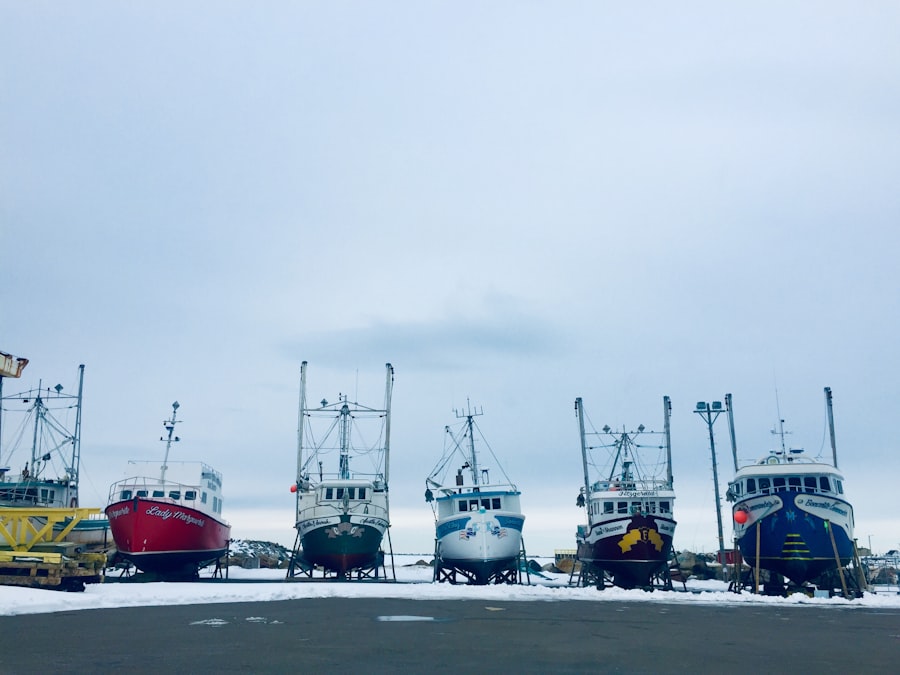
Shipping through Arctic waters presents a unique set of risks and challenges that must be carefully navigated. One of the most pressing concerns is the unpredictability of ice conditions. While advances in technology have improved ice detection and navigation capabilities, the dynamic nature of ice formation and melting can still pose significant hazards.
Icebergs and floes can shift unexpectedly, creating obstacles that may not be accounted for in traditional navigation systems. Additionally, extreme weather conditions in the Arctic can further complicate shipping operations. Sudden storms, reduced visibility, and freezing temperatures can all impact a vessel’s ability to operate safely.
The remoteness of the region also presents logistical challenges; emergency response capabilities are limited, and search-and-rescue operations can be hampered by harsh conditions. As such, shipping companies must invest in robust risk management strategies to ensure the safety of their crews and cargo while navigating these treacherous waters.
Potential consequences of permafrost instability on shipping routes
The instability of permafrost has significant implications for established and emerging shipping routes in the Arctic. As permafrost thaws, it can lead to increased coastal erosion, which may alter shorelines and impact port facilities. This erosion can undermine infrastructure such as docks and loading areas, making them less reliable for shipping operations.
In some cases, entire ports may become unusable if they are unable to withstand the effects of thawing ground. Moreover, changes in permafrost can affect local ecosystems, which may have cascading effects on shipping routes. For instance, alterations in freshwater flow due to thawing permafrost can impact marine habitats and fish populations, potentially leading to changes in fishing regulations that could affect shipping logistics.
As these environmental changes unfold, shipping companies must remain vigilant and adaptable to ensure that their operations are not adversely affected by the consequences of permafrost instability.
Strategies for mitigating risks associated with Arctic shipping
| Metric | Value | Unit | Notes |
|---|---|---|---|
| Arctic Shipping Volume (2023) | 40 | Million Tons | Estimated cargo transported via Northern Sea Route |
| Permafrost Thaw Rate | 3.5 | cm/year | Average thaw depth increase in Arctic coastal zones |
| Foundation Instability Incidents | 12 | Cases/year | Reported structural failures due to permafrost thaw |
| Average Ground Temperature Increase | 1.8 | °C (last decade) | Measured in permafrost regions affecting foundation stability |
| Ice Coverage Reduction | 15 | % (per decade) | Decrease in Arctic sea ice enabling longer shipping seasons |
| Infrastructure Repair Costs | 25 | Million USD/year | Estimated costs due to permafrost-related damages |
| Average Shipping Season Length | 90 | Days | Duration of navigable Arctic waters annually |
To address the myriad risks associated with Arctic shipping, companies must implement comprehensive risk mitigation strategies. One approach involves investing in advanced navigation technologies that enhance situational awareness and improve decision-making capabilities.
In addition to technological advancements, collaboration among stakeholders is essential for developing effective risk management strategies. Shipping companies, governments, indigenous communities, and environmental organizations must work together to share knowledge and resources. This collaborative approach can lead to the establishment of best practices for safe navigation and environmental stewardship in Arctic waters.
By fostering partnerships and promoting information sharing, stakeholders can better prepare for the challenges posed by climate change and permafrost instability.
The role of technology in navigating the challenges of Arctic shipping
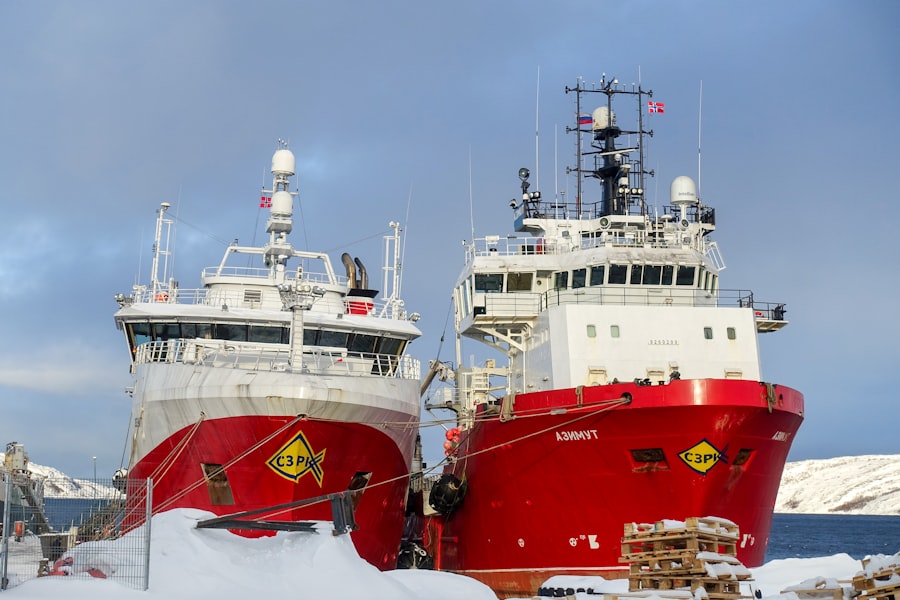
Technology plays a crucial role in addressing the challenges faced by Arctic shipping. Innovations in vessel design have led to the development of ice-class ships that are specifically engineered to withstand harsh conditions. These vessels are equipped with reinforced hulls and advanced propulsion systems that enable them to navigate through thick ice more effectively than traditional ships.
Furthermore, advancements in remote sensing technology have improved ice monitoring capabilities. Satellite imagery and aerial drones can provide real-time data on ice conditions, allowing ships to adjust their routes accordingly. Additionally, artificial intelligence is being utilized to analyze vast amounts of data related to weather patterns and sea conditions, enabling more informed decision-making for shipping operations.
As technology continues to evolve, it will play an increasingly vital role in ensuring safe and efficient navigation through Arctic waters.
Environmental concerns and the need for sustainable shipping practices in the Arctic
The environmental implications of increased shipping activity in the Arctic cannot be overstated.
Oil spills, emissions from ships, and noise pollution can all have detrimental effects on marine life and local habitats.
As such, there is an urgent need for sustainable shipping practices that prioritize environmental protection while allowing for economic development. Implementing sustainable practices involves adopting cleaner technologies and fuels that reduce emissions during transit. Additionally, companies must adhere to strict environmental regulations that govern their operations in sensitive areas.
This includes conducting thorough environmental impact assessments before initiating new shipping routes or expanding existing operations. By prioritizing sustainability, stakeholders can help protect the unique ecosystems of the Arctic while still capitalizing on its economic potential.
International regulations and agreements governing Arctic shipping
The governance of Arctic shipping is shaped by a complex web of international regulations and agreements designed to ensure safe navigation while protecting the environment. The United Nations Convention on the Law of the Sea (UNCLOS) serves as a foundational framework for maritime activities in international waters, including those in the Arctic region. This treaty outlines the rights and responsibilities of nations regarding their use of ocean resources and navigation.
In addition to UNCLOS, regional agreements such as the Arctic Council play a critical role in fostering cooperation among Arctic nations. The council facilitates dialogue on issues related to sustainable development, environmental protection, and indigenous rights within the region. As shipping activity increases in the Arctic due to climate change, it is essential for these international frameworks to adapt and evolve in response to emerging challenges.
The economic opportunities and potential benefits of Arctic shipping
Despite the risks associated with Arctic shipping, there are significant economic opportunities that cannot be overlooked. The opening of new shipping routes has the potential to reduce transit times between major markets, leading to cost savings for businesses engaged in international trade. Additionally, access to untapped natural resources such as oil and gas reserves could provide substantial economic benefits for countries operating in the region.
However, it is crucial that these economic opportunities are balanced with environmental considerations. Sustainable practices must be integrated into any economic development strategy to ensure that short-term gains do not come at the expense of long-term ecological health. By prioritizing responsible resource management and investing in clean technologies, stakeholders can harness the economic potential of Arctic shipping while safeguarding its unique environment.
The importance of indigenous knowledge and local communities in Arctic shipping
Indigenous communities play a vital role in shaping the future of Arctic shipping through their unique knowledge and perspectives on local ecosystems. Their understanding of traditional practices and environmental stewardship provides valuable insights into sustainable navigation methods that respect both cultural heritage and ecological balance. Engaging with indigenous communities is essential for developing effective policies that address both economic development and environmental protection.
Moreover, incorporating indigenous knowledge into decision-making processes can enhance safety during shipping operations. Local communities often possess critical information about seasonal changes in ice conditions or wildlife migration patterns that can inform navigation strategies. By fostering partnerships between indigenous groups and shipping companies or governments, stakeholders can create a more inclusive approach to Arctic shipping that honors local traditions while promoting responsible practices.
The future of Arctic shipping and the need for proactive measures
The future of Arctic shipping is poised at a crossroads where opportunity meets responsibility. As climate change continues to reshape this fragile region, stakeholders must adopt proactive measures to navigate its complexities effectively. This includes investing in technology that enhances safety and sustainability while fostering collaboration among diverse groups involved in Arctic maritime activities.
Ultimately, a balanced approach that prioritizes environmental protection alongside economic development will be essential for ensuring a sustainable future for Arctic shipping. By embracing innovative solutions and respecting indigenous knowledge, stakeholders can work together to navigate the challenges ahead while safeguarding one of the world’s most vulnerable ecosystems for generations to come.
As the impacts of climate change continue to reshape the Arctic landscape, the instability of permafrost poses significant challenges for shipping routes in the region. The thawing of permafrost not only affects the structural integrity of infrastructure but also alters the navigability of Arctic waters. For a deeper understanding of these issues and their implications for Arctic shipping, you can read more in this related article on the topic at My Geo Quest.
FAQs
What is permafrost and why is it important for Arctic shipping?
Permafrost is permanently frozen ground found in Arctic and sub-Arctic regions. It provides a stable foundation for infrastructure such as roads, ports, and buildings. For Arctic shipping, stable permafrost is crucial because it supports the construction and maintenance of port facilities and other logistics infrastructure necessary for safe and efficient maritime operations.
How does permafrost foundation instability affect Arctic shipping?
Permafrost foundation instability can lead to ground subsidence, erosion, and structural damage to port facilities and coastal infrastructure. This instability poses risks to the safety and reliability of Arctic shipping routes by potentially damaging docks, warehouses, and transportation links, thereby disrupting supply chains and increasing operational costs.
What causes permafrost foundation instability in the Arctic?
Permafrost instability is primarily caused by rising temperatures due to climate change, which leads to thawing of the frozen ground. Human activities such as construction, excavation, and increased shipping traffic can also contribute to permafrost degradation by disturbing the thermal balance of the soil.
What are the challenges of Arctic shipping related to permafrost?
Challenges include the risk of infrastructure failure due to thawing permafrost, limited availability of stable port facilities, unpredictable ground conditions, and increased maintenance costs. Additionally, changing ice conditions and environmental regulations add complexity to planning and operating shipping routes in the Arctic.
How are engineers addressing permafrost instability for Arctic infrastructure?
Engineers use specialized construction techniques such as elevating structures on piles, insulating the ground, and employing thermosyphons to keep the permafrost frozen. Continuous monitoring of ground temperatures and structural health is also implemented to detect and mitigate instability early.
What is the future outlook for Arctic shipping considering permafrost instability?
While warming temperatures pose risks to permafrost stability, advances in engineering and increased investment in resilient infrastructure may help mitigate these challenges. However, ongoing climate change could continue to impact the reliability of Arctic shipping routes, requiring adaptive management and international cooperation.
Why is Arctic shipping becoming more important despite permafrost challenges?
Arctic shipping offers shorter transit routes between major markets, reducing fuel consumption and shipping times. Melting sea ice is opening new navigable passages, increasing commercial interest. Despite permafrost challenges, the economic and strategic benefits drive continued development of Arctic maritime infrastructure.