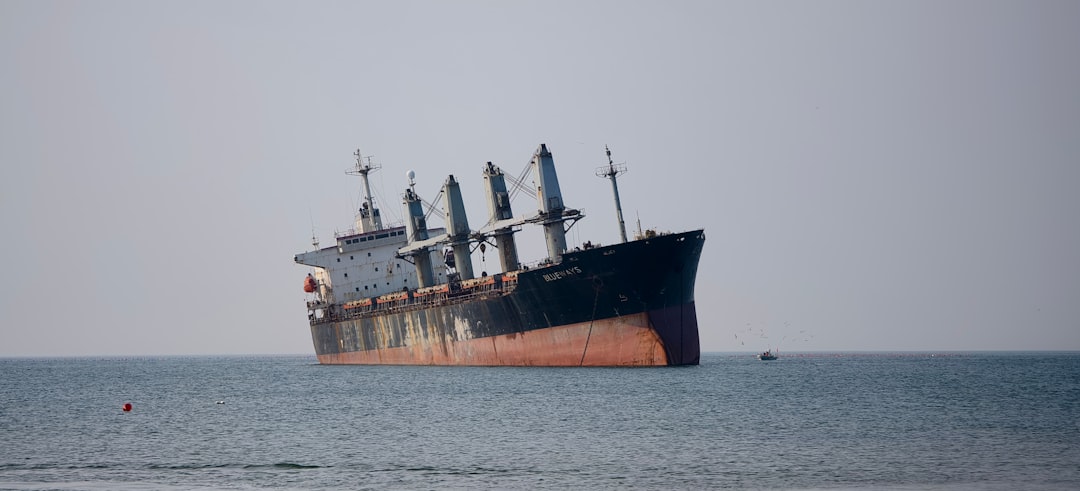
The disruptions to shipping routes in the Red Sea, triggered by a series of attacks on commercial vessels since late 2023, have sent ripples across the global logistics landscape. What initially appeared as a localized regional threat has evolved into a significant challenge, impacting supply chains, increasing costs, and forcing a fundamental reassessment of maritime trade routes. Understanding the intricate web of consequences is crucial for businesses and consumers alike to navigate this evolving crisis.
The root cause of the Red Sea shipping crisis lies in the escalating tensions and military actions in Yemen, where Houthi rebels, supported by Iran, have been engaged in a protracted conflict. Their stated motivations for targeting commercial shipping have been to express solidarity with Palestinians amidst the ongoing conflict in Gaza and to exert pressure on Israel and its allies. However, the indiscriminate nature of these attacks has extended beyond vessels with perceived links to Israel, affecting a broad spectrum of international maritime traffic.
Escalation of Houthi Attacks on Commercial Vessels
The Houthi movement, controlling significant swathes of Yemen’s west coast, has deployed drones and missiles with increasing sophistication and frequency against shipping in the Bab el-Mandeb Strait and the southern Red Sea. These narrow waterways are critical chokepoints, funneling a substantial portion of global maritime trade between Europe and Asia. The attacks have ranged from direct hits causing damage and fires to near misses that have instilled widespread fear and uncertainty among seafarers and shipping companies.
Geopolitical Alliances and International Responses
The attacks have galvanized a multi-national response, primarily led by the United States and the United Kingdom. Operation Prosperity Guardian, a naval coalition formed to protect commercial shipping, has seen participating nations deploy warships to patrol the Red Sea and intercept threats. However, the effectiveness of these defensive measures is constantly tested by the evolving tactics of the Houthi forces. The situation also highlights broader geopolitical fault lines, with the conflict drawing in regional powers and influencing international diplomatic maneuvering.
The recent Red Sea shipping crisis has significantly impacted global logistics, highlighting vulnerabilities in supply chains that rely heavily on maritime routes. For a deeper understanding of the implications of this crisis and its effects on international trade, you can read a related article that discusses the challenges faced by shipping companies and the potential long-term consequences for global commerce. To explore this topic further, visit this article.
The Domino Effect: Ripples Through Global Supply Chains
The direct impact of the Red Sea crisis on global logistics is undeniable and pervasive. As vessels reroute to avoid the dangerous waters, the entire circulatory system of international trade experiences significant strain. This rerouting, while necessary for safety, introduces a cascade of delays, increased costs, and logistical complexities that reverberate across industries.
Rerouting and Extended Transit Times: The Scenic Route Becomes the Only Route
The most immediate consequence has been the widespread rerouting of vessels away from the Red Sea. Instead of taking the Suez Canal, the quickest and most economical route between Asia and Europe, ships are now forced to circumnavigate the continent of Africa via the Cape of Good Hope. This detour adds approximately 3,000 nautical miles to journeys, translating to an additional 10-14 days of transit time. Imagine this as a motorist suddenly needing to take a scenic route through multiple countries because their usual highway is blocked; the destination is the same, but the journey is significantly longer and more costly.
Increased Shipping Costs: The Price of Circumvention
The extended transit times are not the only financial burden. The additional fuel consumption required for the longer routes directly translates to higher operational costs for shipping companies. These increased expenses are, in turn, passed on to businesses and ultimately to consumers in the form of higher freight rates and product prices. This inflationary pressure is a significant concern for economies already grappling with post-pandemic economic recovery.
Container Availability and Port Congestion: The Ripple Effect at Shore
The disruption to regular shipping schedules has also led to the misallocation of containers. Vessels are spending longer at sea, meaning containers are not returning to their origin ports as quickly. This can lead to shortages of specific container types in certain regions, further exacerbating logistical challenges. Moreover, the unpredictable arrival of ships due to rerouting can strain port infrastructure, leading to congestion and further delays once the cargo finally reaches its destination.
Impact on Key Industries: Sector-Specific Vulnerabilities
The global logistics crisis is not a uniform burden; certain industries, due to their reliance on specific supply chains or just-in-time inventory management, are more acutely affected than others. The ability of these sectors to absorb or adapt to the disruptions largely determines their resilience.
The Automotive Industry: A Delicate Dance of Just-in-Time
The automotive sector is particularly vulnerable. Modern car manufacturing relies heavily on just-in-time (JIT) inventory systems, where components arrive at the assembly line precisely when needed. Disruptions to the flow of these components, whether from Asia or directly to manufacturing plants in Europe, can halt production lines. The intricate global supply chain for automotive parts, involving numerous suppliers across different continents, is like a finely tuned engine; even a small malfunction in one part can bring the entire machine to a standstill.
Retail and Consumer Goods: From Shelf to Doorstep
The retail industry, from large department stores to online e-commerce giants, faces challenges in maintaining adequate stock levels. Delays in shipments of electronics, apparel, and other consumer goods can lead to empty shelves and delayed deliveries to customers. The perception of readily available goods is a cornerstone of consumer confidence, and prolonged stockouts can erode this.
Energy and Commodities: Navigating Volatile Markets
While oil tankers have largely avoided direct attacks, the rerouting of shipping has still impacted the global energy market. The extended journey means longer delivery times and potentially higher costs for importing certain refined products. Similarly, the movement of other bulk commodities can be affected, contributing to price volatility in global markets.
Mitigating the Storm: Adaptation and Innovation in Logistics
In the face of this unprecedented crisis, the logistics industry has been forced to innovate and adapt. Shipping companies, freight forwarders, and businesses are exploring a range of strategies to mitigate the impact and ensure the continued flow of goods, albeit with increased difficulty.
Diversification of Shipping Routes: Charting New Territories
Beyond the Cape of Good Hope rerouting, discussions are growing about potentially utilizing alternative routes or even diversifying sourcing strategies over the long term. While challenging and costly, exploring the viability of other maritime passages or even considering air freight for critical components might become more prevalent for specific high-value or time-sensitive goods.
Investment in Technology and Visibility: Seeing Through the Fog
Enhanced supply chain visibility through advanced tracking and analytics tools is becoming paramount. Businesses are investing in technologies that provide real-time insights into the location of their cargo and potential disruptions. This allows for more agile decision-making and the proactive identification of alternative solutions. Imagine having a real-time GPS for your entire supply chain, allowing you to see every truck, ship, and plane and reroute at a moment’s notice.
Building Resilience: Shifting from Lean to Robust
The crisis is prompting a fundamental re-evaluation of just-in-time models. Many companies are now considering building greater buffer stock or diversifying their supplier base to reduce reliance on single points of failure. This shift from purely lean logistics, focused on minimizing inventory costs, towards a more robust approach, prioritizing resilience, is a significant strategic adjustment.
The ongoing Red Sea shipping crisis has significantly impacted global logistics, causing delays and increased costs for businesses worldwide. For a deeper understanding of how this situation is affecting supply chains and trade routes, you can read a related article that explores the broader implications of these disruptions. The article provides insights into the challenges faced by shipping companies and the potential long-term effects on the global economy. To learn more, visit this informative piece that delves into the complexities of the current shipping landscape.
The Horizon of Uncertainty: Long-Term Implications and Future Outlook
| Metric | Value | Impact on Global Logistics | Notes |
|---|---|---|---|
| Number of Ships Delayed | 120+ | Significant congestion in Red Sea shipping lanes | Delays caused rerouting and increased transit times |
| Average Delay per Vessel | 5-7 days | Extended delivery times for goods | Varies depending on rerouting options |
| Increase in Shipping Costs | 15-25% | Higher freight rates globally | Due to longer routes and fuel consumption |
| Impact on Global Supply Chains | Moderate to High | Disruptions in timely delivery of goods | Especially affects electronics, textiles, and perishables |
| Alternative Routes Used | Suez Canal bypass, Cape of Good Hope | Longer transit times and increased costs | Some vessels rerouted to avoid crisis zone |
| Port Congestion Increase | 20-30% | Backlogs at major ports worldwide | Due to delayed shipments arriving simultaneously |
| Estimated Economic Impact | Billions in lost productivity | Global trade slowdown | Includes manufacturing delays and inventory shortages |
The Red Sea shipping crisis is more than a transient disruption; it has the potential to leave a lasting imprint on the global logistics landscape. The immediate focus remains on ensuring the safety of maritime passage, but the long-term implications are far-reaching.
The Future of Maritime Trade Routes: A Permanent Shift?
The prolonged nature of the crisis and the significant investments made in rerouting have raised questions about whether certain shipping routes might permanently shift. While the Suez Canal remains a crucial artery, the demonstrated vulnerability of the Red Sea might encourage a more distributed approach to global trade, with greater consideration given to the geopolitical stability of key transit points.
Geopolitical Stability and Maritime Security: A Continuous Challenge
The Red Sea crisis underscores the inextricable link between geopolitical stability and global trade. The ongoing need for robust maritime security operations highlights that the challenges to safe navigation are not confined to isolated incidents but represent an ongoing and evolving threat. The lessons learned from this crisis will undoubtedly influence future strategies for safeguarding international shipping lanes.
Economic Repercussions: Inflation, Consumer Impact, and Global Trade Patterns
The sustained increase in shipping costs and the potential for ongoing supply chain disruptions have significant economic repercussions. Persistent inflationary pressures, a rebalancing of trade patterns as businesses seek more resilient sourcing, and increased costs for consumers are all potential long-term outcomes. Understanding these evolving economic dynamics is crucial for policymakers and businesses navigating the post-crisis landscape. The Red Sea shipping crisis is a stark reminder that the arteries of global trade, while resilient, are not immune to geopolitical turbulence. Businesses and governments must remain vigilant, adaptable, and forward-thinking to navigate these complex waters.
FAQs
What is the Red Sea shipping crisis?
The Red Sea shipping crisis refers to significant disruptions in maritime traffic through the Red Sea, a critical global shipping route connecting the Mediterranean Sea via the Suez Canal to the Indian Ocean. These disruptions can be caused by geopolitical tensions, piracy, blockades, or logistical challenges affecting the flow of goods.
Why is the Red Sea important for global logistics?
The Red Sea is a vital corridor for international trade, as it links Europe, Asia, and Africa through the Suez Canal. Approximately 10% of global trade and a significant portion of oil shipments pass through this route, making it essential for timely delivery and cost-effective transportation of goods worldwide.
What are the main causes of the current shipping crisis in the Red Sea?
The current crisis can be attributed to a combination of factors including regional conflicts, increased piracy threats, security concerns, and disruptions in port operations. These issues lead to delays, rerouting of vessels, and increased shipping costs, impacting global supply chains.
How does the Red Sea shipping crisis affect global supply chains?
Disruptions in the Red Sea cause delays in the delivery of goods, increased shipping costs, and uncertainty in supply schedules. This can lead to shortages of products, increased prices, and challenges for industries dependent on timely imports and exports, affecting markets worldwide.
What measures are being taken to resolve the Red Sea shipping crisis?
Efforts to resolve the crisis include enhanced maritime security patrols, diplomatic negotiations to reduce regional tensions, rerouting of shipping lanes, and improvements in port infrastructure. International cooperation aims to ensure safe and efficient passage for vessels to stabilize global logistics.