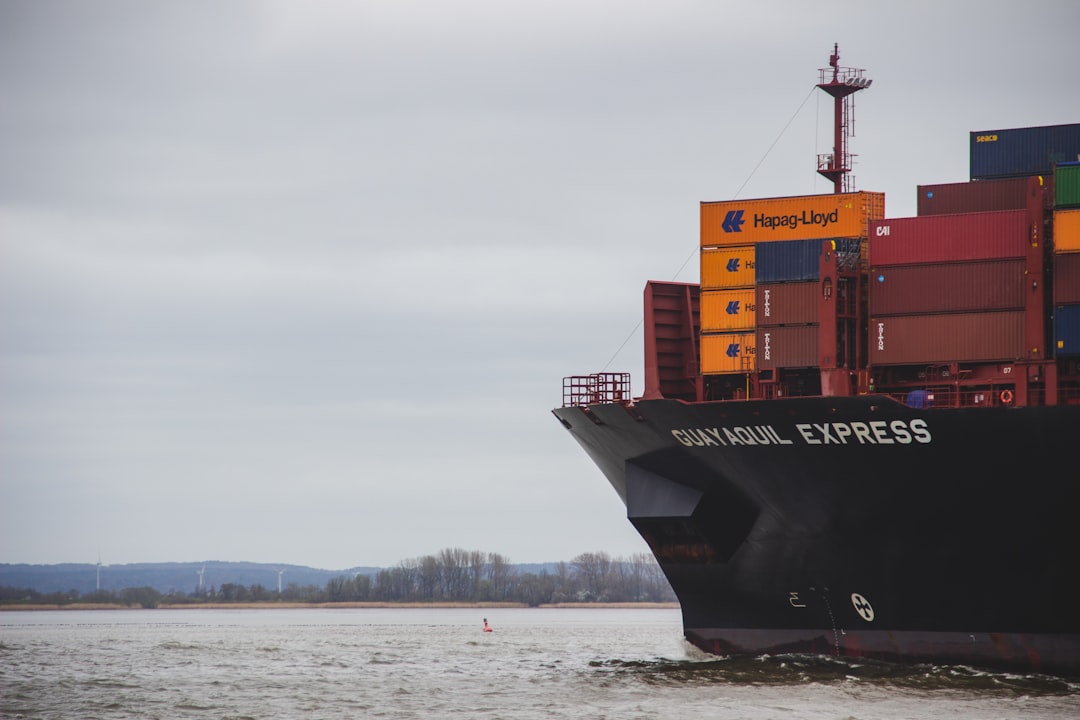
The Red Sea, a vital maritime artery connecting Europe and Asia, has recently become a focal point of global economic concern. The ongoing shipping crisis in this region, driven by geopolitical tensions and their cascading effects on port operations, has introduced significant disruptions to international trade. This article explores the multifaceted dimensions of this crisis, examining its origins, impact on global supply chains, and the strategic responses being formulated by maritime stakeholders.
The current turmoil in the Red Sea is not an isolated event but rather the culmination of longstanding geopolitical complexities exacerbated by recent regional conflicts. The precarious security environment has compelled shipping companies to re-evaluate established routes, leading to a significant rerouting of vessels and subsequent port congestion.
Geopolitical Tensions and Maritime Security
The primary catalyst for the Red Sea shipping crisis stems from heightened geopolitical tensions in the Middle East. Acts of aggression against commercial shipping in the Bab el-Mandeb strait, a narrow choke point at the southern end of the Red Sea, have rendered the traditional Suez Canal route increasingly hazardous. These attacks, varying in intensity and frequency, have instilled a palpable sense of insecurity among shipping operators and insurers.
- Impact of Regional Conflicts: The ongoing conflict in Yemen, for instance, has directly contributed to the instability. Various factions involved in the conflict possess capabilities that pose a threat to international shipping, whether through missile strikes, drone attacks, or direct boarding attempts.
- Response from Naval Forces: In response to these threats, several international naval forces have deployed to the region, forming protective convoys and increasing surveillance. While these efforts aim to deter further attacks and safeguard vessels, they do not entirely eliminate the perceived risk, leading many shipping companies to pursue alternative, safer, albeit longer, routes.
Rerouting and Increased Transit Times
The immediate and most visible consequence of the security concerns has been the widespread rerouting of container ships and other commercial vessels away from the Red Sea and the Suez Canal. This navigational pivot, a substantial detour around the Cape of Good Hope at the southern tip of Africa, has profound implications for global logistics.
- The Cape of Good Hope Detour: The decision to circumnavigate Africa adds thousands of nautical miles to a typical journey between Asia and Europe. This extended voyage directly translates into longer transit times, increased fuel consumption, and higher operational costs for shipping lines. For a vessel originating from Shanghai bound for Rotterdam, this detour can add anywhere from 10 to 18 days to the journey, transforming a relatively swift passage into a prolonged maritime odyssey.
- Fuel Consumption and Emissions: The longer routes necessitate significantly more fuel. This not only burdens shipping companies with increased expenses but also raises concerns about environmental impact, as extended voyages generally lead to higher greenhouse gas emissions per journey. The maritime industry, already under pressure to decarbonize, faces a temporary setback in its environmental commitments due to these forced detours.
- Impact on Just-in-Time Supply Chains: Modern supply chains are often built on a “just-in-time” (JIT) model, where inventory is kept to a minimum to reduce storage costs. The unpredictable arrival times resulting from Red Sea diversions throw a wrench into this finely tuned mechanism, forcing businesses to consider larger buffer stocks, incurring additional warehousing costs, and increasing the risk of obsolescence for time-sensitive goods.
The ongoing Red Sea shipping crisis has significantly contributed to port congestion, impacting global trade and supply chains. For a deeper understanding of the factors at play and the potential solutions being discussed, you can read a related article on this topic at My Geo Quest. This resource provides insights into the challenges faced by shipping companies and ports, as well as the broader implications for international commerce.
Economic Ramifications of the Crisis
The ripples from the Red Sea crisis have extended far beyond the immediate shipping industry, permeating various sectors of the global economy. From soaring freight rates to inflationary pressures and supply chain vulnerabilities, the economic fallout is substantial and wide-ranging.
Soaring Freight Rates and Insurance Premiums
One of the most direct economic consequences of the Red Sea crisis has been a significant surge in freight rates and insurance premiums. Shipping companies, facing higher operational costs and increased risks, have passed these burdens onto their customers.
- Increased Operational Costs: The longer routes around Africa demand more fuel, require additional crew hours, and incur higher administrative costs. These factors combine to push up the baseline operating expenses for each voyage.
- Elevated Insurance Premiums: Insurers categorize the Red Sea as a high-risk zone, leading to a sharp increase in war risk premiums for vessels still choosing to traverse the area. Even for ships opting for the Cape route, insurance costs have seen an uptick due to the extended exposure to maritime risks. These elevated premiums are a non-negotiable expense for shipping companies, further contributing to higher freight rates.
- Impact on Consumer Prices: Ultimately, these increased costs are often absorbed by importers and exporters, who then pass them on to consumers through higher retail prices. This contributes to inflationary pressures across a range of goods, from electronics to apparel, making everyday items more expensive. The metaphor here is one of a “tax” on global trade, levied by unforeseen geopolitical events.
Impact on Global Supply Chains
The Red Sea crisis has acted as a stress test for global supply chains, revealing vulnerabilities and highlighting the interconnectedness of international trade. Delays and disruptions are not isolated incidents but rather cascade through complex networks.
- Delayed Deliveries and Inventory Management: The extended transit times directly translate into delayed deliveries for goods ranging from raw materials to finished products. Manufacturers reliant on imported components face production delays, while retailers struggle with inventory management, potentially leading to stockouts or, conversely, overstocking when delayed shipments finally arrive en masse.
- Sector-Specific Vulnerabilities: Certain sectors are particularly exposed. The automotive industry, with its complex JIT supply chains for components, is highly susceptible to Red Sea disruptions. Similarly, retailers of seasonal goods face the risk of missing peak sales periods if shipments are delayed. Perishable goods, although less frequently transported via these long sea routes, would face catastrophic losses if caught in significant delays.
- Shift Towards Regionalization: The crisis has reignited discussions about supply chain resilience and diversification. Companies are increasingly exploring strategies like “reshoring” or “nearshoring,” aiming to shorten supply chains and reduce reliance on distant, potentially volatile, regions. While this is a long-term trend, the Red Sea events accelerate the imperative to de-risk globalized production models.
Port Congestion: A Consequence of Rerouting
The dramatic rerouting of vessels away from the Red Sea has created a domino effect, leading to significant congestion at alternative ports, particularly those along the new Cape of Good Hope routes. This shift in maritime traffic patterns has stretched port infrastructure and operational capacities to their limits.
Strain on European and African Ports
With a substantial portion of Asia-Europe trade now bypassing the Suez Canal, ports in Europe and Africa that lie along the revised shipping lanes are experiencing unprecedented volumes of traffic. This influx has placed immense strain on their existing infrastructure, labor, and logistical processes.
- Increased Vessel Calls: European container terminals, especially those in the Iberian Peninsula (e.g., Algeciras, Valencia) and the Mediterranean (e.g., Gioia Tauro), initially saw increased calls from vessels repositioning before their extended journey. Now, with the continuous rerouting, major hubs like Rotterdam, Antwerp, Hamburg, and Felixstowe are contending with a compressed arrival schedule of ships that have taken the longer route, leading to periods of intense pressure.
- African Ports as Bunkering Hubs: Ports along the African coast, such as Durban, Cape Town, and Port Louis (Mauritius), have become crucial bunkering and resupply hubs for vessels undertaking the Cape of Good Hope detour. While this brings some economic activity, it also adds to the operational burden, potentially leading to delays for other scheduled services.
- Infrastructure Limitations: Many ports were not designed to handle such a rapid and sustained increase in throughput. Limitations in quay space, gantry crane availability, yard storage capacity, and inland transport connections (trucking, rail) become bottlenecks, exacerbating delays.
Labor Shortages and Operational Delays
The surge in vessel traffic and cargo volumes at these overwhelmed ports is acutely felt in the form of labor shortages and burgeoning operational delays. The human element of port operations, though often overlooked, is critical to maintaining fluidity.
- Quay and Terminal Staff: Skilled labor for operating gantry cranes, straddle carriers, and other heavy equipment is in high demand. While some ports have contingency plans for peak periods, the sustained nature of the Red Sea crisis-induced congestion has stretched these resources thin, leading to longer turnaround times for vessels.
- Customs and Inspection Bottlenecks: Beyond the physical handling of containers, administrative processes at ports, including customs clearance and inspections, can also become bottlenecks. A sudden increase in cargo volumes can overwhelm existing staffing levels and digital systems, leading to delays in the release of goods.
- Cumulative Delays and Schedule Disruption: The delays at one port inevitably ripple through the entire shipping network. A vessel delayed at one port might miss its slot at the next, leading to a cascading effect across its schedule. This results in unpredictable arrival times, further complicating logistics for shippers and carriers alike, creating a vicious cycle of disruption.
Strategic Responses and Mitigation Efforts
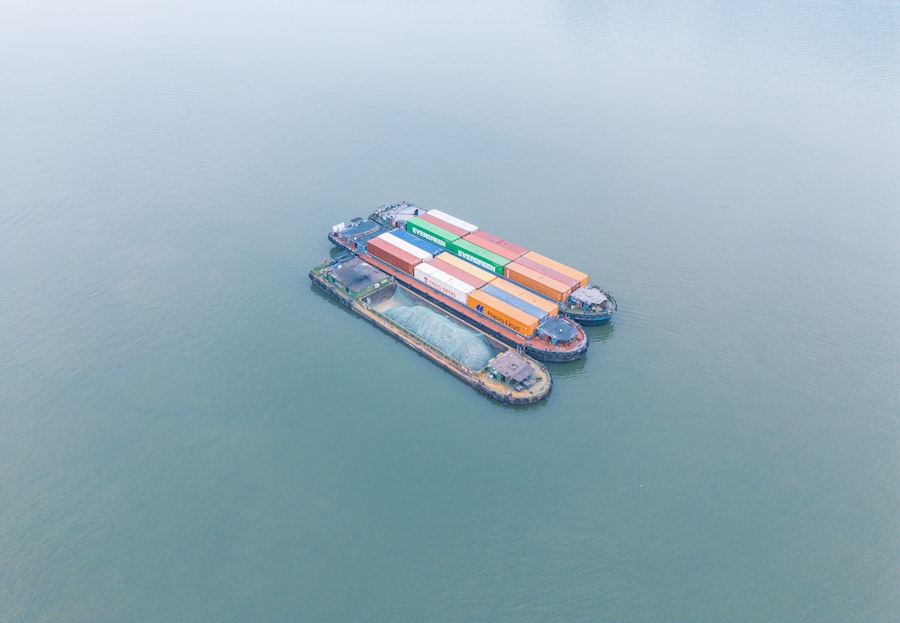
In the face of these severe disruptions, maritime stakeholders and governments are actively pursuing various strategic responses and mitigation efforts to navigate the Red Sea crisis and alleviate its impacts. These range from tactical adjustments by shipping lines to broader calls for international cooperation.
Shipping Line Adjustments and Adaptations
Shipping lines, at the forefront of the crisis, have been compelled to implement immediate operational adjustments to maintain some semblance of schedule integrity and service reliability. These adaptations come at a cost but are deemed necessary to manage the current environment.
- Increased Vessel Deployment: To compensate for longer transit times and maintain weekly service frequencies on key routes, some carriers are deploying additional vessels. This effectively absorbs spare capacity in the global fleet, tightening the market and contributing to higher charter rates for ships. It’s akin to having to buy more cars to cover the same number of deliveries when your usual road is closed and you have to take a much longer detour.
- Blank Sailings and Schedule Revisions: Despite deploying more ships, the sheer scale of the disruption still necessitates “blank sailings” (cancelling a scheduled port call or entire voyage) to restore some reliability to remaining services. Carriers are constantly revising and adjusting their schedules, leading to a less predictable environment for shippers.
- Premium Services and Surcharges: To manage customer expectations and recover costs, many shipping lines have introduced premium services offering faster transit times (often at a higher price) or levied various surcharges related to emergency risk, congestion, or extended fuel costs. This unbundles service components, allowing customers to pay more for urgency, if available.
International Cooperation and Security Measures
A critical aspect of addressing the Red Sea crisis involves concerted international cooperation, particularly in enhancing maritime security and diplomatic solutions to the underlying geopolitical tensions.
- Multinational Naval Operations: The deployment of multinational naval forces, such as Operation Prosperity Guardian led by the United States, aims to provide defensive capabilities and deter attacks. These operations involve escorting commercial vessels and conducting surveillance. The effectiveness of such operations hinges on shared intelligence and coordinated action among participating navies.
- Diplomatic Engagements: Beyond military responses, diplomatic efforts are crucial to de-escalate regional conflicts and establish secure shipping lanes. This involves engaging with regional actors to ensure adherence to international maritime law and seeking political solutions to the conflicts that fuel instability. The Red Sea, in this context, becomes a barometer of wider regional stability.
- Information Sharing and Risk Assessment: Enhanced information sharing among shipping companies, intelligence agencies, and naval forces is vital for accurate risk assessment and route planning. Real-time intelligence on threats and safe passages allows for dynamic adjustments to shipping routes, helping vessels react swiftly to evolving dangers.
The ongoing Red Sea shipping crisis has significantly contributed to port congestion, affecting global trade routes and supply chains. As vessels face delays in unloading and loading cargo, the ripple effects are felt across various industries. For a deeper understanding of the implications of this crisis, you can read a related article that explores the challenges and potential solutions in detail. The article highlights how these disruptions can impact everything from consumer goods to essential supplies, making it crucial for stakeholders to stay informed. To learn more, visit this detailed analysis.
Long-Term Outlook and Future Resilience
| Metric | Value | Unit | Notes |
|---|---|---|---|
| Number of Ships Delayed | 120 | Ships | Ships waiting to enter Red Sea ports |
| Average Waiting Time | 7 | Days | Delay experienced by vessels at congested ports |
| Port Throughput Reduction | 30 | Percent | Decrease in cargo handling capacity due to congestion |
| Container Backlog | 15,000 | TEUs | Twenty-foot Equivalent Units delayed at ports |
| Impact on Global Shipping Routes | +5 | Days | Additional transit time due to rerouting around the Red Sea |
| Fuel Consumption Increase | 12 | Percent | Additional fuel used due to delays and rerouting |
| Estimated Economic Impact | 1.2 | Billion | Loss in trade value due to shipping disruptions (in USD) |
The Red Sea crisis, while challenging, also serves as a potent reminder of the fragility of global supply chains and the need for greater resilience. The long-term outlook suggests a shift in strategic thinking concerning trade routes, diversified sourcing, and technological advancements in maritime logistics.
Diversification of Trade Routes
The over-reliance on a single maritime artery like the Suez Canal has been starkly exposed. In the long term, stakeholders are likely to explore and invest in the diversification of major trade routes.
- Arctic Routes: While not a direct substitute for the Red Sea in most scenarios, the development of Arctic shipping routes, made more accessible by climate change, presents a potential long-term alternative for specific Asia-Europe trade, albeit with its own set of environmental, logistical, and geopolitical challenges.
- Belt and Road Initiative (BRI) Land Corridors: China’s Belt and Road Initiative includes extensive land-based rail and road networks (the “Iron Silk Road”) connecting Asia and Europe. These corridors offer an increasingly viable alternative for certain types of cargo, particularly high-value, time-sensitive goods, reducing dependence on sea routes. However, capacity, cost, and border crossing complexities remain significant considerations.
- Re-evaluation of Manufacturing Hubs: The disruptions catalyze a broader re-evaluation of where goods are manufactured and assembled. The allure of lowest-cost production in distant lands is being weighed against the risks of long, vulnerable supply lines. This could lead to a more regionalized manufacturing footprint over time.
Technological Advancements and Data Analytics
Technology and data analytics are poised to play an increasingly important role in building resilience and optimizing logistics in a volatile world. The Red Sea crisis underscores the need for predictive capabilities and agile response mechanisms.
- Predictive Analytics for Supply Chain Risk: Advanced analytics, powered by artificial intelligence and machine learning, can model various geopolitical scenarios and their potential impact on shipping routes, port congestion, and freight costs. This allows businesses to proactively identify vulnerabilities and develop contingency plans.
- Real-time Visibility and Tracking: Enhanced real-time visibility platforms, using IoT sensors, satellite tracking, and blockchain, can provide unprecedented transparency into the location and status of cargo across the entire supply chain. This enables faster decision-making when disruptions occur and allows for more accurate estimations of arrival times.
- Port Automation and Efficiency: Continued investment in port automation, from automated stacking cranes to autonomous guided vehicles (AGVs), can significantly improve throughput capacity and reduce reliance on manual labor, making ports more resilient to surges in traffic and labor shortages. This is a capital-intensive solution but one that offers long-term benefits in efficiency and robustness.
Building Resilience into Supply Chain Design
Ultimately, the Red Sea crisis is a powerful call to action for businesses to embed resilience directly into their supply chain design. This involves moving beyond solely cost-driven optimization to a more holistic approach that balances efficiency with robustness.
- Multi-Sourcing and Supplier Diversification: Reducing dependence on single suppliers or geographic regions is a fundamental step. Diversifying the raw material and component base across multiple suppliers and countries buffers against localized disruptions.
- Buffer Stocks and Inventory Strategies: While anathema to the pure JIT model, strategically placed buffer stocks of critical components or finished goods can provide a crucial cushion against unforeseen transport delays. This requires a careful balance to avoid excessive inventory costs.
- Scenario Planning and Contingency Management: Regular scenario planning, where businesses simulate various disruptive events (like a prolonged Red Sea closure), allows for the development of robust contingency plans. This involves identifying alternative routes, modes of transport, and suppliers before a crisis strikes, turning reactive measures into proactive strategies. Indeed, the Red Sea crisis serves as an invaluable, albeit costly, case study in global supply chain risk management.
FAQs
What is causing the Red Sea shipping crisis?
The Red Sea shipping crisis is primarily caused by a combination of increased maritime traffic, geopolitical tensions in the region, and disruptions in global supply chains. These factors have led to delays and congestion in key ports along the Red Sea.
How does port congestion affect global trade?
Port congestion slows down the loading and unloading of cargo ships, leading to delays in the delivery of goods. This can increase shipping costs, disrupt supply chains, and cause shortages of products in various markets worldwide.
Which ports in the Red Sea are most affected by congestion?
Major ports such as Jeddah in Saudi Arabia, Port Sudan in Sudan, and Djibouti are among the most affected by congestion due to their strategic locations and high volume of maritime traffic.
What measures are being taken to alleviate the shipping crisis in the Red Sea?
Authorities and shipping companies are implementing measures such as improving port infrastructure, increasing operational efficiency, rerouting ships to less congested ports, and enhancing coordination among regional stakeholders to reduce delays.
How long is the Red Sea shipping crisis expected to last?
The duration of the crisis depends on various factors including geopolitical developments, improvements in port operations, and global supply chain adjustments. While some relief may be seen in the short term, long-term solutions require sustained regional cooperation and investment.