
The Drake Passage is a body of water located between South America and Antarctica, recognized as one of the world’s most challenging maritime routes. It is named after English explorer Sir Francis Drake, who sailed through these waters in the late 16th century. The passage spans approximately 600 kilometers (370 miles) at its widest point and serves as an important convergence zone for ocean currents and marine ecosystems, making it significant for scientific research and maritime activity.
Crossing the Drake Passage is a common milestone for expeditions traveling to Antarctica. The passage is characterized by unpredictable weather conditions and strong ocean currents, which present navigational challenges for vessels. The region offers distinctive natural scenery and demonstrates the considerable forces of the marine environment.
These conditions make the crossing a notable experience for those undertaking Antarctic expeditions.
Key Takeaways
- The Drake Passage is a crucial and challenging maritime route connecting the Atlantic and Pacific Oceans.
- It features unique geography and harsh weather conditions that impact navigation and climate.
- The area is rich in diverse wildlife, making it significant for ecological studies and tourism.
- Navigating the passage requires careful safety measures due to unpredictable seas and weather.
- Sustainable travel practices are essential to preserve the fragile environment of the Drake Passage.
The Geography of the Drake Passage
Geographically, the Drake Passage is defined by its position between Cape Horn at the southern tip of South America and the Antarctic Peninsula. This strategic location plays a significant role in global oceanic circulation, as it connects the Atlantic and Pacific Oceans. The passage is characterized by its deep waters, with depths reaching over 4,000 meters (13,123 feet) in some areas.
The topography of the seabed in the Drake Passage is equally fascinating. It features underwater ridges and valleys that create a dynamic environment for marine life.
The convergence of cold Antarctic waters with warmer currents from the north results in nutrient-rich waters that support a diverse ecosystem. This geographical complexity not only influences marine biodiversity but also poses challenges for navigation, as sudden changes in underwater topography can lead to unpredictable conditions for vessels traversing these waters. The treacherous waters of the Drake Passage are known for their unpredictable weather and challenging navigation.
Weather and Climate in the Drake Passage
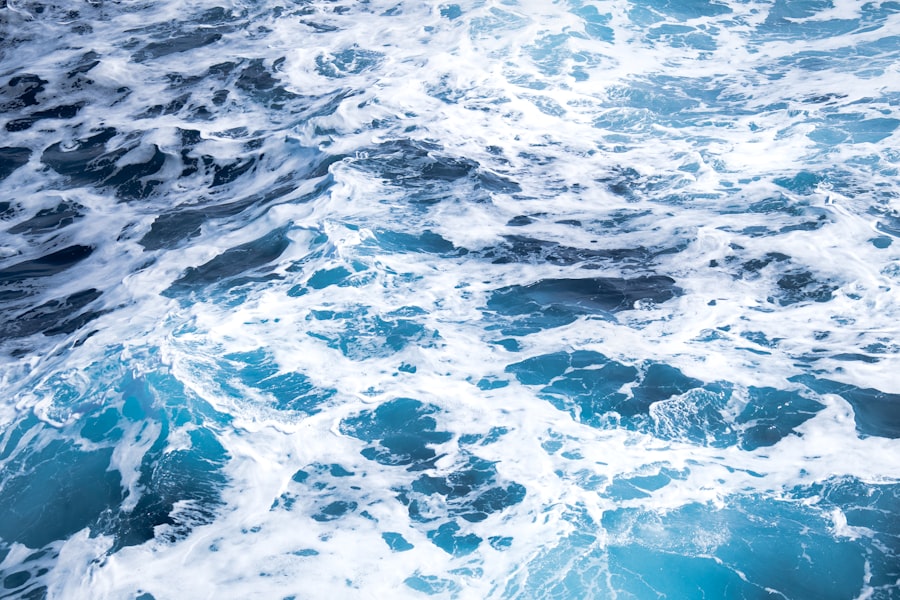
The weather in the Drake Passage is notoriously unpredictable, characterized by rapidly changing conditions that can shift from calm to stormy within moments. The region experiences strong winds, particularly during the winter months when storms are more frequent. These winds can reach speeds of over 100 kilometers per hour (62 miles per hour), creating challenging conditions for even the most experienced mariners.
The combination of high winds and rough seas has earned the passage its reputation as one of the most dangerous stretches of water in the world. Temperature variations also play a significant role in shaping the climate of the Drake Passage. During summer months, temperatures can range from 0°C to 10°C (32°F to 50°F), while winter temperatures can plummet well below freezing.
The presence of icebergs and sea ice further complicates navigation during certain times of the year. Travelers must be prepared for a wide range of weather conditions, as even a sunny day can quickly turn into a tempestuous storm.
Wildlife in the Drake Passage
The Drake Passage is not only a challenging maritime route but also a vibrant ecosystem teeming with wildlife. The nutrient-rich waters support an array of marine species, making it a prime location for observing various forms of life. Among the most notable inhabitants are several species of whales, including humpback whales, orcas, and minke whales.
These majestic creatures often migrate through the passage, providing opportunities for wildlife enthusiasts to witness their grace and power. In addition to whales, the passage is home to numerous seabirds, such as albatrosses and petrels, which are often seen gliding effortlessly over the waves. These birds are well adapted to life at sea and play a crucial role in maintaining the ecological balance of the region.
The presence of seals and penguins further enriches the biodiversity of the Drake Passage, making it a hotspot for researchers studying marine life and conservation efforts.
Historical Significance of the Drake Passage
| Aspect | Details | Significance |
|---|---|---|
| Location | Between Cape Horn (South America) and the South Shetland Islands (Antarctica) | Connects the Atlantic and Pacific Oceans |
| Width | Approximately 800 km (500 miles) | One of the widest passages between two continents |
| Depth | Average depth around 3,400 meters (11,155 feet) | Supports deep ocean currents and water exchange |
| Currents | Strong Antarctic Circumpolar Current flows eastward | Drives global ocean circulation and climate regulation |
| Weather Conditions | Known for extreme storms and high waves | Challenging for navigation and marine life adaptation |
| Marine Biodiversity | Home to unique species adapted to cold, turbulent waters | Important for ecological studies and conservation |
| Geological History | Formed about 30 million years ago due to continental drift | Enabled the development of the Antarctic Circumpolar Current |
| Scientific Importance | Key area for climate change research and oceanography | Helps understand past and future climate patterns |
The historical significance of the Drake Passage cannot be overstated. It has long been a critical route for explorers and sailors seeking to navigate between the Atlantic and Pacific Oceans. Sir Francis Drake’s expedition in 1578 marked one of the first recorded crossings of this treacherous waterway, paving the way for future explorers and traders.
The passage became an essential route during the Age of Exploration, facilitating trade and cultural exchange between continents. In more recent history, the Drake Passage has played a vital role in scientific research and exploration. The region has been a focal point for studies on climate change, oceanography, and marine biology.
Researchers have utilized this unique environment to gain insights into global ocean currents and their impact on climate patterns. The historical legacy of exploration continues to influence modern scientific endeavors, as new generations seek to understand and protect this remarkable ecosystem.
Navigating Challenges in the Drake Passage
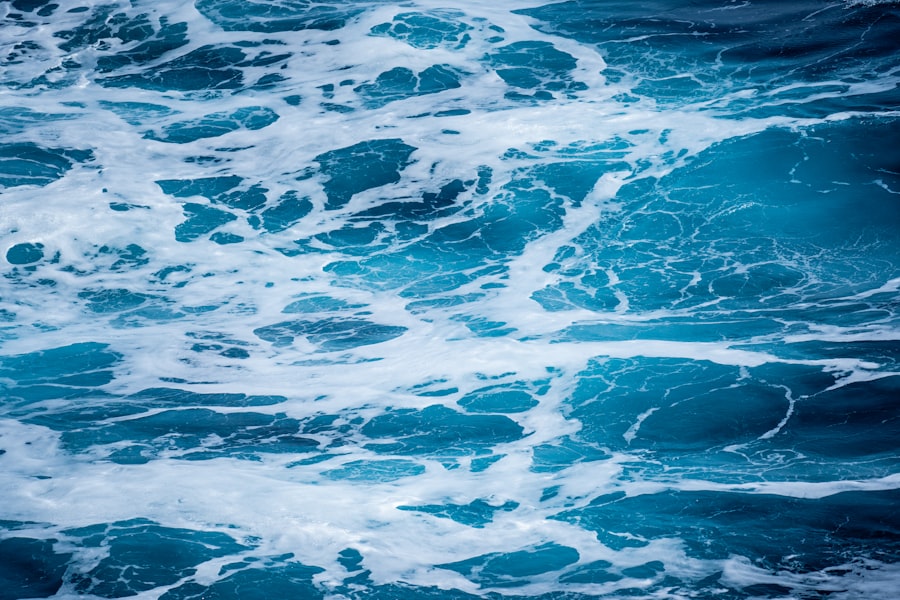
Navigating through the Drake Passage presents numerous challenges that require skill and experience.
Mariners must be vigilant and prepared for rapid changes in weather, employing advanced navigation techniques to ensure safe passage.
Additionally, the underwater topography poses its own set of challenges. The presence of submerged rocks and shifting currents can create dangerous situations for ships traversing these waters. Navigators must rely on accurate charts and modern technology to avoid potential hazards while maintaining course through this complex maritime landscape.
The combination of these factors makes navigating the Drake Passage a test of seamanship and resilience.
Safety Precautions for Traveling through the Drake Passage
Given its reputation for unpredictability, safety precautions are paramount when traveling through the Drake Passage. Vessels must be equipped with state-of-the-art navigation systems and communication equipment to ensure they can respond effectively to changing conditions. Crew members should undergo rigorous training in emergency procedures and safety protocols to prepare for any unforeseen circumstances.
Travelers embarking on expeditions through the passage should also be aware of safety measures onboard their vessels. This includes familiarizing themselves with emergency exits, life jackets, and safety drills conducted by crew members. Additionally, maintaining open communication with crew members about any concerns or questions can enhance overall safety during the journey.
Popular Activities in the Drake Passage
The Drake Passage offers a variety of activities that cater to adventure seekers and nature enthusiasts alike. One of the most popular activities is whale watching, where travelers have the opportunity to observe these magnificent creatures in their natural habitat. Guided tours often provide insights into whale behavior and migration patterns, enriching the experience for participants.
Another popular activity is birdwatching, as the passage is home to numerous seabird species that attract ornithologists and bird lovers from around the world. Photography enthusiasts also find ample opportunities to capture stunning images of wildlife against breathtaking backdrops. For those seeking adventure on land, shore excursions to nearby islands allow travelers to explore unique ecosystems and witness wildlife up close.
Tips for a Smooth Journey through the Drake Passage
To ensure a smooth journey through the Drake Passage, travelers should consider several practical tips. First and foremost, choosing an experienced expedition company with a strong safety record is essential. Researching reviews and testimonials can provide valuable insights into past travelers’ experiences.
Packing appropriately is also crucial; layers of clothing are recommended due to fluctuating temperatures and weather conditions. Travelers should bring waterproof gear and sturdy footwear for shore excursions. Additionally, staying hydrated and maintaining a balanced diet during the journey can help combat seasickness and fatigue.
Sustainable Travel in the Drake Passage
As interest in exploring remote regions like the Drake Passage grows, so does the importance of sustainable travel practices. Tour operators are increasingly adopting eco-friendly measures to minimize their impact on fragile ecosystems. This includes adhering to strict guidelines regarding wildlife interactions and waste management.
Travelers can also contribute to sustainability efforts by being mindful of their actions during their journey. Simple practices such as minimizing plastic use, respecting wildlife habitats, and following designated paths during shore excursions can help preserve this unique environment for future generations.
The Enigma of the Drake Passage
The Drake Passage remains an enigma—a place where adventure meets nature’s raw power. Its geographical significance, unpredictable weather patterns, rich biodiversity, and historical importance make it a captivating destination for explorers and researchers alike. As travelers navigate its waters, they are reminded not only of their own vulnerability but also of their connection to something much larger than themselves.
In an era where sustainable travel is becoming increasingly vital, understanding how to explore this remarkable region responsibly is essential. By embracing eco-friendly practices and respecting its delicate ecosystems, travelers can ensure that future generations will have the opportunity to experience the wonder of the Drake Passage just as they have. Ultimately, this body of water serves as both a gateway to Antarctica and a testament to humanity’s enduring spirit of exploration amidst nature’s challenges.
The Drake Passage, known for its tumultuous waters and unique marine ecosystem, has long fascinated scientists and adventurers alike. For those interested in exploring the mysteries of this iconic maritime route, a related article can be found at this link, which delves into the geological and ecological secrets that make the Drake Passage a critical area for oceanic research.
WATCH THIS 🛑 Drake Passage: Earth’s Deadliest Waters Revealed
FAQs
What is the Drake Passage?
The Drake Passage is a body of water located between the southern tip of South America (Cape Horn) and the northern tip of the Antarctic Peninsula. It connects the southwestern part of the Atlantic Ocean with the southeastern part of the Pacific Ocean and the Southern Ocean.
Why is the Drake Passage significant?
The Drake Passage is significant because it is the shortest crossing from Antarctica to any other landmass, making it a crucial route for ships traveling to and from Antarctica. It also plays a key role in global ocean circulation and climate regulation.
What makes the Drake Passage so challenging to navigate?
The Drake Passage is known for its rough seas, strong winds, and unpredictable weather. The convergence of the Atlantic, Pacific, and Southern Oceans creates powerful currents and large waves, making navigation difficult and sometimes dangerous.
What are some unique oceanographic features of the Drake Passage?
The Drake Passage is home to the Antarctic Circumpolar Current (ACC), the world’s strongest ocean current, which flows eastward around Antarctica. This current helps regulate global climate by distributing cold water and nutrients around the Southern Ocean.
How does the Drake Passage affect global climate?
The Drake Passage facilitates the flow of the Antarctic Circumpolar Current, which helps transport cold water and carbon dioxide-rich water around the globe. This process influences ocean temperatures, weather patterns, and the global carbon cycle, impacting climate regulation.
Are there any scientific research activities conducted in the Drake Passage?
Yes, the Drake Passage is a key area for scientific research, particularly in oceanography, climate science, and marine biology. Researchers study ocean currents, marine ecosystems, and the effects of climate change in this region.
What wildlife can be found in the Drake Passage?
The Drake Passage is rich in marine life, including various species of whales, seals, penguins, and seabirds. The nutrient-rich waters support a diverse ecosystem, making it an important area for wildlife observation.
Is it possible to travel through the Drake Passage by cruise ship?
Yes, many Antarctic cruises pass through the Drake Passage. While the journey can be rough due to the challenging sea conditions, it offers travelers a unique opportunity to experience the remote and pristine environment of the Southern Ocean and Antarctica.