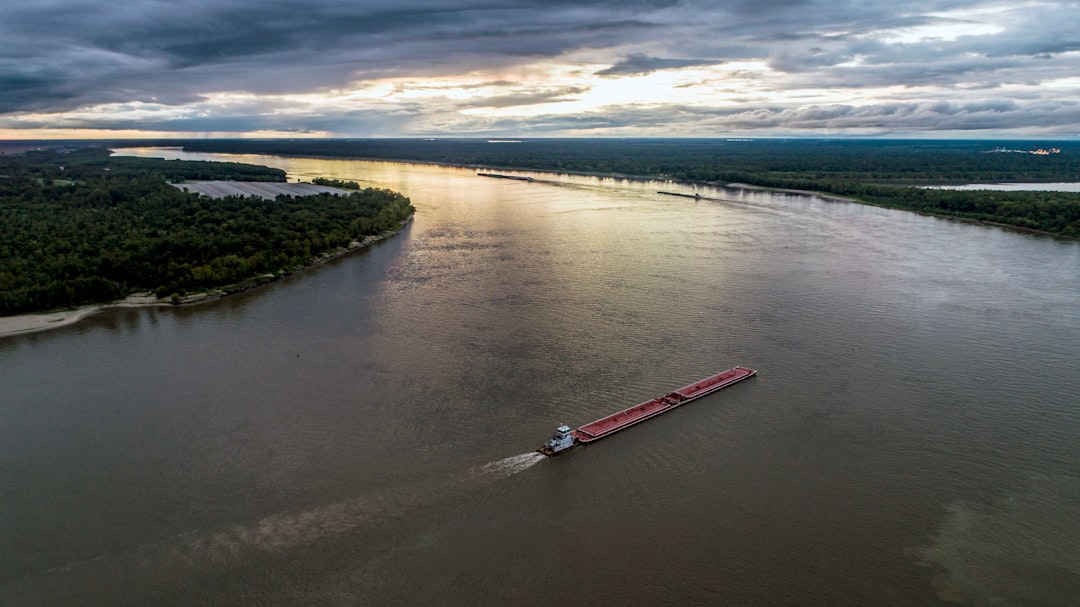
The Mississippi River, a serpentine artery of North America, has long been a vital conduit for trade and transportation. Its vast network, stretching from the northern headwaters to the Gulf of Mexico, facilitates the movement of goods essential to the nation’s economy. However, this crucial waterway is not without its challenges, and understanding these complexities is paramount for anyone involved in its navigation and the logistical intricacies of inland staging. This article will explore the critical chokepoints that can impede traffic and the strategic importance of inland staging areas that serve as nerve centers for this colossal logistical operation.
The Mississippi River system is more than just a geographical feature; it is the bloodstream of American commerce. Barges, laden with commodities ranging from grain and coal to petroleum and chemicals, traverse its waters, connecting producers in the heartland with consumers and export markets around the globe. The sheer volume of freight moved on the Mississippi is staggering, making it one of the most heavily utilized inland waterway systems in the world. Its economic impact extends far beyond the immediate riverbanks, influencing agricultural prices, energy costs, and the availability of manufactured goods across the continent.
Historic Significance of River Navigation
The role of the Mississippi in shaping the United States cannot be overstated. From the fur trade and westward expansion to the industrial revolution and modern supply chains, the river has been a constant and defining element. Early settlers and explorers relied on its currents to penetrate the interior, and the development of steamboats in the 19th century revolutionized long-distance travel and freight transport. The river’s navigable length, coupled with its tributaries, created an extensive network that fostered economic growth and settlement in previously inaccessible regions. This historical legacy continues to inform its present-day importance.
Economic Drivers of Mississippi River Traffic
The primary drivers of Mississippi River traffic are the vast agricultural regions of the Midwest and the significant energy reserves found throughout the central United States. Grains harvested from states like Iowa, Illinois, and Missouri are transported downriver for domestic consumption and export. Similarly, coal from Appalachia and the Illinois Basin, as well as crude oil and refined products, are moved via barge. The cost-effectiveness of barge transportation compared to other modes, such as rail or trucking, makes the Mississippi River an indispensable component of these industries’ supply chains. The ability to move large volumes of bulk commodities efficiently and at a lower per-ton-mile cost is the bedrock of its economic significance.
The Mississippi River serves as a vital artery for transportation and commerce in the United States, but it also faces significant challenges due to chokepoints and the need for effective inland staging. An insightful article discussing these issues can be found at this link, where the complexities of navigating these chokepoints and optimizing staging areas for efficient logistics are explored in detail. Understanding these factors is crucial for improving the flow of goods and ensuring the sustainability of this essential waterway.
Navigating the Chokepoints
Like any complex system, the Mississippi River faces inherent limitations that can create bottlenecks, impacting the flow of traffic. These designated chokepoints, often dictated by geography, infrastructure, or environmental factors, require careful management and foresight to mitigate delays and ensure operational continuity. Understanding where these pressure points lie is the first step in effective navigation.
The Missouri River Confluence: A Symmetrical Challenge
The confluence of the Mississippi and Missouri Rivers, near St. Louis, Missouri, presents a unique navigational challenge. The Missouri, the longest river in North America, contributes a significant volume of water and a considerable amount of sediment to the Mississippi. This confluence area can be subject to complex current patterns and fluctuating water depths, particularly during periods of high flow or drought. Barges transiting this section must contend with the mixing of these major waterways, which can alter navigational channels and require precise pilotage. The convergence of two mighty rivers can create eddies and cross-currents that demand the utmost skill from towboat captains.
Locks and Dams: The Rise and Fall of Commerce
The Mississippi River is heavily controlled by a system of locks and dams, particularly along its upper reaches. These structures are essential for maintaining sufficient water depths for navigation, especially during periods of low flow. However, they also act as critical chokepoints. Any disruption to the operation of a lock – be it mechanical failure, maintenance, or congestion – can bring traffic to a standstill. Barges must queue up, waiting for their turn to enter and exit the lock chambers, a process that can consume hours, sometimes days. The efficient operation of these locks is a barometer for the overall health of river traffic. Imagine a series of enormous gates, meticulously managed to lift and lower vessels, a vital but time-consuming step in their journey.
Lock Congestion and Wait Times
Congestion at locks is a recurring issue, especially during peak shipping seasons. When multiple tows arrive simultaneously, the limited capacity of the lock chambers leads to extended wait times. This can have a ripple effect downstream, causing delays in deliveries and increasing operational costs for shipping companies. The economic impact of these prolonged queues can be substantial, affecting the timely arrival of agricultural products at export terminals or industrial components at manufacturing plants.
Maintenance and Repair Schedules
Locks and dams require regular maintenance and occasional repair to ensure their continued functionality. These scheduled closures, while necessary for long-term reliability, inevitably create temporary chokepoints. Careful planning and communication between the U.S. Army Corps of Engineers, which manages these structures, and the river transportation industry are crucial to minimize disruption during these periods. Advance notice of closures allows for rerouting and scheduling adjustments, though unforeseen issues can always arise.
Seasonal Variations and Ice Formations
Throughout the northern reaches of the Mississippi, seasonal variations in water levels and temperature pose significant navigational challenges. During winter months, ice formations can restrict or halt barge traffic entirely, particularly on tributaries and the upper main stem. Ice-breaking operations are undertaken, but the extent and duration of these efforts are dependent on the severity of the winter. Conversely, spring melt can lead to rapidly rising water levels and powerful currents, which also require careful navigation. The river’s mood changes with the seasons, presenting a dynamic set of challenges.
Inland Staging: The Crucial Hubs
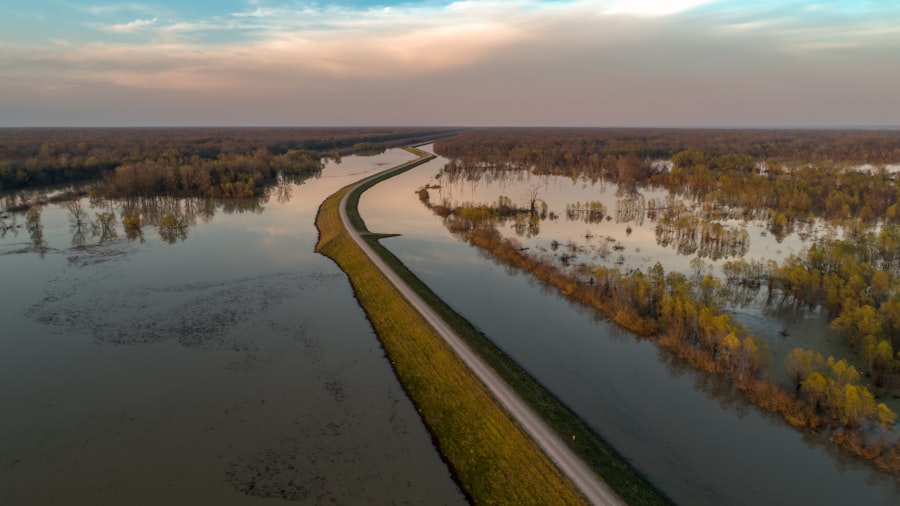
Beyond the river itself, inland staging areas serve as critical nodes within the broader Mississippi River transportation network. These locations are more than just parking lots for barges; they are dynamic hubs where cargo is consolidated, transferred, and prepared for its onward journey. Their strategic placement and efficient operation are vital to the seamless flow of goods.
The Port of St. Louis: A Historic Nexus
The Port of St. Louis, situated at the confluence of the Mississippi and Missouri Rivers, has long been a pivotal location for inland staging. Its historical significance as a gateway to the West has evolved into its modern role as a major transloading point for bulk commodities. Barges from both upstream and downstream converge here, facilitating the transfer of cargo between different transportation modes. The port’s infrastructure, including extensive terminal facilities and access to rail and highway networks, makes it an indispensable component of the riverine supply chain. It stands as a testament to the river’s enduring importance as a commercial artery.
Memphis: The Distribution Heartbeat
Further south, the Port of Memphis, Tennessee, has become a powerhouse of inland staging and distribution. Benefiting from its strategic location and excellent connectivity to various transportation networks, Memphis handles a vast volume of cargo. It serves as a critical hub for agricultural products, manufactured goods, and bulk materials. The port’s ability to efficiently transfer commodities from barges to rail cars and trucks has made it a linchpin in regional and national distribution strategies. Think of it as a massive logistical switchboard, directing goods with precision.
Transloading Facilities and Infrastructure
The effectiveness of inland staging areas is directly tied to the quality and capacity of their transloading facilities. These facilities, equipped with specialized machinery such as cranes, conveyors, and loaders, enable the efficient transfer of cargo between barges, railcars, and trucks. The development and upkeep of these terminals are crucial for minimizing turnaround times and maximizing the throughput of goods. Investment in modern, high-volume transloading infrastructure is a strong indicator of a staging area’s importance and capability.
Regional Distribution Networks and Connectivity
Beyond the direct transloading operations, the effectiveness of an inland staging area is amplified by its integration into broader regional distribution networks. Proximity to major rail lines, interstates, and local road networks allows for rapid and efficient onward distribution of goods. The ability to seamlessly connect riverine transport with other modes of transportation is what transforms a simple port into a truly strategic staging hub. It’s about more than just moving cargo; it’s about connecting it to its final destination with speed and reliability.
Baton Rouge and the Gulf Coast Access
As the Mississippi River approaches the Gulf of Mexico, cities like Baton Rouge, Louisiana, become crucial inland staging points. These locations provide a vital link between the inland river system and the global maritime trade network. Barges from the heartland deliver their cargo to these ports for further processing or for direct transfer to ocean-going vessels. The infrastructure here is designed to handle larger volumes and facilitate international shipments, making it a critical gateway for exports and imports. This is where the river’s journey truly meets the wider world.
Transition to Ocean-Going Vessels
Baton Rouge and other Gulf Coast ports are essential for the transition of cargo from inland barges to larger ocean-going vessels. This requires specialized terminals capable of handling different vessel types and cargo transfer methods. The efficiency of this transition directly impacts the cost and competitiveness of U.S. exports. A well-functioning interface between inland and maritime shipping is a cornerstone of global trade.
The Role of Storage and Warehousing
Inland staging areas often incorporate significant storage and warehousing capabilities. This allows for the consolidation of goods arriving at different times, the holding of inventory, and the staging of shipments for future dispatch. The availability of ample and secure storage is essential for managing the unpredictable ebb and flow of supply and demand, acting as a buffer within the complex logistical chain. It’s like having holding pens for goods, ensuring they are ready for their next leg of the journey.
Challenges and Future Considerations
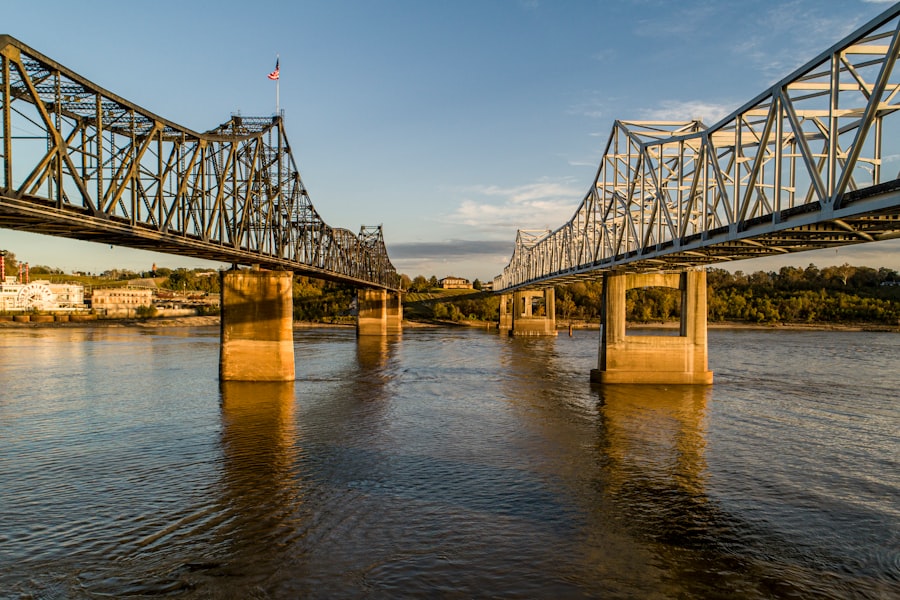
The Mississippi River system, while robust, is not immune to the challenges of the modern era. Climate change, infrastructure wear and tear, and evolving geopolitical landscapes all present potential disruptions that necessitate adaptation and investment. Proactive planning and technological advancement will be key to ensuring its continued vitality.
Infrastructure Modernization and Investment
Many of the locks and dams on the Mississippi River are aging infrastructure, originally constructed decades ago. The ongoing need for modernization and upgrading of these critical components is paramount. Investing in new technologies and more efficient designs can improve throughput, reduce maintenance costs, and enhance overall reliability. The river’s arteries need constant attention to keep them flowing.
Environmental Concerns and Water Management
Water management on the Mississippi River system is a complex undertaking, balancing the needs of navigation with environmental concerns such as water quality, habitat preservation, and flood control. Climate change is exacerbating these challenges, leading to more extreme weather events, including prolonged droughts and intense floods, which directly impact river levels and navigational channels. Sustainable water management practices are essential for the long-term health of the river and its ecosystem.
The Impact of Drought and Low Water Levels
Periods of severe drought can lead to critically low water levels on the Mississippi River, significantly impacting barge traffic. Reduced depths can limit the number of barges that can be assembled into a tow, thereby reducing carrying capacity. In extreme cases, traffic can be halted altogether. The economic consequences of such disruptions can be far-reaching, affecting agricultural markets and commodity prices. The river, when it recedes, reveals its vulnerabilities.
Technological Advancements in Navigation and Logistics
The application of new technologies holds significant promise for enhancing navigation and logistical efficiency on the Mississippi. Advanced sensor systems, real-time data analytics, and improved communication networks can provide captains with more accurate information about river conditions and potential hazards. Furthermore, drone technology and automated systems are being explored for improving cargo handling and terminal operations. The future of river navigation will undoubtedly be shaped by innovation.
The Mississippi River serves as a vital artery for transportation and commerce in the United States, but its chokepoints can significantly impact the flow of goods. For a deeper understanding of how these chokepoints affect inland staging and logistics, you can explore a related article that delves into the complexities of river navigation and its implications for trade. This insightful piece can be found at My Geo Quest, where you will discover more about the challenges and strategies involved in managing this crucial waterway.
The Importance of Efficient Operations
| Chokepoint | Location | Type | Average Delay (hours) | Annual Traffic Volume (vessels) | Inland Staging Capacity (TEUs) | Primary Cargo |
|---|---|---|---|---|---|---|
| Chain of Rocks Canal | Near St. Louis, MO | Lock and Dam | 4.5 | 1,200 | 15,000 | Grain, Coal |
| Mel Price Lock | Alton, IL | Lock and Dam | 3.2 | 1,500 | 20,000 | Petroleum, Chemicals |
| Old River Control Structure | Louisiana | Water Control | 2.8 | 900 | 10,000 | Bulk Commodities |
| Port of Memphis Inland Staging | Memphis, TN | Inland Port | 1.5 | 1,100 | 25,000 | Containers, Bulk |
| Vicksburg Lock and Dam | Vicksburg, MS | Lock and Dam | 3.7 | 1,000 | 12,000 | Coal, Grain |
The economic engine of the Mississippi River relies heavily on the efficiency of its operations, from the individual barge captain to the management of vast staging areas. Streamlining processes, minimizing delays, and fostering collaboration are critical factors in maintaining the river’s competitiveness as a transportation corridor.
Coordination Between Stakeholders
Effective navigation and inland staging require close coordination among a diverse group of stakeholders: barge operators, terminal managers, railroad companies, trucking firms, port authorities, and government agencies like the U.S. Army Corps of Engineers. Open communication channels and collaborative planning are essential for addressing challenges and optimizing the flow of goods. It’s a complex ballet, with many dancers requiring precise timing.
The Role of Pilotage and Towboat Captains
The skilled expertise of towboat captains and pilots is indispensable for navigating the Mississippi River. Their in-depth knowledge of currents, river conditions, and channel limitations allows them to safely guide massive convoys of barges through often challenging waters. The reliability and safety of the riverine transportation system are testament to their experience and professionalism. They are the conductors of this mighty, liquid orchestra.
Optimizing Barge Fleets and Tow Sizes
The efficient assembly of barge fleets and the maximization of tow sizes are key strategies for reducing per-unit transportation costs. Larger tows allow for the movement of greater volumes of cargo with fewer tugboats, thereby improving fuel efficiency and operational economies. This requires careful scheduling and coordination at staging areas and along the river. Think of it as maximizing the payload of each journey.
Conclusion: The Enduring Arterial Flow
The Mississippi River remains an indispensable engine of American commerce, a vital artery carrying the lifeblood of the nation’s economy. While chokepoints present ongoing challenges, and the need for infrastructure modernization is clear, the strategic importance of inland staging areas and the dedication of those who operate within this complex system ensure its continued relevance. By understanding and addressing the intricacies of its navigation and logistics, the Mississippi River will continue to serve as a powerful conduit for prosperity for generations to come. The river’s flow is a constant, and in its currents lies the promise of progress.
FAQs
What are the main chokepoints along the Mississippi River?
The main chokepoints along the Mississippi River include key locks and dams, narrow river bends, and congested port areas. Notable examples are the Chain of Rocks Lock near St. Louis, the Old River Control Structure, and the locks at the Upper Mississippi River system.
Why are chokepoints significant for river navigation on the Mississippi?
Chokepoints are significant because they can restrict the flow of river traffic, causing delays and congestion. These narrow or controlled sections require careful management to ensure safe and efficient passage of barges and vessels transporting goods.
What is inland staging in the context of the Mississippi River?
Inland staging refers to designated areas along the river where barges and vessels can be temporarily held or anchored. These staging areas help manage traffic flow, allowing for the organization of shipments and reducing congestion at critical chokepoints.
How do chokepoints impact commercial shipping on the Mississippi River?
Chokepoints can lead to bottlenecks that slow down the movement of goods, increase transportation costs, and affect supply chain reliability. Delays at these points can disrupt schedules for commodities like grain, coal, and petroleum products that rely heavily on river transport.
What measures are taken to manage and alleviate chokepoints on the Mississippi River?
Measures include infrastructure improvements such as lock and dam upgrades, dredging to maintain adequate channel depth, implementation of traffic management systems, and development of additional inland staging areas to better control vessel flow and reduce congestion.