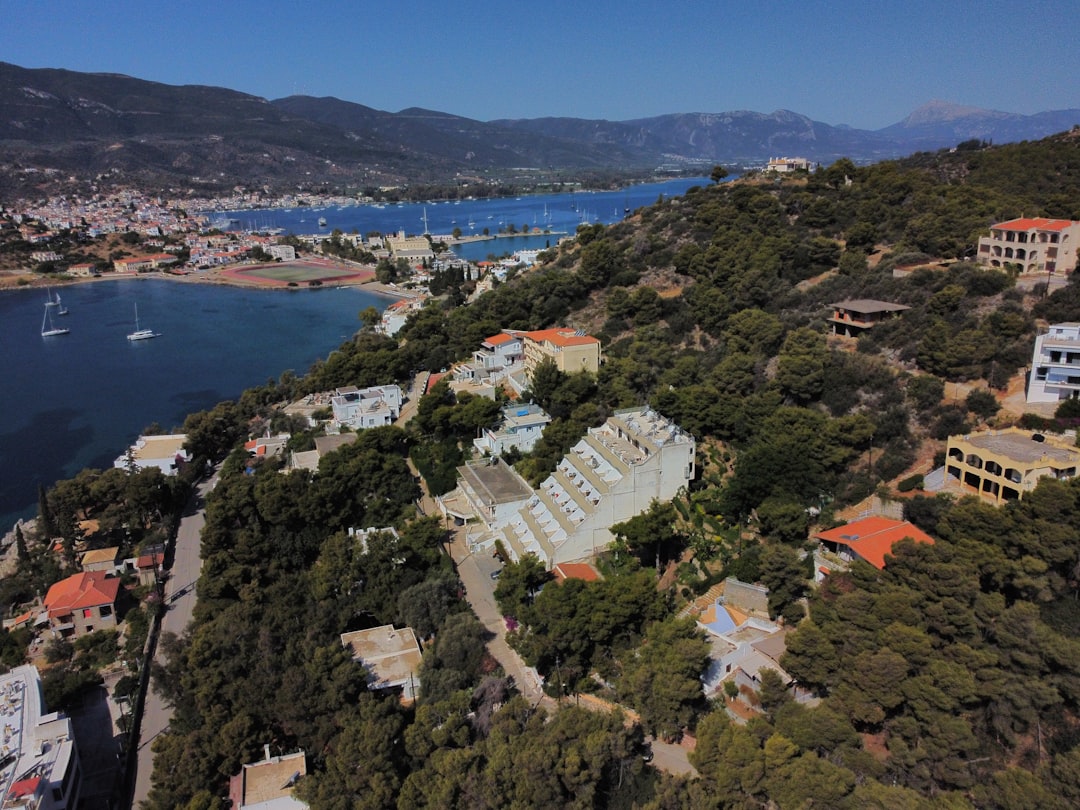
The allure of the coastline has long held a powerful grip on the human imagination. From ancient settlements to modern metropolises, proximity to the sea has been synonymous with opportunity, beauty, and a desirable lifestyle. However, this romantic ideal is increasingly confronted by the harsh realities of climate change, manifesting as rising sea levels, intensified storm surges, and coastal erosion. The very forces that once drew populations to the shore are now threatening to reclaim them. Consequently, coastal real estate, once a seemingly unassailable asset, is entering a period of “managed decline.” This article aims to provide a factual overview of this complex phenomenon, exploring its drivers, implications, and the strategies being developed to navigate this inevitable transition.
The foundation upon which coastal real estate has been built is steadily eroding, not just metaphorically but literally. The primary driver of this shift is the undeniable and accelerating impact of climate change.
Sea Level Rise: A Slow, Inexorable Creep
Global average sea levels have been rising for decades, a phenomenon directly attributable to the thermal expansion of ocean water as it warms and the melting of glaciers and ice sheets. This is not a theoretical future threat; it is a present-day reality. The rate of rise is accelerating, meaning that low-lying coastal areas are becoming increasingly vulnerable. For coastal properties, this translates to a higher frequency of nuisance flooding during high tides, a phenomenon that, while initially inconvenient, gradually degrades infrastructure and diminishes property desirability. Imagine a slow leak in a boat; individually, the drips are insignificant, but over time, they can lead to a critical state.
Intensified Storm Surges: The Fury Unleashed
Beyond the gradual rise, climate change is also contributing to more powerful and frequent storm events. Hurricanes and other tropical cyclones are becoming stronger, carrying more moisture and generating higher storm surges. These surges act like a battering ram against coastal defenses, overwhelming seawalls, inundating neighborhoods, and causing significant structural damage to properties. The return period for severe storm events is shortening, meaning that communities that once expected a 100-year storm once a century might now face such an event multiple times within a single generation. This unpredictability adds a significant layer of risk to coastal investments.
Coastal Erosion: The Vanishing Shoreline
The relentless action of waves and currents, exacerbated by higher sea levels and stronger storms, leads to the erosion of beaches and bluffs. This process literally eats away at the land, shrinking the buffer between the ocean and coastal properties. Over time, this erosion can lead to the loss of beachfront, undermine foundations, and even necessitate the relocation of structures. The picturesque view that once commanded a premium can simply disappear, taking with it a significant portion of the property’s value.
Human Factors: Development and Mismanagement
While climate change is the primary natural driver, human development patterns and past land-use decisions have amplified the vulnerability of coastal real estate. Much of the development along coastlines occurred without adequate consideration for geological processes or future climatic changes. This includes building in high-risk zones, the removal of natural protective features like sand dunes and mangrove forests, and the construction of inadequate or poorly maintained coastal defenses. These human-induced factors have created a precarious situation where natural forces are interacting with human-built environments in increasingly destructive ways.
The managed decline of coastal real estate is a pressing issue as climate change continues to impact vulnerable coastal areas. For a deeper understanding of this phenomenon and its implications for property owners and local economies, you can read a related article that explores various strategies and case studies on this topic. To learn more, visit the article at this link.
Economic Ripples: The Financial Fallout of a Retreating Coastline
The physical realities of a changing coastline have profound and far-reaching economic consequences for coastal real estate and the communities that depend on it. This is not merely about individual property values; it’s about entire local economies.
Declining Property Values: The Erosion of Equity
As the risks associated with coastal living become more apparent and the damage from climate events mounts, property values in vulnerable areas are beginning to reflect this increased exposure. Lenders are becoming more cautious, insurance premiums are soaring, and the market for properties in high-risk zones is shrinking. This can lead to a significant erosion of equity for homeowners, particularly those who may have purchased their properties at peak market values. For some, their home may no longer be an appreciating asset but a depreciating liability.
Increased Insurance Costs and Uninsurability: The Unpalatable Premiums
The insurance industry, a critical component of real estate transactions, is increasingly grappling with the escalating costs of coastal perils. Insurers are responding by raising premiums to reflect the greater risk, and in some extreme cases, by withdrawing coverage altogether from certain high-risk areas. This leaves property owners facing the stark choice of paying exorbitant premiums or going without insurance, a situation that can make mortgages impossible to secure and property sales incredibly difficult. The lack of affordable insurance acts like a financial chokehold on coastal communities.
Strain on Municipal Budgets: The Cost of Defense and Disaster Recovery
Local governments in coastal areas face a double burden. They are responsible for maintaining and upgrading often aging coastal defenses, a monumentally expensive undertaking. Simultaneously, they must allocate significant resources to disaster response and recovery following storm events. The tax base in these communities may also be shrinking as property values decline and residents relocate, creating a feedback loop of financial strain. This often forces difficult decisions about prioritizing essential services versus investing in long-term resilience.
Impact on Local Economies: Beyond the Property Market
The economic impact extends beyond the real estate market itself. Coastal communities often rely heavily on tourism, fishing, and maritime industries. The degradation of beaches, the damage to waterfront infrastructure, and the perceived risk can deter tourists. Declining fish stocks due to changing ocean conditions and the loss of critical coastal habitats can decimate fishing industries. The overall economic vitality of these regions is intrinsically linked to the health and stability of their coastlines.
Adaptation and Resilience: Strategies for a Changing Future

Faced with the undeniable reality of coastal decline, communities and individuals are exploring and implementing various strategies to adapt and build resilience. The goal is not to defy nature but to coexist with it in a more sustainable and less destructive manner.
Coastal Defenses: The Fortification and Naturalization Approaches
There are broadly two approaches to fortifying coastal areas: hard engineering and soft engineering.
Hard Engineering Solutions: Walls and Barriers
Hard engineering solutions involve the construction of artificial structures such as seawalls, dikes, levees, and breakwaters. These are designed to physically block or redirect the force of waves and storm surges. While they can offer immediate protection, they are often expensive to build and maintain, can have negative ecological impacts by disrupting natural sediment flows and habitats, and can even exacerbate erosion downdrift. Think of them as a strong shield, but one that requires constant upkeep and can cause unintended damage elsewhere.
Soft Engineering Solutions: Working with Nature
Soft engineering, in contrast, aims to work with natural processes to enhance coastal resilience. This includes beach nourishment (adding sand to replenish eroded beaches), dune restoration and creation, and the preservation and restoration of natural barriers like wetlands and mangrove forests. These approaches are often more cost-effective in the long run, provide habitat for wildlife, and can adapt more dynamically to changing conditions. They are akin to working with the river’s flow rather than trying to dam it entirely.
Managed Retreat: The Strategic Relocation of Communities
In some cases, the most pragmatic and sustainable long-term strategy is managed retreat – the planned and phased relocation of communities and infrastructure away from the most vulnerable coastal areas. This is a complex and often emotionally charged process, but it can prevent further loss and damage. Managed retreat involves careful planning, community engagement, and the provision of support for affected residents. It represents a fundamental shift in thinking, acknowledging that some areas are no longer viable for permanent human settlement. This is not a hasty surrender, but a strategic withdrawal from an untenable position.
Land Use Planning and Zoning Reforms: Building Smarter, Not Wider
Reforming land use planning and zoning regulations is crucial for preventing future development in high-risk areas and encouraging more resilient building practices. This can involve establishing development setbacks from the shoreline, restricting new construction in flood-prone zones, and creating incentives for elevated or flood-resistant building designs. Proactive planning can prevent the perpetuation of the problems that have led to the current situation.
Innovative Building and Infrastructure Design: Future-Proofing Structures
Architects, engineers, and urban planners are increasingly focused on designing buildings and infrastructure that can withstand the impacts of a changing climate. This includes elevating structures, using flood-resistant materials, and incorporating flexible infrastructure that can adapt to varying water levels. The aim is to build for a future where the coastline is not a static line but a dynamic and often challenging environment.
Insurance and Finance: Navigating the Economic Landscape

The economic dimensions of managed decline are as critical as the physical ones. Adjusting financial mechanisms and insurance models is essential for both individual property owners and the broader coastal economy.
Rethinking Insurance Models: From Risk Transfer to Risk Reduction
The traditional insurance model, based on historical data and relatively stable conditions, is no longer sufficient for coastal properties. New models are being explored that may incorporate dynamic pricing based on real-time risk assessments, offer incentives for resilience measures, and even involve public-private partnerships to ensure coverage in high-risk areas. The focus is shifting from simply transferring risk to actively encouraging its reduction.
Government-Backed Insurance Programs: A Safety Net and a Catalyst for Change
Many governments offer subsidized flood insurance or operate national insurance programs to provide a safety net for coastal residents. While these can be essential, they also raise questions about moral hazard and the long-term financial sustainability of such programs if they do not adequately incentivize risk reduction. These programs can act as a temporary bridge, but they should ideally be coupled with policies that promote adaptation and retreat.
The Role of Capital and Investment: Shifting Investment Towards Resilience
The financial sector is beginning to recognize the risks associated with coastal real estate. This can lead to greater scrutiny of investments in vulnerable areas and a potential shift of capital towards more resilient projects and communities. Investors are increasingly factoring climate risk into their decision-making, which can influence development patterns and spur innovation in resilience technologies.
Property Value Disclosure and Transparency: Empowering Buyers and Sellers
Greater transparency regarding flood risk and the potential for future coastal impacts is vital. Robust disclosure requirements can empower potential buyers to make informed decisions and encourage sellers to acknowledge the realities of their property’s exposure. This can help to realign market expectations with the actual risks.
The managed decline of coastal real estate is a pressing issue as rising sea levels and increased storm activity threaten properties along the shoreline. A recent article discusses the implications of this trend and explores potential strategies for communities facing these challenges. For more insights on this topic, you can read the full article here. Understanding the dynamics of managed decline is crucial for homeowners and policymakers alike as they navigate the complexities of coastal living in an era of climate change.
The Human Element: Community and Governance in Managed Decline
| Metric | Description | Typical Value / Range | Unit | Notes |
|---|---|---|---|---|
| Coastal Erosion Rate | Average annual loss of shoreline due to natural and human factors | 0.5 – 3 | meters/year | Varies by location and storm frequency |
| Property Depreciation Rate | Annual decrease in property value due to managed decline policies | 2 – 10 | percent/year | Depends on policy strictness and market conditions |
| Relocation Rate | Percentage of residents or businesses relocating annually | 1 – 5 | percent/year | Higher in high-risk zones |
| Investment in Protective Infrastructure | Annual spending on seawalls, dunes, and other defenses | 0 – 50 | million units | Often reduced under managed decline strategies |
| Land Use Change Rate | Percentage of coastal land converted from residential/commercial to natural or open space | 0.5 – 3 | percent/year | Reflects retreat and restoration efforts |
| Insurance Premium Increase | Annual increase in insurance costs due to risk exposure | 5 – 15 | percent/year | Can accelerate managed decline decisions |
| Community Support Level | Percentage of local population supporting managed decline policies | 30 – 70 | percent | Varies with outreach and economic impact |
Ultimately, the managed decline of coastal real estate is a human story. It involves difficult decisions, community cohesion, and effective governance.
Community Engagement and Participation: A Shared Responsibility
Successful adaptation and managed retreat strategies require the active involvement and participation of the communities directly affected. Listening to local knowledge, respecting cultural values, and ensuring equitable participation in decision-making processes are paramount. When communities feel heard and empowered, they are more likely to embrace necessary, albeit challenging, changes.
The Importance of Leadership and Vision: Charting a Course Through Uncertainty
Effective leadership at local, regional, and national levels is crucial for navigating the complexities of managed decline. This requires a willingness to confront difficult truths, to plan for the long term, and to implement policies that may be unpopular in the short term but are necessary for the sustained well-being of coastal communities. Visionary leadership can transform a crisis into an opportunity for thoughtful, sustainable development.
Intergenerational Equity: Ensuring a Livable Future for Descendants
The decisions made today regarding coastal real estate will have profound implications for future generations. Managed decline necessitates a consideration of intergenerational equity, ensuring that present-day choices do not burden descendants with unmanageable risks or leave them with diminished resources. This demands a forward-thinking approach that prioritizes long-term sustainability over short-term economic gains.
The Evolving Definition of “Coastal Living”: A New Relationship with the Sea
The concept of “coastal living” is undergoing a radical re-evaluation. For centuries, it has often implied an unfettered embrace of the shoreline. In the era of managed decline, it will increasingly mean a more respectful, adaptive, and resilient relationship with the sea. This may involve a reimagining of coastal communities, with a greater emphasis on elevated living, buffer zones, and a harmonious coexistence with the natural environment. The romantic ideal of directly on the water may give way to a more nuanced appreciation of coastal spaces, acknowledging their dynamic and sometimes challenging nature. The challenge lies in finding a new equilibrium, a way to continue to benefit from the unique qualities of coastal environments without succumbing to their inevitable transformations. The managed decline of coastal real estate is not an end, but a profound and necessary evolution in our relationship with the planet’s most dynamic frontiers.
FAQs
What is meant by the term “managed decline” in coastal real estate?
Managed decline refers to a strategic approach to reducing investment and development in vulnerable coastal properties, allowing natural processes like erosion and flooding to occur with minimal intervention, while prioritizing safety and environmental sustainability.
Why is managed decline considered for coastal real estate?
Managed decline is considered due to increasing risks from climate change, such as sea-level rise, stronger storms, and coastal erosion, which make maintaining and protecting some coastal properties economically and environmentally unsustainable.
What are the common strategies involved in managed decline?
Strategies include relocating residents and infrastructure away from high-risk areas, removing or modifying existing structures, restoring natural coastal habitats, and restricting new development in vulnerable zones.
How does managed decline impact property owners and communities?
Property owners may face reduced property values and potential relocation, while communities might experience changes in demographics and land use. However, managed decline aims to enhance long-term safety and environmental resilience.
Are there any legal or policy frameworks supporting managed decline?
Yes, many governments implement policies such as zoning restrictions, buyout programs, and coastal management plans that support managed decline to address climate risks and promote sustainable land use along coastlines.