
The Malacca Strait is a narrow waterway located between the Malay Peninsula and the Indonesian island of Sumatra. Measuring approximately 550 miles in length, it functions as a critical maritime passage connecting the Indian Ocean to the South China Sea. This positioning enables direct shipping routes between Europe, the Middle East, and Asia.
The strait ranks among the world’s busiest shipping lanes, with thousands of commercial vessels transiting annually. Statistical data indicates that approximately one-third of all global maritime trade passes through this waterway. The strait holds particular importance for energy transportation, serving as a primary route for oil tankers and liquefied natural gas carriers supplying global markets.
Key Takeaways
- The Malacca Strait is a crucial maritime passage with significant historical importance for global trade.
- Geopolitical tensions and piracy pose ongoing security challenges in the region.
- Environmental concerns and congestion impact the safety and efficiency of shipping through the strait.
- Technological innovations and regulatory measures are key to improving navigation and security.
- The future of shipping in the Malacca Strait depends on strategic management of economic, environmental, and geopolitical factors.
Historical significance of the Malacca Strait for trade
Historically, the Malacca Strait has been a pivotal trade route since ancient times. It served as a conduit for merchants from various civilizations, including the Chinese, Indian, and Arab traders who sought to exchange goods such as spices, textiles, and precious metals. The strait’s strategic location made it an attractive point for trade, allowing ships to avoid the longer journey around the southern tip of Africa.
This historical context laid the foundation for the strait’s enduring significance in global commerce. The rise of European colonial powers in the 16th century further amplified the importance of the Malacca Strait. The Portuguese, Dutch, and British established control over key ports along its shores, recognizing the economic potential of this vital waterway.
The establishment of trade routes through the strait facilitated not only the exchange of goods but also cultural interactions among diverse societies. This rich history continues to influence contemporary trade practices and geopolitical relationships in the region.
Geopolitical challenges in the Malacca Strait
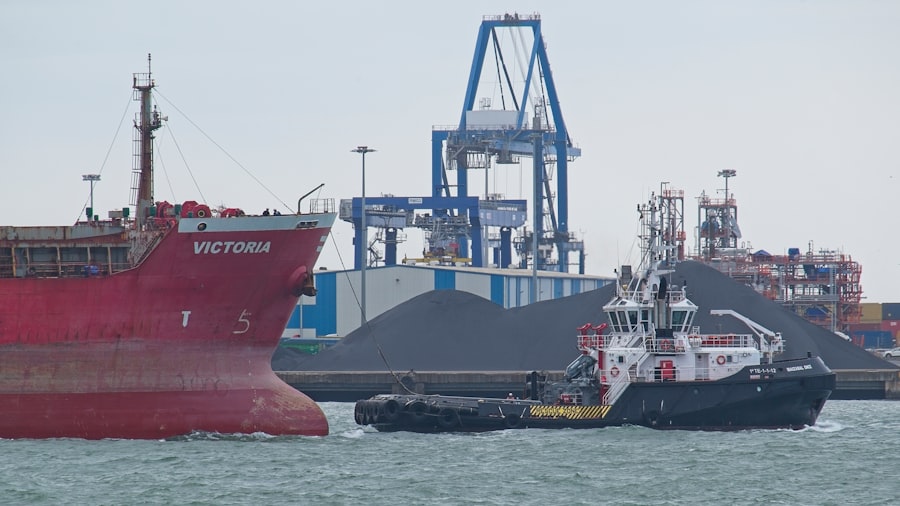
The Malacca Strait is not only a hub for trade but also a focal point for geopolitical tensions. The strategic importance of this waterway has made it a site of contention among regional powers, particularly as nations vie for influence over shipping routes and maritime resources. The proximity of several countries—Malaysia, Indonesia, and Singapore—creates a complex web of interests that can lead to diplomatic challenges and conflicts.
One significant geopolitical challenge is the presence of competing territorial claims in the surrounding waters. As nations seek to assert their rights over maritime boundaries and resources, tensions can escalate, potentially impacting shipping operations. Additionally, the strait’s narrowness poses logistical challenges for naval operations and increases vulnerability to external threats.
As such, maintaining stability in this region is crucial for ensuring uninterrupted trade flows and safeguarding national interests.
Environmental concerns in the Malacca Strait
The environmental implications of shipping activities in the Malacca Strait are increasingly coming under scrutiny. The strait’s delicate marine ecosystem is threatened by pollution from oil spills, ballast water discharge, and other maritime activities associated with heavy shipping traffic. The biodiversity in these waters is rich, with numerous species relying on this habitat for survival.
However, the growing volume of maritime traffic raises concerns about habitat degradation and the long-term sustainability of marine life. Efforts to address these environmental challenges are gaining momentum as stakeholders recognize the need for sustainable practices in shipping. Initiatives aimed at reducing pollution and protecting marine ecosystems are being implemented by various organizations and governments.
However, balancing economic interests with environmental protection remains a complex challenge that requires collaboration among nations and industries operating in the strait.
Piracy and security threats in the Malacca Strait
| Metric | Value | Unit | Notes |
|---|---|---|---|
| Annual Vessel Traffic | 100,000 | vessels per year | One of the busiest shipping lanes globally |
| Daily Oil Transit Volume | 15 | million barrels per day | Significant portion of global oil trade |
| Average Transit Time | 8 | hours | Time taken to cross the strait |
| Width of Strait | 2 | kilometers (narrowest point) | Limits vessel size and traffic flow |
| Incidents of Piracy (2023) | 12 | reported cases | Security concern for shipping companies |
| Economic Impact | 600 | billion | Estimated annual value of goods transported |
Piracy has long been a concern in the Malacca Strait, with its narrow passages providing ideal conditions for criminal activities at sea. Despite efforts to combat piracy through increased naval patrols and international cooperation, incidents continue to pose significant risks to vessels navigating these waters. The threat of piracy not only endangers crew members and cargo but also disrupts global supply chains and raises insurance costs for shipping companies.
In response to these security threats, various measures have been implemented to enhance maritime security in the strait. Regional cooperation among countries bordering the strait has led to joint patrols and intelligence-sharing initiatives aimed at deterring piracy and ensuring safe passage for vessels. However, ongoing vigilance is necessary to address evolving threats and maintain security in this critical maritime corridor.
Impact of congestion on shipping in the Malacca Strait
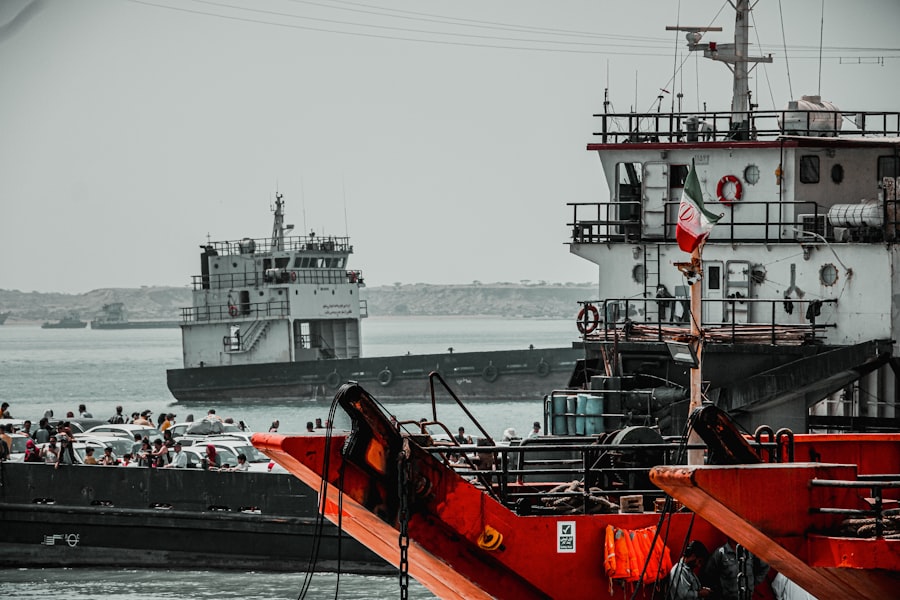
The Malacca Strait’s status as one of the busiest shipping lanes in the world has led to significant congestion issues that impact vessel transit times and operational efficiency. With thousands of ships passing through each month, delays can occur due to traffic bottlenecks, particularly at key chokepoints such as the Singapore Strait. This congestion not only affects shipping schedules but also contributes to increased fuel consumption and emissions.
To mitigate congestion-related challenges, stakeholders are exploring various strategies aimed at improving traffic management in the strait. Implementing advanced navigation systems and optimizing vessel scheduling can help streamline operations and reduce waiting times. Additionally, enhancing port infrastructure and expanding capacity at key terminals can alleviate some of the pressures associated with high traffic volumes.
Technological advancements to navigate the Malacca Strait
Technological innovations are playing a crucial role in enhancing navigation safety and efficiency in the Malacca Strait. The adoption of advanced navigation systems, such as Automatic Identification Systems (AIS) and satellite-based tracking technologies, allows vessels to monitor their positions accurately and communicate effectively with other ships and maritime authorities. These technologies contribute to improved situational awareness and help prevent collisions in congested waters.
Moreover, advancements in data analytics are enabling shipping companies to optimize routes based on real-time information about weather conditions, traffic patterns, and potential hazards. By leveraging these technologies, vessels can navigate more efficiently through the strait while minimizing environmental impacts. As technology continues to evolve, it holds promise for further enhancing safety and operational efficiency in this critical maritime corridor.
Regulatory framework for shipping in the Malacca Strait
The regulatory framework governing shipping activities in the Malacca Strait is complex and involves multiple stakeholders at both national and international levels.
The International Maritime Organization (IMO) plays a pivotal role in establishing guidelines for maritime safety and pollution prevention that member states are encouraged to adopt.
Additionally, regional cooperation among countries bordering the strait has led to initiatives aimed at enhancing maritime governance. Collaborative efforts focus on harmonizing regulations, sharing best practices, and conducting joint exercises to improve preparedness for emergencies such as oil spills or piracy incidents. A robust regulatory framework is essential for maintaining safety standards while promoting sustainable practices in this vital shipping corridor.
Economic implications of navigating the Malacca Strait
Navigating the Malacca Strait carries significant economic implications for global trade and regional economies alike. The strait serves as a critical link for transporting goods between major markets, influencing trade patterns and supply chain dynamics. For countries bordering the strait, its economic importance cannot be overstated; it generates substantial revenue from port activities and attracts foreign investment in logistics infrastructure.
However, challenges such as congestion, piracy threats, and environmental concerns can impact shipping costs and operational efficiency. Increased transit times due to delays can lead to higher freight rates, affecting pricing strategies for businesses reliant on timely deliveries. As such, stakeholders must navigate these economic complexities while seeking opportunities for growth within this vital maritime corridor.
Future outlook for the shipping industry in the Malacca Strait
The future outlook for the shipping industry in the Malacca Strait appears promising yet fraught with challenges that require proactive management. As global trade continues to expand, demand for efficient shipping routes will likely increase, placing further pressure on this already congested waterway. Stakeholders must prioritize investments in infrastructure development and technological advancements to accommodate growing traffic volumes while ensuring safety and sustainability.
Moreover, addressing environmental concerns will be paramount as regulatory frameworks evolve to meet international standards for emissions reduction and marine protection. Collaborative efforts among nations will be essential in fostering a resilient maritime ecosystem that balances economic growth with environmental stewardship. By embracing innovation and cooperation, stakeholders can navigate potential challenges while capitalizing on opportunities within this critical maritime corridor.
Strategies for successful navigation in the Malacca Strait
Successfully navigating the complexities of the Malacca Strait requires a multifaceted approach that encompasses technological innovation, regulatory compliance, environmental stewardship, and regional cooperation. Stakeholders must prioritize investments in advanced navigation systems that enhance safety while optimizing operational efficiency amidst growing congestion challenges. Collaborative efforts among nations bordering the strait will be essential in addressing security threats such as piracy while fostering a stable maritime environment conducive to trade.
Furthermore, integrating sustainable practices into shipping operations will be crucial for protecting marine ecosystems while meeting global demands for responsible resource management. By adopting comprehensive strategies that encompass these elements, stakeholders can ensure successful navigation through one of the world’s most vital maritime corridors while contributing positively to regional economies and global trade networks.
The Malacca Strait is a crucial maritime route for global shipping, and its significance is highlighted in various discussions about maritime trade and security. For a deeper understanding of the challenges and opportunities in this vital waterway, you can read the article on the shipping industry at this link. This article provides insights into the strategic importance of the Malacca Strait and its impact on international shipping routes.
WATCH THIS! 🌍 THE $15 TRILLION GAMBLE: What Happens If The Strait of Malacca Closes For One Week?
FAQs
What is the significance of the Malacca Strait in the shipping industry?
The Malacca Strait is one of the world’s busiest maritime shipping lanes, connecting the Indian Ocean to the South China Sea and the Pacific Ocean. It serves as a critical passage for global trade, facilitating the movement of a significant portion of the world’s maritime cargo, including oil, natural gas, and manufactured goods.
Why is the Malacca Strait considered a strategic chokepoint?
The Malacca Strait is a narrow waterway, approximately 800 kilometers long and as narrow as 2.8 kilometers at its tightest point. Its strategic location and limited width make it a vital chokepoint for international shipping, where any disruption can significantly impact global trade and energy supplies.
What types of vessels commonly pass through the Malacca Strait?
A wide variety of vessels transit the Malacca Strait, including oil tankers, container ships, bulk carriers, and liquefied natural gas (LNG) carriers. The strait is especially important for energy shipments from the Middle East to East Asia.
What are the main challenges faced by the shipping industry in the Malacca Strait?
Challenges include navigational hazards due to narrow channels and heavy traffic, piracy and maritime security threats, environmental concerns such as oil spills, and geopolitical tensions among bordering nations. Additionally, the strait’s depth limits the size of vessels that can safely pass through.
How do countries bordering the Malacca Strait manage shipping traffic and security?
Malaysia, Indonesia, and Singapore cooperate through joint patrols, surveillance, and information sharing to enhance maritime security and safety. They also enforce regulations to prevent piracy, smuggling, and environmental damage, ensuring safe passage for vessels.
Are there alternative routes to the Malacca Strait for shipping?
Yes, alternatives include the Lombok Strait and the Sunda Strait, but these routes are longer and less efficient. Some larger vessels use the Sunda Strait to avoid the depth limitations of the Malacca Strait, but the Malacca Strait remains the preferred route due to its shorter distance.
What impact does the Malacca Strait have on global energy supply?
The Malacca Strait is a critical conduit for energy shipments, with a significant percentage of the world’s oil and liquefied natural gas passing through it. Any disruption in the strait can lead to fluctuations in global energy prices and supply chain delays.
How is environmental protection addressed in the Malacca Strait?
Efforts include monitoring and regulating ship emissions, preventing oil spills, and protecting marine biodiversity. Regional cooperation aims to enforce environmental standards and respond quickly to maritime accidents to minimize ecological damage.
What role does the Malacca Strait play in regional economic development?
The strait supports regional economies by facilitating trade and commerce, enabling port development, and attracting maritime industries. Its strategic location has made nearby ports like Singapore major global shipping hubs.
How has technology improved shipping safety in the Malacca Strait?
Technological advancements such as Vessel Traffic Services (VTS), Automatic Identification Systems (AIS), and satellite monitoring have enhanced navigation safety, traffic management, and security enforcement in the strait, reducing the risk of accidents and piracy.