
Oil shipping routes are vital arteries of the global economy, facilitating the movement of crude oil and refined petroleum products from production sites to markets around the world. These routes are not merely pathways; they are essential for ensuring energy security and economic stability for many nations. The significance of these routes is underscored by the fact that oil remains one of the most traded commodities globally, with millions of barrels transported daily across oceans and seas.
The efficiency and safety of these shipping lanes directly influence oil prices, availability, and, consequently, the economic health of countries reliant on oil imports. Moreover, the strategic importance of oil shipping routes extends beyond mere transportation. They are often at the center of geopolitical tensions, as nations vie for control over key chokepoints and maritime passages.
The Strait of Hormuz, for instance, is a critical juncture through which a significant portion of the world’s oil supply flows. Disruptions in this area can lead to skyrocketing oil prices and economic instability, highlighting the interconnectedness of global trade and energy security. Thus, understanding the importance of oil shipping routes is crucial for grasping the broader implications for international relations and economic policies.
Key Takeaways
- Oil shipping routes are crucial for the global economy, as they facilitate the transportation of oil from production to consumption centers.
- Geopolitical factors, such as conflicts and international relations, can significantly impact oil shipping routes, leading to disruptions and changes in trade patterns.
- Technology plays a vital role in navigating oil shipping routes, with advancements in navigation systems and communication enhancing safety and efficiency.
- Environmental concerns, such as oil spills and emissions, are important considerations for oil shipping routes, prompting the need for sustainable practices and regulations.
- Market trends, including shifts in demand and supply, influence the choice of oil shipping routes and drive changes in transportation patterns.
The Impact of Geopolitical Factors on Oil Shipping Routes
Geopolitical factors play a pivotal role in shaping oil shipping routes, influencing everything from route selection to shipping costs. Political stability in oil-producing regions is paramount; any unrest or conflict can lead to significant disruptions in oil supply chains. For instance, tensions in the Middle East have historically led to increased insurance costs for vessels traversing these waters, as well as heightened security measures.
Countries often engage in diplomatic maneuvers to secure their interests in these regions, which can further complicate shipping logistics. Additionally, sanctions imposed by nations can alter established shipping routes dramatically. For example, sanctions against Iran have forced oil tankers to seek alternative paths or face severe penalties.
This not only affects the countries directly involved but also has ripple effects on global oil markets. As nations navigate these complex geopolitical landscapes, they must remain agile and responsive to changes that could impact their energy supply chains. The interplay between geopolitics and oil shipping routes underscores the need for robust international cooperation and dialogue to ensure stability in global energy markets.
The Role of Technology in Navigating Oil Shipping Routes
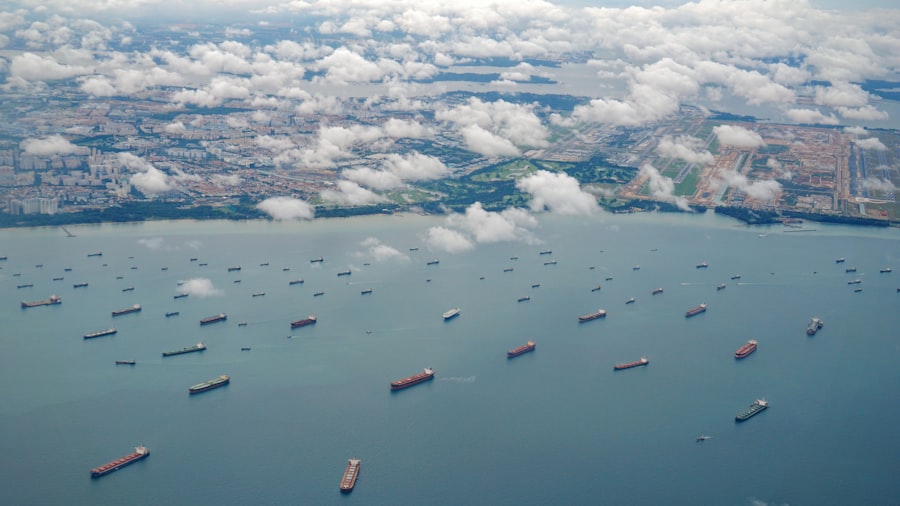
Advancements in technology have revolutionized the way oil shipping routes are navigated and managed. Modern vessels are equipped with sophisticated navigation systems that utilize satellite technology, enabling them to plot efficient courses while avoiding hazards such as storms or piracy-prone areas. These technologies not only enhance safety but also optimize fuel consumption, reducing operational costs for shipping companies.
The integration of real-time data analytics allows for dynamic route adjustments based on changing weather conditions or geopolitical developments. Furthermore, technology has improved communication between vessels and shore-based operations. This connectivity ensures that ships can receive timely updates about maritime conditions and potential threats, allowing for proactive decision-making.
The use of blockchain technology is also emerging in the oil shipping industry, providing transparency and traceability in transactions. This innovation can help streamline logistics and reduce fraud, ultimately enhancing the efficiency of oil transportation. As technology continues to evolve, its role in navigating oil shipping routes will likely become even more critical.
Environmental Concerns and Oil Shipping Routes
| Oil Shipping Route | Environmental Concerns |
|---|---|
| Suez Canal | Potential oil spills and pollution in the Red Sea and Mediterranean Sea |
| Panama Canal | Risk of oil spills in the Caribbean Sea and Pacific Ocean |
| Straits of Malacca | Threat to marine life and coastal areas in the Indian Ocean and South China Sea |
| Bosphorus and Dardanelles Straits | Potential oil spills and pollution in the Black Sea and Aegean Sea |
The environmental implications of oil shipping routes cannot be overlooked, as they pose significant risks to marine ecosystems and coastal communities. Oil spills, whether from tanker accidents or operational discharges, can have devastating effects on marine life and habitats. The consequences of such incidents extend beyond immediate ecological damage; they can also lead to long-term economic repercussions for industries reliant on clean oceans, such as fishing and tourism.
As awareness of environmental issues grows, there is increasing pressure on the oil industry to adopt more sustainable practices. In response to these concerns, regulatory bodies and environmental organizations are advocating for stricter safety standards and more robust contingency plans for oil spills. Innovations in vessel design, such as double-hulled tankers, aim to minimize the risk of spills during transportation.
Additionally, there is a push for alternative energy sources that could reduce reliance on oil shipping routes altogether. As the world grapples with climate change and environmental degradation, the future of oil transportation will likely be shaped by a growing emphasis on sustainability and environmental stewardship.
The Influence of Market Trends on Oil Shipping Routes
Market trends significantly influence oil shipping routes, as fluctuations in demand and supply dictate how and where oil is transported. For instance, changes in consumer behavior or economic growth in emerging markets can lead to shifts in demand for crude oil, prompting shipping companies to adjust their routes accordingly. Additionally, geopolitical events can create sudden spikes or drops in oil prices, further impacting shipping logistics.
Companies must remain vigilant and responsive to these market dynamics to maintain competitiveness. Moreover, the rise of renewable energy sources is beginning to reshape traditional oil markets. As countries invest more heavily in alternative energy technologies, the demand for oil may decline over time, leading to a reevaluation of existing shipping routes.
This transition could result in a shift towards more localized energy production and consumption patterns, potentially reducing the need for long-distance oil transportation.
The Future of Arctic Shipping Routes for Oil Transportation
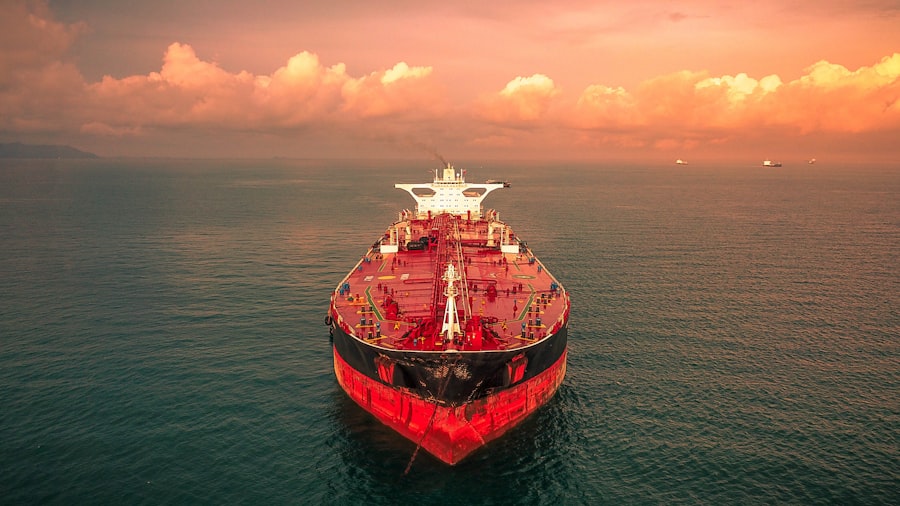
The Arctic region presents a unique opportunity for oil transportation due to its untapped reserves and potential new shipping routes made accessible by melting ice caps. As climate change continues to alter the Arctic landscape, previously inaccessible areas are becoming navigable during certain months of the year. This development has sparked interest from various nations seeking to exploit these resources while also raising concerns about environmental impacts and indigenous rights.
However, navigating Arctic shipping routes poses significant challenges due to extreme weather conditions and limited infrastructure. The harsh environment requires specialized vessels equipped for ice navigation, which can be costly to operate. Additionally, there are ongoing debates about the environmental risks associated with drilling in this fragile ecosystem.
As countries weigh the economic benefits against ecological concerns, the future of Arctic shipping routes for oil transportation remains uncertain but increasingly relevant in discussions about global energy strategies.
The Challenges of Piracy and Security for Oil Shipping Routes
Piracy remains a persistent threat to oil shipping routes, particularly in regions such as the Gulf of Aden and West Africa. These areas have seen an uptick in attacks on vessels carrying valuable cargoes, including crude oil. Shipping companies must invest heavily in security measures to protect their assets and crews from potential hijackings or thefts.
This includes employing armed guards on ships or utilizing advanced surveillance technologies to monitor maritime activity. The implications of piracy extend beyond immediate financial losses; they can also disrupt global supply chains and lead to increased insurance premiums for shipping companies operating in high-risk areas. As a result, there is a growing need for international cooperation to combat piracy through coordinated naval patrols and intelligence sharing among nations.
Addressing these security challenges is essential for ensuring the safe passage of oil shipments and maintaining stability in global energy markets.
The Potential for Alternative Energy Sources to Impact Oil Shipping Routes
The rise of alternative energy sources poses both challenges and opportunities for traditional oil shipping routes. As countries increasingly invest in renewable energy technologies such as wind, solar, and biofuels, the demand for fossil fuels may decline over time. This shift could lead to a reevaluation of existing shipping routes as companies adapt to changing market dynamics and consumer preferences.
However, alternative energy sources also present opportunities for innovation within the shipping industry itself. For instance, there is growing interest in developing hybrid vessels that utilize both traditional fuels and renewable energy sources like wind power or batteries. This transition could reduce emissions associated with oil transportation while maintaining operational efficiency.
As the world moves towards a more sustainable energy future, the impact of alternative energy sources on oil shipping routes will be an important area of focus.
The Role of International Regulations in Oil Shipping Routes
International regulations play a crucial role in governing oil shipping routes and ensuring safe practices within the industry. Organizations such as the International Maritime Organization (IMO) establish guidelines that address safety standards, environmental protection measures, and operational protocols for vessels transporting oil. Compliance with these regulations is essential for maintaining safety at sea and minimizing environmental risks associated with oil spills or accidents.
Moreover, international regulations can influence how countries approach their energy policies and maritime strategies. For instance, regulations aimed at reducing greenhouse gas emissions may prompt nations to invest in cleaner technologies or alternative energy sources that could reshape traditional shipping routes over time. As global awareness of environmental issues continues to grow, the role of international regulations will be increasingly important in guiding the future of oil transportation.
The Impact of Climate Change on Oil Shipping Routes
Climate change is having a profound impact on oil shipping routes by altering weather patterns and sea conditions that affect navigation. Rising sea levels and increased storm intensity pose significant risks to vessels operating in vulnerable regions. Additionally, melting ice caps are opening up new shipping lanes in the Arctic while simultaneously creating challenges related to environmental protection and indigenous rights.
As climate change continues to reshape maritime landscapes, shipping companies must adapt their operations accordingly. This may involve investing in more resilient vessels capable of withstanding extreme weather conditions or reevaluating traditional routes that may become less viable over time.
The Future of Oil Shipping Routes in a Post-Pandemic World
The COVID-19 pandemic has had far-reaching effects on global trade patterns, including those related to oil shipping routes. Lockdowns and travel restrictions led to unprecedented declines in demand for crude oil as industries shut down and transportation networks were disrupted. As economies begin to recover from the pandemic’s impacts, there is uncertainty about how demand for oil will evolve moving forward.
In a post-pandemic world, companies may need to reassess their logistics strategies and adapt to changing consumer behaviors that prioritize sustainability and resilience. This could lead to shifts in traditional shipping routes as businesses seek more efficient ways to transport goods while minimizing environmental impacts. Additionally, geopolitical factors may continue to influence how nations approach their energy policies in light of lessons learned during the pandemic.
In conclusion, the landscape of oil shipping routes is shaped by a complex interplay of factors ranging from geopolitical dynamics to technological advancements and environmental concerns. As the world navigates an increasingly interconnected future marked by climate change and evolving energy demands, understanding these influences will be crucial for ensuring safe and sustainable transportation practices within the global oil industry.
In the evolving landscape of global energy transportation, the future of oil shipping routes is a topic of significant interest. As geopolitical dynamics and environmental considerations continue to shape the industry, understanding these changes is crucial for stakeholders. A related article that delves into the intricacies of these developments can be found on MyGeoQuest. This article provides insights into how emerging technologies and shifting trade patterns are influencing the strategic planning of oil shipping routes. For a deeper exploration of these themes, you can read more in the article available at MyGeoQuest.
WATCH THIS! One Narrow Strait Holds Global Economy Hostage
FAQs
What are oil shipping routes?
Oil shipping routes are the paths or routes taken by oil tankers to transport crude oil and petroleum products from producing regions to consuming regions around the world.
Why are oil shipping routes important?
Oil shipping routes are important because they facilitate the global trade of crude oil and petroleum products, which are essential for meeting the energy needs of various countries.
How do oil shipping routes impact the global economy?
Oil shipping routes impact the global economy by influencing the supply and demand dynamics of crude oil and petroleum products, which in turn affect prices and trade balances of countries around the world.
What factors influence the future of oil shipping routes?
The future of oil shipping routes is influenced by factors such as geopolitical tensions, changes in global energy demand, advancements in shipping technology, environmental regulations, and the development of new oil production and refining facilities.
How might the future of oil shipping routes change?
The future of oil shipping routes may change due to shifts in global energy consumption patterns, the opening of new trade routes such as the Arctic sea route, advancements in autonomous shipping technology, and efforts to reduce greenhouse gas emissions from shipping.