
The Drake Passage and the Cape of Good Hope are two of the most iconic maritime locations in the world, each steeped in rich history and natural beauty. The Drake Passage, situated between the southern tip of South America and Antarctica, is renowned for its tumultuous waters and unpredictable weather patterns. It serves as a critical conduit for ocean currents and marine life, making it a vital area for scientific research and exploration.
On the other hand, the Cape of Good Hope, located at the southernmost point of the African continent, is celebrated for its stunning landscapes and diverse ecosystems. This geographical landmark has long been a significant waypoint for sailors navigating the treacherous waters of the Atlantic and Indian Oceans. Both locations have captured the imagination of explorers, scientists, and travelers alike.
The Drake Passage is often viewed as a rite of passage for those venturing to Antarctica, while the Cape of Good Hope has become synonymous with adventure and discovery. Together, they represent the challenges and wonders of maritime navigation, offering insights into the natural world and human history.
Key Takeaways
- The Drake Passage and Cape of Good Hope are two iconic and historically significant maritime routes connecting the Atlantic, Pacific, and Indian Oceans.
- The Drake Passage is characterized by its harsh climate and unpredictable weather, while the Cape of Good Hope is known for its strong winds and treacherous currents.
- Both the Drake Passage and Cape of Good Hope have played pivotal roles in the exploration and trade routes of early navigators, shaping the course of history.
- Navigating the Drake Passage poses challenges such as extreme weather conditions and icebergs, while the Cape of Good Hope presents hazards like strong winds and rocky coastlines.
- The Drake Passage is home to diverse marine life and breathtaking natural beauty, while the Cape of Good Hope boasts stunning landscapes and a rich variety of wildlife.
Geographic and Climatic Differences
Geographically, the Drake Passage is characterized by its narrow expanse, measuring approximately 800 kilometers (500 miles) in width. It connects the Atlantic and Pacific Oceans, creating a unique confluence of marine environments. The passage is known for its deep waters, which can reach depths of over 4,000 meters (13,000 feet), and its strong currents that can create formidable waves.
The surrounding regions are often shrouded in fog, with rapidly changing weather conditions that can shift from calm to stormy in a matter of hours. In contrast, the Cape of Good Hope boasts a more temperate climate, influenced by its position at the meeting point of two major ocean currents: the warm Agulhas Current from the Indian Ocean and the cold Benguela Current from the Atlantic Ocean. This convergence creates a rich biodiversity in the area, supporting various ecosystems ranging from coastal fynbos to marine habitats.
The Cape experiences a Mediterranean climate, with mild, wet winters and warm, dry summers, making it an attractive destination for tourists year-round. The stark differences in geography and climate between these two locations highlight their unique roles in global oceanic systems.
Historical Significance of the Drake Passage and Cape of Good Hope
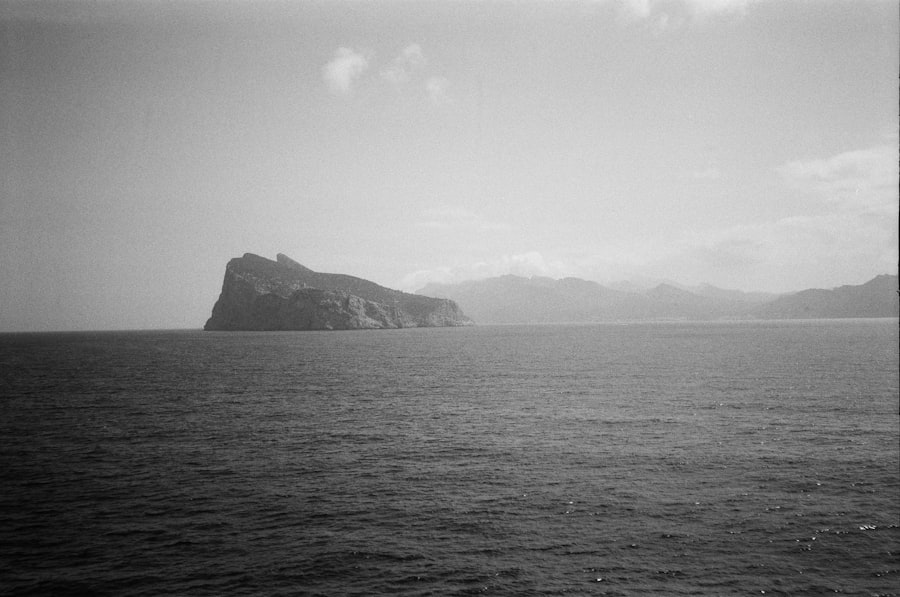
The historical significance of the Drake Passage cannot be overstated. Named after Sir Francis Drake, who navigated these waters in the late 16th century, this passage has been a crucial route for explorers seeking to reach Antarctica and beyond. It has served as a gateway for scientific expeditions and commercial shipping alike.
The passage’s treacherous conditions have also led to numerous shipwrecks throughout history, adding to its mystique and allure. Navigators have long regarded it as one of the most challenging maritime routes in the world. Similarly, the Cape of Good Hope has played a pivotal role in maritime history.
Discovered by Portuguese explorer Bartolomeu Dias in 1488, it was initially seen as a critical point for ships traveling to India and the East Indies. The Cape became a vital resupply station for European vessels during the Age of Exploration, facilitating trade routes that would shape global commerce. Over time, it evolved into a symbol of adventure and exploration, attracting countless sailors who sought to conquer its waters.
The rich tapestry of history woven around both locations underscores their importance in understanding human navigation and exploration.
Challenges and Hazards of Navigating the Drake Passage
| Challenges and Hazards | Description |
|---|---|
| Strong Winds | The Drake Passage is known for its strong westerly winds, which can create rough seas and challenging sailing conditions. |
| High Waves | The combination of strong winds and currents in the Drake Passage can lead to high waves, making navigation difficult. |
| Rapid Weather Changes | The weather in the Drake Passage can change rapidly, with sudden shifts in temperature, wind speed, and visibility. |
| Narrow Passage | The narrowness of the Drake Passage can lead to congestion and limited maneuvering space for vessels, increasing the risk of collisions. |
| Icy Conditions | Icebergs and sea ice are common in the Drake Passage, posing a hazard to navigation and requiring careful monitoring. |
Navigating the Drake Passage presents numerous challenges that have tested even the most seasoned mariners. The unpredictable weather patterns are perhaps the most daunting aspect; storms can arise suddenly, creating towering waves that can reach heights of 30 feet or more. These conditions can make sailing treacherous, leading to capsizing or other maritime disasters.
Additionally, strong currents can create hazardous situations for vessels attempting to traverse this narrow stretch of water. Another significant challenge lies in the isolation of the Drake Passage. With limited access to ports or safe havens along its route, vessels must be well-prepared for emergencies.
The remoteness means that rescue operations can be complicated and time-consuming, further heightening the risks associated with navigation. Mariners must possess not only technical sailing skills but also an understanding of meteorological patterns and ocean currents to successfully navigate this formidable passage.
Challenges and Hazards of Navigating the Cape of Good Hope
While the Cape of Good Hope is often viewed as a picturesque destination, it too presents its own set of navigational challenges. The convergence of warm and cold ocean currents creates unpredictable sea conditions that can lead to sudden squalls or rough seas. Sailors must remain vigilant as they approach this landmark, as visibility can be severely reduced due to fog or storms that roll in unexpectedly.
Moreover, the rocky coastline surrounding the Cape poses additional hazards for vessels attempting to navigate its waters. Numerous shipwrecks have occurred over the centuries due to navigational errors or adverse weather conditions. The presence of reefs and submerged rocks further complicates navigation in this area.
As such, mariners must exercise caution and employ advanced navigational techniques to ensure safe passage around this iconic point.
Wildlife and Natural Beauty of the Drake Passage
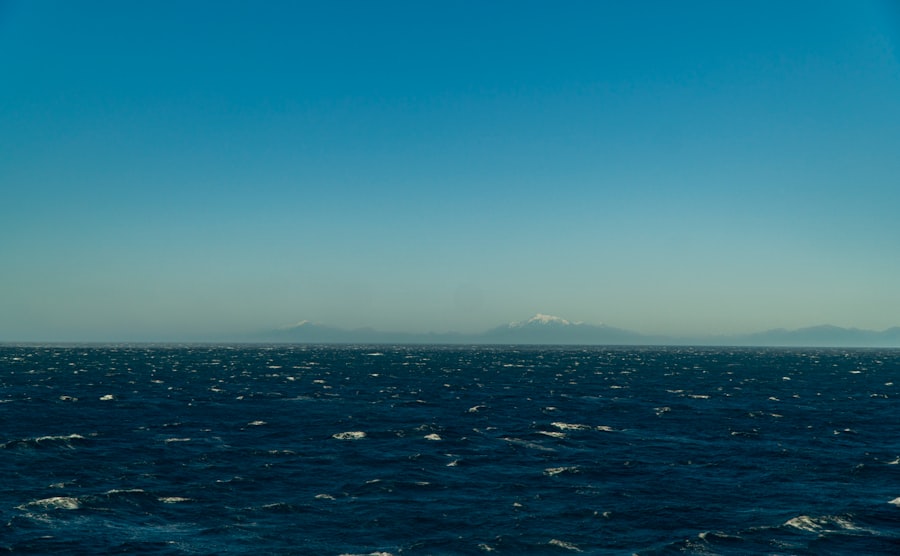
The Drake Passage is not only known for its challenging navigation but also for its remarkable wildlife and stunning natural beauty.
These majestic creatures often migrate through the passage, providing opportunities for wildlife enthusiasts to witness their grandeur up close.
In addition to marine mammals, seabirds such as albatrosses and petrels are commonly seen soaring above the waves. Their graceful flight patterns add to the breathtaking scenery that surrounds this passage. Icebergs drifting from Antarctica further enhance the visual spectacle, creating a stark contrast against the deep blue waters.
The combination of wildlife and dramatic landscapes makes the Drake Passage a captivating destination for those seeking adventure in nature.
Wildlife and Natural Beauty of the Cape of Good Hope
The Cape of Good Hope is equally renowned for its diverse wildlife and stunning landscapes. The region is home to an array of flora and fauna unique to its Mediterranean climate. Visitors can explore lush fynbos vegetation, which boasts an impressive variety of plant species found nowhere else on Earth.
This biodiversity is not only visually striking but also ecologically significant. Wildlife enthusiasts flock to this area to observe African penguins waddling along the beaches or baboons roaming freely in their natural habitat. The waters surrounding the Cape are teeming with marine life as well; seals bask on rocky outcrops while dolphins playfully swim alongside boats.
The breathtaking cliffs and panoramic views from various vantage points create an unforgettable backdrop for anyone visiting this remarkable location.
Modern Navigation Technology and Safety Measures
In recent years, advancements in navigation technology have significantly improved safety measures for those traversing both the Drake Passage and Cape of Good Hope. Modern vessels are equipped with sophisticated GPS systems that provide real-time positioning data, allowing sailors to navigate with greater accuracy than ever before. Additionally, weather forecasting technology has become increasingly reliable, enabling mariners to anticipate changing conditions and plan their routes accordingly.
Safety protocols have also evolved to address the unique challenges posed by these maritime regions. Many vessels now carry emergency equipment such as life rafts, satellite communication devices, and advanced medical supplies to ensure preparedness in case of emergencies. Training programs for crew members emphasize safety practices specific to navigating these challenging waters, fostering a culture of vigilance among sailors.
Cultural and Tourist Attractions in the Surrounding Areas
Both the Drake Passage and Cape of Good Hope are surrounded by rich cultural heritage and tourist attractions that enhance their appeal as travel destinations. In South America, towns like Ushuaia serve as gateways to Antarctic exploration while offering visitors opportunities to experience local culture through museums, restaurants, and outdoor activities such as hiking or kayaking. At the Cape of Good Hope, visitors can explore historical sites like the Cape Point Lighthouse or take scenic drives along coastal routes that showcase breathtaking views of cliffs meeting crashing waves below.
Nature reserves provide opportunities for hiking trails where one can immerse themselves in stunning landscapes while observing wildlife up close. These cultural experiences complement the natural beauty found in both regions, making them popular destinations for travelers seeking adventure and enrichment.
Tips for Navigating the Drake Passage and Cape of Good Hope
For those planning a journey through either the Drake Passage or around the Cape of Good Hope, preparation is key to ensuring a safe and enjoyable experience. It is advisable to check weather forecasts regularly before embarking on any voyage; understanding potential conditions can help sailors make informed decisions about their routes. Additionally, investing in quality navigational equipment is essential for safe passage through these challenging waters.
Mariners should familiarize themselves with local charts and be aware of any navigational hazards specific to their chosen route. Finally, maintaining open communication with other vessels in the area can provide valuable insights into current conditions or potential dangers ahead.
Choosing the Best Route for Your Journey
In conclusion, both the Drake Passage and Cape of Good Hope offer unique challenges and breathtaking beauty that captivate adventurers from around the globe. Each location holds historical significance while presenting distinct geographic features that influence navigation strategies. As modern technology continues to enhance safety measures for mariners traversing these waters, travelers are encouraged to embrace both locations’ rich cultural heritage and natural wonders.
Ultimately, choosing between these two iconic maritime routes depends on individual preferences—whether one seeks thrilling encounters with wildlife in turbulent seas or desires picturesque landscapes along rocky coastlines filled with diverse ecosystems. Regardless of choice, both journeys promise unforgettable experiences that celebrate humanity’s enduring connection with nature’s vast oceans.
When discussing the treacherous waters of the Drake Passage and the Cape of Good Hope, it’s fascinating to explore the historical and geographical significance of these maritime routes. Both are renowned for their challenging conditions and have been pivotal in global navigation and trade. For those interested in delving deeper into the intricacies of these passages, a related article can be found on MyGeoQuest. This article provides insights into the unique challenges and historical context of these routes, offering a comprehensive understanding of their roles in maritime history. You can read more about it by visiting this link.
WATCH NOW! Drake Passage: Earth’s Deadliest Waters Revealed
FAQs
What is the Drake Passage?
The Drake Passage is a body of water located between the southern tip of South America and the northern tip of the Antarctic Peninsula. It connects the southwestern part of the Atlantic Ocean with the southeastern part of the Pacific Ocean.
What is the Cape of Good Hope?
The Cape of Good Hope is a rocky headland on the Atlantic coast of the Cape Peninsula in South Africa. It is a significant landmark on the route from the Atlantic Ocean to the Indian Ocean.
Which route is more treacherous, the Drake Passage or the Cape of Good Hope?
The Drake Passage is generally considered to be more treacherous than the Cape of Good Hope. The Drake Passage is known for its rough seas, strong winds, and unpredictable weather, making it one of the most challenging maritime routes in the world.
Which route is more commonly used by ships?
Ships traveling between the Atlantic and Pacific Oceans often use the Cape of Good Hope route due to its relatively calmer waters and more predictable weather conditions compared to the Drake Passage.
What are the main challenges of navigating the Drake Passage?
The main challenges of navigating the Drake Passage include extreme weather conditions, strong winds, rough seas, and the potential for icebergs. These factors make it a challenging and potentially dangerous route for ships to navigate.
What are the main challenges of navigating the Cape of Good Hope?
The main challenges of navigating the Cape of Good Hope include strong winds, unpredictable currents, and the potential for fog and rough seas. While it is generally considered less treacherous than the Drake Passage, it still presents challenges for ships navigating the route.