
The Drake Passage is a body of water located between the southern tip of South America and Antarctica, approximately 800 kilometers wide. It connects the Atlantic and Pacific Oceans and serves as a critical maritime route for vessels traveling to and from the Antarctic region. The passage is named after English explorer Sir Francis Drake, who sailed through these waters in the late 16th century.
The Drake Passage is characterized by strong currents, high winds, and large waves that create challenging navigation conditions. These severe weather patterns have earned it a reputation as one of the world’s most dangerous maritime routes. The passage’s harsh environmental conditions result from its unique geographical position and the convergence of ocean currents in the Southern Ocean.
Despite its treacherous conditions, the Drake Passage remains an essential route for scientific research expeditions and tourism. Researchers study the passage to understand oceanic and climatic phenomena, while tourists traverse it to access Antarctica’s landscapes. As climate change alters global weather patterns, monitoring and understanding the Drake Passage’s dynamics has become increasingly important for maritime safety and environmental conservation efforts.
The treacherous waters of the Drake Passage are known for their unpredictable weather and powerful currents.
Key Takeaways
- The Drake Passage is a critical and challenging maritime route affected by climate change.
- Warming temperatures are altering wildlife patterns and ecosystems in the region.
- Navigational difficulties are increasing due to changing weather and sea conditions.
- Advanced technology and responsible tourism are key to ensuring safe and sustainable crossings.
- Adapting strategies and environmental awareness are essential for the future of Drake Passage navigation.
The impact of climate change on the Drake Passage
Climate change has begun to exert a profound influence on the Drake Passage, altering its physical characteristics and ecological balance. Rising global temperatures have led to increased melting of polar ice caps, contributing to rising sea levels and changing ocean currents. These shifts not only affect the temperature and salinity of the waters within the passage but also have far-reaching implications for marine life and navigation.
The warming waters can lead to more frequent and intense storms, making the already treacherous conditions of the Drake Passage even more perilous for vessels attempting to traverse its waters. Moreover, the changing climate has resulted in a shift in the distribution of marine species within the Drake Passage. As water temperatures rise, certain species may migrate to cooler areas, disrupting established ecosystems and food chains.
This phenomenon poses significant challenges for researchers and conservationists who strive to monitor and protect these delicate environments. The impact of climate change on the Drake Passage is not merely an environmental concern; it also has economic implications for industries reliant on maritime navigation and tourism in this region.
Changes in wildlife and ecosystems
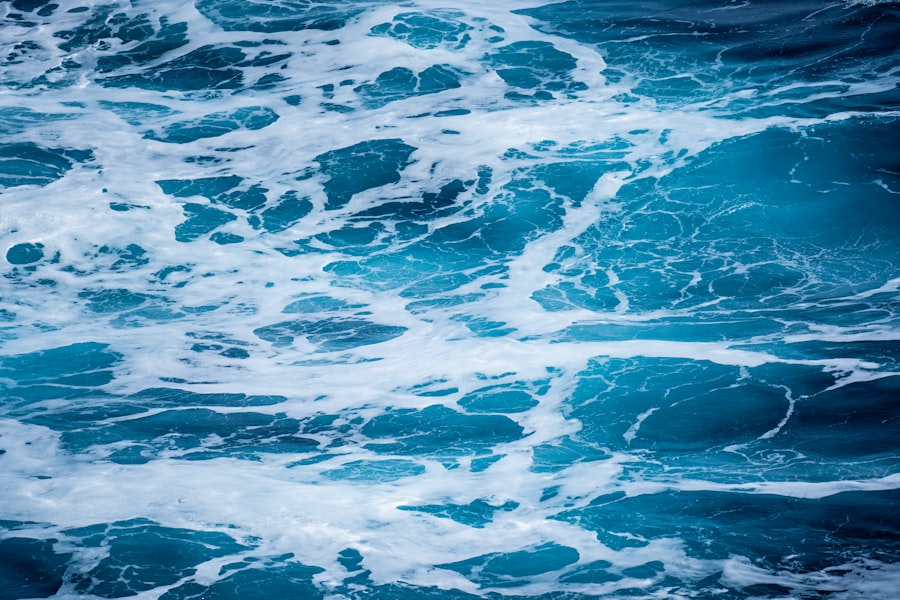
The wildlife inhabiting the waters of the Drake Passage is as diverse as it is fascinating. From majestic whales to playful seals and a myriad of seabirds, this region supports a rich tapestry of marine life. However, as climate change continues to reshape the environment, these ecosystems are undergoing significant transformations.
Warmer waters can lead to shifts in species distribution, with some animals finding it increasingly difficult to adapt to their changing habitats. For instance, krill, a crucial food source for many marine species, may experience population declines or shifts in their breeding patterns due to changing ocean temperatures. Additionally, the alteration of ocean currents can impact nutrient availability in the water column, further affecting marine life.
This disruption can have cascading effects on predator-prey relationships and overall biodiversity within the Drake Passage. Conservationists are increasingly concerned about these changes, as they threaten not only individual species but also the health of entire ecosystems that rely on stable environmental conditions.
Navigational challenges in a warming world
As climate change continues to alter weather patterns and ocean conditions, navigating the Drake Passage presents new challenges for mariners. The increased frequency of severe storms and unpredictable weather events can create hazardous conditions that require heightened vigilance and adaptability from those attempting to cross this formidable stretch of water. The traditional knowledge and experience that sailors have relied upon may no longer be sufficient in a rapidly changing environment.
Furthermore, shifting ice patterns due to warming temperatures can complicate navigation routes. Icebergs that were once predictable in their movements may now drift into shipping lanes unexpectedly, posing significant risks to vessels. Mariners must remain aware of these changes and adapt their navigation strategies accordingly.
The need for real-time data on weather conditions and ice movements has never been more critical as sailors seek to ensure safe passage through this challenging region.
Strategies for safe passage
| Metric | Value | Unit | Notes |
|---|---|---|---|
| Average Sea Surface Temperature Increase (2000-2020) | 0.8 | °C | Measured in the Drake Passage region |
| Annual Sea Ice Extent Reduction | 5 | % per decade | Decline in surrounding Antarctic sea ice |
| Ocean Acidification Rate | 0.02 | pH units per decade | Decrease in surface water pH levels |
| Average Wind Speed Increase | 0.3 | m/s per decade | Stronger westerly winds affecting circulation |
| Changes in Antarctic Circumpolar Current Speed | +5 | % increase | Observed strengthening over recent decades |
| Phytoplankton Biomass Change | -10 | % per decade | Decline linked to warming and acidification |
To navigate the Drake Passage safely in an era of climate change, mariners must employ a variety of strategies that prioritize safety and adaptability. One essential approach is thorough preparation before embarking on a journey through these waters. This includes studying updated weather forecasts, understanding current ocean conditions, and being aware of potential hazards such as icebergs or shifting currents.
Mariners are encouraged to utilize advanced navigation tools that provide real-time data on weather patterns and sea conditions. Additionally, developing contingency plans is crucial for ensuring safety during unexpected situations. This may involve identifying alternative routes or safe havens where vessels can seek refuge during severe weather events.
Training crews to respond effectively to emergencies is also vital; regular drills can help ensure that all personnel are prepared for various scenarios that may arise while navigating the Drake Passage. By prioritizing safety through preparation and adaptability, mariners can enhance their chances of successfully traversing this challenging maritime route.
The role of technology in navigation
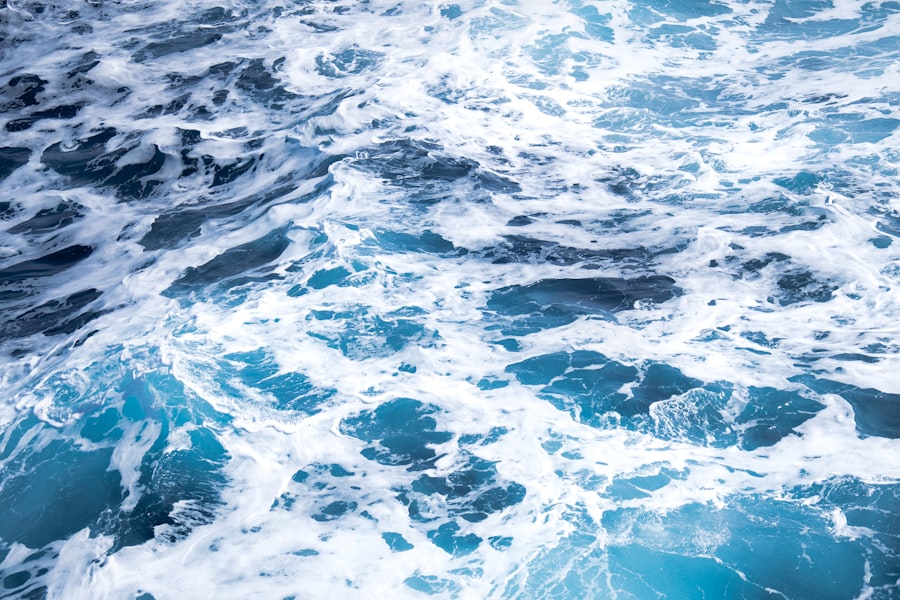
In recent years, advancements in technology have revolutionized navigation practices in challenging environments like the Drake Passage. Modern vessels are equipped with sophisticated navigation systems that utilize satellite technology, radar, and sonar to provide real-time information about weather conditions, sea state, and potential hazards. These tools enable mariners to make informed decisions about their routes and adjust their plans based on current conditions.
Moreover, technology has facilitated improved communication between vessels and shore-based support teams. This connectivity allows for timely updates on weather forecasts and ice movements, enhancing situational awareness for those navigating the passage. Additionally, automated systems can assist with monitoring vessel performance and safety protocols, further reducing risks associated with navigating treacherous waters.
As technology continues to evolve, its role in ensuring safe passage through the Drake Passage will undoubtedly become even more significant.
Environmental considerations for crossing the Drake Passage
Crossing the Drake Passage involves not only navigational challenges but also important environmental considerations that must be taken into account by all vessels operating in this sensitive region. The waters of the passage are home to unique ecosystems that are vulnerable to disturbances from human activity. As such, mariners must adhere to strict environmental regulations designed to minimize their impact on marine life and habitats.
One key consideration is managing waste disposal responsibly while at sea. Vessels must ensure that they do not discharge pollutants or waste materials into the water, as this can harm marine organisms and disrupt delicate ecosystems. Additionally, mariners should be vigilant about avoiding interactions with wildlife; maintaining a safe distance from animals such as whales and seals is essential for their protection.
By prioritizing environmental stewardship during their journeys through the Drake Passage, mariners can contribute to preserving this remarkable region for future generations.
The importance of responsible tourism
Responsible tourism plays a crucial role in preserving the natural beauty and ecological integrity of the Drake Passage while providing opportunities for travelers to experience its wonders firsthand. As interest in Antarctic tourism continues to grow, it is imperative that operators prioritize sustainable practices that minimize their impact on local ecosystems. This includes adhering to guidelines set forth by organizations such as the International Association of Antarctica Tour Operators (IAATO), which promotes responsible tourism practices in polar regions.
Tour operators should educate travelers about the unique environment they are visiting and encourage them to respect wildlife and natural habitats during their excursions. By fostering a sense of stewardship among tourists, operators can help ensure that future generations will be able to enjoy the breathtaking landscapes and diverse wildlife that characterize the Drake Passage. Responsible tourism not only benefits local ecosystems but also enhances travelers’ experiences by deepening their understanding of the importance of conservation efforts in this fragile region.
The future of navigating the Drake Passage
The future of navigating the Drake Passage will undoubtedly be shaped by ongoing changes in climate and technology. As global temperatures continue to rise, mariners will need to adapt their practices to account for shifting weather patterns and ocean conditions. This may involve developing new navigation strategies that prioritize safety while minimizing environmental impact.
Innovations such as autonomous vessels equipped with advanced sensors could revolutionize how ships navigate through treacherous waters like those found in the Drake Passage. As researchers continue to study climate change’s effects on marine ecosystems, they will provide valuable insights that inform best practices for safe navigation while preserving environmental integrity.
Tips for travelers crossing the Drake Passage
For travelers planning to cross the Drake Passage, preparation is key to ensuring a safe and enjoyable journey. First and foremost, it is essential to choose a reputable tour operator that prioritizes safety and environmental responsibility. Researching operators’ credentials and reading reviews from previous travelers can help ensure a positive experience.
Additionally, travelers should pack appropriately for varying weather conditions; layers are recommended due to rapidly changing temperatures in this region. Bringing seasickness medication is also advisable, as many passengers experience discomfort during rough crossings. Finally, maintaining an open mind and a sense of adventure will enhance travelers’ experiences as they navigate one of the world’s most iconic maritime routes.
Navigating the Drake Passage in a changing climate
Navigating the Drake Passage presents both challenges and opportunities in an era marked by climate change. As mariners adapt their practices to account for shifting weather patterns and evolving ecosystems, they must prioritize safety while remaining mindful of their environmental impact. The role of technology will continue to grow in importance as it enhances navigation capabilities and facilitates responsible tourism practices.
Ultimately, understanding the complexities of this remarkable body of water is essential for ensuring its preservation for future generations. By fostering a culture of stewardship among travelers and operators alike, there is hope that the beauty and biodiversity of the Drake Passage will endure amidst a changing climate. As adventurers set sail across these storied waters, they carry with them not only a sense of wonder but also a responsibility to protect this extraordinary environment for years to come.
The Drake Passage, a vital waterway between South America and Antarctica, is experiencing significant changes due to climate change, impacting marine ecosystems and global weather patterns. For a deeper understanding of these changes and their implications, you can read more in the article on MyGeoQuest, which explores the effects of a changing climate on various geographical features. Check it out here: MyGeoQuest.
WATCH THIS 🛑 Drake Passage: Earth’s Deadliest Waters Revealed
FAQs
What is the Drake Passage?
The Drake Passage is a body of water located between the southern tip of South America (Cape Horn) and the northern tip of the Antarctic Peninsula. It connects the southwestern part of the Atlantic Ocean with the southeastern part of the Pacific Ocean and is known for its strong currents and rough seas.
Why is the Drake Passage important in the global climate system?
The Drake Passage plays a crucial role in the global climate system as it is a key conduit for the Antarctic Circumpolar Current (ACC), which circulates cold water around Antarctica. This current helps regulate global ocean temperatures, influences weather patterns, and supports the global thermohaline circulation, which distributes heat and nutrients worldwide.
How is climate change affecting the Drake Passage?
Climate change is impacting the Drake Passage by altering water temperatures, salinity, and ice cover. Warming temperatures can affect the strength and patterns of the Antarctic Circumpolar Current, potentially disrupting marine ecosystems and global ocean circulation. Melting Antarctic ice also contributes to changes in sea level and ocean chemistry in the region.
What are the ecological impacts of changes in the Drake Passage?
Changes in the Drake Passage can affect marine biodiversity, including krill populations, fish, and marine mammals that depend on the region’s unique ecosystem. Altered water temperatures and currents can impact breeding, feeding, and migration patterns, potentially threatening species that are adapted to cold Antarctic waters.
How do scientists study the Drake Passage and its response to climate change?
Scientists use a combination of satellite observations, oceanographic research vessels, autonomous underwater vehicles, and climate models to study the Drake Passage. These tools help monitor changes in water temperature, salinity, currents, and ice cover, providing data to understand how the region is responding to climate change.
Can changes in the Drake Passage affect global weather patterns?
Yes, because the Drake Passage is integral to the Antarctic Circumpolar Current and global ocean circulation, changes in this region can influence weather and climate patterns worldwide. Disruptions in ocean currents can affect heat distribution, potentially impacting weather systems in the Southern Hemisphere and beyond.
What role does the Drake Passage play in carbon cycling?
The Drake Passage contributes to global carbon cycling by facilitating the exchange of carbon dioxide between the ocean and atmosphere. The cold waters around Antarctica absorb significant amounts of CO2, and changes in ocean circulation and temperature in the Drake Passage can influence the ocean’s capacity to sequester carbon.
Is the Drake Passage becoming more navigable due to climate change?
Warming temperatures and reduced sea ice in the Southern Ocean may increase navigability in the Drake Passage during certain times of the year. However, the region remains challenging to navigate due to strong currents, rough seas, and unpredictable weather, and these conditions may be further influenced by climate change.