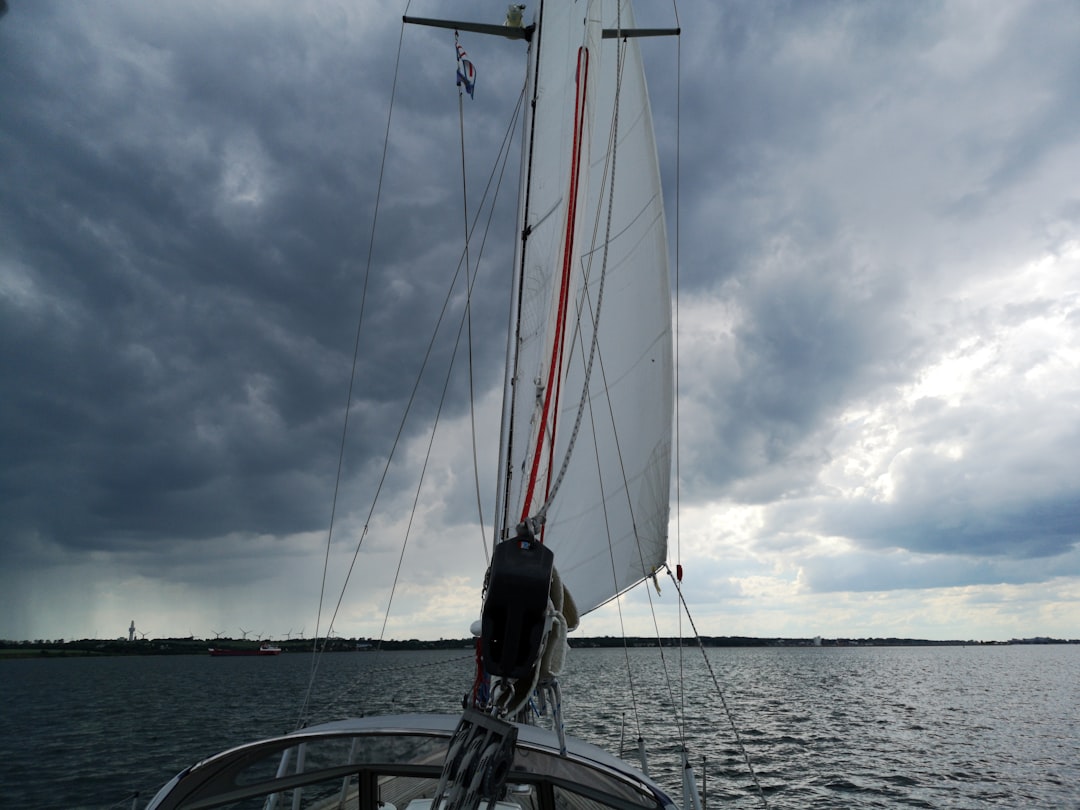
The Drake Passage is a body of water approximately 600 miles wide that separates South America from Antarctica. It is named after Sir Francis Drake, the English sea captain who sailed through these waters in the late 16th century. The passage serves as a critical maritime route for vessels traveling to Antarctica and represents a vital corridor for marine life and scientific research.
The Drake Passage is characterized by challenging oceanic conditions. The waters experience rough seas and unpredictable weather patterns, with waves frequently exceeding 30 feet during storms. These severe conditions result from the absence of land barriers, which allows winds to travel across the open ocean without obstruction.
The confluence of the Atlantic and Pacific Oceans in this region creates a unique ecosystem of significant interest to oceanographers and researchers. Navigation through the Drake Passage requires careful preparation and planning. Mariners may encounter rapidly changing conditions, ranging from relatively calm seas to severe gales within short time periods.
Understanding the passage’s characteristics, including its weather patterns and oceanic conditions, is essential for safe passage. Proper preparation, including vessel maintenance, crew training, and weather monitoring, is necessary for those undertaking this journey.
Key Takeaways
- The Drake Passage is a challenging and unique maritime route requiring careful preparation and understanding.
- Selecting the appropriate vessel and packing essential gear are crucial for a safe and comfortable journey.
- Awareness of safety protocols and weather conditions helps ensure passenger safety throughout the passage.
- Opportunities to observe wildlife and engage in onboard activities enrich the travel experience.
- Connecting with crew and fellow travelers enhances learning and reflection during and after the voyage.
Choosing the Right Vessel
Selecting the appropriate vessel for traversing the Drake Passage is a critical decision that can significantly impact the overall experience. Various types of ships are available, ranging from large cruise liners to smaller expedition vessels. Larger ships often provide more amenities and comfort, catering to those who prefer a more luxurious experience.
However, they may not be as agile in navigating the unpredictable waters of the passage. On the other hand, smaller vessels offer a more intimate setting and greater maneuverability, allowing for closer encounters with wildlife and more direct routes to remote destinations. When choosing a vessel, travelers should consider their personal preferences and comfort levels.
Some may prioritize stability and amenities, while others may seek adventure and a more rugged experience. Additionally, it is essential to research the crew’s expertise and the ship’s safety features. A well-trained crew familiar with the challenges of the Drake Passage can make all the difference in ensuring a smooth journey.
Ultimately, the right vessel will align with the adventurer’s goals, whether they seek relaxation or an immersive exploration of one of the world’s most remote regions. The treacherous waters of the Drake Passage are known for their unpredictable weather and powerful currents.
Packing Essentials for the Journey

Packing for a journey across the Drake Passage requires careful consideration of both comfort and practicality. The unpredictable weather conditions necessitate layers of clothing that can be easily added or removed as temperatures fluctuate. Waterproof outer layers are essential to protect against rain and sea spray, while thermal undergarments provide warmth during colder moments.
Sturdy footwear is also crucial, as travelers will likely encounter wet decks and slippery surfaces on board.
A good quality camera is also recommended for capturing the stunning landscapes and wildlife that can be encountered along the way.
Personal items such as medications, toiletries, and any necessary travel documents should be organized and easily accessible. By preparing thoughtfully, travelers can ensure they have everything they need for an enjoyable and comfortable journey across this remarkable passage.
Safety Precautions and Emergency Protocols
Safety should always be a top priority when embarking on an adventure through the Drake Passage. Before setting sail, travelers should familiarize themselves with the vessel’s safety protocols and emergency procedures. This includes understanding how to use life jackets, knowing evacuation routes, and being aware of emergency contact information.
In addition to onboard safety measures, it is wise for travelers to stay informed about weather conditions and potential hazards during their journey. The crew will provide updates on sea conditions and any necessary precautions to take while on deck.
Passengers should also be encouraged to communicate openly with crew members about any concerns or questions they may have regarding safety protocols. By remaining vigilant and informed, adventurers can significantly enhance their safety while navigating the unpredictable waters of the Drake Passage.
Navigating the Weather and Sea Conditions
| Metric | Value | Notes |
|---|---|---|
| Distance | 800 km (500 miles) | Approximate width of the Drake Passage |
| Average Crossing Time | 2 to 4 days | Depends on vessel type and weather conditions |
| Sea Conditions | Very rough | Known for strong winds and large waves |
| Water Temperature | 0 to 5 °C (32 to 41 °F) | Cold waters of the Southern Ocean |
| Common Wildlife Sightings | Albatross, whales, seals, penguins | Marine life typical of Southern Ocean |
| Latitude Range | Approximately 55°S to 65°S | Between South America and Antarctica |
| Typical Wind Speeds | 20 to 40 knots | Strong westerly winds common |
| Navigation Challenges | Icebergs, strong currents, unpredictable weather | Requires experienced crew and sturdy vessels |
The weather in the Drake Passage can change rapidly, presenting both challenges and opportunities for those on board. Understanding how to navigate these conditions is essential for a successful journey. Travelers should be prepared for everything from bright sunshine to heavy rain and strong winds within a short span of time.
The crew will monitor weather patterns closely and provide updates to ensure passengers are aware of any changes that may affect their plans. Adventurers should also be mindful of how sea conditions can impact their experience. Rough seas may lead to seasickness for some individuals, so it is advisable to bring along motion sickness remedies or consult with a physician before departure.
On calmer days, however, travelers may have the chance to enjoy outdoor activities such as whale watching or bird spotting. By staying adaptable and open-minded about changing conditions, passengers can make the most of their time in this extraordinary maritime environment.
Wildlife Spotting Opportunities

One of the most thrilling aspects of traversing the Drake Passage is the opportunity to observe diverse wildlife in their natural habitats. The waters are teeming with marine life, including various species of whales, seals, and seabirds. Adventurers may have the chance to spot majestic humpback whales breaching or playful dolphins riding the bow waves of the ship.
The region is also home to numerous seabird species, such as albatrosses and petrels, which can often be seen gliding gracefully above the waves. To maximize wildlife spotting opportunities, travelers should remain vigilant and keep their cameras ready at all times. Crew members are typically knowledgeable about local wildlife patterns and can provide insights on where to look for specific species.
Additionally, participating in guided excursions or lectures on marine biology can enhance understanding and appreciation of the unique ecosystems encountered during the journey. The thrill of witnessing these magnificent creatures in their natural environment adds an unforgettable dimension to any adventure across the Drake Passage.
Onboard Activities and Entertainment
While traversing the Drake Passage can be an exhilarating experience filled with breathtaking views and wildlife encounters, there are also plenty of onboard activities designed to keep passengers engaged during their journey. Many vessels offer educational programs led by experts in various fields such as marine biology, geology, and history. These presentations provide valuable insights into the unique environment of the passage and its significance in global ecology.
In addition to educational opportunities, travelers can enjoy recreational activities such as yoga classes or fitness sessions designed to help them stay active during their voyage. Social gatherings in lounges or dining areas allow passengers to connect with fellow adventurers over shared experiences and stories from their travels. Evening entertainment may include movie screenings or themed dinners that celebrate local culture and cuisine.
By participating in these activities, travelers can enrich their journey while forming lasting connections with others on board.
Capturing the Experience: Photography Tips
For many adventurers crossing the Drake Passage, capturing stunning photographs is an essential part of their journey. The dramatic landscapes and unique wildlife present countless opportunities for memorable shots. To make the most of these moments, travelers should consider investing in a good quality camera with versatile lenses that can handle varying light conditions.
A tripod can also be beneficial for stabilizing shots during rough seas or low-light situations. When photographing wildlife, patience is key. Observing animal behavior before snapping pictures can lead to more dynamic images that capture their essence.
Additionally, understanding composition techniques—such as using leading lines or framing subjects—can elevate photographs from ordinary to extraordinary. Adventurers should also take advantage of golden hour lighting during sunrise or sunset for breathtaking landscape shots that showcase the beauty of this remote region. By employing these photography tips, travelers can create lasting memories of their incredible journey through the Drake Passage.
Connecting with Fellow Adventurers
One of the most rewarding aspects of traveling through the Drake Passage is the opportunity to connect with fellow adventurers from around the world. Shared experiences often foster camaraderie among passengers as they navigate this remarkable journey together. Engaging in conversations during meals or participating in group activities can lead to meaningful friendships that extend beyond the voyage itself.
Travelers may find that discussing their motivations for embarking on this adventure opens up deeper connections with others who share similar interests or passions for exploration. Whether bonding over wildlife sightings or exchanging travel stories during downtime on deck, these interactions enrich the overall experience of crossing the Drake Passage. By embracing opportunities to connect with fellow adventurers, travelers can create lasting memories that enhance their journey.
Learning from Experienced Crew Members
The crew members aboard vessels traversing the Drake Passage are often seasoned professionals with extensive knowledge about both navigation and local ecosystems. Engaging with these experienced individuals provides valuable insights into not only safety protocols but also environmental conservation efforts in this fragile region. Passengers are encouraged to ask questions about their experiences at sea or seek advice on how best to appreciate their surroundings.
Many crew members are passionate about sharing their expertise through informal discussions or organized lectures throughout the journey. These interactions allow travelers to gain a deeper understanding of maritime navigation techniques as well as ecological challenges facing marine life in Antarctic waters. By learning from those who have dedicated their careers to exploring this unique environment, adventurers can enhance their appreciation for both nature’s wonders and human ingenuity.
Reflecting on the Journey: Post-Passage Considerations
As travelers complete their journey across the Drake Passage, it is essential to take time for reflection on their experiences. This reflection may involve reviewing photographs taken during the voyage or journaling about memorable moments encountered along the way. Such practices not only help solidify memories but also encourage personal growth through contemplation of what was learned throughout this adventure.
Additionally, sharing stories with friends or family back home can extend the impact of this remarkable journey beyond its conclusion. Whether through social media posts or casual conversations over dinner parties, recounting experiences fosters connections between individuals who may not have had similar opportunities themselves. Ultimately, reflecting on one’s time spent navigating one of Earth’s most awe-inspiring passages allows adventurers to carry forward lessons learned while inspiring others to embark on their own explorations in nature’s grandeur.
Sailing through the Drake Passage is an exhilarating experience that offers adventurers a unique glimpse into the raw beauty of the Southern Ocean. For those interested in learning more about this remarkable journey, you can read a related article that delves into the challenges and wonders of navigating these treacherous waters. Check it out here: Drake Passage Adventures.
WATCH THIS 🛑 Drake Passage: Earth’s Deadliest Waters Revealed
FAQs
What is the Drake Passage?
The Drake Passage is a body of water located between the southern tip of South America (Cape Horn) and the northern tip of the Antarctic Peninsula. It connects the southwestern part of the Atlantic Ocean with the southeastern part of the Pacific Ocean and the Southern Ocean.
Why is sailing through the Drake Passage challenging?
Sailing through the Drake Passage is challenging due to its notoriously rough seas, strong winds, and unpredictable weather conditions. The passage is known for large waves and powerful currents, making navigation difficult and sometimes dangerous.
How long does it typically take to sail through the Drake Passage?
The duration of a sailing trip through the Drake Passage varies depending on the vessel and weather conditions but generally takes between 24 to 48 hours.
What types of vessels commonly sail through the Drake Passage?
Various vessels sail through the Drake Passage, including research ships, expedition cruise vessels, and cargo ships. Many Antarctic tour operators use specially designed expedition ships to navigate the passage safely.
Is it possible to experience seasickness when sailing through the Drake Passage?
Yes, due to the rough sea conditions and strong swells, seasickness is common among passengers sailing through the Drake Passage. It is advisable to take preventive measures such as medication or natural remedies before the journey.
What wildlife can be seen while sailing through the Drake Passage?
While sailing through the Drake Passage, travelers may observe various marine wildlife, including seabirds like albatrosses and petrels, as well as marine mammals such as whales, seals, and dolphins.
When is the best time to sail through the Drake Passage?
The best time to sail through the Drake Passage is during the Southern Hemisphere’s summer months, from November to March, when weather conditions are relatively milder and daylight hours are longer.
Are there safety measures in place for sailing through the Drake Passage?
Yes, vessels sailing through the Drake Passage are equipped with advanced navigation and safety equipment. Crews are trained to handle the challenging conditions, and passengers are briefed on safety protocols before the journey.
Can the Drake Passage be crossed by air?
While the Drake Passage itself is a sea route, there are flights available between South America and Antarctica that avoid the sea crossing. However, many travelers prefer the sea voyage for the experience and wildlife viewing opportunities.
What is the significance of the Drake Passage in global ocean circulation?
The Drake Passage plays a crucial role in global ocean circulation as it is the narrowest passage connecting the Atlantic, Pacific, and Southern Oceans. It allows the Antarctic Circumpolar Current to flow uninterrupted, influencing global climate and marine ecosystems.