
The Drake Passage, a body of water situated between the southern tip of South America and Antarctica, is renowned for its tumultuous seas and unpredictable weather patterns. Spanning approximately 800 kilometers (500 miles) in width, it serves as a critical maritime route for vessels traveling to and from the Antarctic region. Named after the English explorer Sir Francis Drake, who navigated these waters in the late 16th century, the passage is often characterized by its fierce currents and high waves, making it both a formidable challenge and a vital corridor for maritime exploration.
This passage is not merely a geographical feature; it plays a significant role in global oceanic circulation. The confluence of the Atlantic, Pacific, and Southern Oceans creates a unique environment that influences weather patterns far beyond its immediate vicinity. The mixing of these waters contributes to the rich biodiversity found in the surrounding regions, making it an area of interest for scientists and researchers alike.
Understanding the Drake Passage is essential for anyone venturing into these waters, as it sets the stage for the challenges and experiences that lie ahead.
Key Takeaways
- The Drake Passage is a body of water between South America’s Cape Horn and the South Shetland Islands of Antarctica, known for its challenging sailing conditions.
- Weather and sea conditions in the Drake Passage can be extremely unpredictable, with strong winds, high waves, and rapidly changing weather patterns.
- Navigating the Drake Passage presents challenges such as icebergs, strong currents, and the need for constant vigilance and precise navigation.
- Safety precautions for navigating the Drake Passage include thorough emergency drills, experienced crew members, and well-maintained vessels equipped with modern safety technology.
- Experience and expertise are crucial for navigating the Drake Passage safely, as well as effective communication and coordination among crew members and with other vessels in the area.
Weather and Sea Conditions
The weather conditions in the Drake Passage are notoriously volatile, with rapid changes that can occur within minutes. Sailors and travelers often describe the passage as experiencing “four seasons in one day,” where sunny skies can quickly give way to fierce storms. The region is influenced by the Antarctic Circumpolar Current, which flows continuously around Antarctica and contributes to the high winds and rough seas that characterize this area.
These conditions can lead to waves that reach heights of up to 15 meters (50 feet), creating a daunting environment for even the most seasoned mariners. In addition to the physical challenges posed by the weather, the psychological impact on those traversing the passage should not be underestimated. The unpredictability of the sea can induce anxiety among passengers, particularly those who are unaccustomed to such conditions.
Understanding the typical weather patterns and being prepared for sudden changes is crucial for ensuring a safe and enjoyable journey. Mariners must remain vigilant and adaptable, ready to respond to the whims of nature as they navigate this formidable stretch of water.
Navigational Challenges
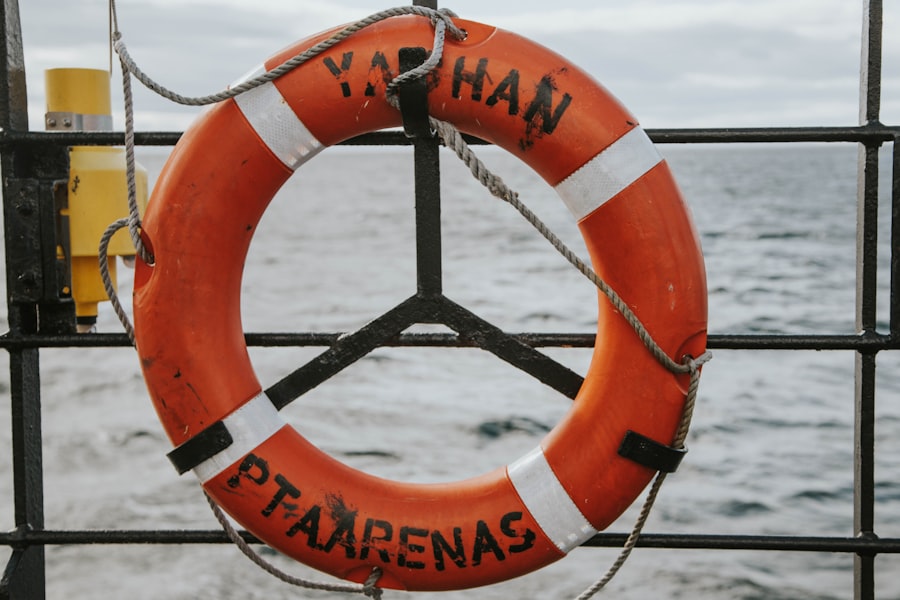
Navigating the Drake Passage presents a unique set of challenges that require skill, experience, and a deep understanding of maritime navigation. The combination of strong currents, shifting winds, and unpredictable weather can create treacherous conditions that test even the most adept navigators. The passage is also home to numerous underwater features, including submerged rocks and shallow areas that can pose additional hazards to vessels.
As such, careful planning and precise navigation are essential for ensuring safe passage through these waters. Modern technology has greatly enhanced navigational capabilities, yet traditional seamanship remains invaluable in this challenging environment. Experienced captains often rely on their instincts and knowledge of the sea, using both electronic navigation systems and time-honored techniques to chart their course.
The ability to read the ocean’s surface and anticipate changes in weather patterns is crucial for avoiding potential dangers. Ultimately, successful navigation through the Drake Passage requires a harmonious blend of technology and traditional skills.
Safety Precautions
| Safety Precautions | Metrics |
|---|---|
| Number of safety inspections conducted | 100 |
| Number of safety training sessions held | 50 |
| Number of safety incidents reported | 10 |
| Percentage of employees trained in safety procedures | 95% |
Given the inherent risks associated with traversing the Drake Passage, safety precautions are paramount for both crew members and passengers. Vessels must be equipped with state-of-the-art safety equipment, including life rafts, emergency beacons, and communication devices that can function in extreme conditions. Crew training is equally important; regular drills ensure that all personnel are prepared to respond effectively in emergencies, whether they involve severe weather or mechanical failures.
Passengers should also be educated about safety protocols before embarking on their journey. This includes understanding how to properly use safety equipment, recognizing signs of distress, and knowing evacuation procedures. Additionally, maintaining open lines of communication between crew and passengers fosters a sense of security and preparedness.
By prioritizing safety measures and ensuring that everyone on board is informed and ready, the risks associated with navigating the Drake Passage can be significantly mitigated.
Importance of Experience
Experience plays a crucial role in successfully navigating the Drake Passage. Veteran sailors possess an intimate knowledge of the waters, having faced various challenges over their careers. Their understanding of local weather patterns, sea currents, and potential hazards allows them to make informed decisions that can mean the difference between a smooth passage and a perilous journey.
This wealth of experience is often passed down through generations of mariners, creating a rich tapestry of knowledge that informs current practices. Moreover, experienced crew members can provide invaluable support to less seasoned travelers. Their ability to remain calm under pressure can help alleviate anxiety among passengers who may be apprehensive about crossing such a notorious stretch of water.
By fostering an environment of trust and confidence, experienced sailors contribute not only to the safety of the voyage but also to an enriching experience for all on board.
Communication and Coordination

Effective communication and coordination are essential components of navigating the Drake Passage safely. Given the unpredictable nature of the weather and sea conditions, maintaining constant communication between crew members is vital for ensuring that everyone is aware of potential hazards and changes in plans. This includes regular updates on weather forecasts, sea conditions, and any navigational adjustments that may be necessary.
Coordination extends beyond the vessel itself; it also involves collaboration with other ships in the area as well as shore-based support teams. Sharing information about current conditions can enhance safety for all vessels operating in the passage. Additionally, having a well-defined chain of command ensures that decisions can be made swiftly and efficiently in response to changing circumstances.
In this challenging environment, clear communication can be a lifeline that helps navigate both physical obstacles and human uncertainties.
Wildlife and Environmental Considerations
The Drake Passage is not only a challenging maritime route but also a vital ecosystem teeming with diverse wildlife. The nutrient-rich waters support an array of marine life, including seals, whales, and various species of seabirds.
However, it is essential to approach wildlife observation with respect and caution to minimize human impact on these fragile ecosystems. Environmental considerations are paramount when navigating through such pristine waters. Vessels must adhere to strict regulations designed to protect marine life and habitats from pollution and disturbance.
This includes proper waste disposal practices and measures to prevent oil spills or other contaminants from entering the ocean. By prioritizing environmental stewardship, mariners can help preserve the natural beauty of the Drake Passage for future generations while enjoying its unique offerings.
Historical Significance
The historical significance of the Drake Passage cannot be overstated. It has long been a critical route for explorers seeking to uncover the mysteries of Antarctica and has played a pivotal role in maritime history. Sir Francis Drake’s expeditions in the late 1500s marked one of the first European encounters with these treacherous waters, paving the way for future exploration and scientific research.
In more recent times, the passage has become synonymous with adventure tourism as travelers seek to experience its raw beauty firsthand. The stories of those who have braved its waters contribute to a rich narrative that continues to evolve today. Understanding this historical context adds depth to any journey through the Drake Passage, reminding travelers that they are partaking in an age-old tradition of exploration and discovery.
Tips for Passengers
For those preparing to embark on a journey through the Drake Passage, several tips can enhance their experience. First and foremost, travelers should pack appropriately for varying weather conditions; layers are essential as temperatures can fluctuate dramatically throughout the day. Additionally, seasickness can be a concern for many passengers; bringing along motion sickness remedies or preventative medications can help mitigate discomfort during rough seas.
Engaging with crew members can also enrich the experience; they often have fascinating stories to share about their time navigating these waters. Participating in onboard lectures or discussions about wildlife and environmental conservation can provide valuable insights into the region’s significance. Ultimately, being well-prepared and open-minded will allow passengers to fully appreciate their journey through this remarkable passage.
The Role of Technology
Technology has revolutionized maritime navigation in recent years, providing tools that enhance safety and efficiency when traversing challenging waters like the Drake Passage. Advanced GPS systems allow for precise positioning, while sophisticated weather forecasting tools enable sailors to anticipate changes in conditions more accurately than ever before. These technological advancements have significantly reduced risks associated with navigating this notorious stretch of water.
However, while technology plays an essential role in modern navigation, it is important not to overlook traditional seamanship skills. Experienced mariners understand that technology should complement rather than replace their instincts and knowledge gained from years at sea. The integration of technology with time-honored practices creates a more robust approach to navigating complex environments like the Drake Passage.
The Future of Navigating the Drake Passage
As climate change continues to impact global weather patterns, navigating the Drake Passage may present new challenges in the future. Altered ocean currents and shifting weather systems could lead to even more unpredictable conditions than those currently experienced by mariners today. This underscores the importance of ongoing research into environmental changes affecting this vital waterway.
Innovations in communication systems, navigation tools, and environmental monitoring will enhance safety measures while promoting sustainable practices within this fragile ecosystem. As explorers continue to venture into these waters, understanding both historical context and future implications will be crucial for ensuring safe passage through one of nature’s most formidable corridors.
In the treacherous waters of the Drake Passage, captains face some of the most challenging conditions known to mariners. This narrow stretch of sea between the southern tip of South America and Antarctica is notorious for its unpredictable weather and powerful currents. For those interested in learning more about the geographical significance and the adventurous spirit required to navigate these waters, a related article can be found on MyGeoQuest. This article delves into the history and challenges of the Drake Passage, providing insights into what it takes to be a captain in such a formidable environment. You can read more about it by visiting this page.
WATCH NOW! Drake Passage: Earth’s Deadliest Waters Revealed
FAQs
What is the Drake Passage?
The Drake Passage is the body of water between the southern tip of South America and the northern tip of the Antarctic Peninsula. It is known for its rough seas and challenging sailing conditions.
Who is a Drake Passage captain?
A Drake Passage captain is a skilled and experienced ship captain who is responsible for navigating vessels through the treacherous waters of the Drake Passage.
What are the qualifications of a Drake Passage captain?
A Drake Passage captain typically holds a valid captain’s license, has extensive experience navigating in challenging conditions, and is well-versed in maritime safety and emergency procedures.
What are the challenges of navigating the Drake Passage?
The Drake Passage is known for its strong winds, large waves, and unpredictable weather, making it a challenging and potentially dangerous area for navigation. Captains must be prepared to navigate through these conditions while ensuring the safety of their crew and passengers.
What type of vessels navigate the Drake Passage?
A variety of vessels navigate the Drake Passage, including research vessels, expedition cruise ships, and cargo ships. Each type of vessel requires a skilled captain to safely navigate the passage.
How do Drake Passage captains ensure the safety of their crew and passengers?
Drake Passage captains prioritize safety by closely monitoring weather conditions, maintaining open communication with their crew, and adhering to strict maritime regulations and safety protocols. They also undergo regular training to prepare for emergency situations.