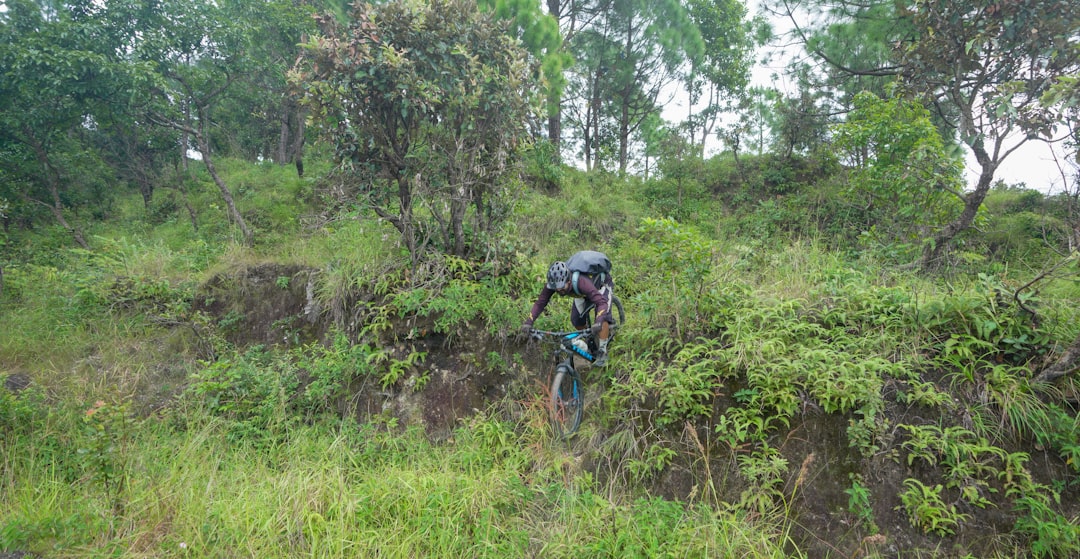
The Darién Gap is a 66-mile (106-kilometer) stretch of undeveloped swampland and forest located on the border between Panama and Colombia. This region represents the only break in the Pan-American Highway, which otherwise extends from Alaska to Argentina. The area consists primarily of dense tropical rainforest, wetlands, and mountainous terrain that has remained largely inaccessible to modern transportation infrastructure.
The region encompasses approximately 5,000 square miles and contains significant biodiversity, including numerous endemic species of plants and animals. The Darién National Park, established in 1980, protects much of the Panamanian portion and has been designated as both a UNESCO World Heritage Site and a UNESCO Biosphere Reserve. The area serves as a critical habitat for jaguars, harpy eagles, and other threatened species.
The Darién Gap has gained international attention as a migration corridor for people traveling from South America toward North America. The terrain presents substantial challenges including river crossings, steep mountain passes, extreme humidity, and limited access to clean water and food sources. The region also faces security concerns related to armed groups and criminal organizations operating in remote areas.
Environmental conditions in the Darién Gap include high annual rainfall exceeding 100 inches, temperatures averaging 80-90°F (27-32°C), and humidity levels often above 90%. The combination of these factors, along with the presence of venomous snakes, disease-carrying insects, and dangerous wildlife, contributes to the area’s reputation as one of the most challenging terrains in the Western Hemisphere.
Key Takeaways
- The Darién Gap is a challenging region characterized by dense rainforests, swamps, and mountainous terrain.
- Unpredictable weather and dangerous wildlife add to the difficulty of traversing the area.
- There is a significant lack of infrastructure, services, and reliable navigation or communication systems.
- Remote and isolated locations make access and emergency response extremely difficult.
- Safety and security concerns are heightened due to natural hazards and limited oversight.
Dense Rainforest Terrain
The dense rainforest terrain of the Darién Gap is one of its most defining characteristics. Towering trees, some reaching heights of over 100 feet, create a thick canopy that filters sunlight and fosters a unique microclimate beneath. This lush environment is home to an astonishing variety of flora and fauna, many of which are endemic to the region.
The vibrant colors of exotic flowers and the cacophony of sounds from countless species of birds and insects create an immersive experience for anyone brave enough to explore this wilderness. However, the beauty of the rainforest belies its challenges. The undergrowth is often impenetrable, with thorny vines and dense foliage making navigation exceedingly difficult.
Trails are scarce, and those that do exist can be easily lost amidst the verdant chaos. The humidity is stifling, and the air is thick with moisture, which can lead to fatigue and dehydration for even the most seasoned travelers. As one ventures deeper into the rainforest, the sense of isolation becomes palpable, with the sounds of civilization fading away into the background.
Treacherous Swamps and Marshes

In addition to its dense forests, the Darién Gap is punctuated by treacherous swamps and marshes that pose significant hazards to those attempting to traverse the area. These wetlands are often deceptively beautiful, with shimmering waters reflecting the vibrant greens of surrounding vegetation. However, beneath this serene surface lies a world fraught with danger.
The ground can be unstable, with hidden sinkholes and soft mud that can swallow a person whole if they are not careful. Navigating these swamps requires not only physical endurance but also a keen awareness of one’s surroundings. The risk of getting stuck in the muck is ever-present, and quicksand-like conditions can turn a simple trek into a life-threatening ordeal.
Additionally, these marshy areas are breeding grounds for mosquitoes and other insects that carry diseases, adding another layer of peril for those who dare to venture into this part of the Darién Gap. The combination of beauty and danger makes these wetlands both captivating and intimidating.
Unpredictable Weather Patterns
The weather in the Darién Gap is notoriously unpredictable, adding yet another layer of complexity to any journey through this region. The area experiences a tropical climate characterized by heavy rainfall and high humidity levels throughout much of the year. Sudden downpours can transform dry trails into raging rivers in mere moments, making navigation nearly impossible.
Travelers must be prepared for rapid changes in weather conditions, as sunny skies can quickly give way to dark clouds and torrential rain. This unpredictability can have dire consequences for those unprepared for the elements. Flash floods can occur with little warning, sweeping away anything in their path.
Additionally, the high humidity can lead to heat exhaustion or dehydration if proper precautions are not taken. For those attempting to cross the Darién Gap, understanding and adapting to its weather patterns is crucial for survival. The ability to read the sky and anticipate changes can mean the difference between life and death in this unforgiving landscape.
Dangerous Wildlife
| Terrain Challenge | Description | Impact on Travel | Typical Conditions | Mitigation Strategies |
|---|---|---|---|---|
| Dense Rainforest | Thick tropical jungle with high biodiversity and dense undergrowth | Severely limits visibility and movement; difficult navigation | High humidity, frequent rainfall, muddy ground | Use of machetes, GPS navigation, travel with experienced guides |
| Swampy Marshlands | Waterlogged areas with unstable ground and standing water | Risk of getting stuck; slow progress; health hazards from insects | Wet, muddy, presence of mosquitoes and other insects | Waterproof boots, insect repellent, elevated walkways where possible |
| Mountainous Terrain | Steep slopes and rugged hills within the gap region | Physically demanding; risk of falls and injuries | Variable weather, rocky paths, potential landslides | Proper climbing gear, physical fitness, local guides |
| River Crossings | Numerous fast-flowing rivers and streams without bridges | Dangerous crossings; risk of drowning or injury | Strong currents, variable water levels depending on rain | Use of boats or rafts, timing crossings carefully, local knowledge |
| Wildlife Hazards | Presence of venomous snakes, insects, and large predators | Health risks; potential for attacks or bites | Dense habitat, active mostly at night or dawn/dusk | Protective clothing, insect nets, awareness and avoidance strategies |
The Darién Gap is home to an array of dangerous wildlife that poses significant risks to those who venture into its depths. From venomous snakes to large predators like jaguars and pumas, the region’s biodiversity includes creatures that can be both fascinating and deadly.
In addition to large mammals and reptiles, the area is also inhabited by numerous insects that can inflict painful bites or transmit diseases. Mosquitoes are particularly notorious in this region, as they thrive in the humid environment and can carry illnesses such as malaria and dengue fever. Travelers must remain vigilant and take precautions against these threats, as encounters with dangerous wildlife can quickly turn an adventure into a nightmare.
Understanding the local fauna is essential for anyone considering a journey through the Darién Gap.
Lack of Infrastructure and Services

One of the most significant challenges faced by those attempting to navigate the Darién Gap is the lack of infrastructure and services in the region. Unlike more developed areas, where roads and amenities are readily available, the Darién Gap offers little in terms of support for travelers. There are few established trails or paths, making navigation difficult even for experienced adventurers.
Additionally, access to basic necessities such as food, water, and medical care is severely limited. This lack of infrastructure means that anyone attempting to cross the Darién Gap must be self-sufficient and well-prepared for any eventuality. Carrying sufficient supplies becomes paramount, as finding food or clean water can be a daunting task in this remote wilderness.
The absence of reliable communication networks adds another layer of difficulty; without access to phones or radios, travelers may find themselves cut off from help when they need it most.
Remote and Isolated Locations
The remoteness of the Darién Gap contributes significantly to its allure but also amplifies its dangers. Many areas within this vast expanse are completely isolated from modern civilization, making them feel like a world apart from everything familiar. This isolation can be both exhilarating and intimidating; while it offers an escape from urban life, it also means that help may be far away in times of need.
Travelers often find themselves surrounded by breathtaking landscapes devoid of human presence. This solitude can lead to moments of introspection and connection with nature; however, it also raises concerns about safety and security. In such remote locations, individuals may encounter not only natural hazards but also potential threats from other humans who may inhabit or traverse these areas for less noble reasons.
The combination of isolation and danger creates an environment where caution must always be exercised.
River Crossings and Waterways
The waterways that crisscross the Darién Gap present both opportunities and challenges for those navigating this rugged terrain. Rivers can serve as vital lifelines for transportation and access to resources; however, they also pose significant risks due to their swift currents and unpredictable conditions. Crossing these rivers often requires careful planning and execution; failure to do so can result in injury or even drowning.
Many rivers in the region are prone to sudden changes in water levels due to rainfall upstream or seasonal variations. This unpredictability makes it essential for travelers to assess conditions before attempting any crossings. In some cases, makeshift rafts or bridges may be necessary to navigate these waterways safely; however, constructing such devices requires skill and knowledge of local materials.
The ability to adapt to these challenges is crucial for anyone seeking to traverse the Darién Gap successfully.
Mountainous Terrain
The mountainous terrain surrounding the Darién Gap adds yet another layer of complexity to any journey through this region. Steep slopes and rugged hills create natural barriers that can impede progress and require significant physical exertion to navigate. While these mountains offer stunning vistas and unique ecosystems, they also present challenges that demand respect from those who dare to explore them.
Climbing through mountainous areas often involves dealing with loose rocks and unstable ground that can lead to falls or injuries if one is not careful. Additionally, altitude changes can affect physical performance; travelers may experience fatigue or shortness of breath as they ascend higher elevations. Understanding how to manage these challenges is essential for anyone attempting to traverse this demanding landscape.
Limited Navigation and Communication
Navigating through the Darién Gap is complicated by limited navigation options and communication tools available in this remote region. Traditional maps may not accurately represent current conditions due to changes in terrain or vegetation over time; therefore, relying solely on printed materials can lead travelers astray. GPS devices may also struggle in areas with dense foliage or mountainous terrain where signals are weak or nonexistent.
Communication options are equally limited; without reliable cell service or internet access, travelers may find themselves cut off from outside assistance if needed. This lack of connectivity heightens feelings of isolation while simultaneously increasing risks associated with emergencies or unforeseen circumstances during their journey through this challenging landscape.
Safety and Security Concerns
Safety concerns loom large over any expedition into the Darién Gap due to its reputation as a dangerous area fraught with potential threats from both nature and humanity alike. While many individuals embark on adventures seeking thrills amidst breathtaking scenery, they must remain vigilant about their surroundings at all times—especially when traveling alone or in small groups. Criminal activity has been reported in certain parts of the Darién Gap; therefore, understanding local dynamics becomes crucial for ensuring personal safety during any journey through this region.
Travelers should familiarize themselves with potential risks associated with their chosen routes while remaining aware of cultural sensitivities within indigenous communities they may encounter along their way. In conclusion, traversing the Darién Gap presents an array of challenges that require careful consideration and preparation before embarking on such an adventure. From navigating dense rainforests filled with dangerous wildlife to dealing with unpredictable weather patterns and limited infrastructure—each aspect contributes uniquely towards shaping experiences within this remarkable yet treacherous landscape.
Those who dare venture into its depths must do so with respect for both nature’s power as well as an understanding of their own limitations—ultimately leading them towards unforgettable encounters amidst one of Earth’s last great frontiers.
The Darién Gap presents a unique set of terrain challenges that have long hindered transportation and exploration efforts in the region. For a deeper understanding of the geographical and logistical obstacles posed by this dense jungle and swamp area, you can read more in the article on MyGeoQuest. This resource provides valuable insights into the environmental conditions and the implications for travel and infrastructure development. For further details, check out the article here.
FAQs
What is the Darién Gap?
The Darién Gap is a dense and undeveloped region of rainforest and swampland located between Panama and Colombia. It is known for being a significant natural barrier in the Pan-American Highway, preventing a continuous road connection between North and South America.
Why is the terrain of the Darién Gap challenging?
The terrain is challenging due to its dense tropical rainforest, swamps, mountainous areas, and numerous rivers. These natural features make travel and construction extremely difficult, with thick vegetation, muddy ground, and unpredictable weather conditions.
How does the terrain affect transportation through the Darién Gap?
The difficult terrain prevents the construction of roads and makes overland travel hazardous. There are no paved roads crossing the region, and travelers often face obstacles such as flooding, landslides, and dangerous wildlife, making transportation slow and risky.
What are the environmental conditions in the Darién Gap?
The region experiences a tropical climate with high humidity and heavy rainfall throughout the year. The dense jungle environment supports diverse flora and fauna but also contributes to the difficulty of navigation and survival.
Are there any human settlements in the Darién Gap?
There are a few small indigenous communities and scattered settlements, but the area is largely uninhabited due to its harsh terrain and limited accessibility.
What risks do travelers face when crossing the Darién Gap?
Travelers may encounter natural hazards such as dangerous wildlife, tropical diseases, and difficult terrain. Additionally, there are security concerns due to the presence of illegal activities and armed groups in some parts of the region.
Why has the Darién Gap remained largely undeveloped?
The combination of challenging terrain, environmental concerns, and security issues has prevented large-scale infrastructure development. Efforts to build roads have been halted to preserve the ecological integrity of the area and due to the high costs and risks involved.
Is it possible to cross the Darién Gap on foot?
While it is possible, crossing the Darién Gap on foot is extremely dangerous and physically demanding. It requires careful planning, local knowledge, and often the assistance of guides familiar with the terrain.