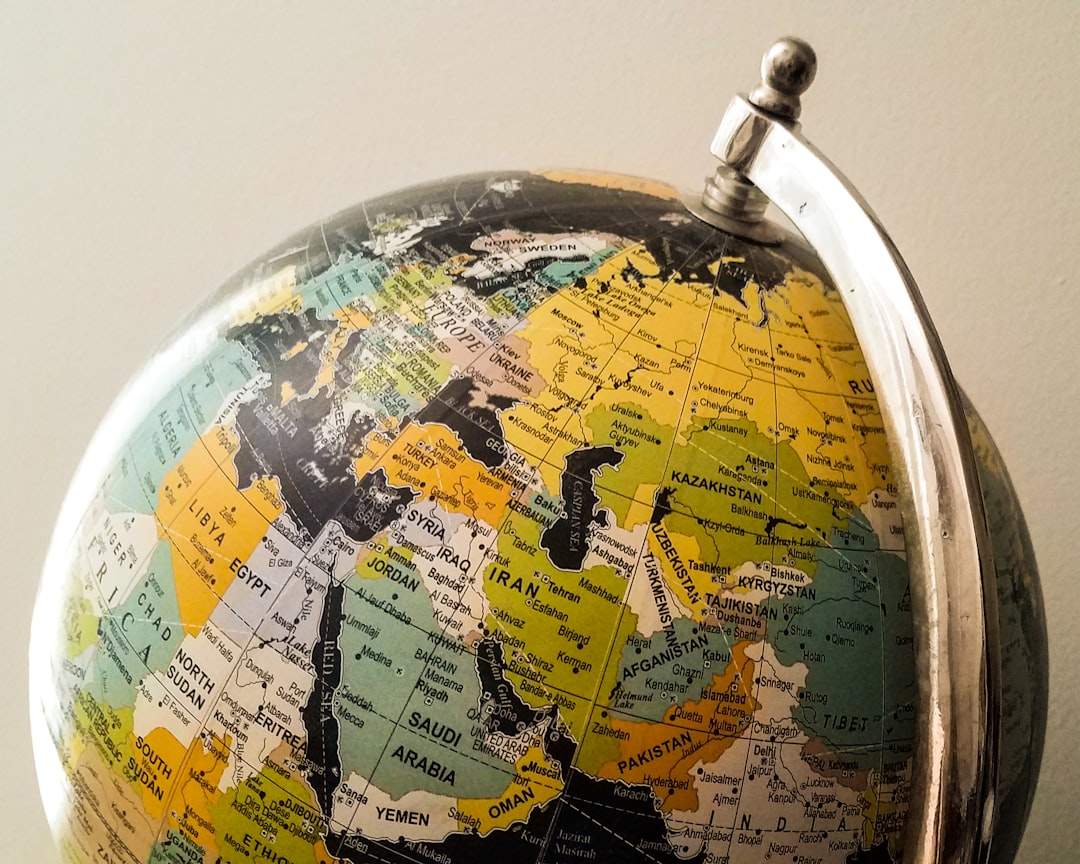
The Darién Gap is a 100-mile stretch of dense rainforest situated between Panama and Colombia that forms a natural barrier between Central and South America. This region consists of challenging terrain including swamps, mountainous areas, and thick tropical vegetation, making it largely inaccessible and sparsely populated. The area represents one of the few remaining continuous wilderness regions in the Americas and supports several indigenous communities within its boundaries.
The Darién Gap has significant implications for multiple sectors, including migration patterns, environmental conservation efforts, and regional geopolitics. Various stakeholders maintain interests in the region’s natural resources, contributing to ongoing debates about land use and development. The gap serves as an important case study for examining the intersection of environmental preservation, indigenous rights, migration policy, and international relations in Latin America.
Its unique position as both a geographical obstacle and an ecologically valuable ecosystem continues to influence regional planning and policy decisions.
Key Takeaways
- The Darién Gap is a dense, challenging jungle region linking Central and South America with significant historical and geopolitical importance.
- Navigating the Darién Gap poses severe physical and security challenges due to its harsh terrain and presence of illicit activities.
- Indigenous communities play a crucial role in preserving the environment and maintaining cultural heritage within the Darién Gap.
- The region faces environmental threats alongside economic and security challenges, requiring balanced international cooperation.
- Future prospects for the Darién Gap depend on sustainable development, enhanced security measures, and respectful engagement with local populations.
Historical context of the Darién Gap
The history of the Darién Gap is rich and multifaceted, marked by the interactions between indigenous peoples and European colonizers. Long before the arrival of Europeans, the region was inhabited by various indigenous groups, including the Embera and Wounaan peoples, who developed intricate societies deeply connected to the land. These communities relied on the forest for sustenance, utilizing its resources for food, shelter, and medicine.
Their knowledge of the ecosystem has been passed down through generations, highlighting a profound understanding of the delicate balance between human life and nature. The arrival of Spanish explorers in the 16th century marked a turning point in the region’s history. The Darién Gap became a site of ambition for colonizers seeking to establish trade routes and expand their empires.
Notably, Vasco Núñez de Balboa crossed the gap in 1513, becoming the first European to see the Pacific Ocean from the Americas. However, this exploration came at a cost; it led to the displacement of indigenous populations and the exploitation of natural resources. Over time, the gap became synonymous with both opportunity and peril, as various expeditions sought to conquer its challenges while often disregarding the rights and cultures of its original inhabitants.
Geopolitical significance of the Darién Gap

The Darién Gap holds considerable geopolitical significance due to its strategic location between two continents. It serves as a natural barrier that complicates transportation and trade routes between North and South America. This geographical feature has implications for regional security, migration patterns, and economic development.
Moreover, the Darién Gap is situated near key maritime routes that facilitate international shipping. The Panama Canal, located to the west of the gap, is one of the most vital waterways in global commerce.
As such, any developments or conflicts in the Darién region can have ripple effects on international trade dynamics. The gap’s geopolitical importance is further underscored by its proximity to drug trafficking routes and organized crime networks that exploit its remote terrain for illicit activities. This complex web of interests makes the Darién Gap a focal point for both cooperation and conflict among nations.
Challenges of navigating the Darién Gap
Navigating the Darién Gap presents numerous challenges due to its harsh environmental conditions and rugged terrain. The dense rainforest is home to an array of wildlife, including dangerous species such as snakes and insects that pose risks to travelers. Additionally, unpredictable weather patterns can lead to flash floods and landslides, further complicating any attempts at passage through this wilderness.
The lack of established infrastructure makes it difficult for even experienced adventurers to traverse the area safely. Moreover, the Darién Gap has become a notorious route for migrants seeking to reach North America. Many individuals embark on perilous journeys through this inhospitable landscape in search of better opportunities.
Unfortunately, these migrants often face exploitation by human traffickers and other criminal elements that operate in the region. The combination of natural hazards and human threats creates a treacherous environment that has claimed countless lives over the years. As such, navigating the Darién Gap is not merely an adventure; it is a life-altering challenge fraught with danger.
Environmental impact of the Darién Gap
| Metric | Data / Description |
|---|---|
| Location | Border between Panama and Colombia |
| Area Covered | Approximately 10,000 square kilometers |
| Geopolitical Significance | Natural barrier between Central and South America; critical for migration and drug trafficking routes |
| Countries Involved | Panama, Colombia |
| Indigenous Groups | Emberá, Wounaan, Kuna |
| Security Concerns | Presence of armed groups, drug cartels, and illegal armed actors |
| Migration Impact | Major transit route for migrants from South America to North America |
| Environmental Importance | One of the most biodiverse rainforests in the Americas |
| Infrastructure | No major roads; dense jungle terrain prevents highway construction |
| International Cooperation | Joint efforts by Panama and Colombia to improve security and environmental protection |
The environmental significance of the Darién Gap cannot be overstated. This region is one of the most biodiverse areas on Earth, housing countless species of flora and fauna that are unique to its ecosystem. The rainforest plays a crucial role in carbon sequestration, helping to mitigate climate change by absorbing carbon dioxide from the atmosphere.
However, this delicate balance is increasingly threatened by human activities such as deforestation, illegal logging, and land conversion for agriculture. As external interests seek to exploit the natural resources within the Darién Gap, environmental degradation has become a pressing concern. The destruction of habitats not only endangers countless species but also disrupts the livelihoods of indigenous communities that depend on these ecosystems for their survival.
Conservation efforts are essential to protect this vital area from further harm while ensuring that local populations can continue to thrive in harmony with their environment.
Role of indigenous communities in the Darién Gap
Indigenous communities play a pivotal role in both preserving the cultural heritage of the Darién Gap and advocating for sustainable practices within their territories. The Embera and Wounaan peoples have lived in this region for centuries, developing rich traditions that reflect their deep connection to the land. Their knowledge of medicinal plants, sustainable hunting practices, and ecological stewardship is invaluable in efforts to conserve biodiversity within the gap.
In recent years, indigenous groups have increasingly sought recognition of their rights and autonomy over their ancestral lands. They have become vocal advocates for environmental protection and sustainable development initiatives that respect their cultural heritage while addressing external pressures from logging companies and agricultural interests. By engaging in dialogue with government agencies and NGOs, these communities are working to ensure that their voices are heard in discussions about land use and conservation strategies.
International cooperation and conflict in the Darién Gap
The complexities surrounding the Darién Gap have led to both cooperation and conflict among various stakeholders at local, national, and international levels. Governments from Panama and Colombia have recognized the need for collaborative efforts to address issues such as migration management, environmental protection, and security concerns related to drug trafficking. Joint initiatives aimed at enhancing border security have been implemented to combat organized crime while facilitating legitimate trade and travel.
However, tensions often arise due to differing priorities among stakeholders. While governments may prioritize economic development or security measures, indigenous communities advocate for land rights and environmental conservation. This divergence can lead to conflicts over resource management and land use policies.
Striking a balance between these competing interests remains a significant challenge for policymakers seeking to navigate the complexities of governance in this region.
Economic opportunities and challenges in the Darién Gap
The economic landscape of the Darién Gap is characterized by both opportunities and challenges that reflect its unique geographical position. On one hand, there is potential for sustainable tourism development that capitalizes on the area’s natural beauty and biodiversity. Eco-tourism initiatives could provide economic benefits to local communities while promoting conservation efforts.
Additionally, sustainable agriculture practices could offer alternative livelihoods for residents without compromising environmental integrity. On the other hand, external pressures from industries such as logging and agriculture pose significant challenges to sustainable development in the region. The allure of quick profits often leads to unsustainable practices that threaten both ecosystems and local communities’ way of life.
Balancing economic growth with environmental stewardship requires careful planning and collaboration among stakeholders to ensure that development efforts do not come at the expense of long-term sustainability.
Security concerns in the Darién Gap
Security concerns in the Darién Gap are multifaceted and stem from various factors including drug trafficking, organized crime, and human smuggling operations. The region’s remote terrain provides an ideal environment for illicit activities to flourish, making it a hotspot for criminal organizations seeking to exploit vulnerabilities in law enforcement efforts. As a result, both Panama and Colombia face significant challenges in maintaining security within this area.
Moreover, migrants traversing through the Darién Gap often fall victim to violence perpetrated by criminal groups who prey on vulnerable populations seeking better opportunities. This situation has prompted governments to enhance security measures along borders while also addressing root causes such as poverty and lack of access to education that drive individuals to undertake dangerous journeys. Ensuring safety for all who navigate this complex landscape remains an ongoing challenge requiring coordinated efforts among various stakeholders.
Future prospects for the Darién Gap
The future prospects for the Darién Gap are shaped by ongoing discussions surrounding conservation efforts, economic development initiatives, and geopolitical dynamics in Central America. As awareness grows about climate change impacts on biodiversity hotspots like this region, there is potential for increased international support aimed at preserving its unique ecosystems while empowering local communities. However, achieving sustainable development will require navigating complex political landscapes where competing interests often clash.
Policymakers must prioritize inclusive dialogue that considers diverse perspectives from indigenous communities alongside economic stakeholders if they hope to create lasting solutions that benefit both people and nature alike.
Navigating the complex geopolitics of the Darién Gap
In conclusion, navigating the complex geopolitics of the Darién Gap requires an understanding of its historical context, environmental significance, and socio-economic dynamics at play within this unique region. As a natural barrier between two continents, it embodies both challenges and opportunities that reflect broader global issues such as migration patterns, resource management conflicts, and climate change impacts. The future of the Darién Gap hinges on collaborative efforts among governments, indigenous communities, NGOs, and international organizations committed to fostering sustainable practices while respecting cultural heritage rights.
By prioritizing inclusive dialogue over divisive policies driven solely by economic interests or security concerns—stakeholders can work together towards creating a more equitable future for all who call this remarkable place home.
The Darién Gap, a treacherous stretch of jungle between Colombia and Panama, has significant implications for regional geopolitics, particularly in terms of migration and drug trafficking. For a deeper understanding of the complexities surrounding this area, you can read more in the article available at this link. This article explores the challenges and opportunities presented by the Darién Gap, shedding light on its role in the broader geopolitical landscape.
FAQs
What is the Darién Gap?
The Darién Gap is a dense, roadless swath of jungle and swampland located between Panama and Colombia. It is approximately 100 miles (160 kilometers) long and is known for its challenging terrain and biodiversity.
Why is the Darién Gap geopolitically significant?
The Darién Gap is geopolitically significant because it forms a natural barrier between Central and South America, affecting transportation, trade, migration, and security. It also lies at the intersection of various national interests, including those of Panama, Colombia, and neighboring countries.
What challenges does the Darién Gap pose for transportation and trade?
The Darién Gap interrupts the Pan-American Highway, preventing a continuous road connection between North and South America. This limits overland trade and travel, forcing goods and people to use maritime or air routes instead.
How does the Darién Gap impact migration?
The Darién Gap is a dangerous route for migrants traveling from South America to Central and North America. Its difficult terrain, presence of armed groups, and lack of infrastructure make the journey risky, leading to humanitarian and security concerns.
What security issues are associated with the Darién Gap?
The region is known for the presence of armed groups, including guerrillas and criminal organizations involved in drug trafficking and smuggling. This complicates law enforcement and border control efforts for Panama and Colombia.
Are there environmental concerns related to the Darién Gap?
Yes, the Darién Gap is a biodiversity hotspot with many endemic species. There are concerns that infrastructure development or increased human activity could threaten its fragile ecosystems.
Have there been efforts to build a road through the Darién Gap?
There have been proposals to complete the Pan-American Highway through the Darién Gap, but these have faced opposition due to environmental, social, and security concerns. As a result, no continuous road currently exists.
How do Panama and Colombia cooperate regarding the Darién Gap?
Panama and Colombia collaborate on border security, environmental protection, and managing migration flows through the Darién Gap. Joint efforts aim to address challenges posed by illegal activities and humanitarian issues.
What role do international organizations play in the Darién Gap region?
International organizations provide humanitarian aid, support environmental conservation, and assist in security and migration management in the Darién Gap. They work with local governments to address the complex challenges of the region.