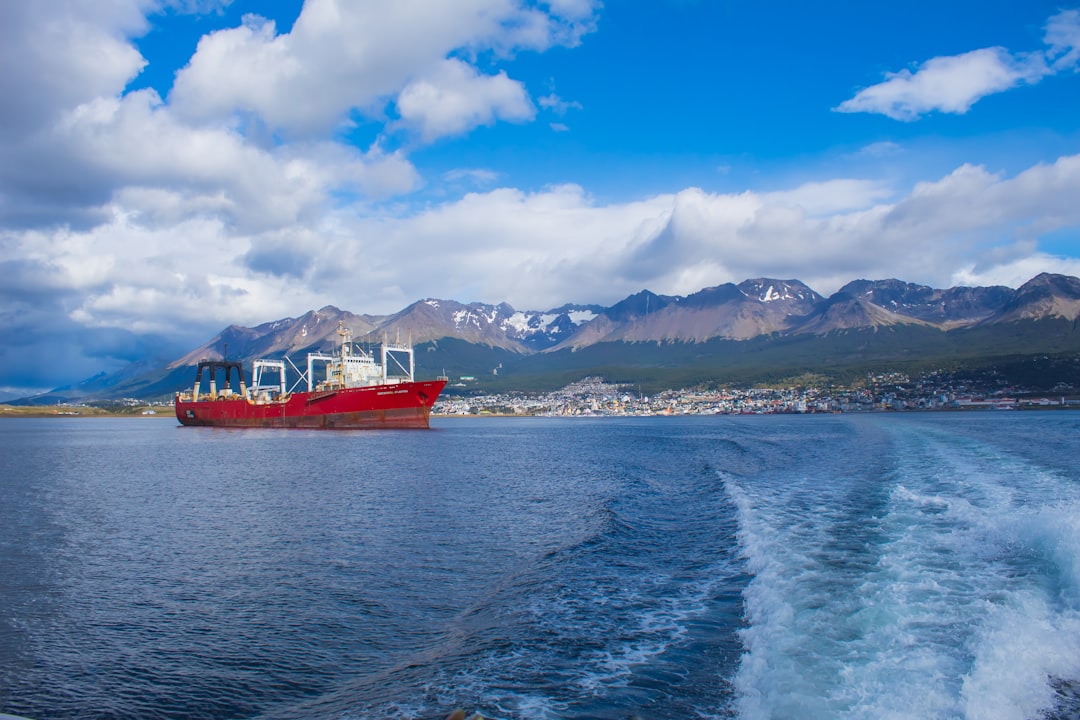
The Arctic supply chain is a complex network that encompasses the movement of goods and services across one of the most challenging environments on Earth. This region, characterized by its extreme weather conditions, ice-covered waters, and remote locations, presents unique logistical hurdles that require specialized knowledge and resources. The supply chain in the Arctic is not merely about transporting goods; it involves a comprehensive understanding of the local geography, climate patterns, and the socio-economic dynamics of the indigenous populations.
As global interest in the Arctic increases due to its natural resources and strategic shipping routes, understanding this supply chain becomes crucial for businesses and governments alike. The Arctic supply chain is influenced by various factors, including geopolitical interests, environmental regulations, and technological advancements. The melting ice due to climate change has opened new shipping lanes, making it possible for companies to explore previously inaccessible areas.
However, this also raises concerns about environmental degradation and the impact on local communities. As such, stakeholders must navigate a delicate balance between economic opportunities and ecological preservation. The complexity of the Arctic supply chain necessitates a multifaceted approach that considers not only the logistical aspects but also the cultural and environmental implications of operations in this fragile region.
Key Takeaways
- The Arctic supply chain faces unique challenges including extreme weather, ice conditions, and limited infrastructure.
- Building resilience is crucial to ensure continuous and reliable operations in the harsh Arctic environment.
- Advanced technology and innovation play a key role in improving navigation and supply chain efficiency in the Arctic.
- Environmental protection and international cooperation are essential components for sustainable Arctic supply chain management.
- Effective risk management and learning from successful case studies help prepare for future trends and uncertainties in Arctic navigation.
Challenges of Navigating the Arctic
Navigating the Arctic presents a myriad of challenges that can significantly impact the efficiency and reliability of the supply chain. One of the most pressing issues is the unpredictable weather conditions that can change rapidly, creating hazardous situations for vessels and transport vehicles. Ice formations, fog, and severe storms can disrupt shipping schedules, leading to delays and increased costs.
Additionally, the remoteness of many Arctic locations means that infrastructure is often underdeveloped, making it difficult to transport goods efficiently. The lack of ports and reliable communication systems further complicates logistics in this region. Another significant challenge is the environmental sensitivity of the Arctic ecosystem.
The region is home to unique wildlife and fragile habitats that can be easily disrupted by human activity. As companies seek to establish supply chains in the Arctic, they must contend with strict environmental regulations designed to protect these ecosystems. This often requires additional planning and investment in sustainable practices, which can strain resources and complicate operations.
Furthermore, the potential for accidents or spills poses a risk not only to the environment but also to the reputation of companies operating in the region.
Importance of Resilience in Arctic Supply Chain
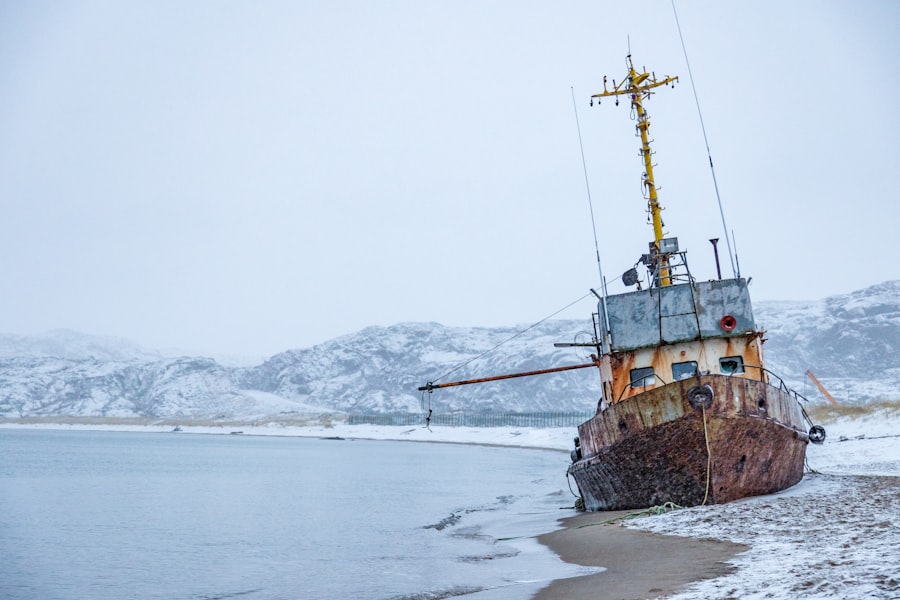
Resilience in the Arctic supply chain is paramount for ensuring that operations can withstand the various challenges posed by this unique environment.
In the Arctic, where conditions can change rapidly, having a robust system in place allows companies to respond effectively to unforeseen circumstances.
This adaptability is essential for maintaining continuity in operations and meeting the demands of customers who rely on timely deliveries. Moreover, resilience in the Arctic supply chain contributes to long-term sustainability. By building systems that can withstand shocks and stresses, companies can minimize their environmental impact while also ensuring economic viability.
This approach not only benefits businesses but also supports local communities that depend on stable supply chains for their livelihoods. As stakeholders increasingly recognize the importance of resilience, there is a growing emphasis on developing strategies that prioritize flexibility and sustainability in Arctic operations.
Strategies for Building Resilience in Arctic Supply Chain
To build resilience in the Arctic supply chain, companies must adopt a proactive approach that includes risk assessment, contingency planning, and investment in technology. Conducting thorough risk assessments allows organizations to identify potential vulnerabilities within their supply chains and develop strategies to mitigate these risks. This may involve diversifying suppliers, establishing alternative transportation routes, or investing in infrastructure improvements that enhance operational efficiency.
Contingency planning is another critical component of building resilience. Companies should develop detailed plans outlining how they will respond to various disruptions, whether they are related to weather events, equipment failures, or geopolitical tensions. These plans should include clear communication protocols and designated roles for team members to ensure a swift response when challenges arise.
Additionally, investing in technology can enhance resilience by providing real-time data on weather conditions, ice movements, and logistical operations. By leveraging advanced analytics and monitoring systems, companies can make informed decisions that improve their ability to navigate the complexities of the Arctic supply chain.
Technology and Innovation in Arctic Navigation
| Metric | Description | Value / Status | Source / Notes |
|---|---|---|---|
| Average Transit Time (Arctic Route) | Time taken for shipments to transit via Northern Sea Route compared to traditional routes | 12-15 days (vs. 30-35 days via Suez Canal) | Arctic Council Shipping Report 2023 |
| Icebreaker Availability | Number of operational icebreaker vessels supporting Arctic shipping | 45 active icebreakers globally | International Maritime Organization (IMO) 2024 |
| Port Infrastructure Readiness | Percentage of Arctic ports equipped with modern cargo handling and storage facilities | 65% | Arctic Economic Council 2023 |
| Supply Chain Disruption Incidents | Number of reported disruptions due to weather, ice conditions, or geopolitical issues | 18 incidents in 2023 | Arctic Shipping Risk Assessment 2023 |
| Fuel Efficiency Improvement | Percentage improvement in fuel efficiency due to optimized Arctic routes | 20-25% | Maritime Environmental Studies 2024 |
| Emergency Response Time | Average time to respond to maritime emergencies in Arctic waters | 6-8 hours | Polar Code Compliance Report 2023 |
| Annual Cargo Volume | Total cargo volume transported via Arctic shipping routes | 5 million tons (2023) | Arctic Shipping Statistics 2023 |
| Satellite Monitoring Coverage | Percentage of Arctic shipping routes monitored by satellite for navigation and safety | 90% | European Space Agency 2024 |
Technology plays a pivotal role in enhancing navigation capabilities within the Arctic supply chain. Innovations such as satellite imagery, automated navigation systems, and advanced ice detection technologies have transformed how companies operate in this challenging environment. Satellite imagery provides real-time data on ice conditions and weather patterns, allowing vessels to plan their routes more effectively and avoid hazardous areas.
This technology not only improves safety but also enhances operational efficiency by reducing delays caused by unforeseen obstacles. Moreover, advancements in autonomous vessels are set to revolutionize Arctic navigation. These unmanned ships can operate in extreme conditions without risking human lives, making them an attractive option for transporting goods across icy waters.
The integration of artificial intelligence into navigation systems further enhances decision-making capabilities by analyzing vast amounts of data to optimize routes and minimize fuel consumption. As technology continues to evolve, it will play an increasingly vital role in shaping the future of Arctic navigation and supply chain management.
Environmental Considerations in Arctic Supply Chain
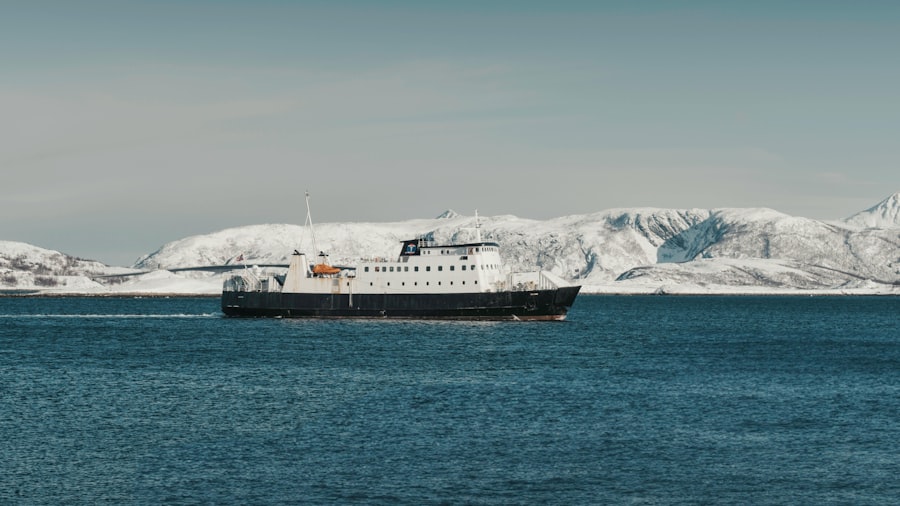
Environmental considerations are paramount when navigating the Arctic supply chain due to the region’s delicate ecosystems and unique wildlife. Companies operating in this area must adhere to stringent environmental regulations designed to protect these natural resources from degradation. This includes conducting environmental impact assessments before initiating projects and implementing measures to minimize disturbances to local habitats.
Failure to comply with these regulations can result in severe penalties and damage to a company’s reputation. Additionally, businesses must consider their carbon footprint when planning operations in the Arctic. The transportation sector is a significant contributor to greenhouse gas emissions, and as global awareness of climate change grows, there is increasing pressure on companies to adopt sustainable practices.
This may involve investing in cleaner technologies, optimizing logistics to reduce fuel consumption, or exploring alternative energy sources for operations. By prioritizing environmental considerations, companies can not only comply with regulations but also contribute positively to the preservation of the Arctic ecosystem.
International Cooperation in Arctic Navigation
International cooperation is essential for effective navigation within the Arctic supply chain due to the region’s shared resources and geopolitical complexities. As multiple countries vie for access to Arctic shipping routes and natural resources, collaborative efforts are necessary to ensure safe and sustainable operations. Organizations such as the Arctic Council play a crucial role in facilitating dialogue among member states and promoting best practices for navigation and resource management.
Furthermore, international agreements can help establish common standards for environmental protection and safety protocols in Arctic navigation. By working together, countries can share knowledge and resources that enhance their collective ability to navigate this challenging environment. Collaborative research initiatives focused on climate change impacts and technological advancements can also foster innovation while addressing shared concerns about environmental sustainability.
Risk Management in Arctic Supply Chain
Effective risk management is critical for navigating the complexities of the Arctic supply chain. Companies must develop comprehensive risk management frameworks that identify potential threats and outline strategies for mitigating them. This includes assessing risks related to weather conditions, geopolitical tensions, regulatory changes, and environmental impacts.
Additionally, continuous monitoring and evaluation are essential components of risk management in the Arctic supply chain. Companies should regularly review their operations and adapt their strategies based on changing conditions or emerging threats.
This dynamic approach allows organizations to remain agile in response to unforeseen challenges while ensuring that they maintain compliance with environmental regulations and safety standards.
Future Trends in Arctic Navigation
The future of Arctic navigation is poised for significant transformation as technological advancements continue to reshape the landscape of supply chain management. One notable trend is the increasing use of digitalization and data analytics to optimize operations. Companies are leveraging big data to gain insights into weather patterns, ice movements, and logistical efficiencies, enabling them to make informed decisions that enhance their competitiveness.
Moreover, as climate change continues to alter ice patterns in the Arctic, there will likely be shifts in shipping routes that require companies to adapt their strategies accordingly. The opening of new passages may present opportunities for increased trade but also necessitates careful consideration of environmental impacts and regulatory compliance. As stakeholders navigate these changes, collaboration among governments, businesses, and indigenous communities will be essential for ensuring sustainable practices that benefit all parties involved.
Case Studies of Successful Arctic Supply Chain Resilience
Examining case studies of successful resilience within the Arctic supply chain provides valuable insights into effective strategies and best practices. One notable example is a multinational shipping company that implemented advanced ice detection technology to enhance its navigation capabilities in icy waters. By investing in real-time monitoring systems and training its crew on emergency response protocols, the company significantly reduced delays caused by adverse weather conditions while maintaining a strong safety record.
Another case study involves a resource extraction company that prioritized collaboration with local indigenous communities when establishing its operations in the Arctic. By engaging with these communities early in the planning process and incorporating their knowledge into decision-making, the company was able to navigate regulatory challenges more effectively while fostering goodwill among stakeholders. This approach not only enhanced operational efficiency but also contributed positively to community relations.
Navigating the Arctic with Resilience
Navigating the Arctic supply chain requires a multifaceted approach that prioritizes resilience amid a landscape fraught with challenges. As global interest in this region continues to grow due to its natural resources and strategic shipping routes, stakeholders must adopt strategies that balance economic opportunities with environmental sustainability. By investing in technology, fostering international cooperation, and implementing robust risk management frameworks, companies can enhance their ability to navigate this complex environment successfully.
Ultimately, resilience is not just about surviving disruptions; it is about thriving despite them. As businesses embrace innovative solutions and collaborate with local communities and governments, they can build a more sustainable future for Arctic navigation that benefits all stakeholders involved. The journey ahead may be fraught with challenges, but with resilience at its core, the Arctic supply chain can emerge stronger than ever before.
The resilience of the Arctic shipping supply chain is increasingly critical as climate change opens new maritime routes. A related article that delves into the challenges and opportunities presented by this shift can be found at MyGeoQuest. This resource provides valuable insights into the logistical considerations and environmental impacts of Arctic shipping, highlighting the need for adaptive strategies to ensure sustainable operations in this fragile region.
FAQs
What is Arctic shipping supply chain resilience?
Arctic shipping supply chain resilience refers to the ability of shipping operations and logistics networks in the Arctic region to withstand, adapt to, and recover from disruptions such as extreme weather, ice conditions, and geopolitical challenges.
Why is resilience important for Arctic shipping supply chains?
Resilience is crucial because the Arctic environment is harsh and unpredictable, with ice cover, severe weather, and limited infrastructure. Ensuring supply chains can continue operating despite these challenges is vital for economic activities, resource extraction, and community support in the region.
What are the main challenges to supply chain resilience in Arctic shipping?
Key challenges include extreme weather conditions, sea ice variability, limited search and rescue capabilities, sparse infrastructure, environmental regulations, and geopolitical tensions that can affect shipping routes and access.
How does climate change impact Arctic shipping supply chain resilience?
Climate change is reducing sea ice extent, potentially opening new shipping routes but also increasing unpredictability and environmental risks. This can both improve access and create new challenges for maintaining resilient supply chains.
What measures can improve resilience in Arctic shipping supply chains?
Measures include investing in ice-class vessels, enhancing navigation and communication technologies, developing robust emergency response systems, improving port infrastructure, and fostering international cooperation for safe and sustainable Arctic shipping.
Are there international regulations affecting Arctic shipping supply chain resilience?
Yes, the International Maritime Organization (IMO) has established the Polar Code, which sets mandatory safety and environmental standards for ships operating in polar waters to enhance resilience and reduce risks.
How does infrastructure development influence Arctic shipping supply chain resilience?
Improved infrastructure such as ports, icebreaker support, and communication networks enhances the ability to manage disruptions, facilitate cargo handling, and ensure timely deliveries, thereby strengthening supply chain resilience.
What role do technology and innovation play in Arctic shipping supply chain resilience?
Technological advancements like satellite navigation, real-time ice monitoring, autonomous vessels, and advanced weather forecasting improve operational safety, route planning, and response capabilities, contributing to greater resilience.
Can Arctic shipping supply chains be disrupted by geopolitical factors?
Yes, geopolitical tensions and territorial disputes can impact access to routes, regulatory frameworks, and cooperation among Arctic nations, potentially affecting the stability and resilience of shipping supply chains.
Who are the key stakeholders involved in enhancing Arctic shipping supply chain resilience?
Stakeholders include shipping companies, governments, indigenous communities, environmental organizations, port authorities, and international regulatory bodies, all of whom play roles in ensuring safe and resilient Arctic maritime operations.