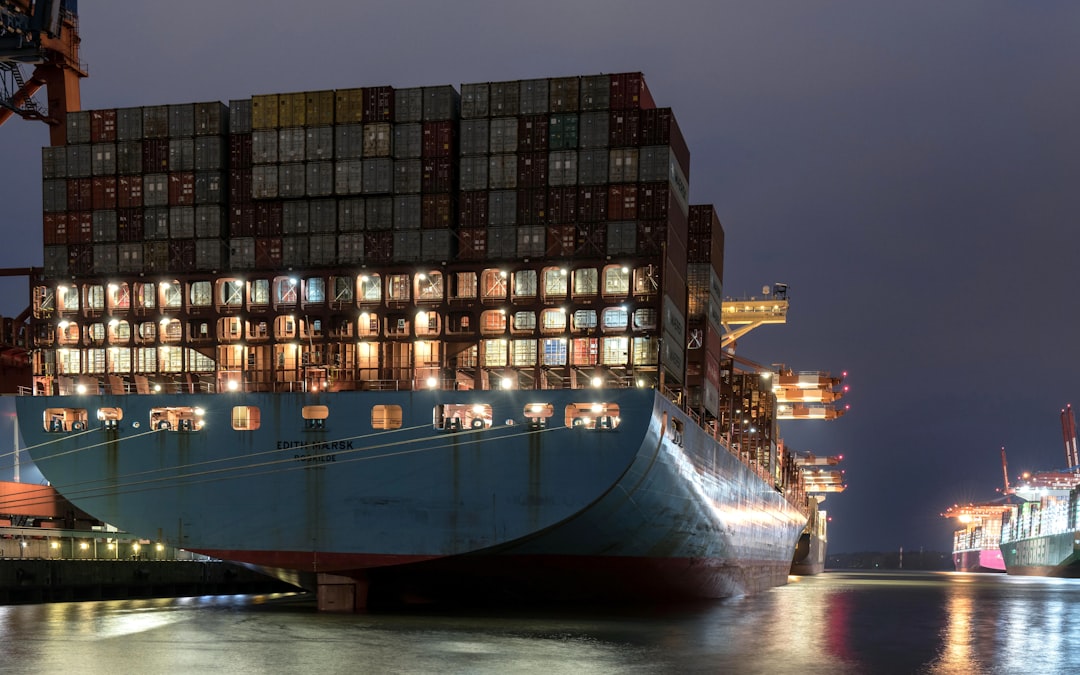
Arctic navigation has historically presented significant challenges due to extreme weather conditions, extensive sea ice coverage, and geographic isolation. These factors have traditionally restricted maritime access to the region. Climate change has substantially modified Arctic conditions, reducing sea ice extent and creating new navigational opportunities.
This transformation has increased interest from shipping companies, tourism operators, and resource extraction industries seeking to utilize emerging Arctic routes. The changing Arctic environment creates both commercial opportunities and operational challenges. Reduced ice coverage has opened previously inaccessible shipping lanes, potentially shortening transit times between major ports.
However, vessels operating in Arctic waters face unique hazards including unpredictable ice conditions, extreme temperatures, limited infrastructure, and restricted emergency response capabilities. Arctic maritime operations involve complex regulatory considerations spanning multiple jurisdictions. International frameworks such as the International Maritime Organization’s Polar Code establish mandatory safety and environmental standards for polar shipping.
Insurance requirements for Arctic operations typically involve specialized coverage due to elevated risks and limited salvage capabilities in remote locations. Environmental considerations are critical for Arctic navigation planning. The region’s ecosystem is particularly sensitive to disturbance, requiring careful assessment of potential impacts from increased maritime traffic.
Stakeholders must balance economic opportunities with environmental protection measures to ensure sustainable development of Arctic shipping routes.
Key Takeaways
- Climate change is significantly increasing risks associated with Arctic navigation.
- The insurance industry is adjusting premiums to reflect heightened Arctic navigation hazards.
- Technological advancements play a crucial role in managing and mitigating navigation risks.
- Regulatory changes are influencing how insurance premiums are calculated for Arctic voyages.
- Strategic approaches can help reduce insurance costs despite the evolving risk environment.
The Impact of Climate Change on Arctic Navigation
Climate change has emerged as a significant force reshaping the Arctic landscape, with profound implications for navigation. The warming climate has led to a dramatic reduction in sea ice coverage, particularly during the summer months. This reduction has opened up new shipping routes, such as the Northern Sea Route and the Northwest Passage, which promise shorter transit times between major markets.
As a result, shipping companies are increasingly considering these routes as viable alternatives to traditional pathways, potentially revolutionizing global trade dynamics. However, the benefits of increased navigability come with substantial risks. The melting ice not only alters established shipping routes but also introduces unpredictable weather patterns and shifting ice conditions that can pose serious hazards to vessels.
Navigators must now contend with the possibility of encountering icebergs, shifting ice floes, and rapidly changing weather conditions that can complicate even the most well-planned voyages. As such, while climate change may facilitate access to the Arctic, it simultaneously heightens the risks associated with navigation in this fragile environment.
Increased Risk Factors for Arctic Navigation
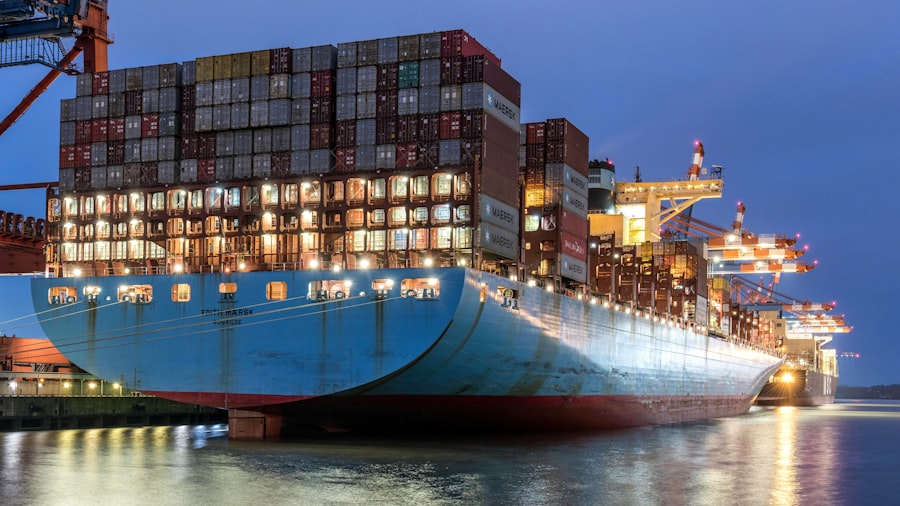
The risks associated with Arctic navigation are multifaceted and can be categorized into several key areas.
As ice melts and reforms at an accelerated pace due to climate change, vessels may find themselves navigating through areas where ice presence is inconsistent.
This unpredictability can lead to dangerous situations where ships become trapped or damaged by ice, necessitating costly rescue operations. In addition to environmental risks, there are also operational challenges that arise from navigating in such a remote and harsh environment. Limited infrastructure, such as ports and emergency response facilities, can complicate logistics and increase the time required for vessels to complete their journeys.
Furthermore, the remoteness of the Arctic means that any incidents or emergencies may take longer to address, heightening the stakes for those operating in these waters. The combination of environmental unpredictability and operational challenges creates a complex risk landscape that requires careful planning and consideration.
Insurance Industry Response to Rising Arctic Navigation Risks
In response to the increasing risks associated with Arctic navigation, the insurance industry has begun to adapt its policies and practices to better address these challenges. Insurers are now more acutely aware of the unique hazards posed by navigating in the Arctic and are adjusting their underwriting criteria accordingly. This shift reflects a broader recognition that traditional insurance models may not adequately account for the complexities of operating in such a volatile environment.
As a result, insurers are implementing more stringent requirements for vessels operating in Arctic waters. This may include mandating additional safety measures, enhanced training for crew members, and more comprehensive risk assessments before coverage is granted. Furthermore, insurers are increasingly collaborating with maritime organizations and regulatory bodies to develop best practices for Arctic navigation that can help mitigate risks and improve safety outcomes for all stakeholders involved.
Factors Influencing Insurance Premiums for Arctic Navigation
| Year | Average Insurance Premium Rate (%) | Key Risk Factors | Notable Incidents Impacting Premiums | Market Trend |
|---|---|---|---|---|
| 2018 | 1.2 | Ice damage, limited search & rescue | Few minor ice-related claims | Stable |
| 2019 | 1.5 | Increased traffic, environmental risks | One major hull damage incident | Moderate increase |
| 2020 | 2.0 | Climate change effects, regulatory changes | Several claims due to ice collisions | Rising |
| 2021 | 2.8 | Higher operational risks, limited salvage options | Notable oil spill incident | Significant increase |
| 2022 | 3.5 | Geopolitical tensions, supply chain disruptions | Increased claims from delayed voyages | Sharp escalation |
| 2023 | 4.2 | Extreme weather events, rising liability costs | Multiple icebreaker assistance claims | Continued escalation |
Several factors contribute to the determination of insurance premiums for vessels navigating the Arctic. One of the most significant influences is the level of risk associated with a particular voyage. Insurers assess various elements, including the type of vessel, its age and condition, the experience of the crew, and the specific route being taken.
Higher-risk voyages may result in elevated premiums as insurers seek to account for potential losses. Additionally, external factors such as geopolitical tensions and regulatory changes can also impact insurance costs. For instance, increased military activity in the region or changes in international maritime law may lead insurers to adjust their risk assessments and pricing structures accordingly.
Moreover, advancements in technology that enhance safety and navigation capabilities can also play a role in influencing premiums; vessels equipped with state-of-the-art navigation systems may be viewed as lower risk compared to those lacking such technology.
Case Studies of Insurance Premium Increases for Arctic Navigation
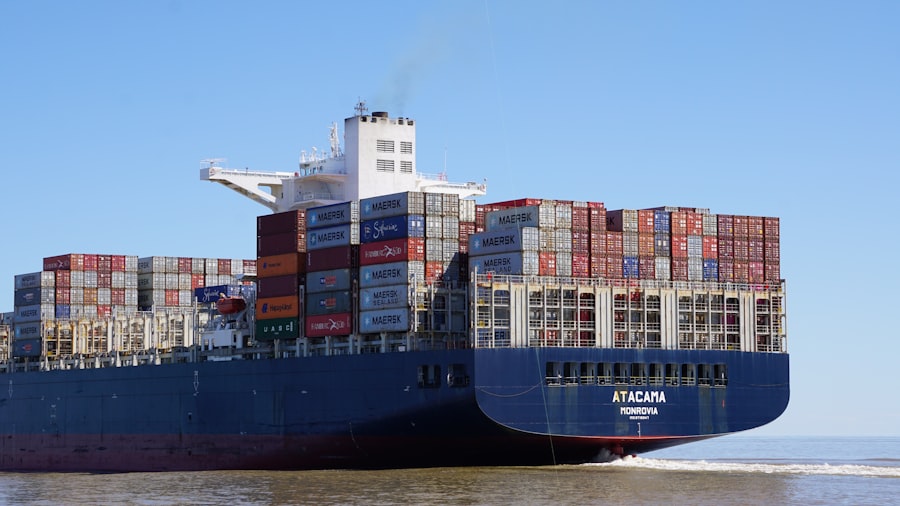
Recent case studies illustrate how rising risks associated with Arctic navigation have led to notable increases in insurance premiums. For example, a shipping company operating along the Northern Sea Route experienced a significant hike in its insurance costs after a series of incidents involving ice-related damage to vessels. Insurers cited these incidents as evidence of the heightened risks associated with navigating in this region, prompting them to reassess their pricing models.
Another case involved a cruise line that sought to expand its operations into Arctic waters. Initially attracted by the potential for increased tourism revenue, the company faced substantial insurance premium increases due to concerns over passenger safety and environmental protection. Insurers highlighted the unique challenges posed by Arctic conditions, including limited search-and-rescue capabilities and unpredictable weather patterns, leading to a reevaluation of risk exposure and subsequent premium adjustments.
Strategies for Mitigating Insurance Premium Increases for Arctic Navigation
To address rising insurance premiums associated with Arctic navigation, stakeholders can adopt several strategies aimed at mitigating risks and enhancing safety measures. One effective approach is investing in advanced technology that improves navigation capabilities and situational awareness. For instance, equipping vessels with real-time ice monitoring systems can help crews make informed decisions about route planning and avoid hazardous conditions.
Additionally, fostering collaboration among industry players can lead to shared best practices and improved safety standards across the board. By participating in industry forums and working groups focused on Arctic navigation, companies can stay informed about emerging trends and collectively address common challenges. Furthermore, engaging with insurers early in the planning process can facilitate open communication about risk management strategies and potentially lead to more favorable premium rates.
The Role of Technology in Managing Arctic Navigation Risks
Technology plays a pivotal role in managing risks associated with Arctic navigation. Innovations such as satellite-based navigation systems, automated ice detection technologies, and advanced weather forecasting tools have transformed how vessels operate in these challenging waters. These technologies not only enhance situational awareness but also enable crews to make data-driven decisions that can significantly reduce risks.
Moreover, advancements in vessel design have led to the development of ice-class ships specifically engineered to withstand harsh Arctic conditions. These vessels are equipped with reinforced hulls and specialized propulsion systems that allow them to navigate through ice-laden waters more safely than traditional ships. As technology continues to evolve, it holds great promise for improving safety outcomes and reducing insurance costs for those operating in the Arctic.
Regulatory Changes Affecting Insurance Premiums for Arctic Navigation
Regulatory changes at both national and international levels have significant implications for insurance premiums related to Arctic navigation. As awareness of environmental concerns grows, regulatory bodies are increasingly implementing stricter guidelines aimed at protecting fragile ecosystems while ensuring safe maritime operations. These regulations often require additional safety measures and compliance protocols that can impact operational costs.
For instance, new regulations mandating enhanced training for crew members operating in Arctic waters may lead to increased operational expenses for shipping companies. Insurers may respond by adjusting premiums based on these heightened compliance requirements. Additionally, evolving international agreements regarding environmental protection may necessitate changes in insurance coverage terms or limits, further influencing premium structures.
The Future of Insurance Premiums for Arctic Navigation
Looking ahead, the future of insurance premiums for Arctic navigation remains uncertain but is likely to be shaped by ongoing developments in climate change, technology, and regulatory frameworks. As climate change continues to alter ice patterns and create new navigational challenges, insurers will need to adapt their risk assessments accordingly. This may result in fluctuating premiums as companies navigate an increasingly complex landscape.
Furthermore, advancements in technology could play a dual role; while they may help reduce risks and potentially lower premiums over time, they could also lead to increased expectations from insurers regarding safety standards and compliance measures.
Navigating the Arctic in a Changing Insurance Landscape
Navigating the Arctic presents both unprecedented opportunities and formidable challenges as climate change reshapes this remote region’s accessibility. The evolving landscape of insurance premiums reflects these complexities as insurers respond to heightened risks associated with Arctic navigation. Stakeholders must remain adaptable and proactive in their approach to risk management while embracing technological advancements that enhance safety.
As they navigate this changing insurance landscape, collaboration among industry players will be essential in developing best practices that promote safe operations while safeguarding fragile ecosystems. By understanding the multifaceted nature of risks associated with Arctic navigation and leveraging innovative solutions, stakeholders can position themselves for success in this dynamic environment while ensuring responsible stewardship of one of the world’s most vulnerable regions.
The recent escalation of insurance premiums for Arctic shipping has raised significant concerns among industry stakeholders, as highlighted in a related article. This increase is largely attributed to the growing risks associated with navigating these treacherous waters, which are becoming more accessible due to climate change. For more insights on this topic, you can read the full article [here](https://www.mygeoquest.com/sample-page/).
FAQs
What is Arctic shipping insurance?
Arctic shipping insurance is a specialized type of marine insurance that covers vessels operating in the Arctic region. It provides protection against risks unique to Arctic navigation, such as extreme weather conditions, ice damage, and limited search and rescue options.
Why are insurance premiums for Arctic shipping increasing?
Insurance premiums for Arctic shipping are escalating due to heightened risks associated with the region. These include unpredictable ice conditions, increased likelihood of accidents, limited infrastructure for emergency response, and the high costs of salvage and repair in remote areas.
What factors influence the cost of Arctic shipping insurance premiums?
Several factors influence premium costs, including the vessel type and size, the route taken, the season of navigation, the experience of the crew, the presence of ice-class certification, and the insurer’s assessment of environmental and operational risks in the Arctic.
How does climate change impact Arctic shipping insurance?
Climate change is altering ice patterns and opening new shipping routes, which can increase traffic and associated risks. While some routes may become more accessible, unpredictable ice conditions and environmental sensitivities contribute to higher insurance premiums.
Are there specific regulations affecting Arctic shipping insurance?
Yes, Arctic shipping is subject to international regulations such as the Polar Code, which sets safety and environmental standards. Compliance with these regulations can affect insurance premiums, as adherence may reduce risk, while non-compliance can increase liability.
What types of coverage are typically included in Arctic shipping insurance?
Coverage often includes hull and machinery insurance, protection and indemnity (P&I) insurance for third-party liabilities, cargo insurance, and coverage for environmental damage and pollution liabilities specific to Arctic conditions.
How can shipping companies manage or reduce Arctic insurance premiums?
Companies can reduce premiums by investing in ice-class vessels, ensuring crew training for Arctic conditions, adhering strictly to safety and environmental regulations, using experienced Arctic pilots, and implementing robust risk management practices.
Is Arctic shipping insurance widely available?
Arctic shipping insurance is available but offered by a limited number of specialized insurers due to the high risks involved. The market is relatively niche, and premiums tend to be higher compared to standard marine insurance.
What are the consequences of not having adequate insurance for Arctic shipping?
Operating without adequate insurance in the Arctic can lead to significant financial losses from accidents, environmental damage, and legal liabilities. It may also result in regulatory penalties and loss of reputation for shipping companies.
How is the Arctic shipping insurance market expected to evolve?
As Arctic shipping activity increases, the insurance market is expected to adapt with more tailored products and possibly more competitive premiums. However, ongoing environmental and geopolitical uncertainties will continue to influence risk assessments and pricing.