
Navigating the intricate financial and environmental landscape of the Mississippi River requires a comprehensive understanding of the associated bond covenant risks. This article delves into the multifaceted challenges and considerations for entities, both public and private, whose operations or investments are directly or indirectly tied to the health and functionality of this monumental waterway. From economic dependencies to ecological vulnerabilities, the Mississippi River presents a unique set of circumstances that necessitate rigorous due diligence and proactive risk management in the context of bond issuance and compliance.
The Mississippi River acts as a critical artery for the American economy, supporting a vast network of industries and communities. Its economic significance extends far beyond its immediate shores, influencing global trade and national infrastructure. Understanding this economic tapestry is paramount when assessing bond covenant risks. The recent developments in the Mississippi River infrastructure have significantly improved transportation efficiency.
Agricultural Reliance and Export Markets
The fertile lands within the Mississippi River Basin are a primary agricultural engine for the United States, producing a significant portion of its corn, soybeans, and other staples. These agricultural products rely heavily on riverine transportation for cost-effective export to international markets.
- Barge Traffic and Commodity Prices: Disruptions to barge traffic, stemming from hydrological extremes (e.g., severe droughts leading to low water levels, or major floods causing navigation closures), can significantly impact agricultural supply chains. This can lead to increased transportation costs, lower commodity prices for farmers, and reduced revenues for agricultural businesses that depend on the river for transport. Bond covenants issued by these entities or by states within the basin often include provisions related to operational continuity and revenue generation, making them susceptible to these disruptions.
- Irrigation Demands and Water Rights: Upstream agricultural practices involve substantial water withdrawals for irrigation. While vital for crop yields, these demands can exacerbate low water conditions downstream, creating conflicts over water rights and potentially impacting the navigability of the river. Bonds issued by municipalities or agricultural water districts often contain covenants related to water usage and environmental compliance, which can be triggered by such disputes.
Industrial Infrastructure and Supply Chains
The Mississippi River hosts a substantial industrial infrastructure, including petroleum refineries, chemical plants, manufacturing facilities, and power generation plants. These industries rely on the river for transportation of raw materials and finished goods, process water, and wastewater discharge.
- Port Operations and Shipping Lanes: Major ports along the Mississippi, such as New Orleans, Baton Rouge, and Memphis, are vital hubs for international trade. Bonds issued by port authorities or companies operating within these ports are inherently linked to the river’s navigability and operational efficiency. Prolonged closures or restrictions due to environmental events or infrastructure failures can lead to significant revenue shortfalls and potential covenant breaches.
- Water-Intensive Industries: Many industrial processes are heavily reliant on large volumes of water. Changes in water quality or quantity, driven by environmental shifts or regulatory changes, can impact operational costs, compliance requirements, and even lead to facility shutdowns. Bond covenants for these industries often contain provisions related to environmental permits, water treatment, and compliance with discharge limits.
Municipalities and Utilities
Numerous cities and towns are established along the Mississippi River, relying on it for drinking water, sanitation, and recreation. Their long-term financial stability and ability to repay bond obligations are intrinsically tied to the river’s health and accessibility.
- Drinking Water Sources and Treatment Costs: The Mississippi River serves as a primary source of drinking water for millions. Water quality degradation due to pollution or upstream industrial activities can necessitate more intensive and costly treatment processes for municipal water utilities. Bonds issued by these utilities, which fund infrastructure improvements, often include covenants related to water quality standards and operational expenses.
- Flood Control and Infrastructure Protection: Levees, floodwalls, and other flood control measures are critical infrastructure projects for communities along the river. Bonds issued to finance these projects are directly contingent on their effectiveness in mitigating flood risks. Failure of these systems due to extreme weather events can lead to catastrophic damages, economic disruption, and potential default on municipal bonds.
The Mississippi River bond covenant risk is a critical topic for investors and policymakers alike, as it pertains to the financial obligations tied to infrastructure projects along the river. For a deeper understanding of this issue, you can refer to a related article that explores the implications of these risks on regional development and investment strategies. To read more, visit this article.
Understanding the Hydrological Volatility
The Mississippi River Basin experiences significant climatic variability, leading to hydrological extremes that pose substantial risks to communities and industries. Understanding this volatility is crucial for assessing the robustness of bond covenants.
Drought and Low Water Levels
Prolonged periods of drought can lead to historically low water levels in the Mississippi River, impacting navigation, water supply, and ecological health.
- Dredging Requirements and Costs: Low water levels necessitate increased dredging to maintain navigation channels. The costs associated with dredging can be substantial and are often borne by public entities or port authorities, potentially impacting their financial covenants.
- Navigation Restrictions and Shipping Delays: When water levels fall below critical thresholds, barges must reduce their loads or face grounding, leading to significant shipping delays and increased transportation costs for goods. This directly impacts the profitability of businesses relying on river transport, potentially triggering revenue-based bond covenants.
- Water Supply Stress: Drought conditions can stress municipal and industrial water supplies, leading to rationing, increased treatment costs for poorer quality water, or the need for alternative water sources, all of which can strain utility finances.
Flood Events and High Water Levels
Conversely, periods of heavy precipitation can lead to widespread flooding, causing extensive damage to infrastructure, agricultural lands, and urban areas.
- Levee and Floodwall Integrity: Extreme floods test the limits of existing flood control infrastructure. Breaches or overtopping of levees can result in catastrophic losses, impacting municipal solvency and the value of properties securing bond obligations.
- Disruption of Economic Activity: Flooding can shut down industrial operations, disrupt transportation networks, and displace communities, leading to significant economic losses. This directly affects the revenue streams of businesses and tax bases of municipalities, creating a potent risk for bond servicing.
- Sedimentation and Ecosystem Changes: Floods can alter river morphology, increasing sedimentation in navigation channels and impacting aquatic ecosystems, necessitating costly remediation efforts that can burden public budgets.
Environmental Regulations and Compliance
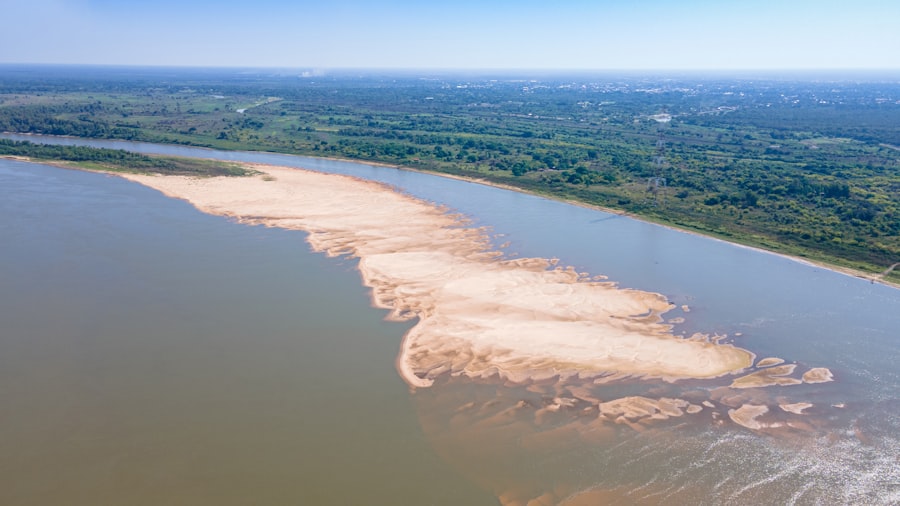
The Mississippi River is subject to a complex web of environmental regulations aimed at protecting water quality, ecosystems, and biodiversity. Non-compliance with these regulations can lead to significant financial penalties, reputational damage, and operational restrictions, impacting bond issuers.
Clean Water Act and Permitting
The Clean Water Act (CWA) is a cornerstone of environmental protection for the Mississippi River, regulating pollutant discharges and water quality standards.
- National Pollutant Discharge Elimination System (NPDES) Permits: Industrial and municipal facilities discharging into the river must obtain NPDES permits, which specify effluent limitations and monitoring requirements. Violations can result in substantial fines and mandated upgrades to treatment facilities, impacting bond proceeds and operational budgets.
- Total Maximum Daily Loads (TMDLs): For impaired water bodies, states establish TMDLs, which set limits on pollutant introductions. Industries and municipalities within impaired watersheds may face stricter discharge limits or be required to implement costly best management practices. Bond covenants may explicitly or implicitly reference compliance with such regulations.
Ecosystem Restoration and Conservation Initiatives
Various initiatives focusing on ecosystem restoration, wetlands protection, and species conservation are ongoing along the Mississippi River. These efforts, while vital for long-term ecological health, can introduce compliance costs and operational constraints for private and public entities.
- Wetlands Delineation and Mitigation: Development projects in or near wetlands adjacent to the river often require stringent wetlands delineation and costly mitigation efforts, impacting project timelines and budgets. Bonds associated with such projects must account for these potential expenses.
- Endangered Species Act Compliance: The presence of endangered species within riverine habitats can trigger protective measures that impact dredging operations, construction projects, and land use, potentially increasing costs and delaying projects funded by bonds.
Geopolitical and Social Factors

Beyond environmental and economic considerations, a less tangible but equally impactful set of geopolitical and social factors can influence bond covenant risk along the Mississippi River. These dynamics often emerge from competing interests and the broad societal value placed on the river.
Interstate Water Rights and Resource Allocation
The Mississippi River flows through or borders ten U.S. states, creating a complex arena for interstate compacts, water rights disputes, and resource allocation challenges.
- Legal Challenges and Litigation: Disputes over water withdrawals, pollution, and navigation rights can lead to protracted legal battles between states, consuming significant public resources and creating uncertainty for bond issuers whose operations depend on consistent river conditions.
- Regional Cooperation and Conflict: The success of basin-wide management often hinges on collaborative efforts among states. A breakdown in cooperation can lead to uncoordinated responses to environmental challenges, exacerbating risks for all stakeholders. Bond covenants need to consider the stability of such inter-state agreements.
Public Perception and Activism
The Mississippi River holds deep cultural, historical, and environmental significance, making it a focal point for public concern and activism.
- Environmental Justice Concerns: Communities along the river, particularly those with marginalized populations, often bear a disproportionate burden of environmental pollution and industrial impacts. Activism stemming from environmental justice concerns can lead to increased regulatory scrutiny, public pressure for stricter controls, and potential legal challenges that impact bond issuers.
- Media Scrutiny and Reputation Risk: Incidents of pollution, infrastructure failures, or environmental degradation along the river can attract significant media attention and public outcry. This can translate into reputational damage for companies or municipalities, potentially affecting their credit ratings and ability to access future bond markets.
The Mississippi River bond covenant risk is a critical topic for investors and policymakers alike, as it directly impacts the financial stability of projects reliant on this vital waterway. For a deeper understanding of the implications and strategies surrounding this issue, you can explore a related article that discusses the economic factors influencing bond covenants and their potential risks. This insightful piece can be found at My Geo Quest, where you will find valuable information that can enhance your perspective on the challenges faced by stakeholders in the region.
Risk Mitigation Strategies and Due Diligence
| Metric | Description | Value | Risk Implication |
|---|---|---|---|
| Debt Service Coverage Ratio (DSCR) | Measures ability to cover bond payments from revenue | 1.25 | Moderate risk; minimum covenant typically 1.20 |
| Liquidity Ratio | Cash and equivalents relative to short-term liabilities | 0.85 | Below ideal threshold; potential liquidity risk |
| Bond Covenant Compliance Rate | Percentage of covenants currently met | 95% | High compliance but watch for upcoming deadlines |
| Mississippi River Flow Variability | Annual variation in river flow affecting revenue | ±15% | Moderate risk due to impact on hydropower and navigation fees |
| Environmental Regulation Impact | Potential cost increase from new regulations | Projected 5% increase in operating costs | Elevated risk for covenant breaches if costs rise |
Given the multifaceted nature of Mississippi River bond covenant risks, robust risk mitigation strategies and thorough due diligence are indispensable for investors and issuers alike.
Comprehensive Environmental and Hydrological Assessments
Before issuing or investing in bonds tied to the Mississippi River, comprehensive assessments of environmental and hydrological conditions are critical.
- Climate Change Vulnerability Analysis: Understanding how projected climate change impacts (e.g., increased frequency of extreme weather events, sea level rise affecting the delta) might affect the issuer’s operations and revenue streams is crucial. This includes modeling future drought and flood scenarios.
- Ecological Impact Studies: For projects with potential ecological footprints, detailed studies assessing impacts on wetlands, endangered species, and water quality are necessary to anticipate regulatory hurdles and mitigation costs.
Robust Covenant Structuring and Disclosure
Bond covenants must be meticulously crafted to reflect the unique risks of operating within the Mississippi River Basin.
- Event-Specific Covenants: Including specific covenants that address hydrological extremes (e.g., minimum water levels for operational continuity, triggers for emergency flood control measures) can provide clearer expectations and risk allocation.
- Environmental Compliance Reporting: Covenants requiring regular and transparent reporting on environmental compliance, permit status, and mitigation efforts enhance accountability and provide early warning signs of potential issues.
- Insurance and Contingency Planning: Disclosures regarding insurance coverage for flood/drought damage and contingency plans for operational disruptions (e.g., alternative water sources, emergency transportation routes) offer investors a clearer picture of resilience.
Diversification and Geographic Spread
For investors, diversifying portfolios beyond single-asset or single-region exposure along the Mississippi River can help mitigate concentration risks.
- Sectoral Diversification: Investing across various sectors (e.g., agriculture, industry, municipal bonds) can balance risks, as different sectors may be impacted differently by river conditions.
- Upstream vs. Downstream Considerations: Recognizing the distinct hydrological and environmental challenges faced by upstream versus downstream communities and industries informs more nuanced investment decisions.
In conclusion, navigating Mississippi River bond covenant risk is akin to piloting a large vessel through shifting currents and unpredictable weather; it demands foresight, adaptability, and a deep understanding of the environment. For both bond issuers and investors, a failure to comprehensively address the intricate interplay of economic dependencies, hydrological volatility, environmental regulations, and geopolitical factors can lead to significant financial distress. Proactive engagement with these risks through meticulous due diligence, robust covenant structuring, and continuous monitoring is not merely a best practice; it is an imperative for ensuring long-term financial stability and sustainable development along America’s vital waterway.
WATCH THIS! 🚨CRACKING: Why America’s $5 Trillion Dam is Failing Right Now
FAQs
What is a bond covenant in the context of the Mississippi River?
A bond covenant is a legally binding agreement or set of conditions included in bond contracts related to projects or infrastructure along the Mississippi River. These covenants outline the responsibilities, restrictions, and protections for bondholders and issuers, often ensuring proper use of funds and maintenance of the river-related assets.
What types of risks are associated with Mississippi River bond covenants?
Risks can include environmental risks such as flooding or erosion, financial risks like default or insufficient revenue to meet bond payments, regulatory risks from changes in laws affecting river management, and operational risks related to maintenance and infrastructure performance.
How do bond covenants help mitigate risks for investors?
Bond covenants often include provisions that require issuers to maintain certain financial ratios, restrict additional debt issuance, or mandate regular reporting. These measures help protect investors by ensuring the issuer remains financially stable and transparent, reducing the likelihood of default.
Who typically issues bonds related to the Mississippi River?
Bonds related to the Mississippi River are typically issued by government entities such as state or local governments, port authorities, or special districts responsible for river infrastructure, flood control, navigation, or environmental projects.
What role does the Mississippi River play in bond financing?
The Mississippi River is a critical commercial and environmental resource, and bond financing is often used to fund projects that maintain or improve navigation channels, flood control systems, levees, and environmental restoration efforts along the river.
Can bondholders influence decisions related to the Mississippi River projects?
While bondholders do not usually have direct control over project decisions, bond covenants may grant them certain rights, such as the ability to demand financial disclosures or take legal action if the issuer violates covenant terms.
What happens if a bond covenant related to the Mississippi River is breached?
A breach of covenant can lead to consequences such as increased interest rates, acceleration of debt repayment, or legal action by bondholders. It may also affect the issuer’s credit rating and ability to raise future funds.
How can environmental factors impact Mississippi River bond covenants?
Environmental factors like flooding, sedimentation, or climate change can affect the physical infrastructure financed by bonds, potentially leading to increased maintenance costs or damage. Bond covenants may include provisions to address these risks or require insurance coverage.
Are there specific regulations governing Mississippi River bond covenants?
Bond covenants must comply with federal and state securities laws, as well as regulations related to public finance and environmental protection. Additionally, projects on the Mississippi River may be subject to oversight by agencies such as the U.S. Army Corps of Engineers.
Where can investors find information about Mississippi River bond covenants?
Investors can review official bond offering documents, such as the official statement or prospectus, which detail the covenants. These documents are typically available through municipal securities databases, issuer websites, or financial advisors.