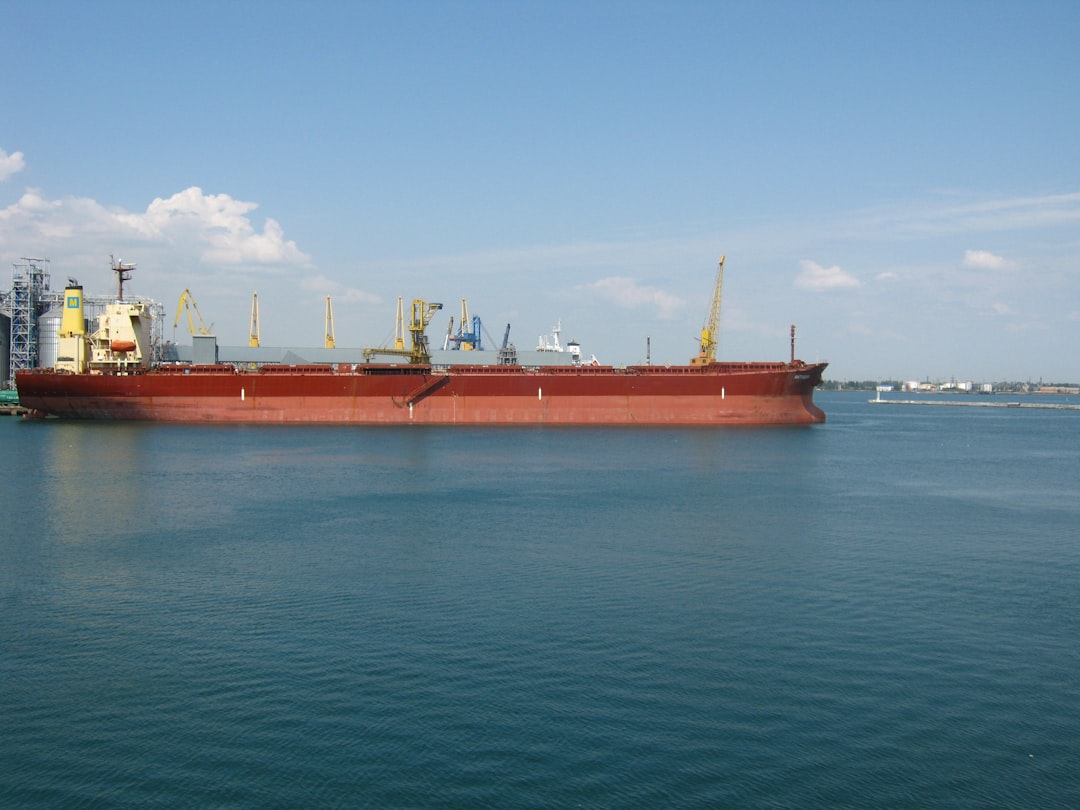
Liquefied Natural Gas (LNG) shipping constitutes a critical element of global energy infrastructure, enabling natural gas transport across intercontinental distances. The Suez Canal, a 193-kilometer waterway linking the Mediterranean and Red Seas, serves as a major transit route for this industry. The canal reduces the journey between Europe and Asia by approximately 7,000 kilometers compared to the Cape of Good Hope route, decreasing voyage times by 8-10 days and reducing fuel consumption and operational costs for LNG carriers.
The canal’s specifications allow passage of vessels up to 20.1 meters draft and 77.5 meters beam, accommodating most modern LNG tankers. In 2023, approximately 12% of global LNG trade transited through the Suez Canal, representing roughly 45 million tons of LNG annually. Major energy exporters including Qatar, the United States, and Australia utilize this route to supply European and Asian markets efficiently.
LNG shipping through the Suez Canal directly impacts global energy security and pricing mechanisms. Transit disruptions can affect spot LNG prices and force cargo diversions, increasing transportation costs by 15-20%. The canal’s capacity to handle LNG traffic influences supply chain reliability for importing nations, particularly in Europe where LNG accounts for approximately 25% of natural gas consumption.
Understanding Suez Canal LNG transit patterns provides essential data for energy market analysis, infrastructure planning, and supply security assessments.
Key Takeaways
- The Suez Canal is a critical route for efficient LNG shipping between key global markets.
- LNG shipping through the canal faces challenges including navigation safety, environmental factors, and regulatory compliance.
- Weather conditions and strict safety protocols are essential considerations for LNG tanker transit in the canal.
- Geopolitical events and transit fees significantly impact the cost and security of LNG shipments via the Suez Canal.
- Technological innovations and evolving regulations shape the future outlook of LNG shipping through this strategic waterway.
The Importance of the Suez Canal for LNG Shipping
The Suez Canal is often regarded as one of the most important waterways in the world, particularly for LNG shipping. By providing a direct passage between Europe and Asia, it allows LNG carriers to avoid the lengthy journey around the Cape of Good Hope. This not only saves time but also significantly reduces fuel consumption and associated emissions, aligning with global efforts to promote sustainability in maritime transport.
The canal’s ability to accommodate large vessels further enhances its appeal, making it a preferred route for many LNG shipments. Moreover, the Suez Canal serves as a critical junction for global energy trade. As countries increasingly turn to LNG to meet their energy needs, the canal facilitates the movement of this vital resource from producing regions to markets where demand is high.
The economic implications are substantial; countries that rely on LNG imports benefit from reduced transportation costs and improved energy security. In this context, the Suez Canal is not merely a geographical feature but a linchpin in the global energy supply chain.
Challenges and Considerations for LNG Shipping Through the Suez Canal
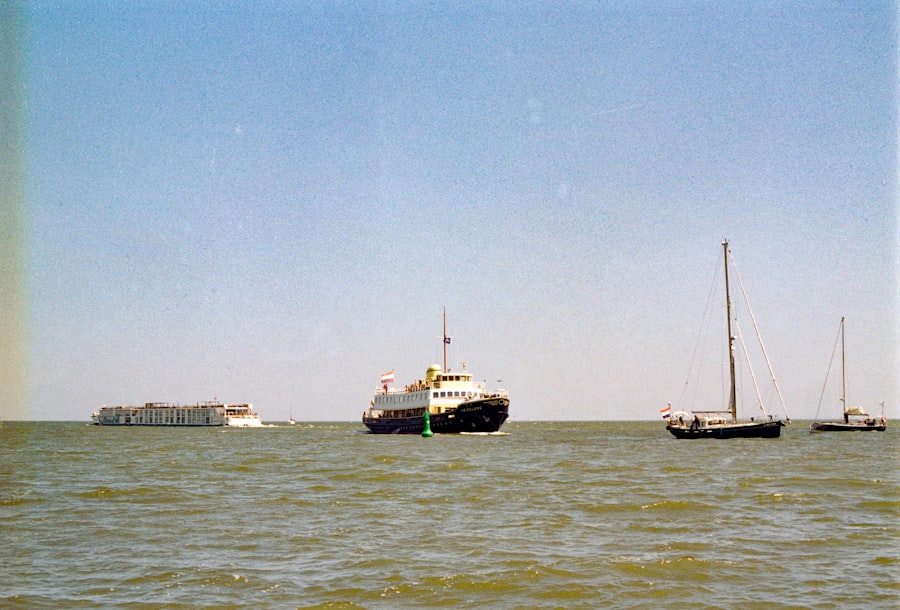
Despite its advantages, LNG shipping through the Suez Canal is not without challenges. One of the primary concerns is the canal’s capacity to handle an increasing number of LNG vessels. As global demand for LNG continues to rise, there is a pressing need for infrastructure improvements to accommodate larger ships and higher traffic volumes.
Delays in transit can lead to significant financial losses for shipping companies and energy producers alike, making it imperative for authorities to invest in expanding and modernizing canal facilities. Another challenge lies in the geopolitical landscape surrounding the Suez Canal. The region has historically been prone to political instability and conflict, which can disrupt shipping operations and pose risks to vessels transiting through the canal.
Shipping companies must navigate these uncertainties while ensuring compliance with international regulations and safety protocols. As such, thorough risk assessments and contingency planning are essential components of successful LNG shipping operations in this critical maritime corridor.
Weather and Environmental Factors Affecting LNG Shipping in the Suez Canal
Weather conditions play a significant role in LNG shipping through the Suez Canal, influencing both navigation and operational efficiency. The region experiences a range of climatic conditions, from strong winds to fog, which can impact visibility and vessel maneuverability.
Environmental factors also come into play, particularly concerning marine ecosystems in and around the canal. The Suez Canal is home to diverse marine life, and increased shipping traffic raises concerns about potential ecological impacts. Shipping companies are increasingly aware of their environmental responsibilities and are adopting measures to minimize their footprint.
This includes implementing best practices for ballast water management and adhering to regulations aimed at protecting marine biodiversity.
Navigation and Safety Protocols for LNG Tankers in the Suez Canal
| Metric | Value | Unit | Notes |
|---|---|---|---|
| Average LNG Ship Transit Time | 12 | hours | Time taken to cross the Suez Canal |
| Daily LNG Ship Transits | 5-7 | ships/day | Average number of LNG carriers passing daily |
| Suez Canal LNG Shipping Volume | 15 | million tons/year | Estimated LNG volume transported annually |
| Distance Saved via Suez Canal | 4,500 | nautical miles | Compared to route around the Cape of Good Hope |
| Average LNG Carrier Size | 170,000 | cubic meters | Typical capacity of LNG vessels using the canal |
| Canal Transit Fee for LNG Ships | 100,000 – 150,000 | USD | Approximate fee range per LNG carrier transit |
| Impact on Global LNG Shipping | Significant | N/A | Key chokepoint for LNG trade between Middle East and Europe/Asia |
Navigating through the Suez Canal requires adherence to stringent safety protocols designed to protect both vessels and the environment. LNG tankers are subject to specific regulations that govern their operations within the canal, including guidelines on speed limits, communication protocols with canal authorities, and emergency response procedures. These measures are crucial for ensuring safe passage through one of the world’s busiest waterways.
In addition to regulatory compliance, LNG carriers are equipped with advanced navigation systems that enhance situational awareness during transit. These technologies enable crews to monitor weather conditions, track other vessels, and respond swiftly to any potential hazards. Training programs for crew members also emphasize safety practices and emergency preparedness, ensuring that they are well-equipped to handle any challenges that may arise during their journey through the canal.
Regulatory and Legal Considerations for LNG Shipping Through the Suez Canal
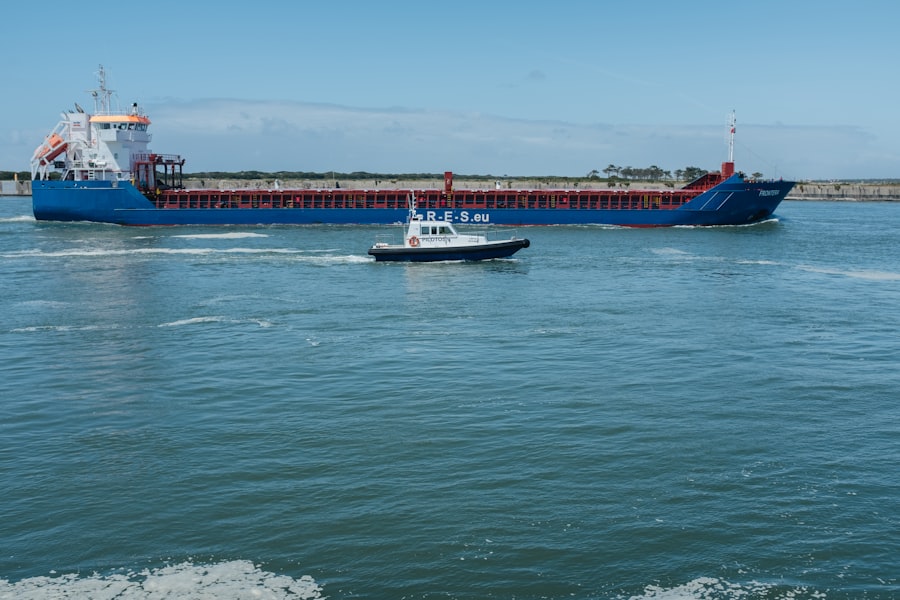
The regulatory framework governing LNG shipping through the Suez Canal is complex and multifaceted. Various international conventions and national laws dictate how LNG carriers must operate within this critical waterway. Compliance with these regulations is essential not only for legal reasons but also for maintaining safety standards and protecting the environment.
Shipping companies must navigate a myriad of legal considerations, including customs regulations, environmental protection laws, and liability issues related to potential accidents or spills. Additionally, they must stay informed about changes in regulations that may arise due to evolving international standards or regional policies. Engaging with legal experts who specialize in maritime law can help companies mitigate risks and ensure compliance with all applicable regulations.
Suez Canal Transit Fees and Costs for LNG Shipping
Transit fees represent a significant cost factor for LNG shipping through the Suez Canal. These fees are determined based on various criteria, including vessel size, type of cargo, and prevailing market conditions. For LNG carriers, these costs can be substantial, impacting overall shipping economics and influencing decisions about routing.
Shipping companies must carefully assess these fees when planning their logistics strategies. While the Suez Canal offers time savings compared to alternative routes, the associated costs must be weighed against potential savings in fuel consumption and delivery times. As competition among shipping lines intensifies, companies may seek ways to optimize their operations and negotiate favorable terms with canal authorities to enhance their profitability.
Impact of Geopolitical Events on LNG Shipping Through the Suez Canal
Geopolitical events can have profound implications for LNG shipping through the Suez Canal. The region’s history of political instability means that events such as conflicts or diplomatic tensions can disrupt shipping operations or lead to increased insurance costs for vessels transiting through the canal. Such uncertainties necessitate proactive risk management strategies by shipping companies.
Moreover, geopolitical developments can influence global energy markets, affecting supply and demand dynamics for LNG. For instance, sanctions imposed on certain countries may redirect trade flows or alter established supply chains. In this context, stakeholders must remain vigilant and adaptable, continuously monitoring geopolitical developments that could impact their operations in this vital maritime corridor.
Technological Advancements and Innovations in LNG Shipping Through the Suez Canal
Technological advancements are reshaping the landscape of LNG shipping through the Suez Canal, enhancing efficiency and safety while reducing environmental impacts. Innovations such as digital navigation systems, automated cargo handling processes, and advanced hull designs contribute to more streamlined operations. These technologies enable shipping companies to optimize routes, minimize fuel consumption, and improve overall operational performance.
Furthermore, advancements in communication technologies facilitate real-time data sharing between vessels and shore-based operations. This connectivity allows for better coordination with canal authorities and enhances situational awareness during transit. As technology continues to evolve, it holds great promise for further improving LNG shipping practices in the Suez Canal.
Future Outlook for LNG Shipping Through the Suez Canal
The future outlook for LNG shipping through the Suez Canal appears promising as global demand for cleaner energy sources continues to grow. With many countries prioritizing energy diversification and sustainability initiatives, LNG is likely to play an increasingly vital role in meeting these objectives. The canal’s strategic location positions it as a key facilitator of this transition.
However, challenges remain on the horizon. Infrastructure investments will be necessary to accommodate larger vessels and increased traffic volumes while ensuring safety standards are upheld. Additionally, geopolitical uncertainties may continue to pose risks that require careful navigation by shipping companies.
Nevertheless, with ongoing technological advancements and a commitment to sustainability, LNG shipping through the Suez Canal is poised for growth in an evolving global energy landscape.
Navigating the Suez Canal for LNG Shipping in a Changing Global Landscape
In conclusion, navigating the Suez Canal for LNG shipping presents both opportunities and challenges within a rapidly changing global landscape. The canal’s strategic importance as a conduit for energy trade cannot be overstated; it serves as a vital link between producers and consumers while facilitating more efficient transportation routes. However, stakeholders must remain cognizant of various factors that influence operations—ranging from regulatory compliance to geopolitical dynamics.
As demand for cleaner energy sources continues to rise, LNG will likely play an increasingly prominent role in global energy markets. The future of LNG shipping through the Suez Canal will depend on continued investment in infrastructure improvements, technological innovations, and proactive risk management strategies that address both environmental concerns and geopolitical uncertainties. By navigating these complexities effectively, stakeholders can position themselves favorably within this critical maritime corridor while contributing to a more sustainable energy future.
The Suez Canal plays a crucial role in the global shipping of liquefied natural gas (LNG), significantly impacting trade routes and energy supply chains. For a deeper understanding of the implications of LNG shipping through this vital waterway, you can read more in this related article on MyGeoQuest: MyGeoQuest.
FAQs
What is the Suez Canal?
The Suez Canal is a man-made waterway in Egypt that connects the Mediterranean Sea to the Red Sea. It serves as a crucial maritime route for global shipping, significantly reducing the travel distance between Europe and Asia.
Why is the Suez Canal important for LNG shipping?
The Suez Canal is a vital passage for liquefied natural gas (LNG) carriers because it provides the shortest maritime route between LNG exporting countries in the Middle East and importing markets in Europe and North America. Using the canal reduces transit time and fuel costs.
What types of LNG vessels use the Suez Canal?
Various types of LNG carriers, including conventional, membrane, and spherical tank vessels, transit the Suez Canal. These ships are specially designed to transport LNG safely and efficiently over long distances.
Are there any restrictions for LNG ships passing through the Suez Canal?
Yes, LNG carriers must comply with the Suez Canal Authority’s regulations, which include size limitations, safety protocols, and scheduling requirements. The canal has specific draft and beam restrictions that LNG vessels must meet to transit safely.
How does the Suez Canal impact global LNG supply chains?
By providing a shorter and more direct route, the Suez Canal helps reduce shipping times and costs for LNG deliveries. This efficiency supports timely supply to global markets, enhancing energy security and market stability.
What happens if the Suez Canal is blocked or closed?
A blockage or closure of the Suez Canal can cause significant delays and increased shipping costs for LNG carriers, forcing them to take longer alternative routes such as around the Cape of Good Hope. This can disrupt global LNG supply chains and impact prices.
Are there any recent developments related to LNG shipping through the Suez Canal?
Recent developments include infrastructure upgrades and navigational improvements by the Suez Canal Authority to accommodate larger LNG vessels and increase transit capacity, reflecting the growing importance of LNG in global energy markets.
Can LNG ships pass through the Suez Canal at any time?
Transit through the Suez Canal is subject to scheduling and traffic management by the Suez Canal Authority. LNG carriers typically need to book transit slots in advance and adhere to specific timing to ensure safe and efficient passage.
What safety measures are in place for LNG shipping in the Suez Canal?
Safety measures include strict navigation rules, pilotage requirements, speed limits, and emergency response protocols to prevent accidents and ensure the safe transit of LNG carriers through the canal.
How does the Suez Canal compare to other routes for LNG shipping?
The Suez Canal offers the shortest and most cost-effective route between the Middle East and Europe compared to alternatives like the Cape of Good Hope. However, its size restrictions and potential for congestion are factors that shipping companies consider when planning LNG shipments.