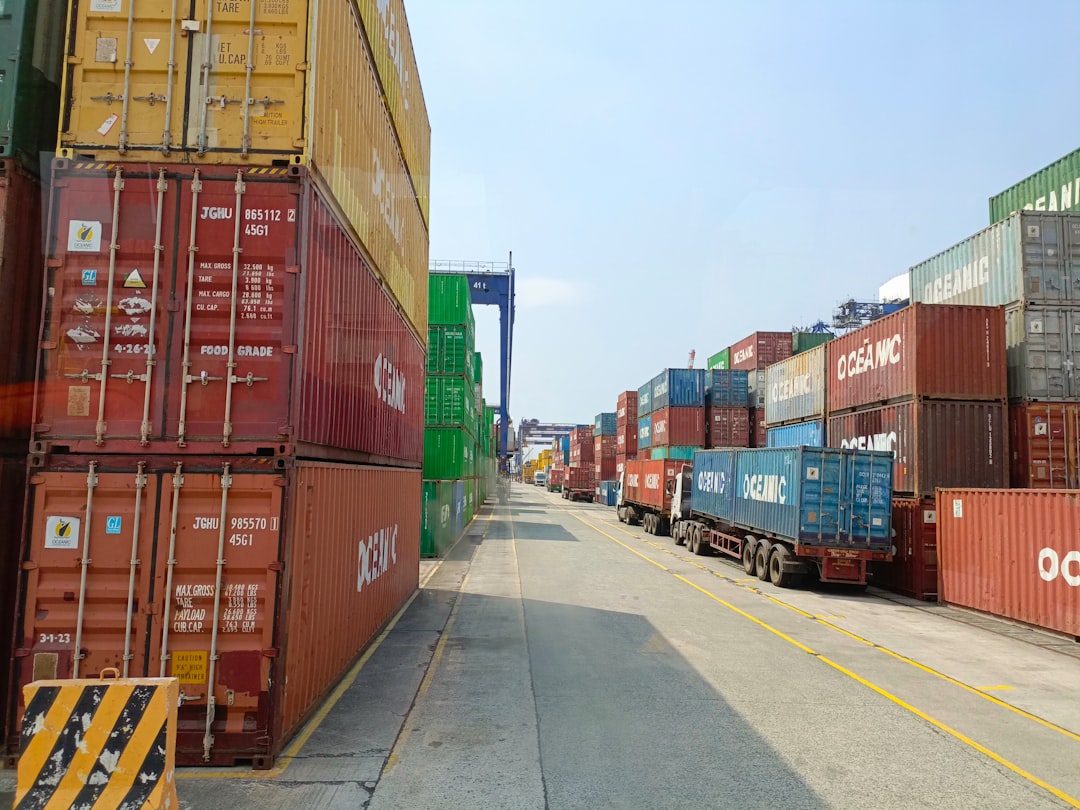
International trade is a complex web of transactions that connects economies across the globe. However, this intricate system is often hindered by various bottlenecks that can impede the flow of goods and services. Understanding these bottlenecks is crucial for businesses and policymakers alike, as they can significantly affect trade efficiency and economic growth.
Bottlenecks can arise from a multitude of sources, including logistical challenges, regulatory barriers, and financial constraints. By identifying and addressing these issues, stakeholders can enhance their competitive edge in the global marketplace. The impact of trade bottlenecks extends beyond individual businesses; they can also affect entire economies.
When goods are delayed or stuck in transit, it can lead to increased costs, reduced market access, and ultimately, a loss of revenue. Moreover, these bottlenecks can create ripple effects throughout supply chains, causing disruptions that may take time to resolve. Therefore, a comprehensive understanding of the factors contributing to trade bottlenecks is essential for developing effective strategies to mitigate their impact.
Key Takeaways
- Understanding International Trade Bottlenecks
- Trade bottlenecks can occur at various stages of the international trade process, leading to delays and increased costs.
- Identifying Common Trade Bottlenecks
- Common trade bottlenecks include customs delays, documentation errors, transportation inefficiencies, and communication barriers.
- Strategies for Overcoming Trade Bottlenecks
- Implementing proactive planning, investing in infrastructure, and streamlining processes can help overcome trade bottlenecks.
- Leveraging Technology to Streamline Trade Processes
- Utilizing digital platforms, automation, and data analytics can improve efficiency and reduce trade bottlenecks.
- Navigating Regulatory Hurdles in International Trade
- Understanding and complying with international trade regulations is crucial for navigating regulatory hurdles and avoiding disruptions.
Identifying Common Trade Bottlenecks
Several common trade bottlenecks frequently emerge in international commerce. One of the most prevalent issues is logistical inefficiency, which can manifest in various forms, such as inadequate transportation infrastructure or insufficient warehousing facilities. These logistical challenges can lead to delays in shipping and increased costs, ultimately affecting the timely delivery of goods.
Additionally, customs procedures can be a significant source of bottlenecks, as lengthy inspections and paperwork can slow down the clearance process at borders. Another common bottleneck arises from regulatory hurdles that vary from country to country. Different nations have distinct regulations regarding product standards, tariffs, and import/export restrictions.
Navigating these regulations can be daunting for businesses, particularly small and medium-sized enterprises (SMEs) that may lack the resources to manage compliance effectively. Furthermore, currency fluctuations and financial constraints can also create obstacles in international trade, making it difficult for companies to price their products competitively or secure necessary financing.
Strategies for Overcoming Trade Bottlenecks
To effectively overcome trade bottlenecks, businesses must adopt a multifaceted approach that addresses the root causes of these challenges. One effective strategy is to invest in supply chain optimization. By analyzing and streamlining supply chain processes, companies can identify inefficiencies and implement solutions that enhance overall performance.
This may involve adopting just-in-time inventory practices or collaborating with logistics providers to improve transportation routes and reduce lead times. Another critical strategy involves fostering strong relationships with customs authorities and regulatory bodies. By engaging in open communication and collaboration with these entities, businesses can gain insights into regulatory changes and streamline compliance processes.
Additionally, companies should consider leveraging technology to automate documentation and reporting requirements, which can significantly reduce the time spent on administrative tasks and minimize the risk of errors.
Leveraging Technology to Streamline Trade Processes
| Technology | Trade Processes | Benefits |
|---|---|---|
| Blockchain | Documentation and verification | Increased security and transparency |
| Artificial Intelligence | Automated data analysis | Improved decision-making and efficiency |
| Internet of Things (IoT) | Supply chain tracking | Real-time monitoring and inventory management |
| Cloud Computing | Data storage and accessibility | Cost savings and scalability |
In today’s digital age, technology plays a pivotal role in streamlining international trade processes. The adoption of advanced technologies such as blockchain, artificial intelligence (AI), and the Internet of Things (IoT) has the potential to revolutionize how businesses conduct cross-border transactions. For instance, blockchain technology can enhance transparency and traceability in supply chains, allowing stakeholders to track products from origin to destination seamlessly.
This increased visibility can help mitigate risks associated with fraud and counterfeiting. Moreover, AI-driven analytics can provide valuable insights into market trends and consumer behavior, enabling businesses to make informed decisions regarding pricing and inventory management. The IoT can facilitate real-time monitoring of shipments, allowing companies to respond swiftly to any disruptions or delays.
By leveraging these technologies, businesses can not only streamline their operations but also enhance their competitiveness in the global marketplace.
Navigating Regulatory Hurdles in International Trade
Regulatory hurdles are often cited as one of the most significant challenges in international trade. Each country has its own set of rules and regulations governing imports and exports, which can create confusion for businesses seeking to enter new markets.
This may involve conducting thorough research on local laws, tariffs, and compliance requirements. Additionally, businesses should consider engaging local experts or consultants who possess in-depth knowledge of the regulatory environment. These professionals can provide valuable guidance on navigating bureaucratic processes and ensuring compliance with local regulations.
Furthermore, participating in trade associations or industry groups can offer networking opportunities and access to resources that help businesses stay informed about regulatory changes that may impact their operations.
The Role of Logistics in Mitigating Trade Bottlenecks
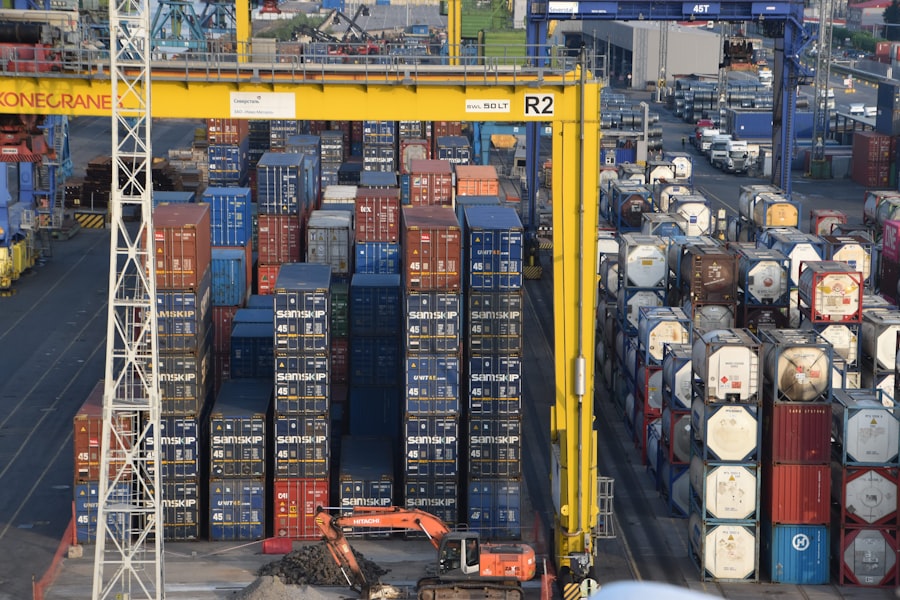
Logistics plays a crucial role in mitigating trade bottlenecks by ensuring the efficient movement of goods across borders. A well-structured logistics strategy can significantly reduce delays and enhance overall supply chain performance. Companies should prioritize building strong relationships with logistics providers who have a proven track record of reliability and efficiency.
By collaborating closely with these partners, businesses can optimize transportation routes, consolidate shipments, and improve delivery times. Moreover, investing in logistics technology can further enhance operational efficiency. For example, implementing transportation management systems (TMS) allows companies to monitor shipments in real-time, manage inventory levels effectively, and analyze transportation costs.
By leveraging these tools, businesses can make data-driven decisions that minimize delays and reduce costs associated with international trade.
Building Strong Relationships with International Partners
Establishing strong relationships with international partners is essential for navigating the complexities of global trade. Trust and collaboration are key components of successful partnerships that can help mitigate trade bottlenecks. Businesses should prioritize open communication with their partners, sharing information about market trends, regulatory changes, and logistical challenges.
This collaborative approach fosters a sense of shared responsibility and encourages problem-solving when issues arise. Additionally, investing time in relationship-building activities such as attending industry conferences or participating in trade missions can yield significant benefits. These interactions provide opportunities for businesses to connect with potential partners, suppliers, and customers while gaining insights into local market dynamics.
By nurturing these relationships over time, companies can create a robust network that supports their international trade endeavors.
Addressing Currency and Financial Challenges in International Trade
Currency fluctuations pose a significant challenge for businesses engaged in international trade. Exchange rate volatility can impact pricing strategies and profit margins, making it essential for companies to develop effective financial management strategies. One approach is to utilize hedging techniques that protect against adverse currency movements.
By locking in exchange rates through forward contracts or options, businesses can mitigate the risks associated with currency fluctuations. Furthermore, securing financing options tailored for international trade is crucial for maintaining cash flow during cross-border transactions. Companies should explore various financing solutions such as letters of credit or trade finance facilities that provide the necessary liquidity to support their operations.
By addressing currency and financial challenges proactively, businesses can enhance their resilience in the face of global market uncertainties.
Managing Supply Chain Disruptions in Global Trade
Supply chain disruptions have become increasingly common in today’s interconnected world due to factors such as natural disasters, geopolitical tensions, and pandemics. To effectively manage these disruptions, businesses must adopt a proactive approach that emphasizes risk assessment and contingency planning. Conducting regular risk assessments allows companies to identify vulnerabilities within their supply chains and develop strategies to mitigate potential disruptions.
Additionally, diversifying suppliers and sourcing options can enhance resilience against supply chain disruptions. By establishing relationships with multiple suppliers across different regions, businesses can reduce their dependence on a single source and ensure continuity of supply even when faced with unforeseen challenges. Implementing agile supply chain practices that allow for quick adjustments in response to changing circumstances is also essential for maintaining operational efficiency.
Utilizing Trade Agreements to Facilitate Smooth Transactions
Trade agreements play a vital role in facilitating smooth transactions between countries by reducing tariffs and simplifying customs procedures. Businesses should actively seek out opportunities to leverage existing trade agreements that apply to their operations. Understanding the specific provisions of these agreements can help companies take advantage of reduced tariffs or preferential treatment when exporting or importing goods.
Moreover, engaging with government agencies or trade associations that promote awareness of trade agreements can provide valuable insights into how these agreements impact specific industries or markets. By staying informed about changes in trade policies or new agreements being negotiated, businesses can position themselves strategically to capitalize on emerging opportunities in international markets.
The Future of International Trade: Trends and Innovations
As international trade continues to evolve, several trends and innovations are shaping its future landscape. One notable trend is the increasing emphasis on sustainability within global supply chains. Consumers are becoming more conscious of environmental issues, prompting businesses to adopt sustainable practices that minimize their ecological footprint.
This shift towards sustainability not only meets consumer demand but also enhances brand reputation and competitiveness. Additionally, advancements in technology are expected to drive further innovation in international trade processes. The rise of e-commerce has transformed how businesses engage with customers across borders, enabling them to reach new markets more easily than ever before.
Furthermore, developments in automation and artificial intelligence are likely to streamline operations further, reducing costs and improving efficiency. In conclusion, understanding international trade bottlenecks is essential for navigating the complexities of global commerce successfully. By identifying common challenges and implementing effective strategies to overcome them—such as leveraging technology, building strong relationships with partners, addressing financial constraints, managing supply chain disruptions, utilizing trade agreements—businesses can position themselves for success in an increasingly interconnected world.
As trends continue to evolve and innovations emerge, staying adaptable will be key for companies looking to thrive in the future of international trade.
A related article on this topic can be found on MyGeoQuest, which delves into the complexities of these trade disruptions and their implications for businesses worldwide. The article provides insights into the causes of these bottlenecks, such as logistical constraints and geopolitical tensions, and discusses potential strategies for mitigating their effects. For a more in-depth understanding, you can read the full article by visiting MyGeoQuest.
😨 WATCH THIS! 🚢 The Panama Canal Is a Ticking Time Bomb: What Happens If It Fails?
FAQs
What are international trade bottlenecks?
International trade bottlenecks refer to obstacles or barriers that hinder the smooth flow of goods and services across international borders. These bottlenecks can include issues related to customs procedures, transportation infrastructure, trade regulations, and administrative processes.
What are some common examples of international trade bottlenecks?
Common examples of international trade bottlenecks include lengthy customs clearance procedures, inadequate transportation infrastructure, complex trade regulations, bureaucratic red tape, and inefficient administrative processes.
How do international trade bottlenecks impact global trade?
International trade bottlenecks can lead to delays in the movement of goods, increased transportation costs, higher trade transaction costs, and reduced efficiency in global supply chains. These bottlenecks can also hinder the competitiveness of businesses and limit the growth of international trade.
What measures can be taken to address international trade bottlenecks?
Measures to address international trade bottlenecks may include streamlining customs procedures, investing in transportation infrastructure, harmonizing trade regulations, implementing trade facilitation measures, and enhancing administrative efficiency. International cooperation and the use of technology can also help alleviate trade bottlenecks.
What are the potential benefits of addressing international trade bottlenecks?
Addressing international trade bottlenecks can lead to improved efficiency in global supply chains, reduced trade transaction costs, increased trade volumes, enhanced competitiveness for businesses, and overall economic growth. It can also facilitate the smooth flow of goods and services across borders.