Navigating Inland Waterways: Petroleum Product Transport
The vast network of rivers, canals, and lakes forms an essential artery for the transportation of petroleum products, a process that underpins modern economies. These inland waterways, often overlooked in favor of more visible rail and road infrastructure, play a crucial role in delivering gasoline to fuel stations, heating oil to homes, and feedstocks for chemical industries. This article delves into the complexities, advantages, and challenges associated with transporting petroleum products via inland waterways, offering a comprehensive view for those seeking to understand this vital logistics chain.
Inland waterways have been a cornerstone of trade for millennia, and their importance has not diminished with the advent of newer technologies. For petroleum products, this network offers a unique set of advantages that make it an indispensable component of the supply chain. As the lifeblood of industries and daily life, the uninterrupted flow of petroleum is paramount, and inland waterways provide a reliable and often cost-effective means of ensuring this flow. Consider these waterways as the circulatory system of the industrial landscape, carrying essential resources to where they are needed most.
Historical Context and Evolution of Petroleum Transport
The Indispensable Role of Barges and Tankers
Geographic Significance of Major Waterway Networks
In recent discussions about the efficiency and environmental impact of transporting petroleum products, the use of inland waterways has emerged as a significant topic. A related article that delves into the advantages and challenges of this transportation method can be found at My Geo Quest. This resource provides valuable insights into how inland waterways can serve as a sustainable alternative to traditional road and rail transport, potentially reducing carbon emissions and traffic congestion.
Advantages of Petroleum Product Transport via Inland Waterways
The decision to utilize inland waterways for the transport of petroleum products is rarely arbitrary. It is driven by a confluence of economic, environmental, and logistical benefits that often surpass those offered by other modes of transportation. These advantages contribute to the overall efficiency and sustainability of the petroleum supply chain, acting as a silent but powerful force in keeping industries running and consumers supplied.
Economic Efficiencies: The Cost-Effective Backbone
One of the most compelling arguments for using inland waterways is their inherent cost-effectiveness, especially for bulk cargo. The physics of water transport allow for the conveyance of immense volumes of petroleum products with significantly lower fuel consumption per ton-mile compared to road or rail. This translates into substantial savings for shippers, which can ultimately benefit consumers. A single barge, for instance, can carry the equivalent of hundreds of truckloads, a stark illustration of the economies of scale at play.
Lower Operational Costs Per Unit
Economies of Scale in Bulk Shipments
Reduced Need for Infrastructure Maintenance (Compared to Roads)
Environmental Benefits: A Greener Footprint
In an era of increasing environmental awareness and concern, the environmental advantages of waterway transport are becoming ever more significant. Reduced greenhouse gas emissions and a lower risk of spills compared to pipelines or road transport are key factors. Of course, no mode of transport is entirely without its environmental impact, but when it comes to moving large quantities of petroleum, the waterways often present a more sustainable option. The gentle flow of a river carrying a fleet of barges is a far less jarring impact on the landscape than the constant rumble of heavy trucks.
Lower Carbon Emissions Per Ton-Mile
Reduced Air Pollution
Mitigation of Noise Pollution
Lower Risk of Large-Scale Spills (Compared to Pipelines)
Capacity and Volume: The Power of the Fleet
Inland waterways possess an unparalleled ability to move vast quantities of petroleum products simultaneously. The sheer carrying capacity of barge fleets is a critical advantage when dealing with the substantial volumes required by refineries, distribution terminals, and industrial users. This capacity ensures that demand can be met consistently, even during periods of high consumption. Imagine a convoy of barges as a powerful conveyor belt, moving a steady stream of fuel across the continent.
High Payload Capacity of Barges and Tankers
Ability to Handle Large-Scale, Continuous Shipments
Flexibility in Fleet Deployment
Challenges and Considerations in Waterway Transport
Despite their numerous advantages, the transportation of petroleum products via inland waterways is not without its complexities and hurdles. Navigating these watery routes requires careful planning, robust infrastructure, and a keen awareness of the environmental and operational risks involved. Overcoming these challenges is key to maximizing the effectiveness of this vital transport mode.
Navigational Constraints: The Flow and the Fickle
The very nature of rivers and canals, their currents, depths, and width, dictates the operational window for waterway transport. Seasonal variations, such as low water levels during droughts or ice in colder climates, can significantly impact schedules and capacity. Moreover, the presence of locks and dams, while essential for maintaining navigable depths, introduces bottlenecks and can slow down transit times. These natural and man-made features are the gatekeepers of the waterway, and their moods must be understood and respected.
Dependence on Water Levels and Flow Rates
Seasonal Limitations (Ice, Droughts)
Impact of Locks and Dams on Transit Times
Channel Depth and Width Restrictions
Infrastructure Requirements: Ports, Terminals, and Dredging
Effective petroleum transport on inland waterways relies on a sophisticated network of supporting infrastructure. This includes ports equipped with specialized loading and unloading facilities, storage terminals, and the continuous maintenance of navigable channels through dredging. The investment in and upkeep of this infrastructure are critical for the smooth operation of the entire system. Without well-maintained ports and dredged channels, the arteries of commerce can become choked.
Port Facilities and Loading/Unloading Equipment
Storage and Distribution Terminals
Dredging and Channel Maintenance
Intermodal Connectivity (Rail and Road Links)
Safety and Security: A Paramount Concern
The inherent risks associated with transporting flammable petroleum products necessitate stringent safety and security protocols. Regulations governing vessel design, crew training, emergency response procedures, and the prevention of security threats are paramount. While the risk of catastrophic spills might be lower per ton-mile than some other modes, the potential consequences of an incident on a waterway can be significant, impacting sensitive ecosystems and communities. Vigilance is the constant companion of petroleum transport, especially on the water.
Regulatory Frameworks and Compliance
Vessel Design and Maintenance Standards
Crew Training and Competency
Emergency Response Planning and Preparedness
Security Measures Against Theft and Sabotage
Types of Vessels Used in Petroleum Transport

The vessels employed in inland waterway petroleum transport are specifically designed to optimize capacity, safety, and efficiency. These craft are the workhorses of the system, tailored to the unique demands of moving liquid hydrocarbons. Each type of vessel has its own niche, contributing to the overall robustness of the logistical network.
Tank Barges: The Workhorses of the Waterways
Tank barges are the most ubiquitous vessels for inland petroleum transport. These are essentially large, floating tanks, often compartmentalized to carry different grades of petroleum products. They are typically pushed or pulled by powerful tugboats, forming integrated units that navigate rivers and canals with impressive efficiency. Their simplicity belies their immense carrying power, making them the backbone of this industry.
Design and Construction
Compartmentalization for Multiple Products
Combination with Push Tugs
Integrated Tug-Barge Units (ITBs)
Integrated tug-barge units represent a more advanced configuration, where the barge and tug are permanently coupled. This design enhances maneuverability and operational efficiency, particularly in more challenging conditions or when navigating through complex waterway systems. This marriage of tug and barge offers a more unified and responsive transport solution.
Enhanced Maneuverability and Stability
Improved Operational Efficiency
Reduced Crew Requirements (in some cases)
Specialized Tankers for Specific Products
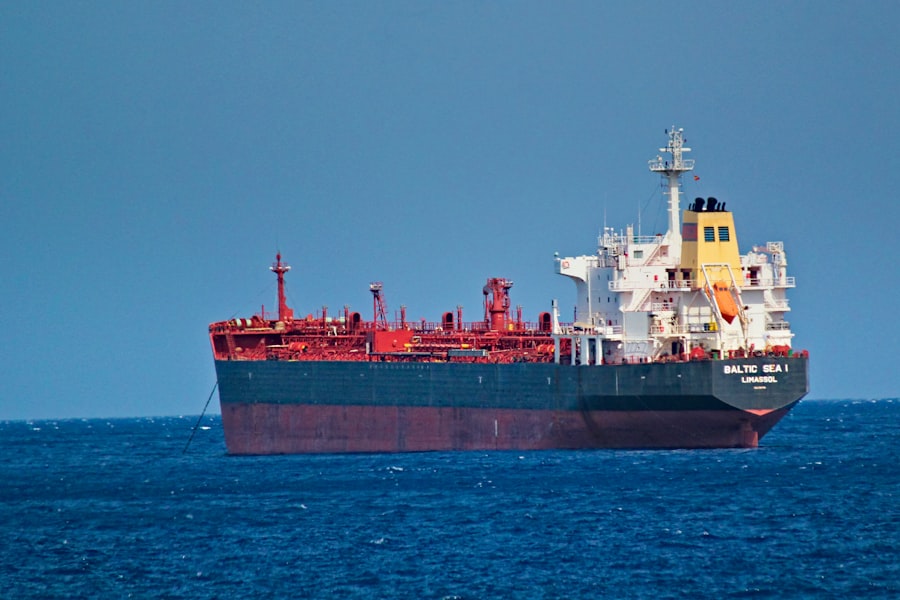
While tank barges are common, some inland waterways may accommodate larger, self-propelled tankers designed for specific petroleum products or more demanding routes. These vessels are often found on larger river systems or lakes that can support their size and draft.
Larger Capacity Vessels
Self-Propelled Capabilities
Suitability for Larger Water Bodies
In recent discussions about the efficiency of petroleum product transport, the use of inland waterways has gained significant attention due to its potential to reduce congestion on roadways and lower transportation costs. A related article explores the environmental benefits and logistical advantages of utilizing rivers and canals for this purpose, highlighting innovative strategies that can enhance the sustainability of the petroleum supply chain. For more insights on this topic, you can read the full article here.
The Process of Petroleum Product Loading and Unloading
| Metric | Value | Unit | Notes |
|---|---|---|---|
| Annual Volume Transported | 120 | Million Metric Tons | Estimated volume of petroleum products transported via inland waterways |
| Primary Transport Routes | Mississippi River, Rhine River, Yangtze River | — | Major inland waterways used for petroleum product transport |
| Average Transport Distance | 500 | Kilometers | Typical distance petroleum products are transported inland |
| Number of Barges Used | 3,500 | Units | Estimated number of barges dedicated to petroleum product transport |
| Transport Time | 24-72 | Hours | Average time range for inland waterway transport of petroleum products |
| Safety Incident Rate | 0.02 | Incidents per 1,000 shipments | Reported safety incidents involving petroleum product transport |
| Environmental Impact | Low to Moderate | — | Relative environmental impact compared to other transport modes |
| Fuel Efficiency | 500 | Ton-miles per gallon | Efficiency of petroleum product transport via inland waterways |
The transfer of petroleum products between terminals and vessels is a critical and highly regulated operation. Precision, safety, and environmental protection are paramount throughout the loading and unloading process. Think of this as the meticulous choreography that ensures the vital fluid moves without a hitch.
Loading Procedures: From Terminal to Tank
Loading begins with the vessel docking at a designated terminal, equipped with specialized pipelines and loading arms. Strict adherence to pre-loading checks, including ullage (empty space) verification and line integrity, is essential. The petroleum product is then pumped into the barge or tanker, with constant monitoring of flow rates and temperatures to prevent overfilling or static electricity buildup.
Pre-Loading Inspections and Safety Checks
Connection of Hoses and Loading Arms
Pumping Operations and Flow Rate Control
Monitoring of Product Levels and Temperatures
Prevention of Static Electricity Discharge
Unloading Procedures: Delivering the Cargo
Unloading mirrors the loading process in its emphasis on safety and precision. The vessel connects to the receiving terminal’s infrastructure, and the petroleum product is pumped out. Again, meticulous checks are performed to ensure all product is transferred and that the vessel is properly cleaned or prepared for its next cargo, if required.
Docking and Secure Connection
Pumping Operations from Vessel to Terminal
Product Transfer Monitoring
Vessel Discharge and Cleaning Preparations
Safety Protocols During Transfer
During both loading and unloading, a complex web of safety protocols is in place. This includes the use of grounding equipment to prevent static discharge, inert gas blanketing to reduce the risk of ignition, and the presence of trained personnel and spill containment equipment. Communication between the vessel crew and terminal operators is constant and crucial.
Grounding and Bonding Procedures
Inert Gas Blanketing Systems
Spill Prevention and Containment Measures
Communication and Coordination Between Vessel and Terminal
In conclusion, the navigation of inland waterways for petroleum product transport is a sophisticated and indispensable aspect of modern logistics. While offering significant economic and environmental advantages, it requires constant vigilance regarding navigational constraints, infrastructure demands, and stringent safety protocols. The continued evolution of vessel technology and operational practices will ensure that these vital water arteries remain a reliable conduit for the fuels that power our world.
FAQs
What are inland waterways used for in the transport of petroleum products?
Inland waterways are used to transport petroleum products such as crude oil, gasoline, diesel, and other refined products via barges and tank vessels. These waterways provide an efficient and cost-effective means of moving large volumes of petroleum products over long distances within a country.
What types of vessels are commonly used for transporting petroleum products on inland waterways?
The most common vessels used for transporting petroleum products on inland waterways are tank barges and tank towboats. These vessels are specifically designed to safely carry liquid cargoes, including various petroleum products, and are equipped with safety features to prevent spills and accidents.
What safety measures are in place for transporting petroleum products on inland waterways?
Safety measures include strict regulations on vessel construction and maintenance, crew training, use of double-hulled barges, regular inspections, emergency response plans, and monitoring of waterway conditions. These measures help minimize the risk of spills, leaks, and accidents during transport.
What are the advantages of using inland waterways for petroleum product transport?
Inland waterways offer advantages such as lower transportation costs compared to road or rail, reduced traffic congestion, lower emissions, and the ability to move large quantities of petroleum products efficiently. They also provide a reliable alternative route when other transport modes are disrupted.
Are there environmental concerns associated with transporting petroleum products on inland waterways?
Yes, environmental concerns include the risk of spills and leaks that can harm aquatic ecosystems, water pollution, and habitat disruption. To mitigate these risks, strict regulations, spill response strategies, and continuous monitoring are implemented to protect the environment during petroleum product transport on inland waterways.