
Global trade chokepoints are critical junctures in the international supply chain where the flow of goods can be significantly impeded. These chokepoints, often narrow passages or strategic locations, play a vital role in facilitating the movement of commodities across borders and oceans. Their importance cannot be overstated, as they serve as the arteries of global commerce, connecting producers to consumers and enabling economies to thrive.
The efficiency of these chokepoints directly influences trade volumes, shipping costs, and delivery times, making them essential for businesses and nations alike. Moreover, the significance of these chokepoints extends beyond mere logistics; they are also pivotal in shaping geopolitical dynamics. Control over key chokepoints can enhance a nation’s strategic position, allowing it to exert influence over global trade routes.
This has led to heightened competition among nations to secure and protect these vital passages. As global trade continues to expand, understanding the importance of these chokepoints becomes increasingly crucial for policymakers, businesses, and international organizations.
Key Takeaways
- Global trade chokepoints are critical narrow passages that significantly influence international commerce.
- These chokepoints are vulnerable to disruptions due to geopolitical tensions, environmental changes, and infrastructural limitations.
- Major chokepoints like the Strait of Hormuz and the Panama Canal are vital for the smooth flow of global trade.
- Disruptions in chokepoints can cause widespread economic impacts, including increased shipping costs and supply chain delays.
- Strategies to mitigate vulnerabilities include technological innovations, international cooperation, and adaptive policies addressing political and environmental challenges.
Understanding the Vulnerabilities of Chokepoints
Despite their critical role in global trade, chokepoints are inherently vulnerable to a variety of disruptions. These vulnerabilities can stem from natural disasters, geopolitical tensions, or even technological failures. For instance, a severe weather event can obstruct shipping lanes, while political unrest in a region can lead to blockades or increased tariffs.
Such disruptions can have cascading effects on supply chains, leading to delays and increased costs that ripple through the global economy. Additionally, the concentration of trade through a limited number of chokepoints creates a single point of failure. If one chokepoint is compromised, it can lead to significant bottlenecks in trade flows.
This vulnerability is exacerbated by the increasing complexity of global supply chains, where goods often traverse multiple chokepoints before reaching their final destination. Understanding these vulnerabilities is essential for businesses and governments to develop strategies that mitigate risks and ensure the resilience of global trade.
Major Global Trade Chokepoints and their Significance
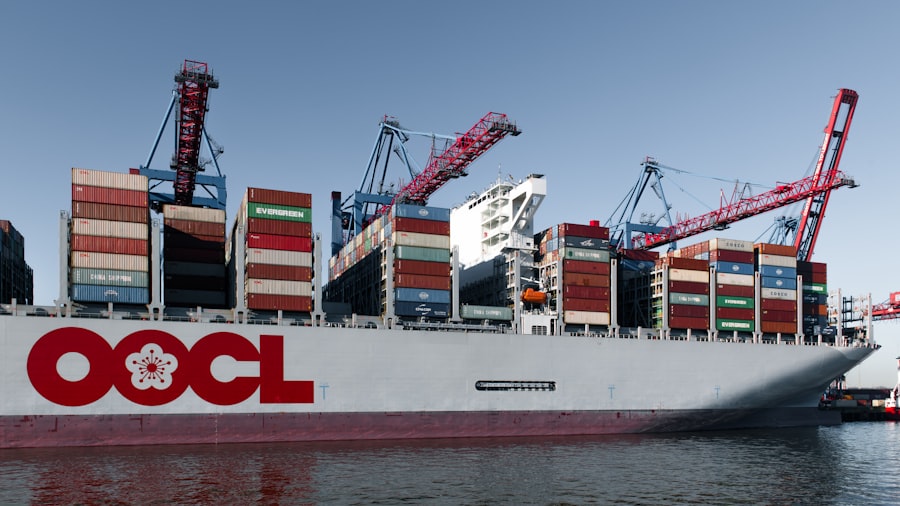
Several major global trade chokepoints stand out due to their strategic importance and the volume of goods that pass through them. The Strait of Hormuz, for example, is a critical passage for oil shipments, with approximately 20% of the world’s oil supply transiting through this narrow waterway. Its significance is underscored by the geopolitical tensions in the region, which can threaten the stability of oil prices and global energy security.
Another key chokepoint is the Panama Canal, which connects the Atlantic and Pacific Oceans. This artificial waterway drastically reduces shipping times for vessels traveling between the two oceans, making it a vital conduit for international trade. The canal’s expansion in recent years has further enhanced its capacity, allowing larger vessels to transit and increasing its importance in global shipping routes.
The significance of these chokepoints extends beyond their immediate economic impact; they also play a crucial role in shaping international relations and trade policies.
Impact of Disruptions in Chokepoints on Global Trade
Disruptions at global trade chokepoints can have far-reaching consequences for economies around the world. When a chokepoint is blocked or compromised, it can lead to immediate delays in shipping schedules, resulting in increased costs for businesses that rely on timely deliveries. These disruptions can also create shortages of essential goods, leading to inflationary pressures as demand outstrips supply.
The interconnected nature of global trade means that the effects of such disruptions are not confined to the region where they occur; they can reverberate across continents. For instance, during the Suez Canal blockage in 2021, hundreds of ships were delayed, causing significant disruptions in supply chains worldwide. The incident highlighted how quickly a single chokepoint could impact global trade dynamics, leading to increased shipping costs and delays in delivery times for various goods.
Such events underscore the need for businesses and governments to develop contingency plans that account for potential disruptions at these critical junctures.
Strategies for Navigating Vulnerable Chokepoints
| Chokepoint | Location | Key Trade Routes | Annual Cargo Throughput (Million Tons) | Primary Commodities | Vulnerability Factors |
|---|---|---|---|---|---|
| Strait of Hormuz | Between Persian Gulf and Gulf of Oman | Middle East to Asia, Europe | 18,000 | Oil, Gas | Geopolitical tensions, piracy, military conflicts |
| Strait of Malacca | Between Malaysia and Indonesia | Asia to Europe, Middle East | 90,000 | Oil, Manufactured goods, Containers | Narrow channel, piracy, congestion |
| Panama Canal | Panama | Atlantic to Pacific Ocean | 300 | Containers, Bulk cargo | Infrastructure limits, weather disruptions |
| Suez Canal | Egypt | Europe to Asia, Africa | 1,000 | Containers, Oil, Bulk cargo | Blockages, political instability |
| Bab el-Mandeb | Between Yemen and Djibouti | Red Sea to Gulf of Aden | 4,800 | Oil, Containers | Piracy, regional conflicts |
| Strait of Gibraltar | Between Spain and Morocco | Atlantic Ocean to Mediterranean Sea | 2,000 | Containers, Oil, Bulk cargo | High traffic density, geopolitical tensions |
To effectively navigate the vulnerabilities associated with global trade chokepoints, businesses and governments must adopt proactive strategies that enhance resilience. One approach is diversifying supply chains to reduce dependence on any single chokepoint. By establishing alternative routes or sourcing materials from different regions, companies can mitigate risks associated with disruptions at specific locations.
This strategy not only enhances supply chain resilience but also fosters greater flexibility in responding to unforeseen challenges. Additionally, investing in infrastructure improvements at key chokepoints can significantly enhance their capacity and efficiency. Upgrading ports, expanding canal capacities, and improving transportation networks can help alleviate congestion and reduce the likelihood of disruptions.
Collaborative efforts between governments and private sector stakeholders are essential in this regard, as they can pool resources and expertise to address vulnerabilities effectively.
Technological Innovations to Mitigate Chokepoint Vulnerabilities

Technological advancements are playing an increasingly important role in mitigating vulnerabilities at global trade chokepoints. Innovations such as blockchain technology are enhancing transparency and traceability within supply chains, allowing businesses to monitor shipments in real-time and respond swiftly to disruptions. By providing accurate information about the status of goods in transit, companies can make informed decisions that minimize delays and optimize logistics.
Moreover, advancements in artificial intelligence (AI) and data analytics are enabling businesses to predict potential disruptions before they occur.
This predictive capability allows companies to implement contingency plans proactively, ensuring that they remain agile in the face of uncertainty.
Political and Geopolitical Factors Affecting Chokepoint Vulnerabilities
Political and geopolitical factors significantly influence the vulnerabilities associated with global trade chokepoints. Tensions between nations can lead to increased military presence around critical passages or even outright conflict, jeopardizing the safety and security of shipping routes. For example, territorial disputes in the South China Sea have raised concerns about freedom of navigation and access to vital trade routes.
Furthermore, changes in government policies or regulations can impact the flow of goods through chokepoints. Tariffs, sanctions, or trade agreements can alter shipping patterns and create new vulnerabilities within established supply chains. Businesses must remain vigilant in monitoring these political dynamics to adapt their strategies accordingly and ensure continued access to essential trade routes.
Environmental and Climate Change Impacts on Chokepoint Vulnerabilities
Environmental factors and climate change are increasingly recognized as significant contributors to vulnerabilities at global trade chokepoints. Rising sea levels, extreme weather events, and changing ocean currents can all impact shipping routes and infrastructure. For instance, increased frequency of hurricanes or typhoons can disrupt operations at ports or choke points like the Panama Canal.
Moreover, environmental regulations aimed at reducing carbon emissions may necessitate changes in shipping practices or routes, further complicating logistics at these critical junctures. As climate change continues to pose challenges for global trade, businesses must incorporate sustainability considerations into their strategies for navigating chokepoint vulnerabilities.
Collaborative Efforts to Address Chokepoint Vulnerabilities
Addressing vulnerabilities at global trade chokepoints requires collaborative efforts among various stakeholders, including governments, businesses, and international organizations. Public-private partnerships can facilitate investments in infrastructure improvements and technological innovations that enhance resilience at these critical junctures. By working together, stakeholders can pool resources and expertise to develop comprehensive strategies that address vulnerabilities effectively.
International cooperation is also essential in managing chokepoint vulnerabilities on a global scale. Multilateral agreements aimed at ensuring freedom of navigation and promoting safe shipping practices can help mitigate risks associated with geopolitical tensions. Collaborative initiatives focused on sharing information about potential disruptions can enhance situational awareness among stakeholders and enable timely responses to emerging challenges.
The Role of International Organizations in Managing Chokepoint Vulnerabilities
International organizations play a crucial role in managing vulnerabilities associated with global trade chokepoints. Entities such as the International Maritime Organization (IMO) work to establish regulations and standards that promote safe and efficient shipping practices worldwide. By fostering cooperation among member states, these organizations help ensure that critical passages remain open and accessible for international trade.
Additionally, international organizations often facilitate dialogue among nations regarding geopolitical tensions that may impact chokepoint security. Through diplomatic efforts and conflict resolution initiatives, they contribute to maintaining stability around key trade routes. Their involvement is vital in addressing both immediate challenges and long-term vulnerabilities associated with global trade chokepoints.
Future Trends and Challenges in Navigating Global Trade Chokepoints
As global trade continues to evolve, several trends are likely to shape the future landscape of chokepoint vulnerabilities. The rise of e-commerce has led to increased demand for faster shipping times, placing additional pressure on existing chokepoints.
Furthermore, advancements in technology will continue to play a pivotal role in enhancing resilience at chokepoints. However, as technology evolves, so too do the risks associated with cyber threats that could target critical infrastructure. Ensuring cybersecurity will become an essential component of managing vulnerabilities at these strategic locations.
In conclusion, navigating global trade chokepoints presents both opportunities and challenges for businesses and governments alike. Understanding their importance, vulnerabilities, and potential impacts is crucial for developing effective strategies that ensure the resilience of international supply chains in an increasingly interconnected world.
Global trade routes are increasingly under scrutiny due to their vulnerable chokepoints, which can significantly impact international commerce. A related article that delves into this topic is available at this link. It explores the strategic importance of these chokepoints and the potential risks they pose to global supply chains, highlighting the need for enhanced security measures and alternative routing strategies.
WATCH THIS! The $10 Trillion Secret: What Happens If The Strait of Gibraltar Closes For Good
FAQs
What are global trade route chokepoints?
Global trade route chokepoints are narrow passages along widely used global shipping routes that are critical for international maritime trade. These chokepoints are strategic locations where a significant portion of the world’s maritime trade passes through, making them vital for global commerce.
Why are chokepoints considered vulnerable?
Chokepoints are considered vulnerable because their narrow geography makes them susceptible to disruptions caused by geopolitical conflicts, piracy, natural disasters, or accidents. Any blockage or interference in these areas can significantly impact global trade flows and supply chains.
What are some of the most important global trade route chokepoints?
Some of the most important global trade route chokepoints include the Strait of Hormuz, the Suez Canal, the Panama Canal, the Strait of Malacca, the Bab el-Mandeb Strait, and the Turkish Straits. These locations are critical for the transit of oil, goods, and raw materials between major markets.
How do disruptions at chokepoints affect global trade?
Disruptions at chokepoints can lead to delays, increased shipping costs, and shortages of goods. Since a large volume of global trade passes through these narrow passages, any blockage can cause significant ripple effects across international supply chains and markets.
What measures are taken to secure these vulnerable chokepoints?
Measures to secure chokepoints include naval patrols, international cooperation on maritime security, investment in alternative routes or infrastructure, and diplomatic efforts to reduce regional tensions. Additionally, shipping companies may reroute vessels to avoid high-risk areas when necessary.
Are there alternative routes to bypass vulnerable chokepoints?
While some alternative routes exist, they often involve longer distances and higher costs. For example, the Northern Sea Route through the Arctic is emerging as an alternative to the Suez Canal during certain seasons, but it is not yet a fully reliable substitute for major chokepoints.
How does the vulnerability of chokepoints impact global energy supplies?
Many chokepoints, such as the Strait of Hormuz, are critical for the transport of oil and natural gas. Disruptions in these areas can lead to volatility in energy prices and concerns over energy security for countries dependent on imports.
What role do international organizations play in managing chokepoint security?
International organizations like the International Maritime Organization (IMO) and regional coalitions work to establish safety standards, coordinate maritime security efforts, and facilitate communication among countries to ensure the safe and efficient passage of vessels through chokepoints.
Can technological advancements help reduce the risks at chokepoints?
Yes, technological advancements such as improved navigation systems, real-time monitoring, autonomous vessels, and enhanced surveillance can help reduce risks by improving situational awareness and response capabilities in vulnerable chokepoints.
Why is it important for businesses to understand the risks associated with global trade route chokepoints?
Understanding the risks helps businesses anticipate potential supply chain disruptions, plan for contingencies, manage costs, and make informed decisions about sourcing and logistics to maintain resilience in global trade operations.