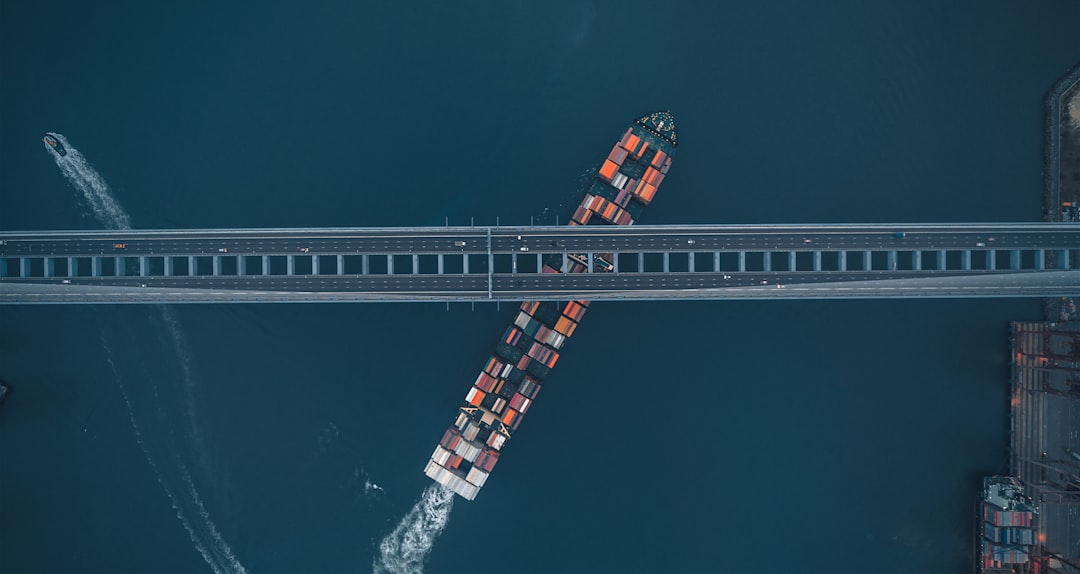
The intricate dance of international commerce, a system built upon the seamless flow of goods and capital, is fundamentally reliant on the health and efficiency of its vital pathways. These lifelines, far from being abstract concepts, are tangible geographic locations and infrastructures that dictate the pace and cost of global trade. Understanding these “arteries” and the potential “chokepoints” where congestion and disruption can occur is crucial for anyone seeking to comprehend the modern economic landscape, from multinational corporations to individual consumers.
The Arteries of Global Commerce: The High Seas and Key Waterways
The vast majority of global trade, measured by volume, travels across the oceans. These immense blue expanses serve as the primary arteries, carrying everything from raw materials and manufactured goods to agricultural products and energy resources. The sheer scale of maritime shipping, facilitated by colossal container vessels and specialized tankers, underpins the interconnectedness of the global economy. Without these oceanic highways, the cost and feasibility of delivering goods across continents would be prohibitively high, effectively segmenting markets and stifling economic growth.
The Importance of Sea Routes
The established shipping lanes are not merely arbitrary paths; they represent optimized routes that minimize transit times, fuel consumption, and exposure to perilous weather conditions. These arteries are meticulously charted, utilizing predictable wind patterns and oceanic currents where possible. The development of sophisticated navigation systems, including GPS and sophisticated radar, has further enhanced the safety and efficiency of these voyages. The economic significance of these routes cannot be overstated, as they form the backbone of supply chains that extend to virtually every corner of the globe.
Major Container Shipping Corridors
Specific maritime corridors have emerged as particularly vital arteries due to the sheer volume of trade they handle. The Transatlantic shipping routes, connecting Europe and North America, remain critical for the movement of manufactured goods and consumer products. The Asia-Pacific trade routes, particularly those linking East Asia with Europe and North America, are arguably the busiest and most economically significant in the world, reflecting the manufacturing prowess of countries like China and their integration into global supply chains. Other key corridors include those facilitating trade between South America and Europe, and within the Indian Ocean.
The Role of Inland Waterways
Beyond the oceans, a network of rivers, canals, and lakes also functions as essential arteries for more localized or region-specific trade. These inland waterways are particularly important in continents with extensive river systems, such as North America (the Great Lakes and Mississippi River system) and Europe (the Rhine and Danube rivers). They often serve as cost-effective alternatives to rail or road transport for bulk commodities, connecting inland production centers to coastal ports or major consumption hubs.
The Bottlenecks: Identifying and Understanding Chokepoints
While the arteries are vast and capable of handling immense traffic, their smooth operation is contingent upon the absence of bottlenecks. These chokepoints are specific locations or segments within the global trade network where congestion, disruption, or physical limitations can significantly impede the flow of goods. Like vital organs that can be compromised by a blockage, chokepoints can have cascading effects throughout the entire global economic system, leading to delays, increased costs, and even shortages.
Strategic Waterways and Straits: The Suez and Panama Canals
Perhaps the most iconic chokepoints in global trade are the man-made canals that drastically shorten maritime voyages. The Suez Canal, connecting the Mediterranean Sea to the Red Sea, and the Panama Canal, linking the Atlantic and Pacific Oceans, are indispensable arteries. Any disruption to these canals, whether due to mechanical failure, geopolitical instability, or even a single ship grounding, can have immediate and profound global repercussions. Their limited capacity means that even minor incidents can lead to massive queues of vessels, significantly delaying trade and driving up shipping costs.
Port Infrastructure and Congestion
Ports are the gateways where goods transition from sea to land or vice versa. While essential, they are also prime locations for chokepoints. Inefficient port operations, insufficient unloading capacity, labor disputes, or overwhelming import volumes can lead to severe congestion. Ships can be forced to wait offshore for days or even weeks for a berth, causing significant delays and increasing demurrage charges. The sheer volume of goods passing through major hubs like Shanghai, Rotterdam, or Los Angeles means that any slowdown at these nodal points sends ripples throughout the entire trading network.
The “Last Mile” Problem: Trucking and Rail Networks
Even when goods successfully navigate the oceanic arteries and clear port congestion, they still face the challenge of reaching their final destinations. The “last mile” of transportation, involving trucking and rail networks, can also become a chokepoint. Limited road capacity, rail network inefficiencies, driver shortages, or infrastructure limitations can create bottlenecks in inland distribution. This final leg of the journey, often underestimated, is crucial for ensuring that goods reach consumers and businesses in a timely manner.
Geopolitical Vulnerabilities: Strategic Importance and Potential Flashpoints
The arteries and chokepoints of global trade are not immune to geopolitical forces. Their strategic importance makes them susceptible to political maneuvering, international disputes, and even outright conflict. The control or influence over these pathways can be a source of power and leverage, and their disruption can be a deliberate act of economic warfare.
Maritime Security and Piracy
Historically, pirates have posed a threat to maritime trade, disrupting shipping and extorting ransoms. While modern naval patrols have reduced the prevalence of traditional piracy in some regions, new forms of maritime insecurity have emerged, including state-sponsored interference, smuggling, and acts of terrorism at sea. Ensuring the security of these vital arteries requires international cooperation and robust naval presence in vulnerable areas.
Sanctions and Trade Embargoes
The imposition of economic sanctions and trade embargoes by nations or international bodies can effectively sever or reroute specific trade arteries. These measures, while employed for political or security reasons, can have significant economic consequences, forcing businesses to find alternative routes and suppliers, and often increasing costs for consumers. The targeting of specific chokepoints or trade routes through sanctions can deliberately disrupt the flow of goods to exert pressure on targeted entities.
Territorial Disputes and Resource Access
Disputes over territorial waters or access to vital resources can also create chokepoints for trade. For instance, tensions in regions with strategically important straits or maritime resource disputes can lead to increased shipping risks and potential disruptions. The control of fishing grounds or the passage through sovereign waters can be leveraged in international relations, impacting trade flows.
The Interconnectivity of a Fragile System
The global trade network is a highly interconnected and complex system. The arteries and chokepoints are not independent entities but rather parts of a larger organism. A disruption in one area can have unforeseen and widespread consequences in others. This inherent interconnectedness, while fostering efficiency during normal times, also highlights the system’s fragility.
Supply Chain Resilience and Diversification
The lessons learned from past disruptions, such as the COVID-19 pandemic or major natural disasters, have underscored the importance of supply chain resilience. Businesses are increasingly seeking to diversify their sourcing and transportation routes to mitigate the impact of chokepoints and ensure continuity of operations. This involves building redundancy into supply chains, developing alternative transportation options, and fostering stronger relationships with a wider range of suppliers.
The Impact of Technological Advancements
Technological advancements have a dual impact on global trade arteries and chokepoints. Innovations in shipping technology, such as larger and more efficient vessels, can increase the capacity of arteries. However, these advancements can also exacerbate congestion at chokepoints if infrastructure does not keep pace. Furthermore, advancements in logistics and tracking technologies can improve the efficiency of managing trade flows and identifying potential bottlenecks.
The Environmental Dimension
The operation of global trade arteries also has significant environmental implications. Shipping accounts for a substantial portion of greenhouse gas emissions, and port activities can contribute to air and water pollution. Efforts to “green” global trade involve developing more fuel-efficient vessels, exploring alternative fuel sources, and implementing stricter environmental regulations at ports. The choice of arteries and the efficiency of chokepoints can directly influence the environmental footprint of global commerce.
Navigating the Future: Adapting to Evolving Trade Landscapes
The nature of global trade is constantly evolving, driven by economic shifts, technological innovation, and geopolitical realities. Navigating these ever-changing seas requires foresight, adaptability, and a deep understanding of the underlying arteries and chokepoints.
The Rise of Digital Trade and Services
While this discussion has primarily focused on the physical movement of goods, it is important to acknowledge the growing significance of digital trade and trade in services. These intangible flows, while not reliant on physical arteries in the same way, are still influenced by digital infrastructure, cybersecurity, and regulatory frameworks. The efficiency of data transfer and the reliability of online platforms can be considered the “arteries” and potential “chokepoints” of the digital economy.
Infrastructure Investment and Modernization
To ensure the continued smooth functioning of global commerce, significant investment in infrastructure is required. This includes expanding port capacity, modernizing canal systems, upgrading rail and road networks, and developing new shipping lanes where necessary. Strategic investments can transform potential chokepoints into more efficient arteries, facilitating smoother and more cost-effective trade.
The Importance of Global Cooperation
Ultimately, the effective navigation of global trade’s chokepoints and arteries depends on sustained international cooperation. Collaborative efforts to enhance maritime security, standardize regulations, invest in shared infrastructure projects, and promote sustainable trade practices are essential for building a more resilient and efficient global economic system. The journey of goods across the globe is a shared endeavor, and its success relies on the collective efforts of nations and industries working in concert.
FAQs
What are global trade artery chokepoints?
Global trade artery chokepoints are narrow passages or strategic maritime routes that are critical for international shipping and trade. These chokepoints connect major bodies of water and facilitate the movement of goods between different regions of the world.
Why are chokepoints important for global trade?
Chokepoints are vital because they serve as key transit points for a significant portion of the world’s maritime trade. Efficient passage through these narrow routes helps reduce shipping time and costs, supporting global supply chains and economic stability.
What are some of the major global trade artery chokepoints?
Some of the most important chokepoints include the Strait of Hormuz, the Suez Canal, the Panama Canal, the Strait of Malacca, and the Bab el-Mandeb Strait. Each of these routes handles a large volume of global maritime traffic and is strategically significant.
What risks are associated with global trade artery chokepoints?
Chokepoints are vulnerable to disruptions caused by geopolitical conflicts, piracy, natural disasters, or accidents. Such disruptions can lead to delays, increased shipping costs, and shortages of goods, impacting global markets and economies.
How do countries and organizations manage the security of these chokepoints?
Countries and international organizations implement naval patrols, surveillance systems, and diplomatic efforts to ensure the security and openness of chokepoints. Cooperation among nations is essential to maintain safe and reliable passage for global trade.